
Minnesota’s Systems Are Failing Black Women, Girls, and Femmes, New Statewide Survey Finds
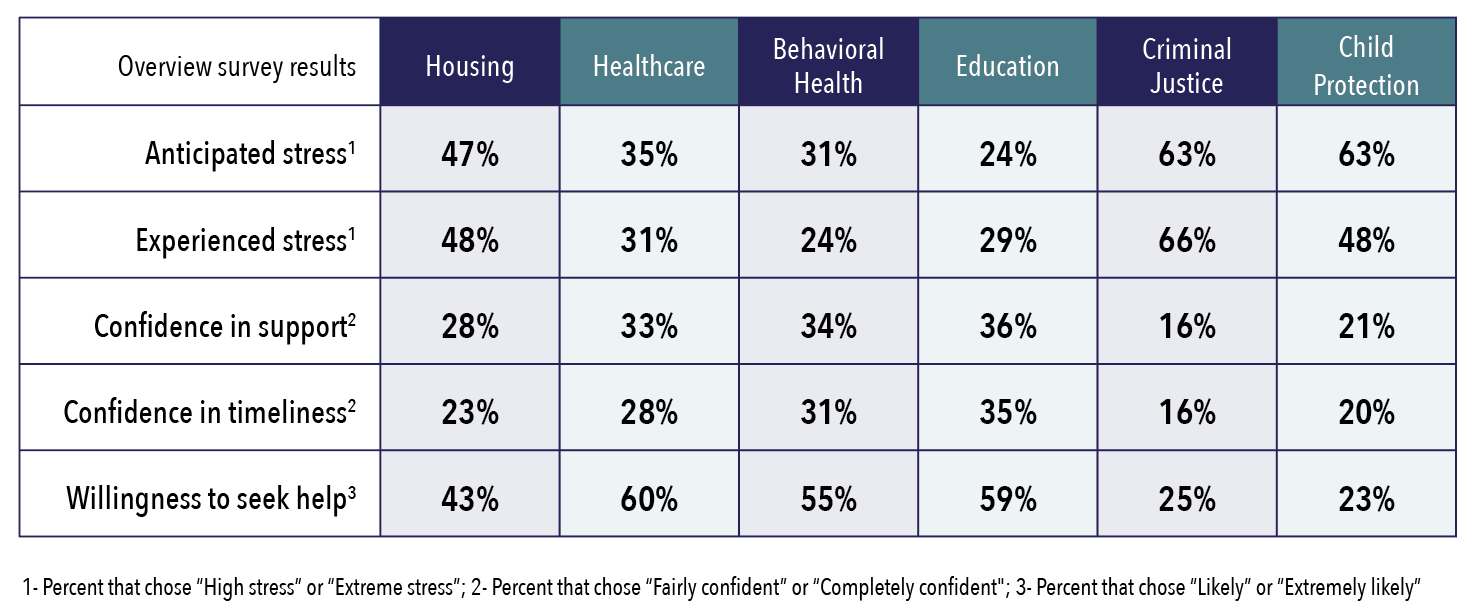
Only 28% of Black women, girls, and femmes in Minnesota are confident institutions will provide timely support when they need it. That’s according to ground-breaking new data from a statewide survey conducted by Research in Action to understand how state agencies, emergency services, and community organizations serve Black women, girls and femmes impacted by structural violence.
Download the full report here.
“In 2023, Minnesota became the first state to create an Office of Missing and Murdered Black Women and Girls (MMBWG),” said Dr. Brittany Lewis, Founder and CEO of Research In Action, Minnesota’s leading Black and 2SLGBTQ-owned research firm. “But that was just a first step toward ending the epidemic of violence against Black women, girls and femmes. With insight from nearly 800 participants across the state, this survey data shines a light on how systems that are supposed to protect ALL Minnesotans are routinely and dramatically failing Black women, girls and femmes.”
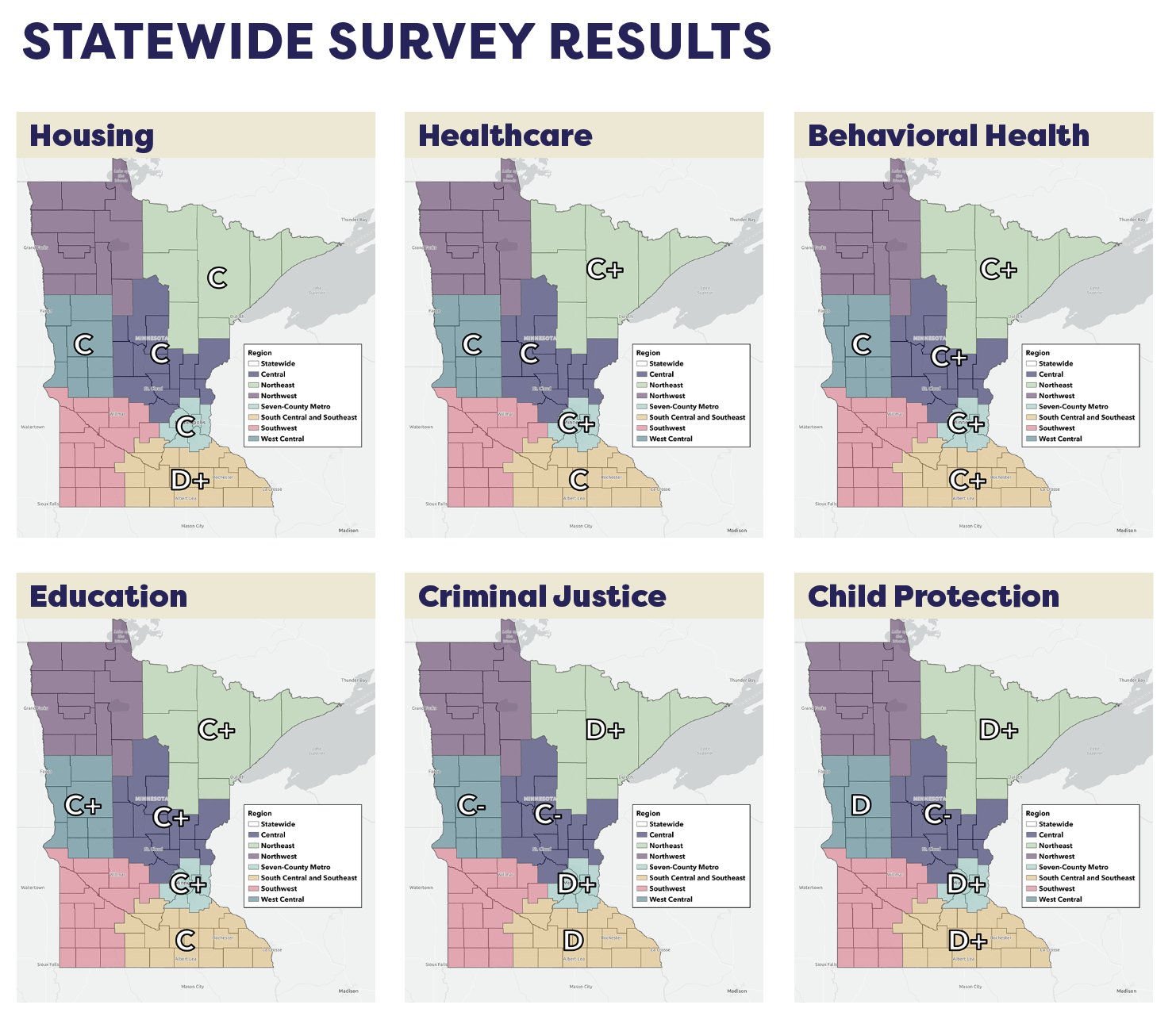
In partnership with more than 75 community leaders and organizations across Minnesota, the Justice in Institutions for Black Women, Girls, and Femmes Survey was the first statewide, comprehensive survey to ask Black women, girls, and femmes about their experiences with and expectations of systems that are supposed to provide resources and support in times of crisis, including criminal justice, healthcare and housing. Coupled with additional focus groups and interviews to capture the nuance of their experiences, Research in Action analyzed the direct input of Black women, girls and femmes to create grades for each system by region. Key data results include:
Download the full report
Criminal Justice received one of the lowest grades in the study (D+), reflecting both low confidence and harmful experiences. Nearly two-thirds of respondents (64%) said they were not confident the system would support them in a time of need, and 66% reported high or extreme stress during interactions with the system.
Housing earned a C, but the grade masks a troubling reality: Black women, girls, and femmes were nearly as likely to anticipate stress from housing systems as they were to actually experience it. Forty-seven percent anticipated high stress before seeking help, and 48% reported high stress during housing interactions.
Child Protection Services also received a D+. Nearly two-thirds of respondents (63%) anticipated high or extreme stress if they needed to interact with CPS, while fewer than one in four (21%) expressed confidence the system would support them.
Even the highest-performing systems earned little confidence. Healthcare and education each received a C+, yet only about one-third of respondents expressed confidence that those systems would provide meaningful and timely support
Across every system examined, from housing and healthcare to criminal justice and child protection, the most common reason respondents gave for avoiding services was concern that they would be treated unfairly because of their race, ethnicity, or background.
“These survey results make visible and tangible the challenges Black women, girls and femmes (BWGF) have been articulating for generations: the systems designed to uplift the wellbeing and safety of all Minnesotans are not serving us,” said Lakeisha Lee, Founder of the Brittany Clardy Foundation. “Now that we have the data, we must listen, receive, and believe what BWGFs are telling us—and take actionable steps to change key systems, like housing and criminal justice, to make Minnesota a state where everyone can feel safe and stable.”
In collaboration with a Community Action Council made up of impacted Black women, girls and femmes, Research in Action is now using this critical data to develop a first-of-its-kind tool to assess and hold public systems accountable to policies and practices that better serve BWGF. Part of a five-year initiative, this work will create a transformative, replicable and scalable framework for the state and counties across Minnesota—and potentially nationwide.
But we can’t do this work alone. Considering your sphere of influence, how might you utilize what you learned from this data?
Learn more about the initiative and see the full survey results at researchinaction.com/bwgf-justice