
Community Research for Liberation National Convening
SAVE THE DATE: June 10-11, 2027
Westminster Presbyterian Church, Minneapolis, MN
Across the nation, community members use research to tell their stories and ignite change. But community research efforts are often overshadowed or displaced by institutional research processes that are frequently inaccessible, extractive, or disconnected from the people most impacted by injustice. An annual event hosted by Research in Action (RIA) and the Equity in Action Way (EAW) Foundation, the Community Research for Liberation National Convening is a space for community members, educators and academics, non-profit staff and organizers, front-line public service workers and philanthropic leaders of ALL racial backgrounds to gain tools and training in liberatory research design, healing-centered engagement, and accountable partnerships across community and institutional settings.
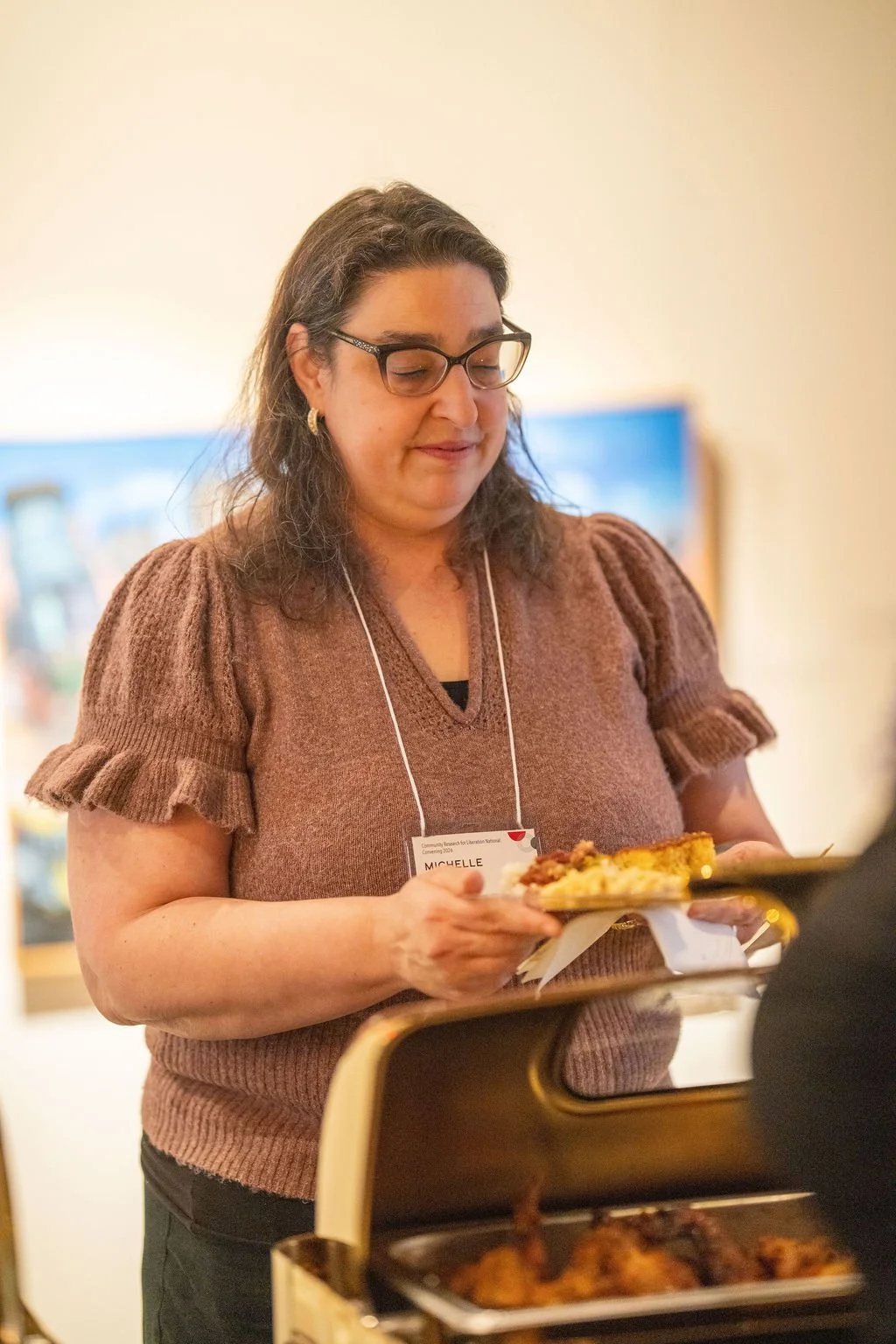
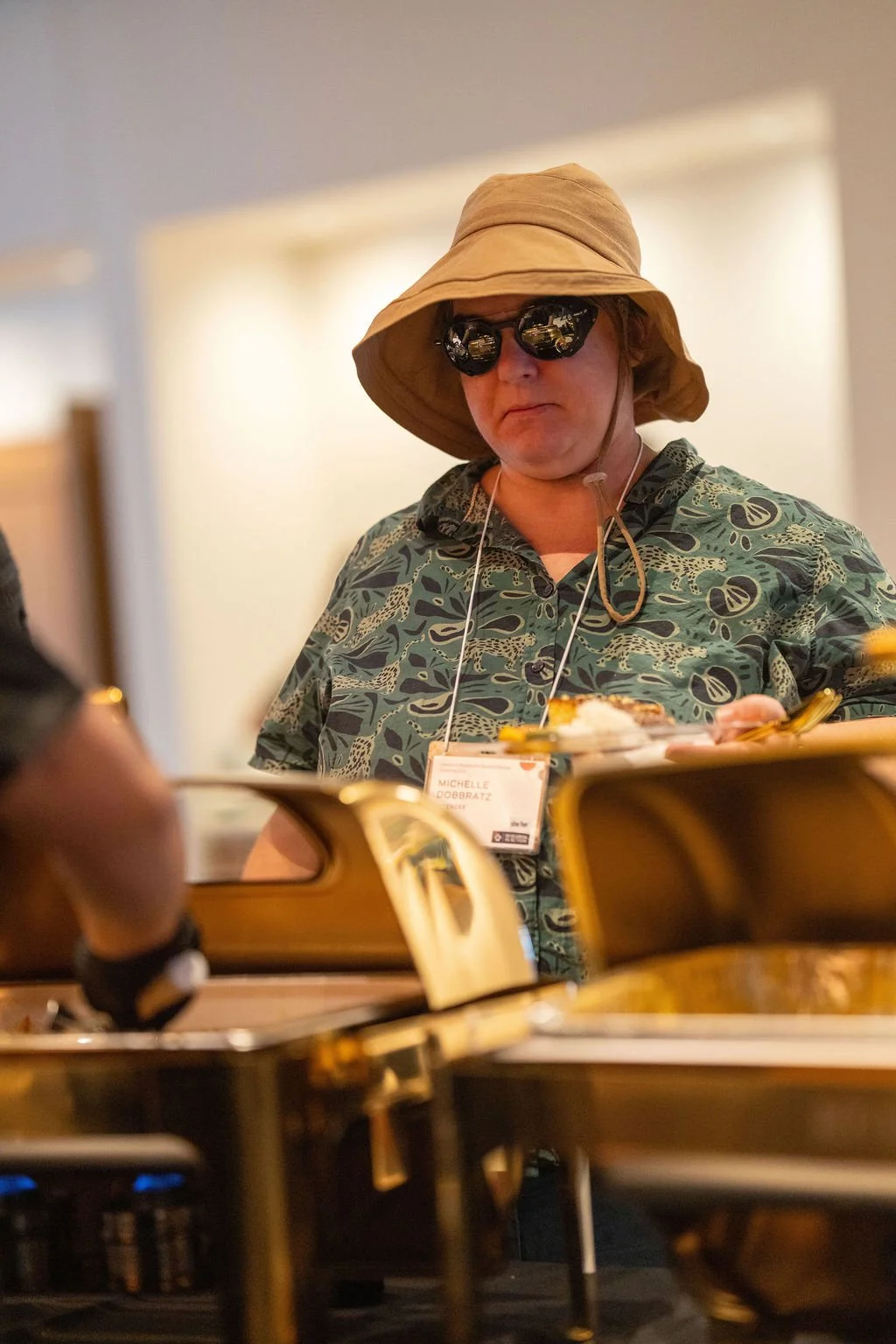
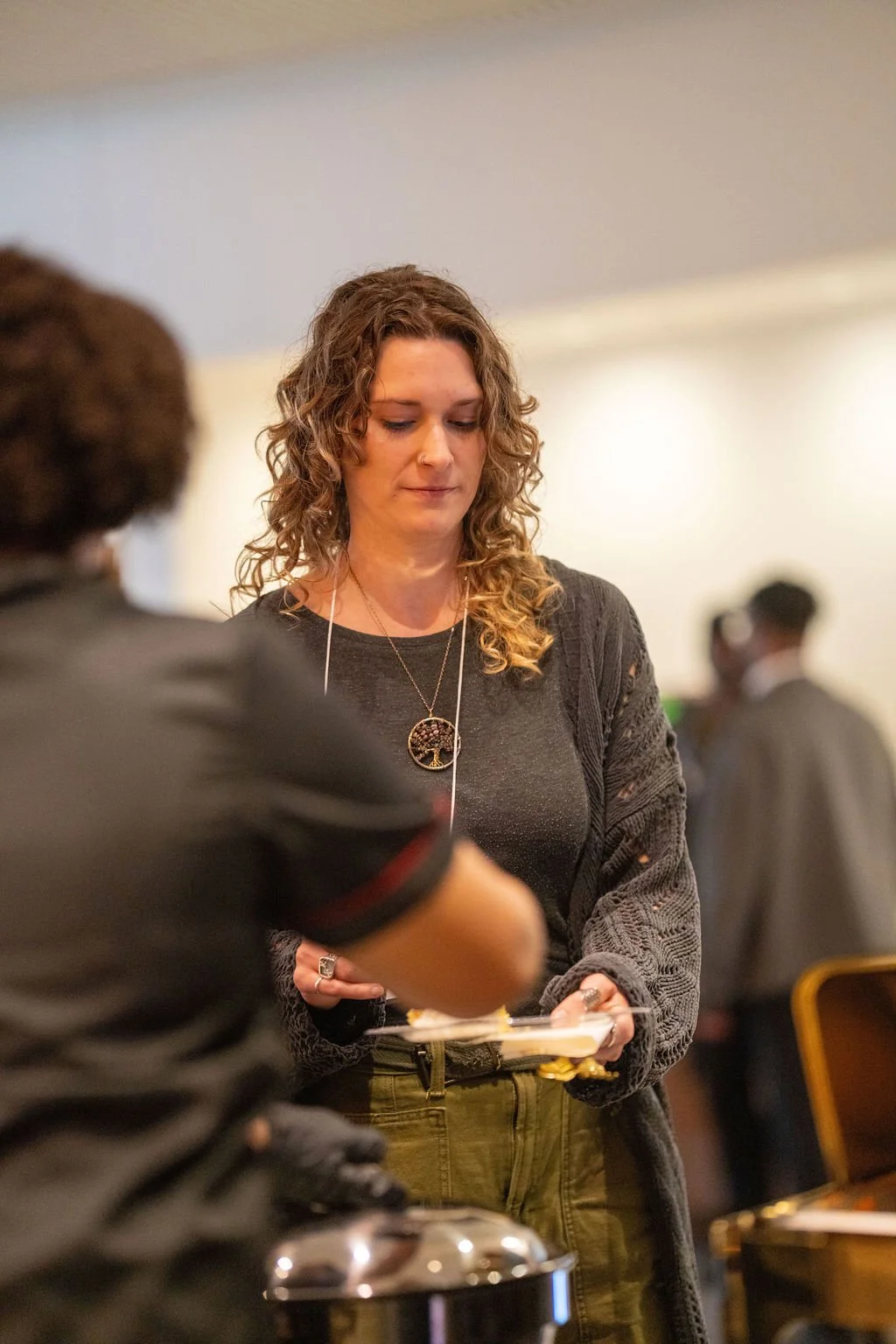
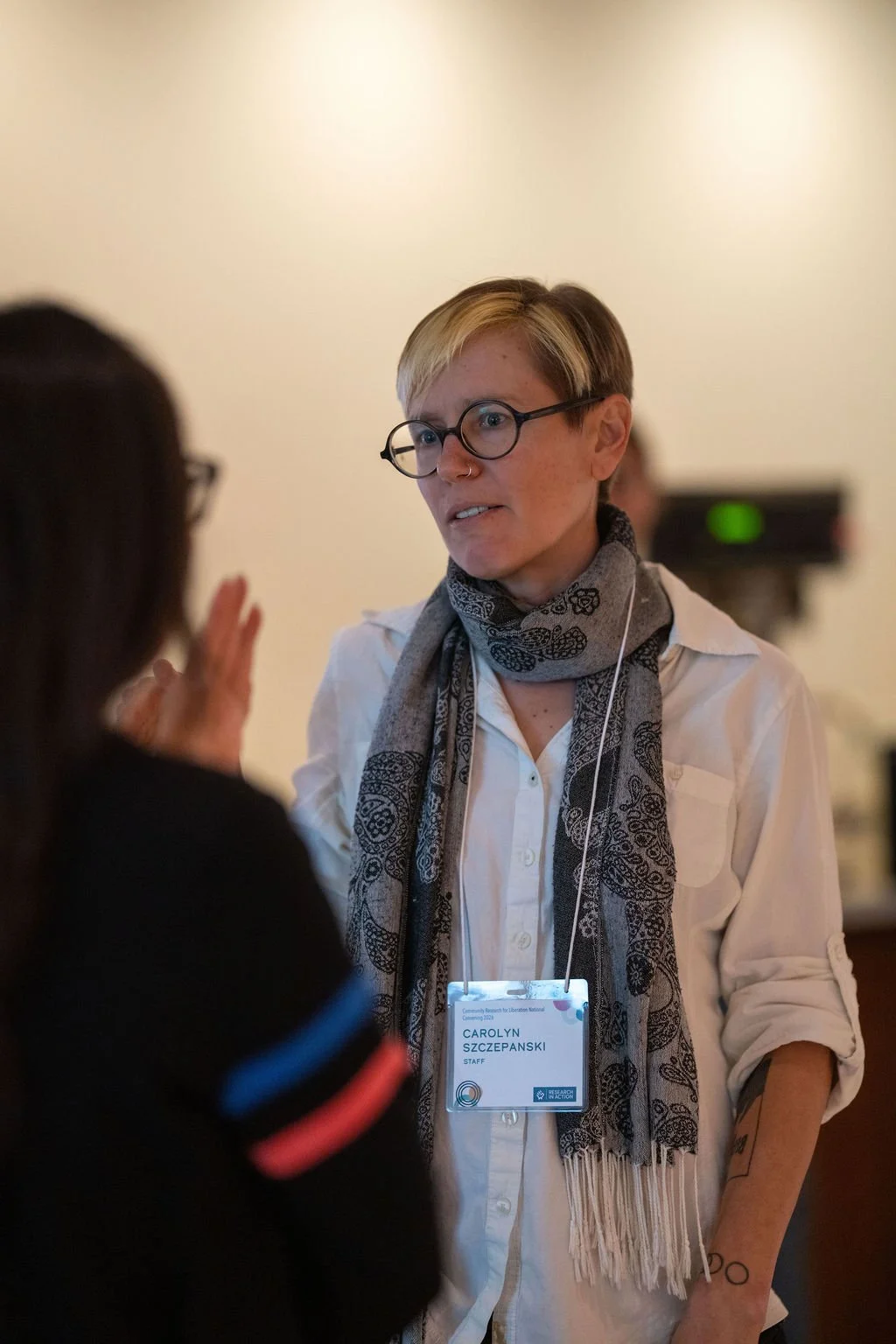
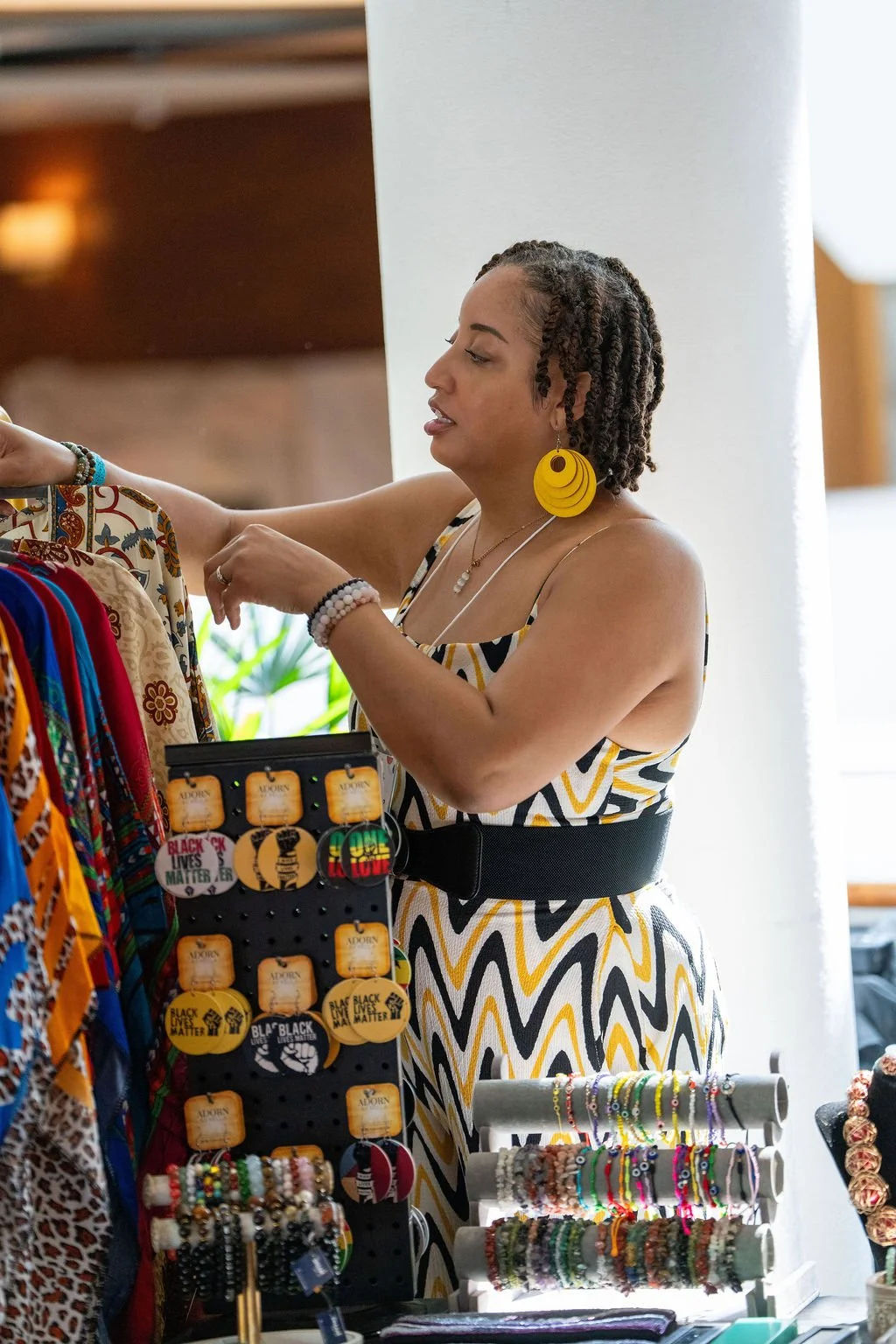
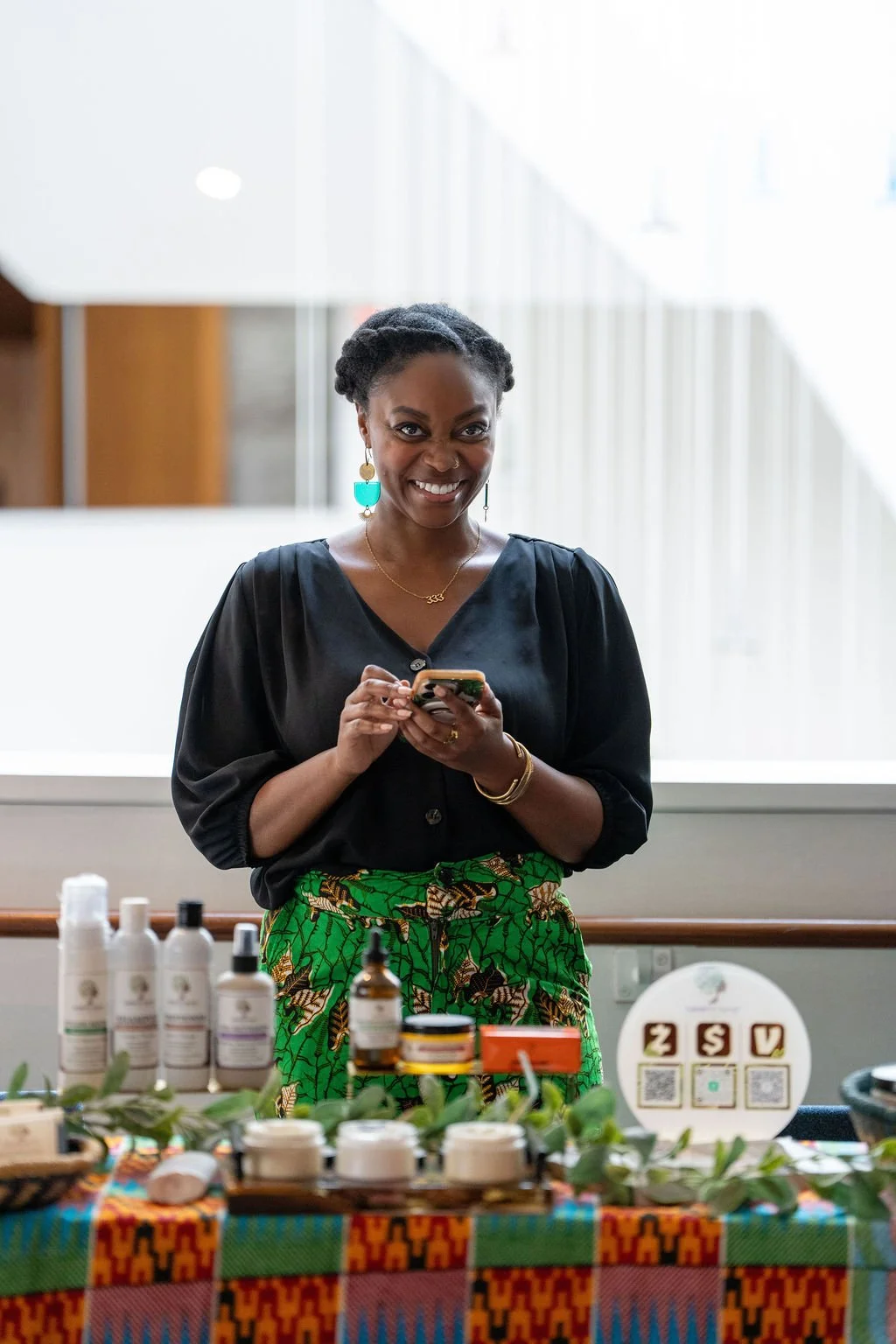
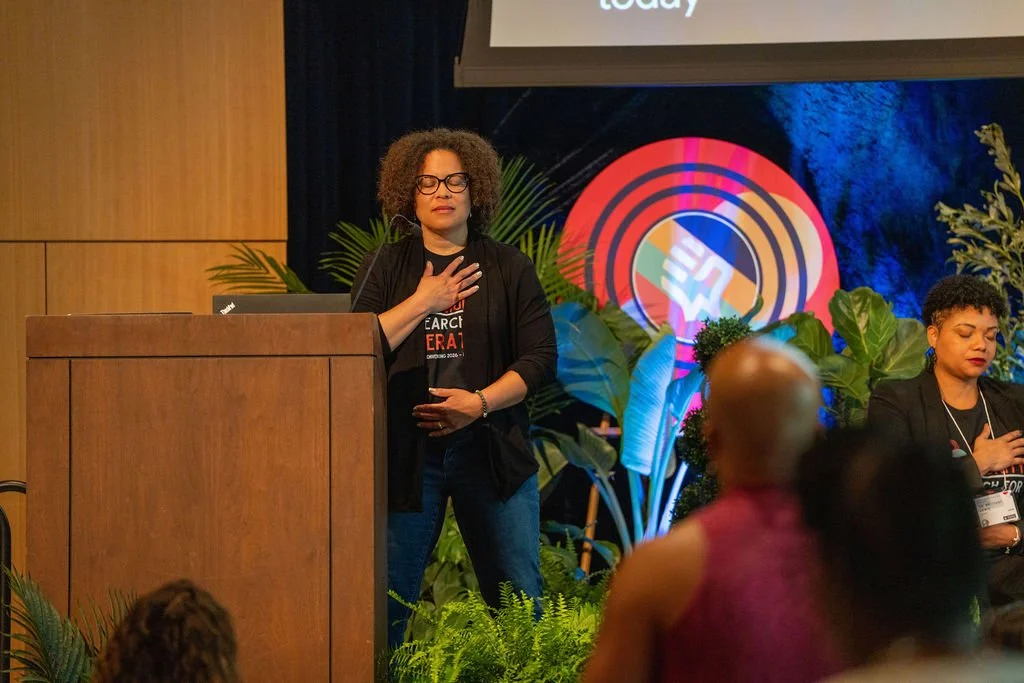
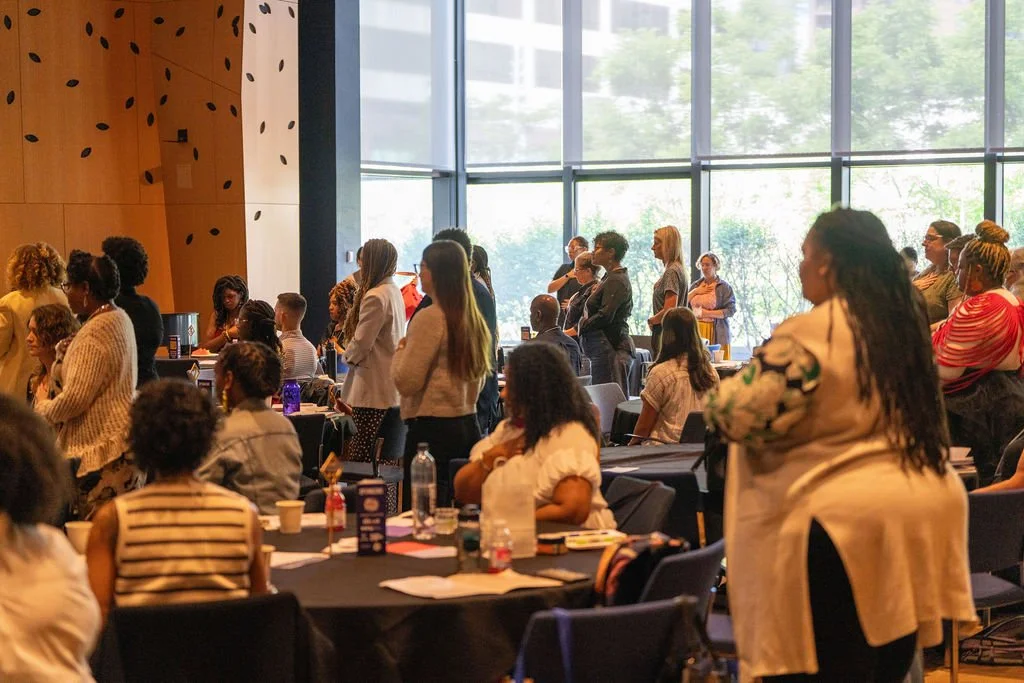
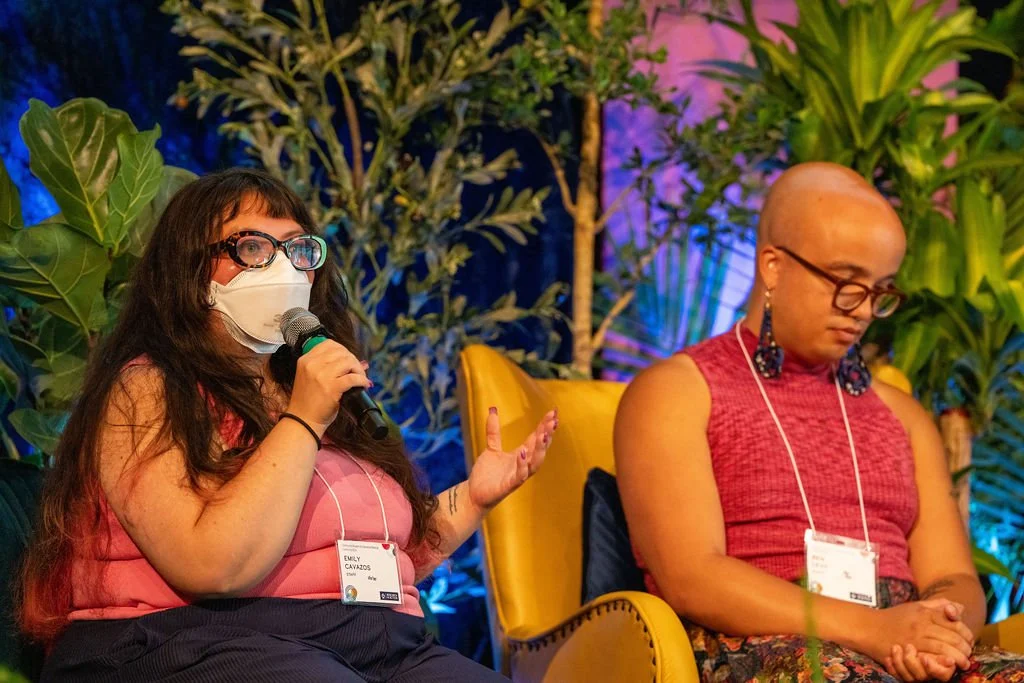
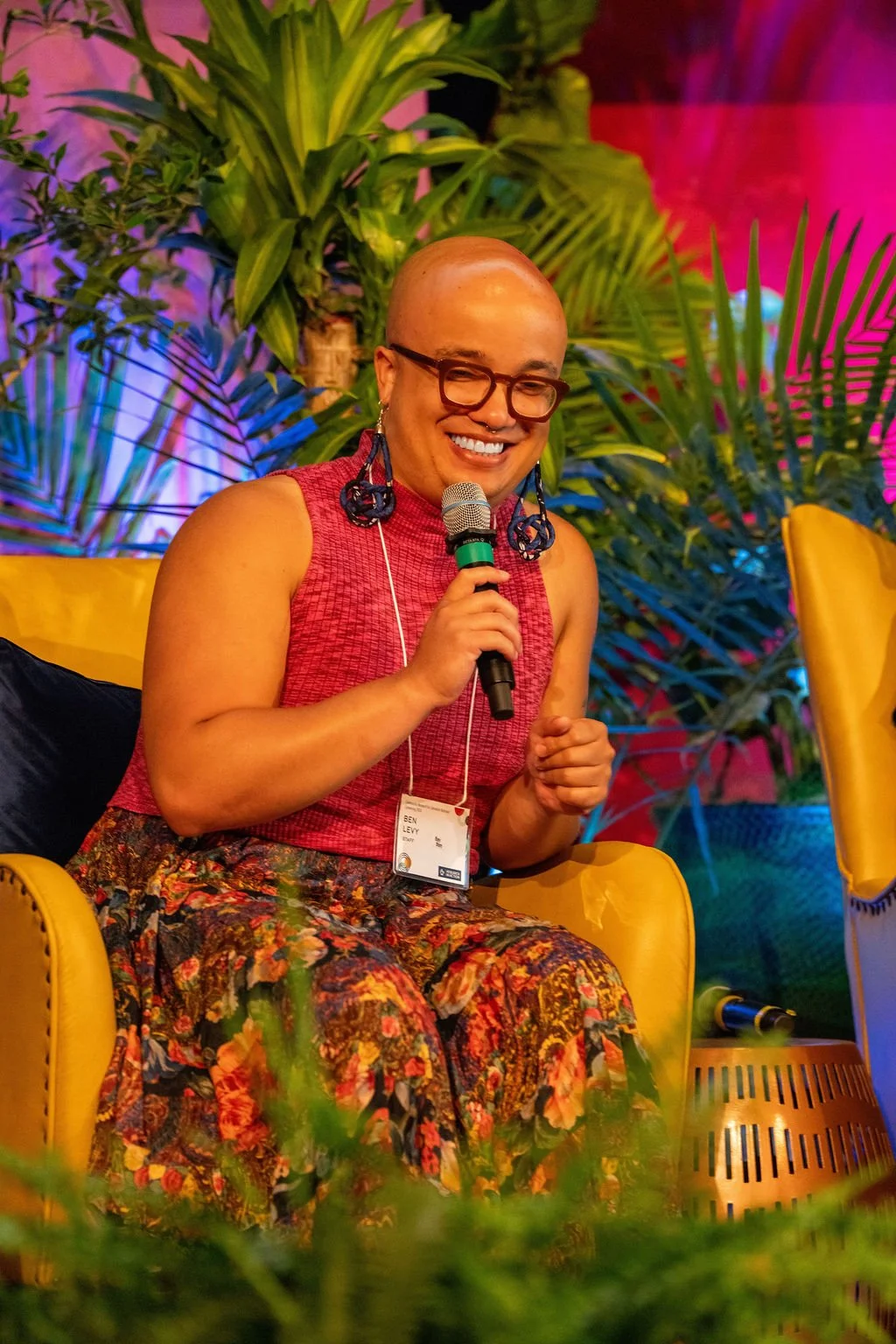
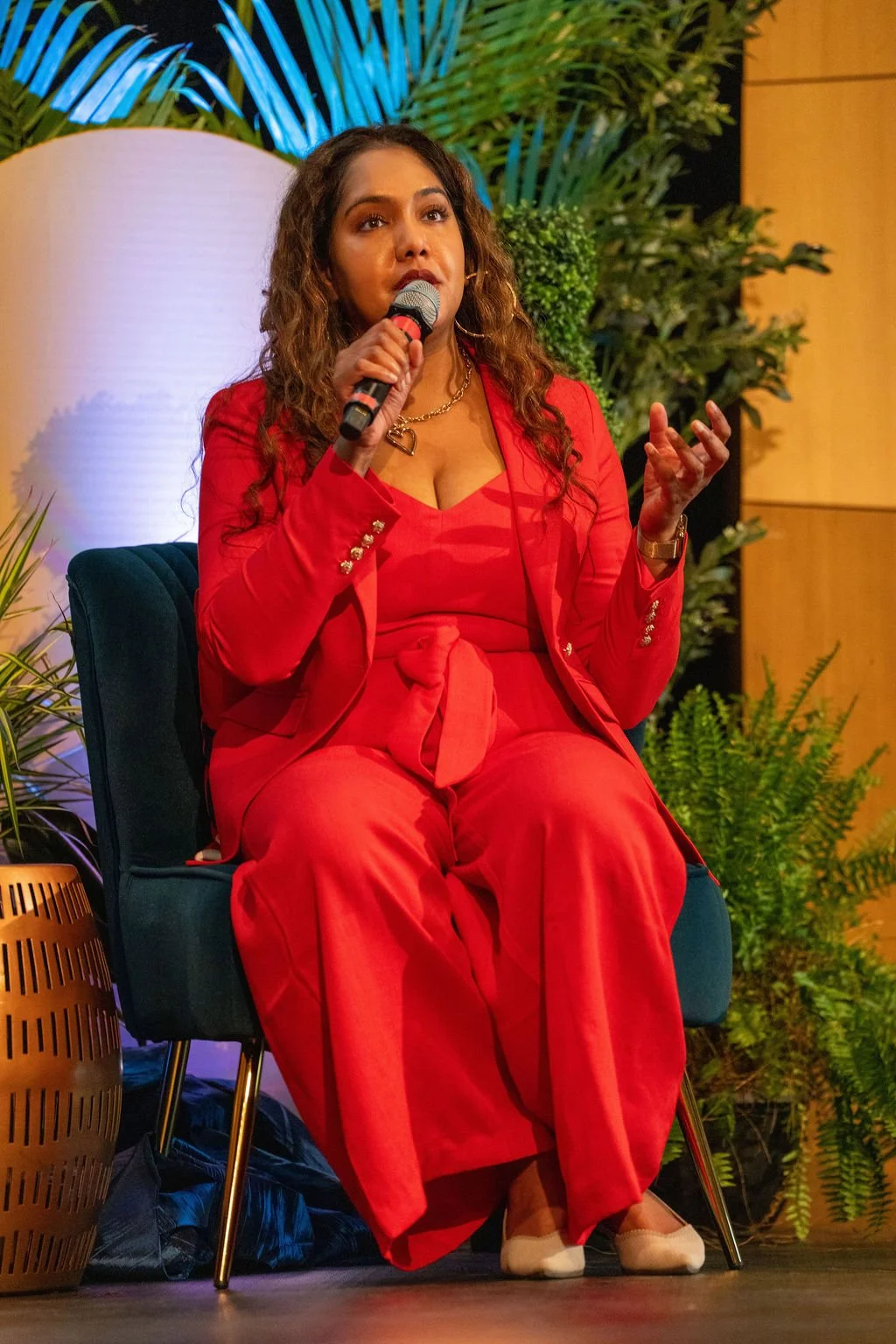
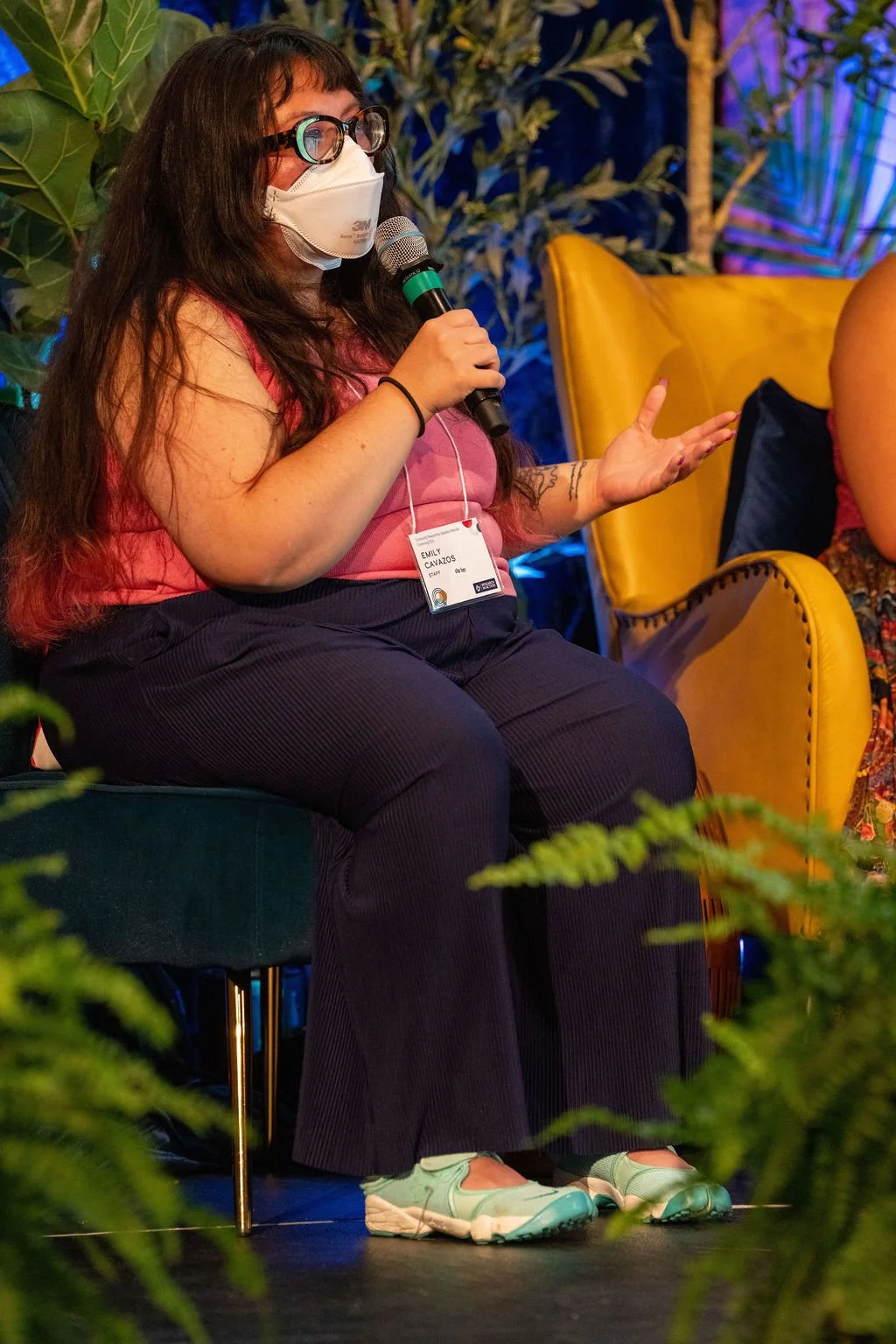
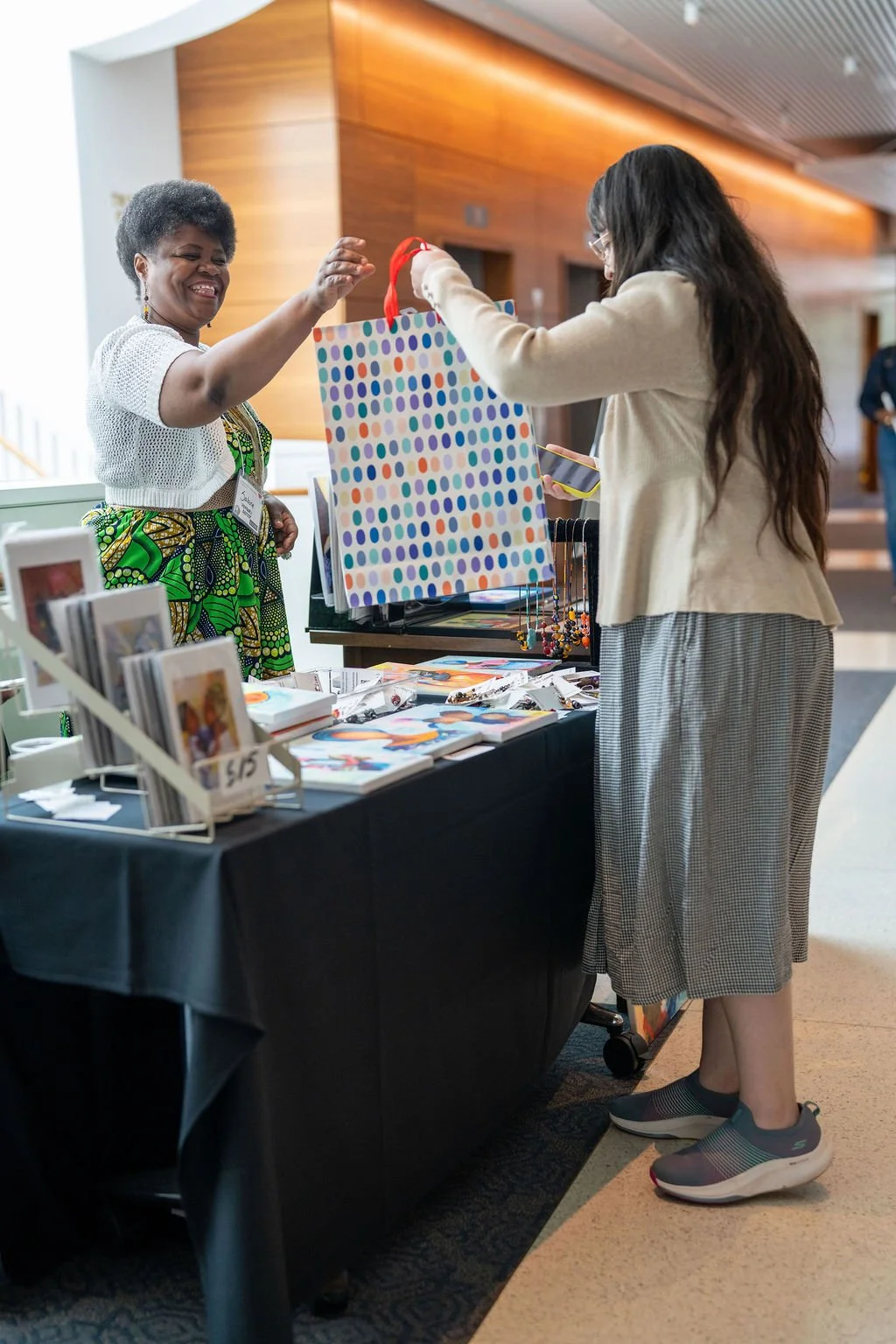
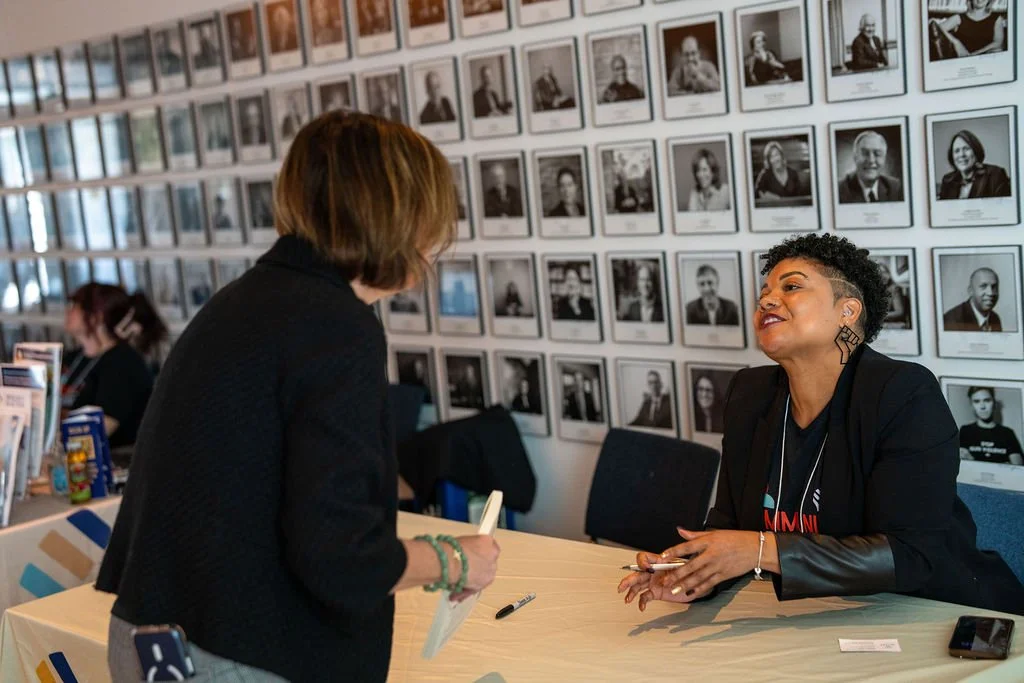
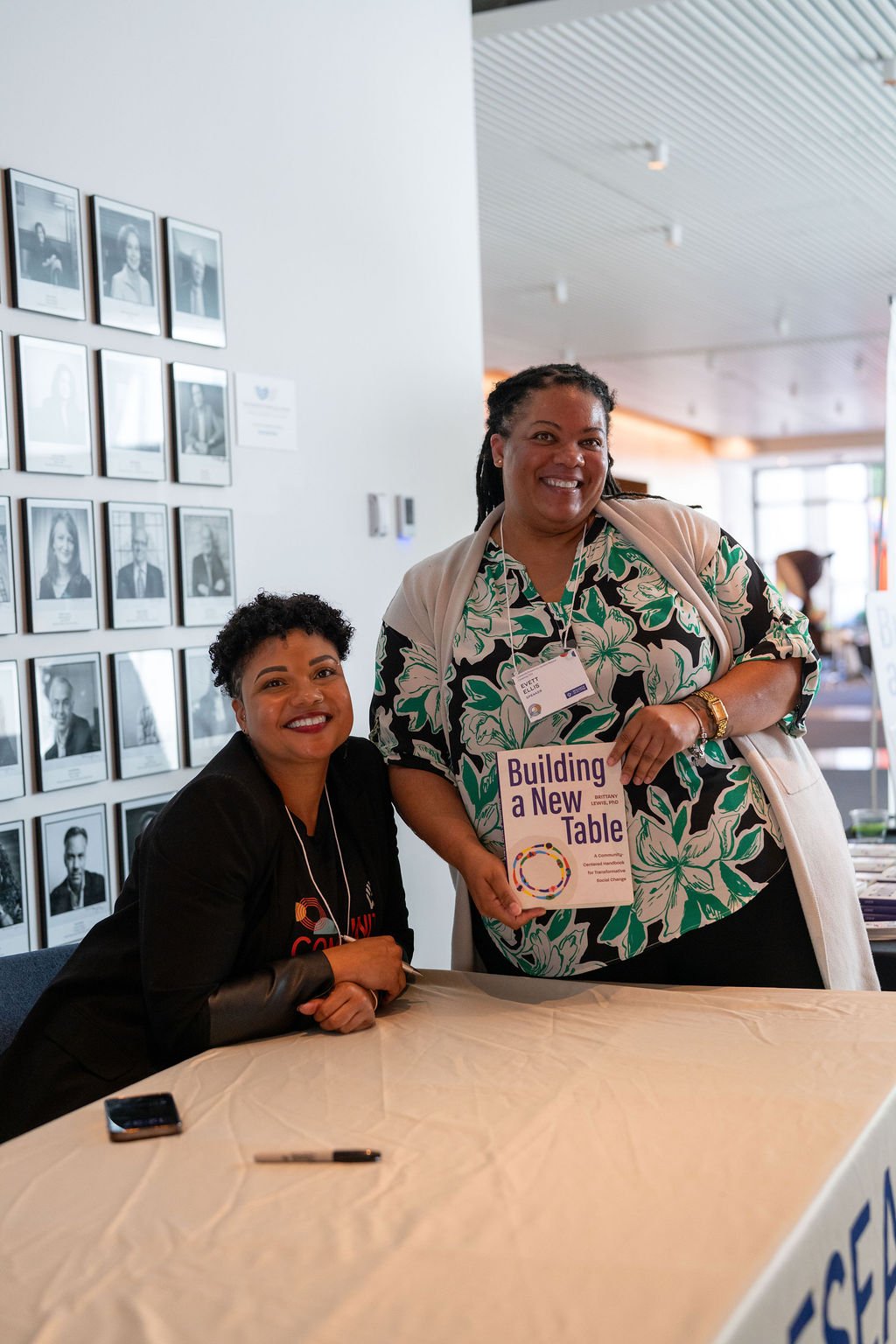
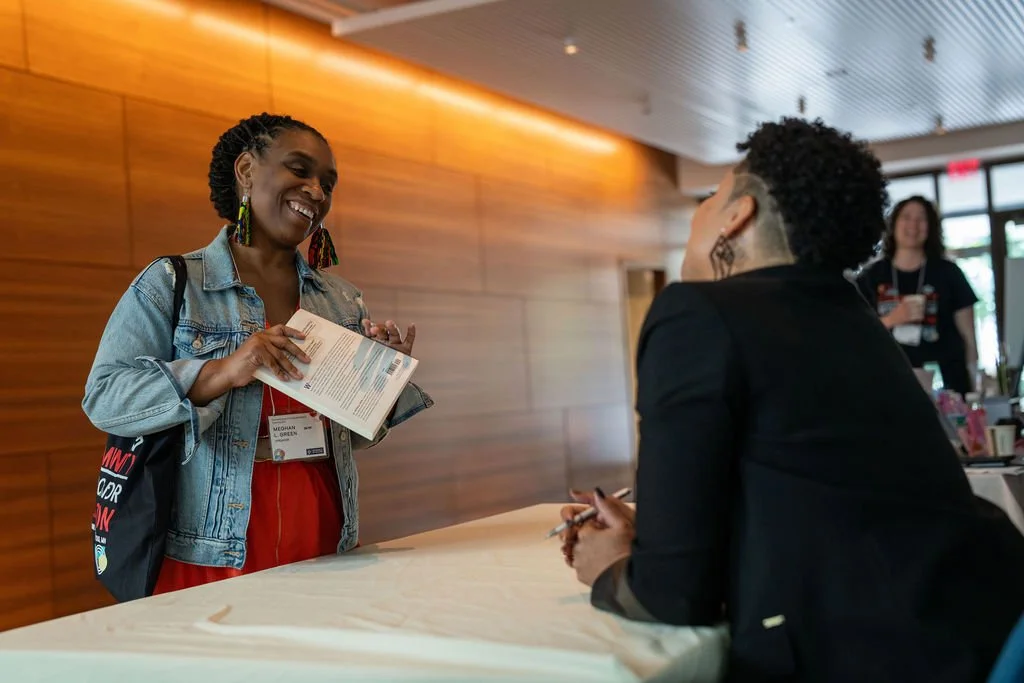
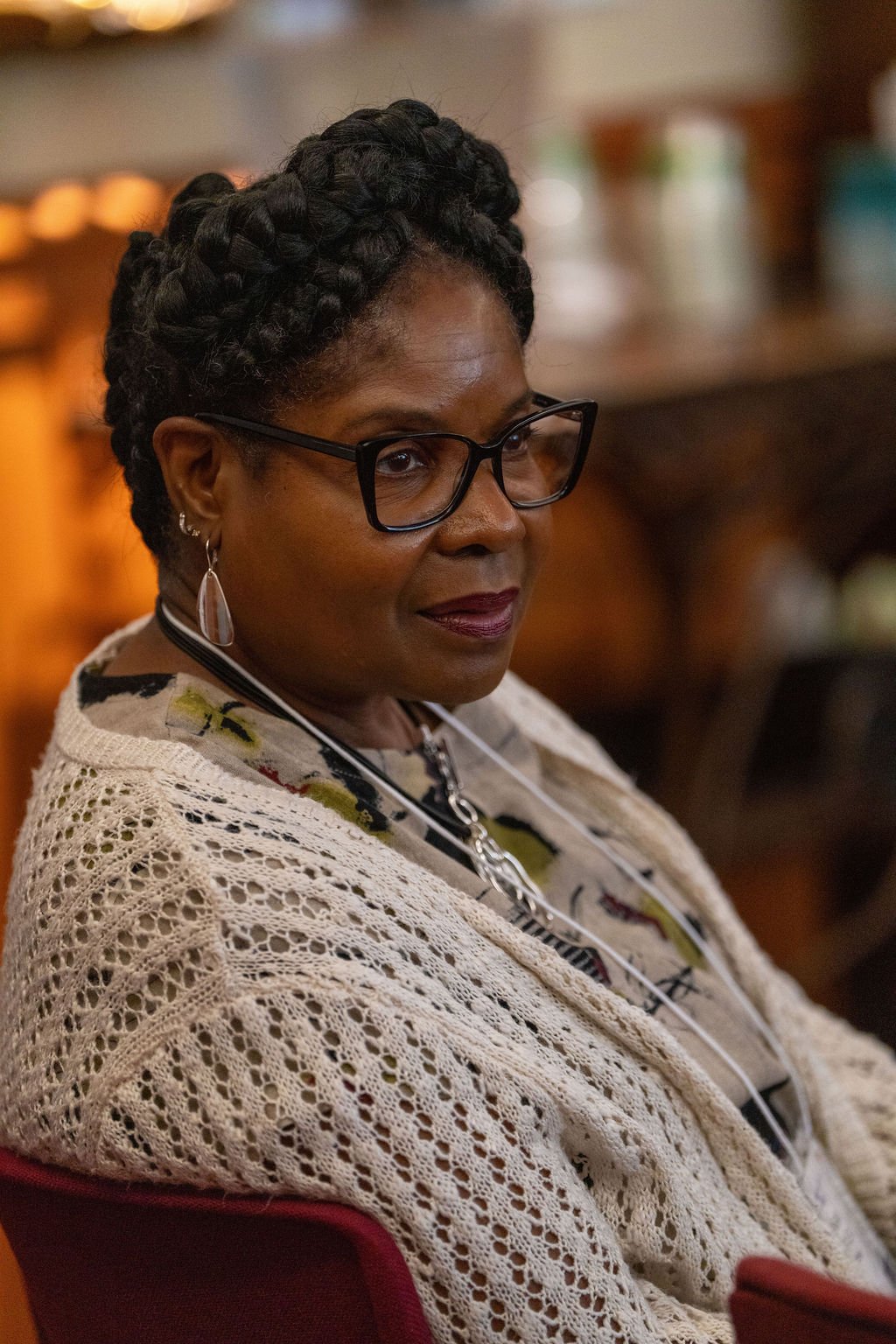
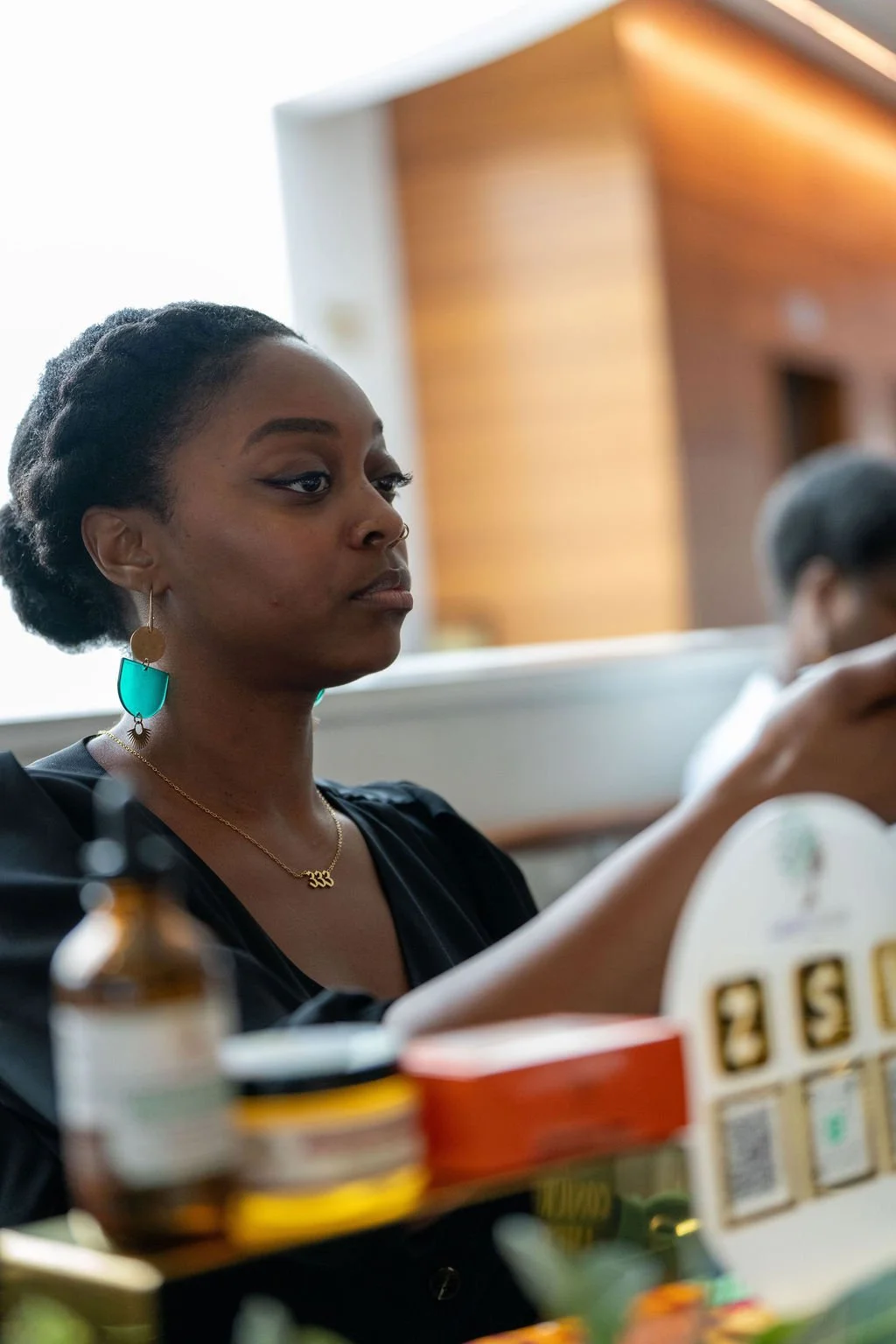
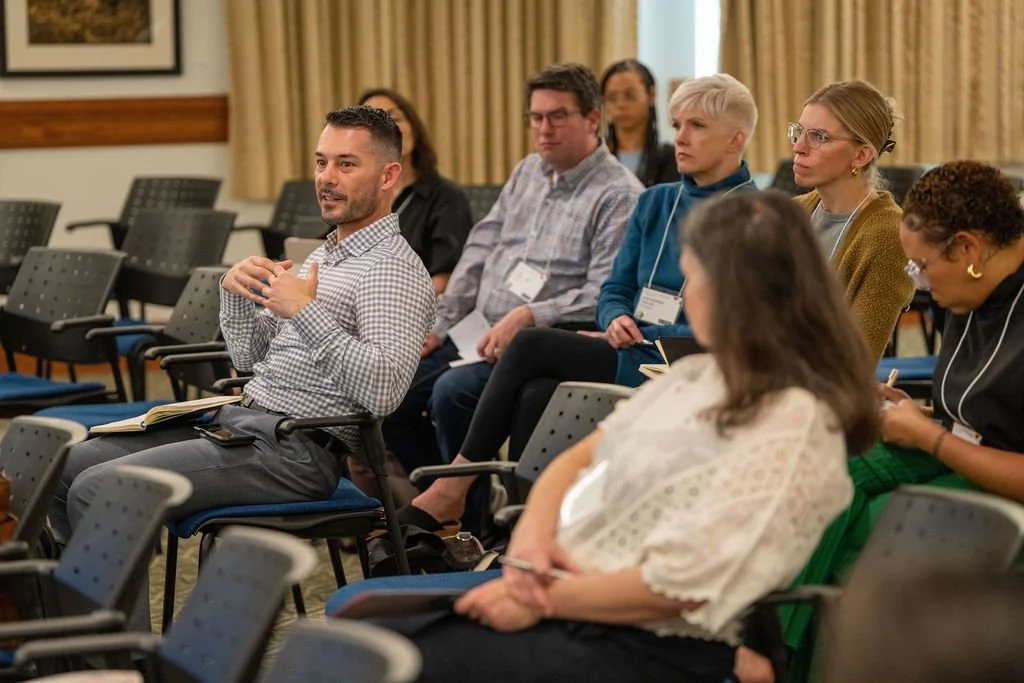
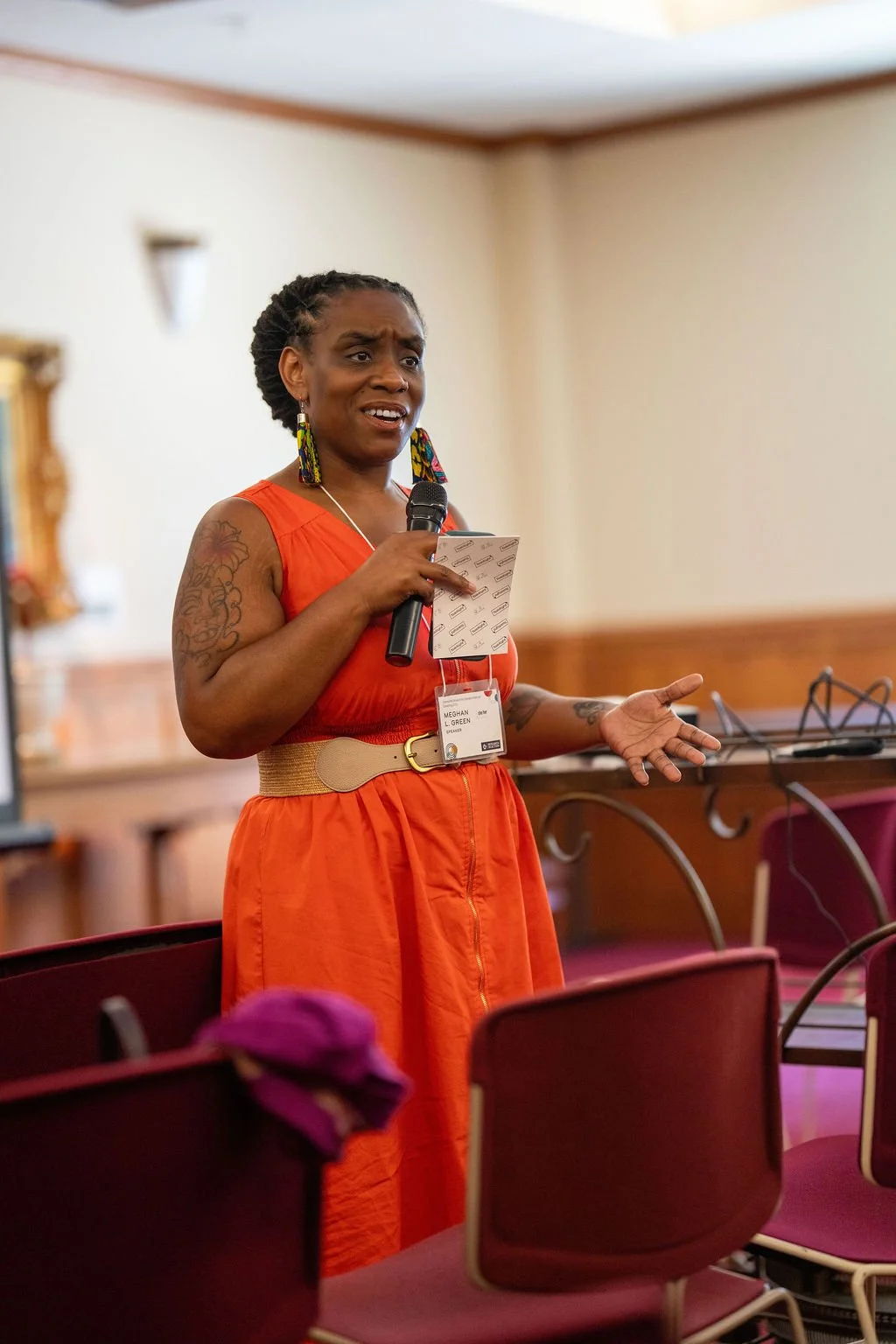
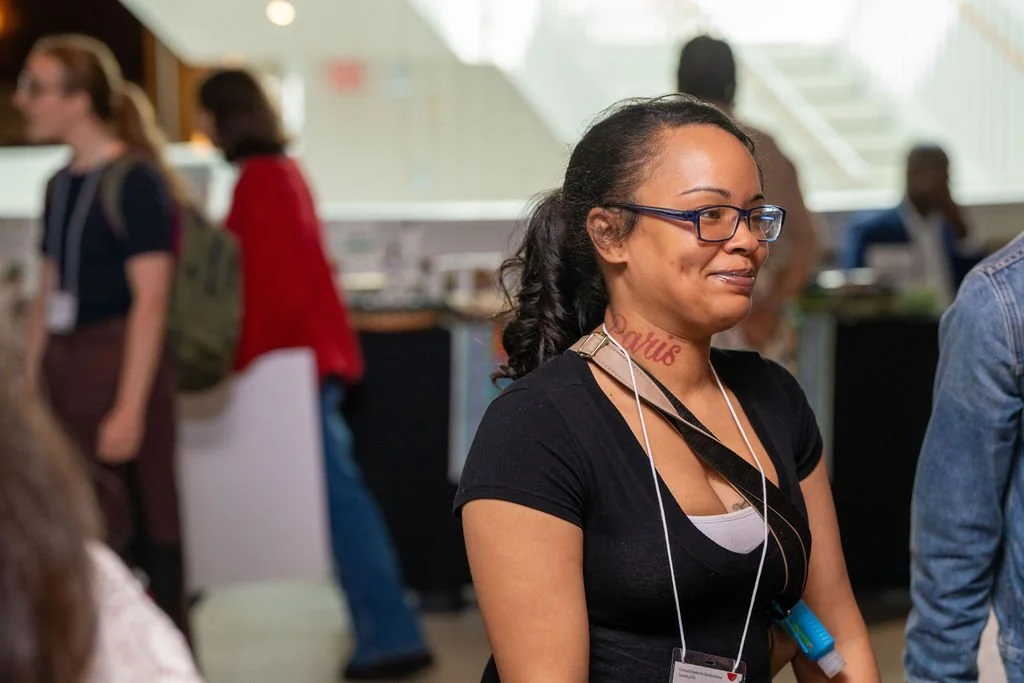
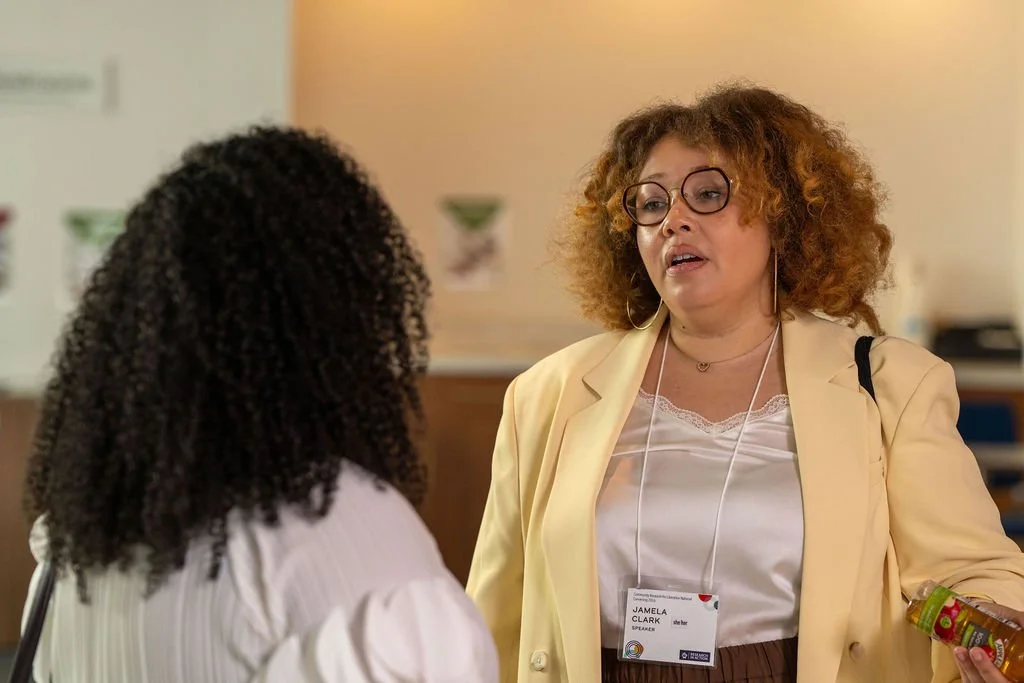
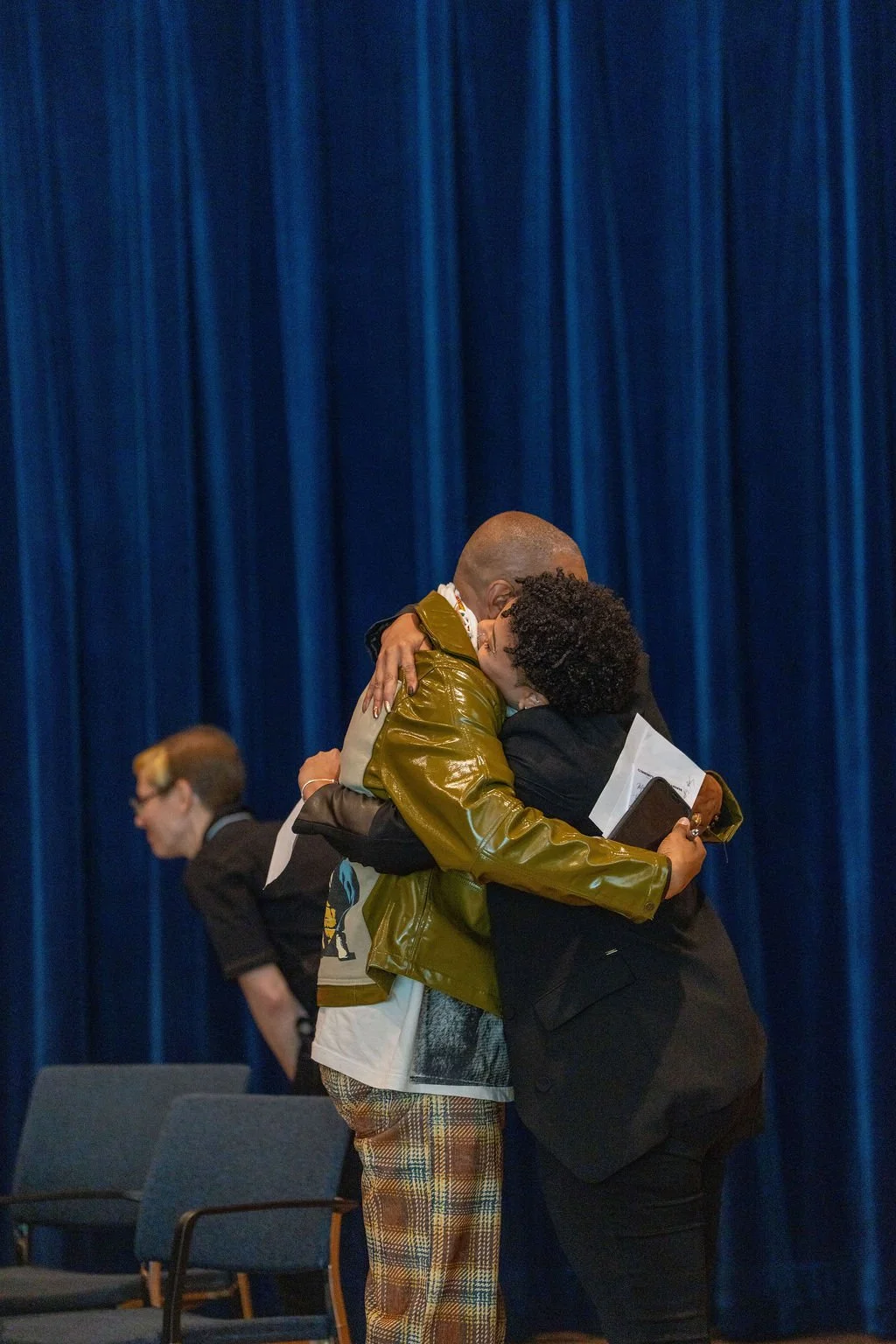
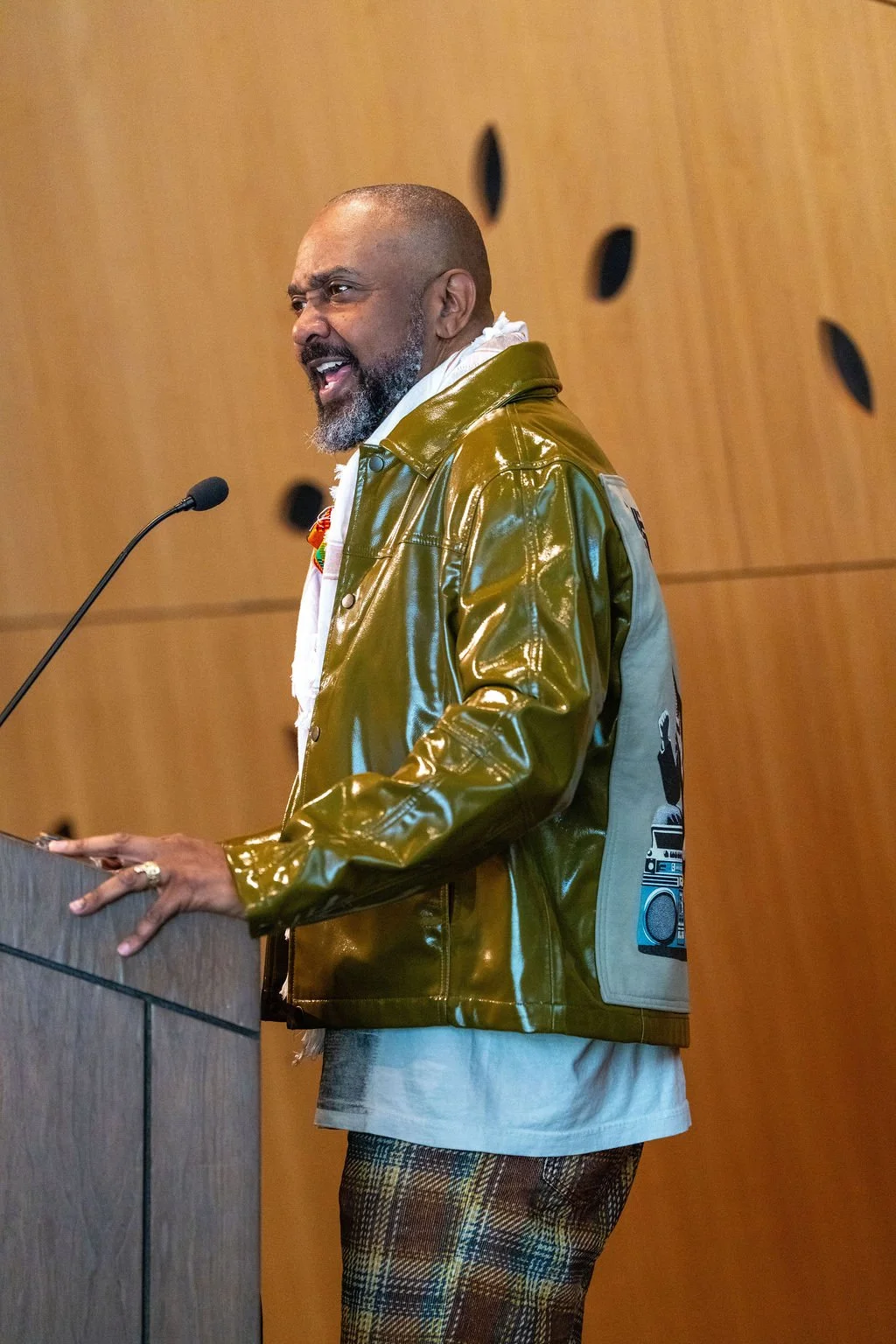
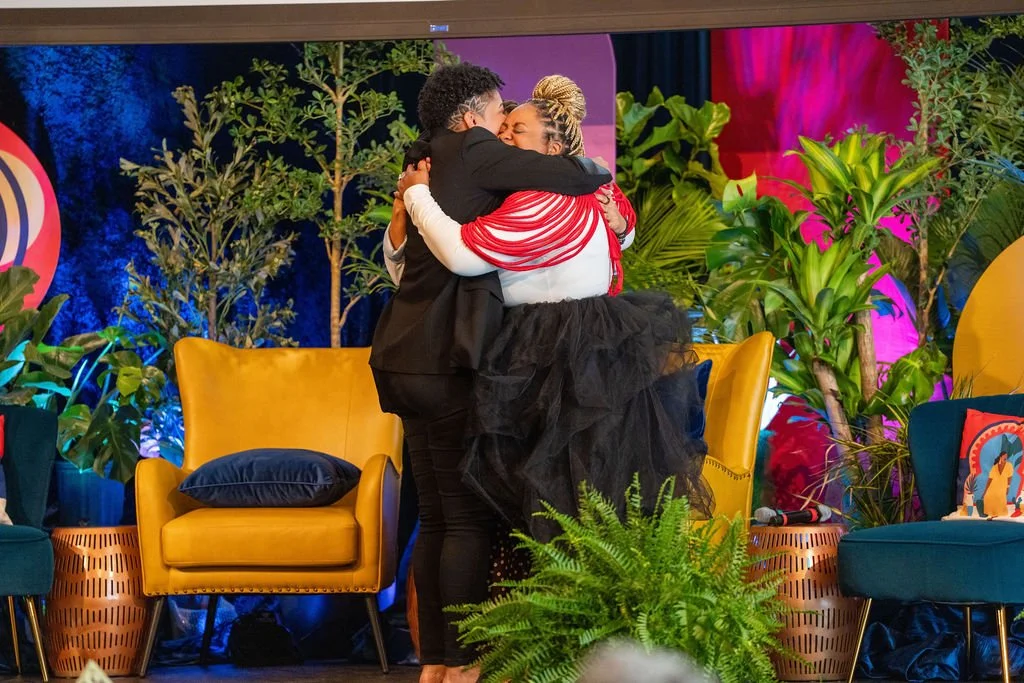
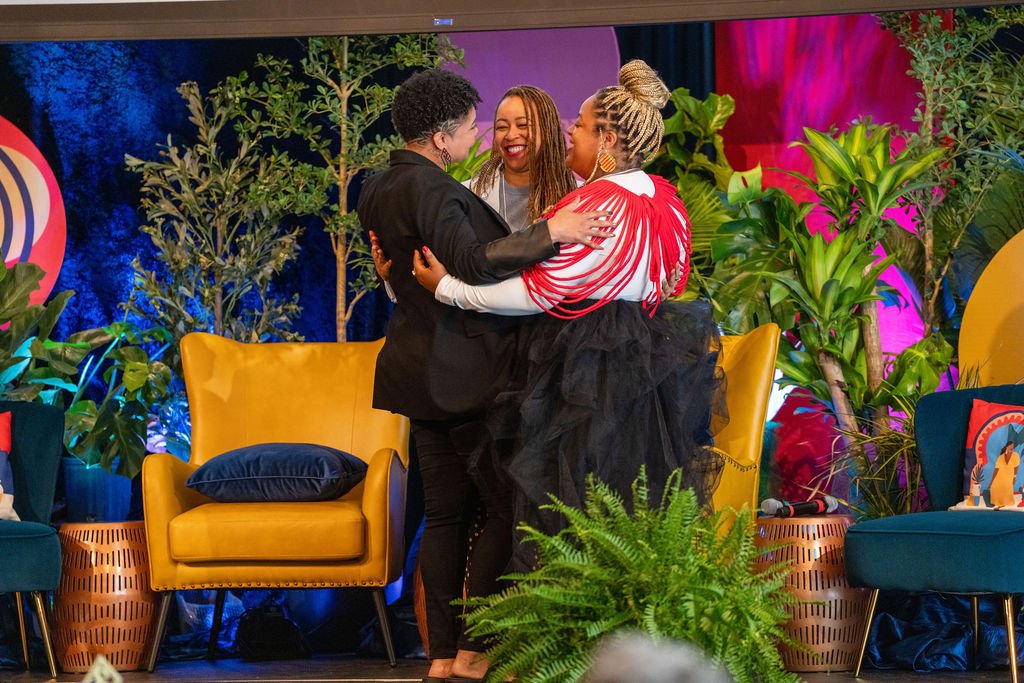
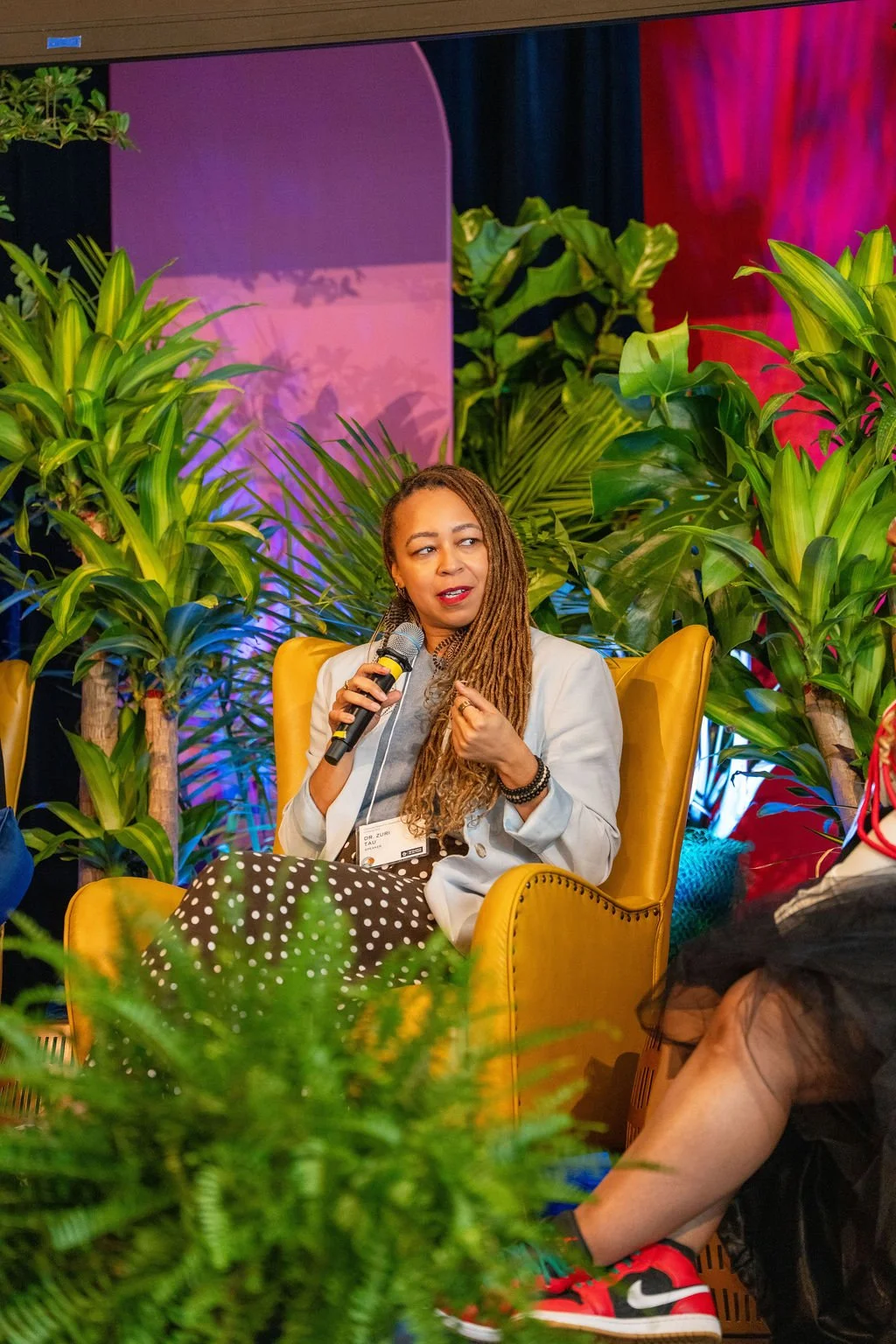
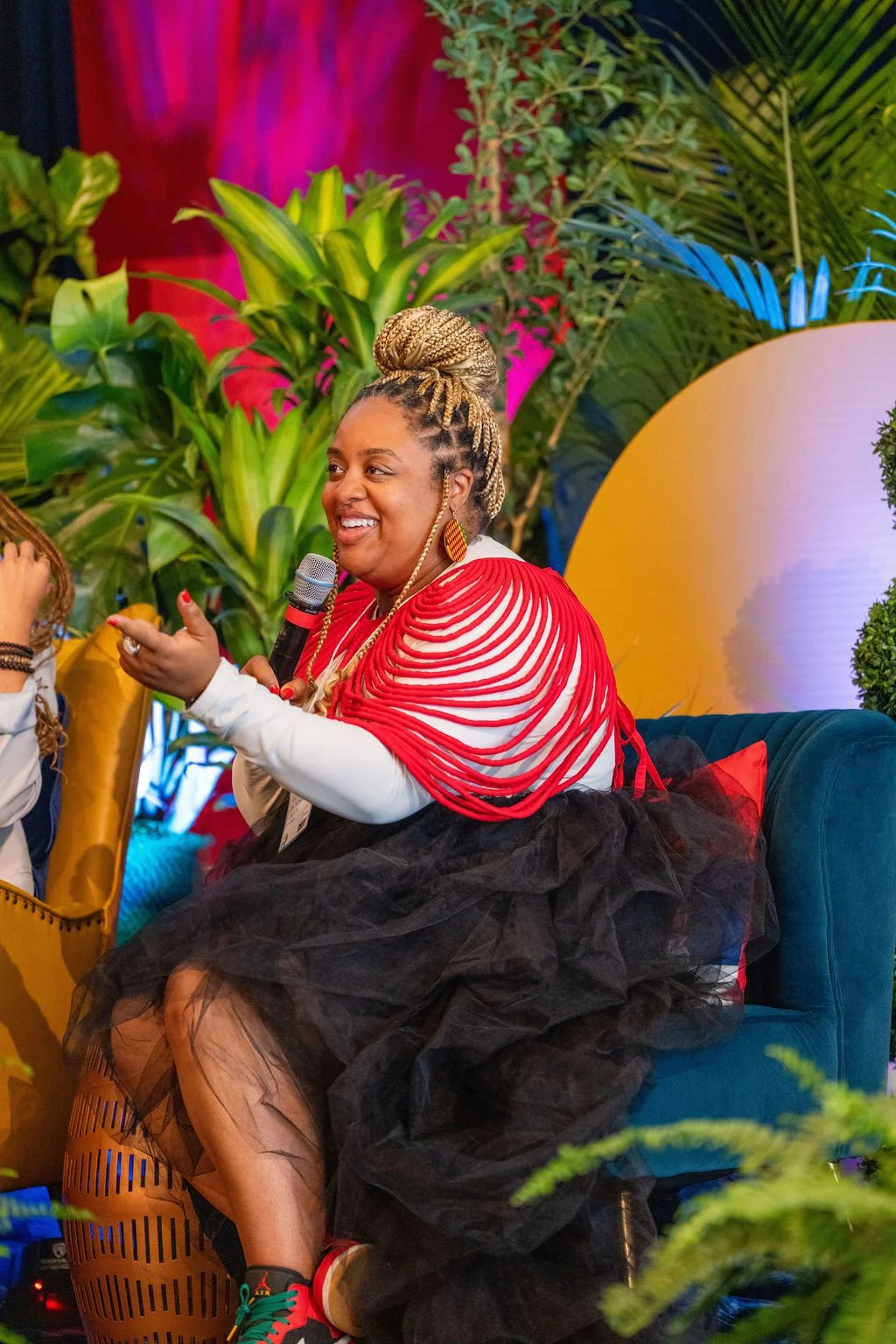
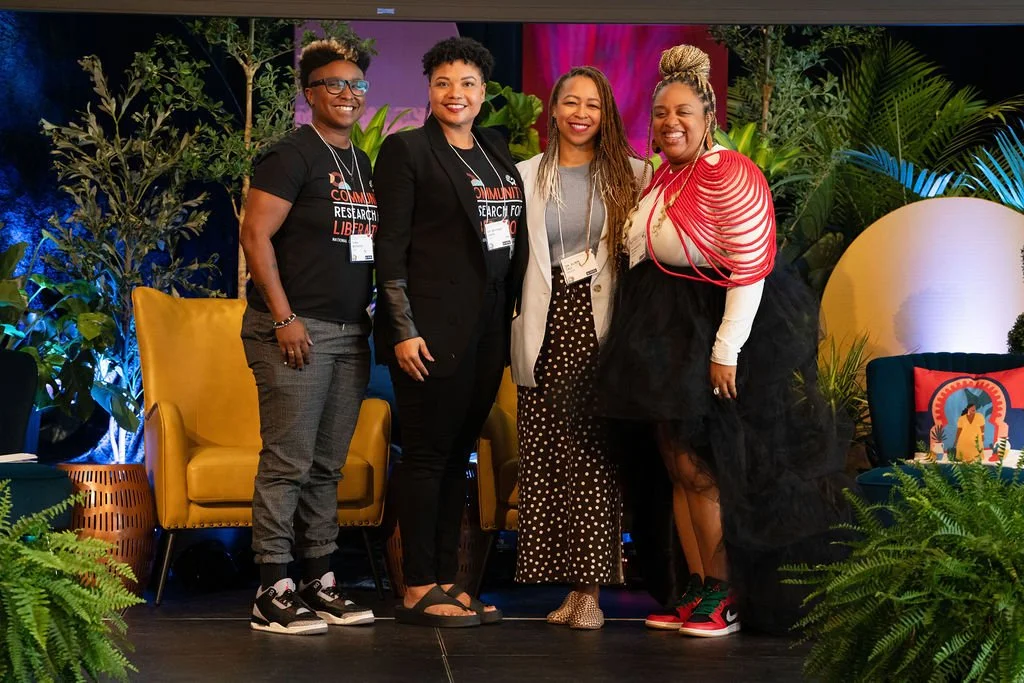
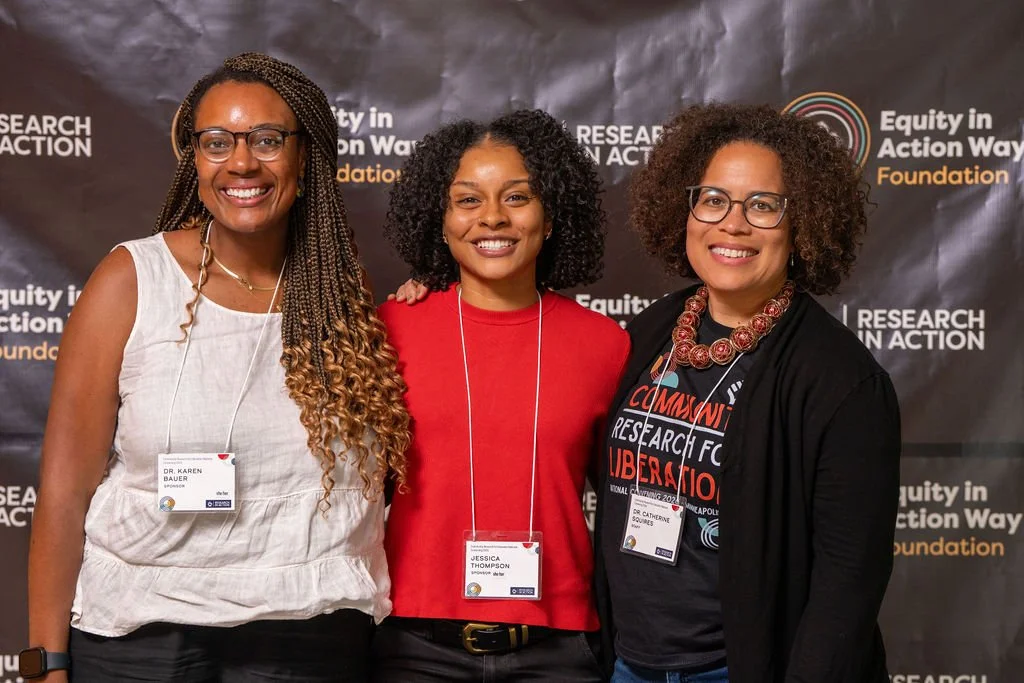
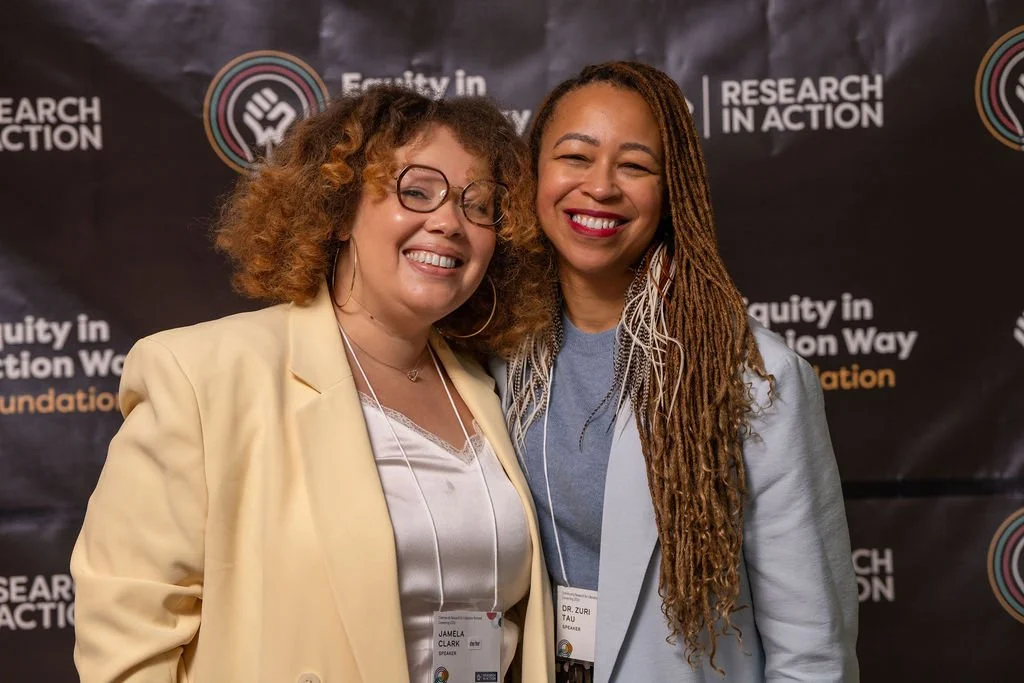
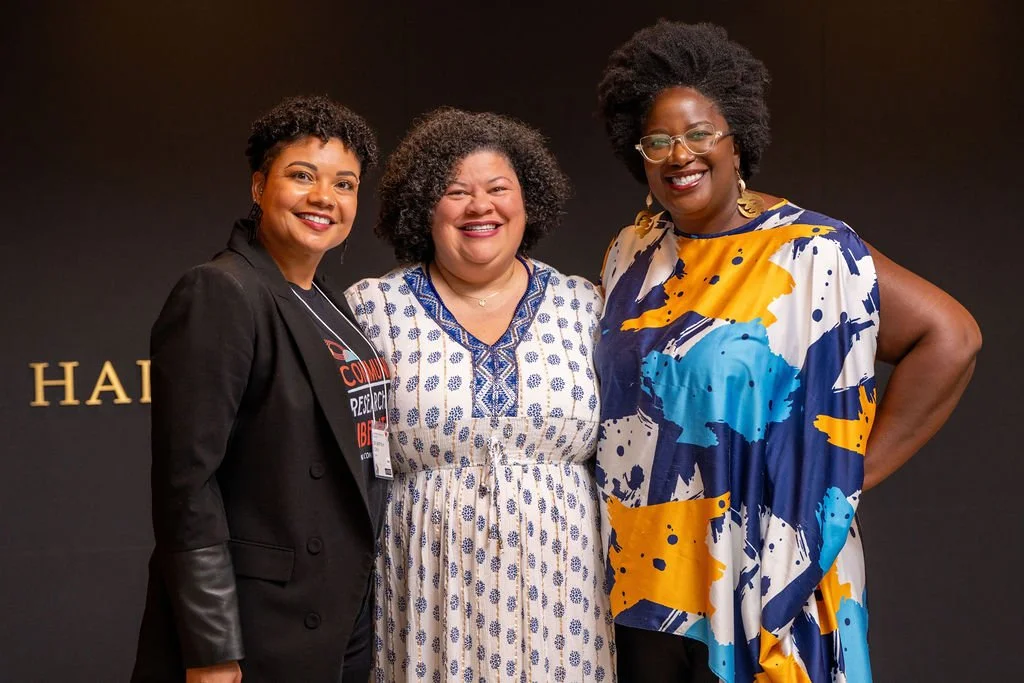
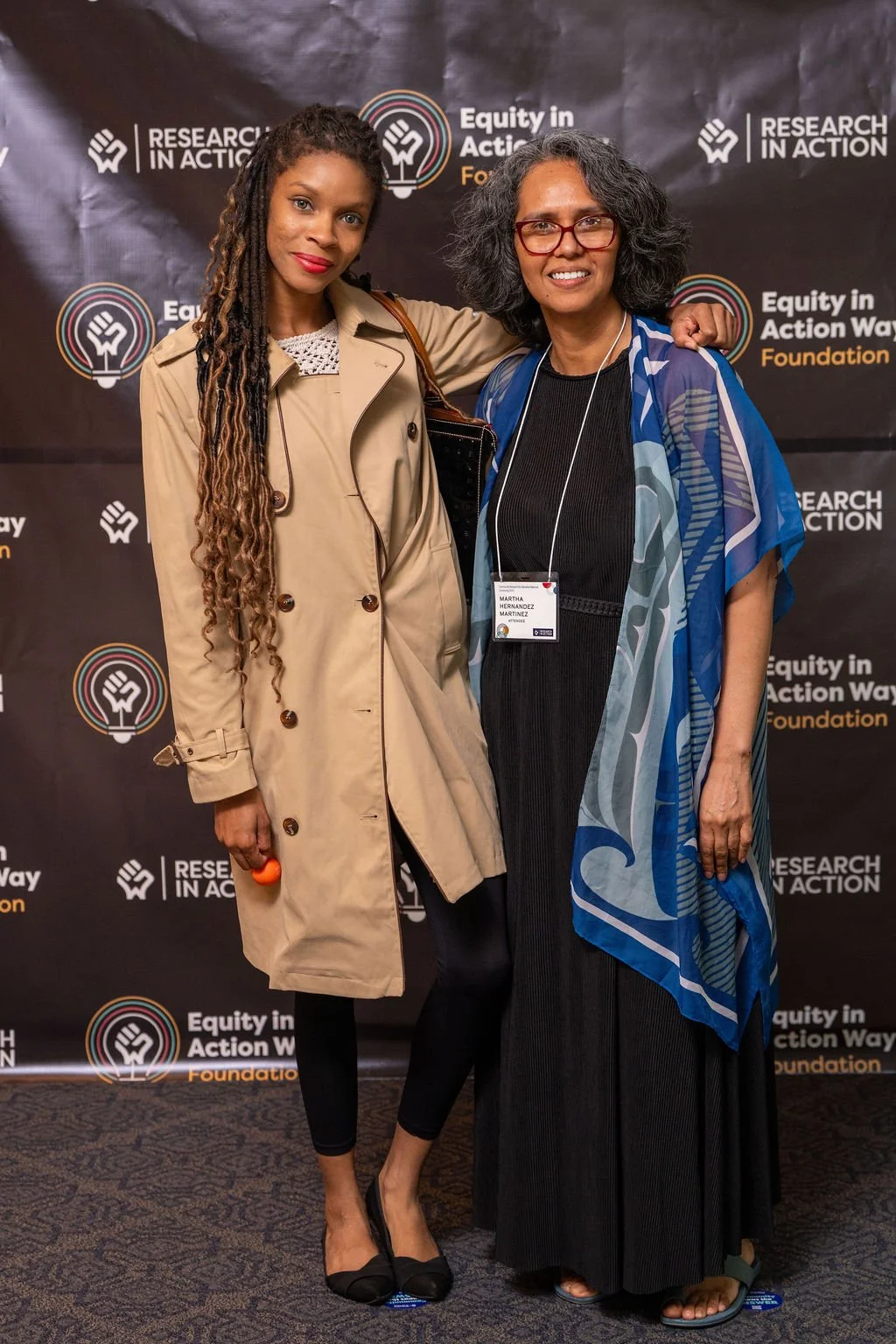
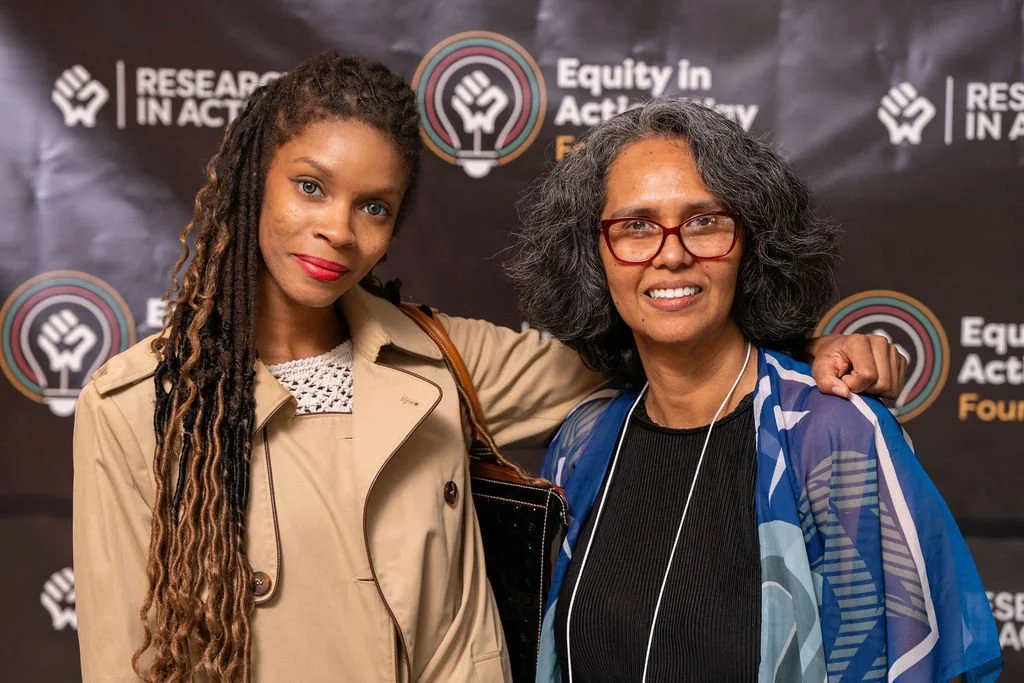
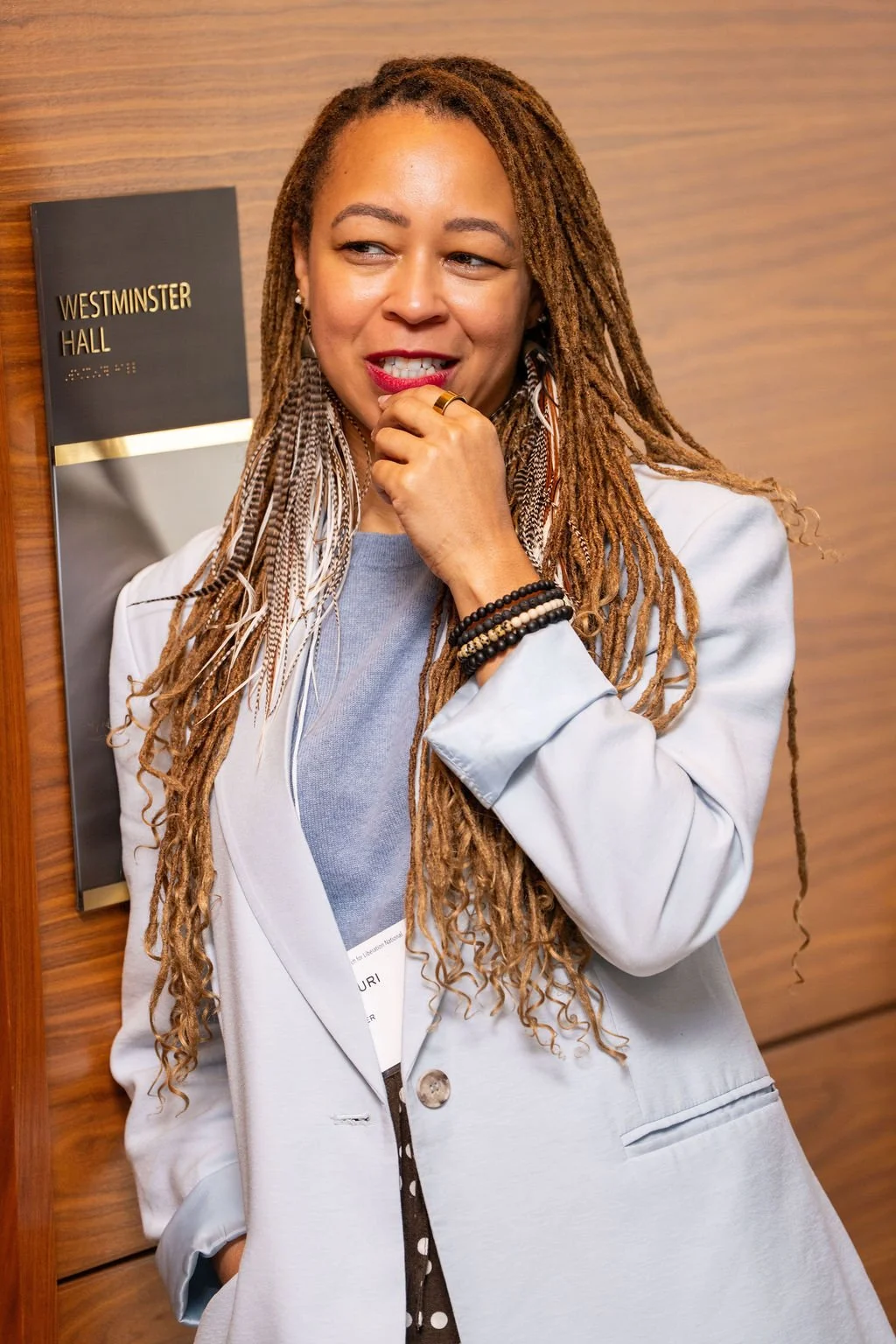
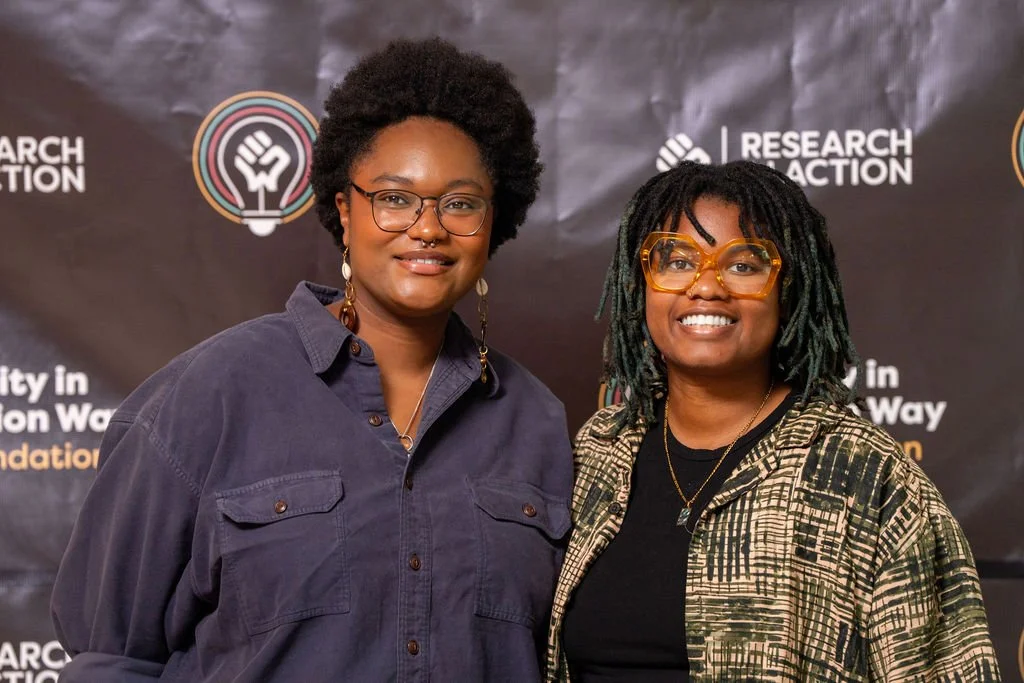
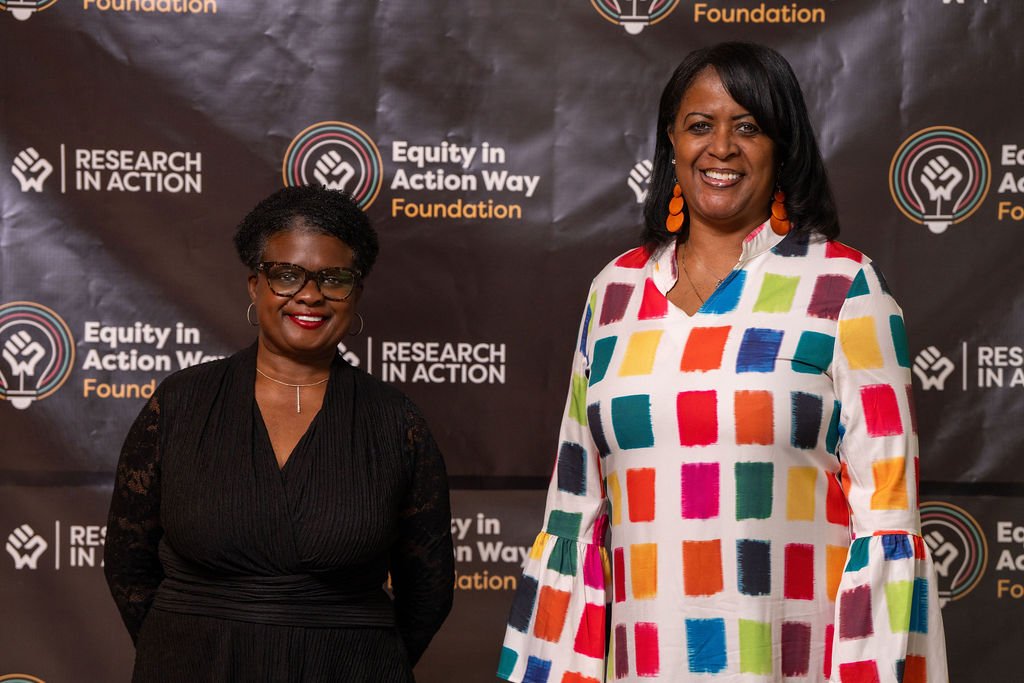
See photos and details from 2026 below — and stay tuned for more details for 2027 soon!
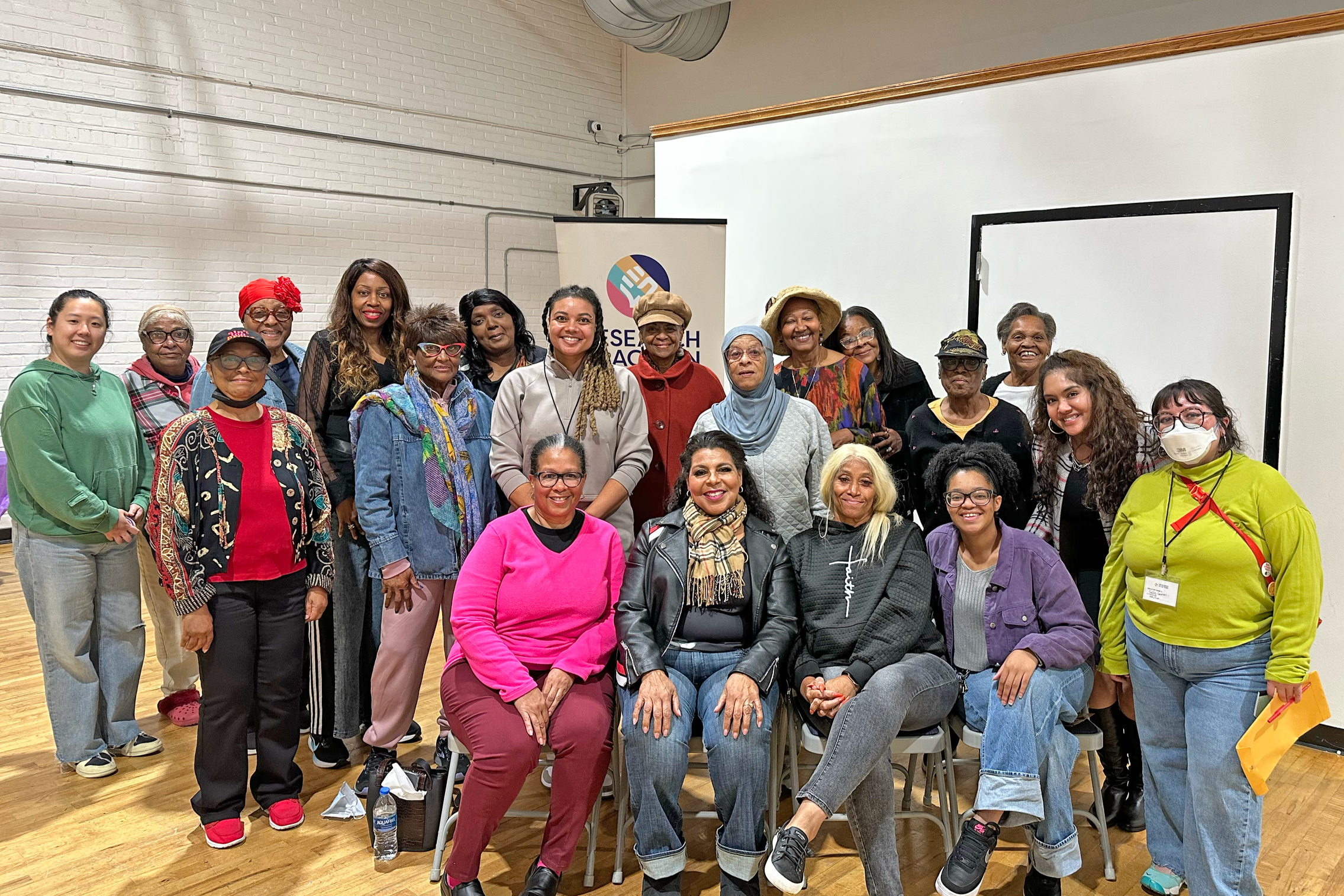
2026 Theme
The convening will honor community wisdom, connect local and regional struggles, and model research as a practice of justice and healing. This year, the proceedings will include the public release of the Justice in Institutions for Black Women, Girls, and Femmes survey findings.
-
This year, the proceedings will include the public release of the Justice in Institutions for Black Women, Girls, and Femmes survey findings — the first statewide survey in the nation to examine how Black women, girls, and femmes across different geographies experience institutions like healthcare, housing, criminal justice, and education.
It will also explore how RIA and partners are working with response participants to help calculate a score for each institution, revealing levels of trust, stress, and support Black women, girls, and femmes experience within different institutions. These scores will become a part of a statewide tool that highlights where institutions are doing well — and where change is urgently needed — to better serve Black women, girls, and femmes. We are partnering with county leaders to pilot how they can use the tool to improve programs and services.
2026 Keynote
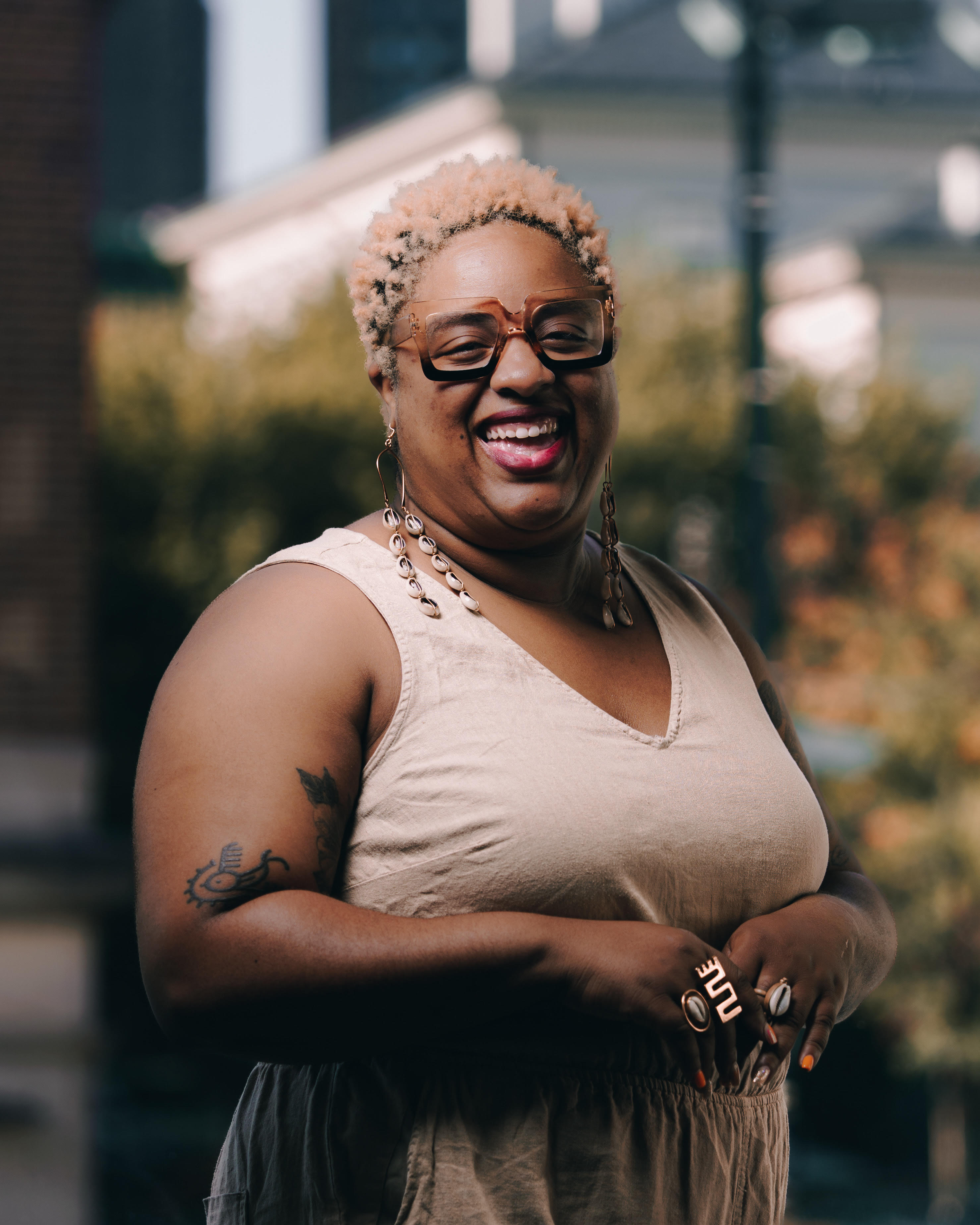
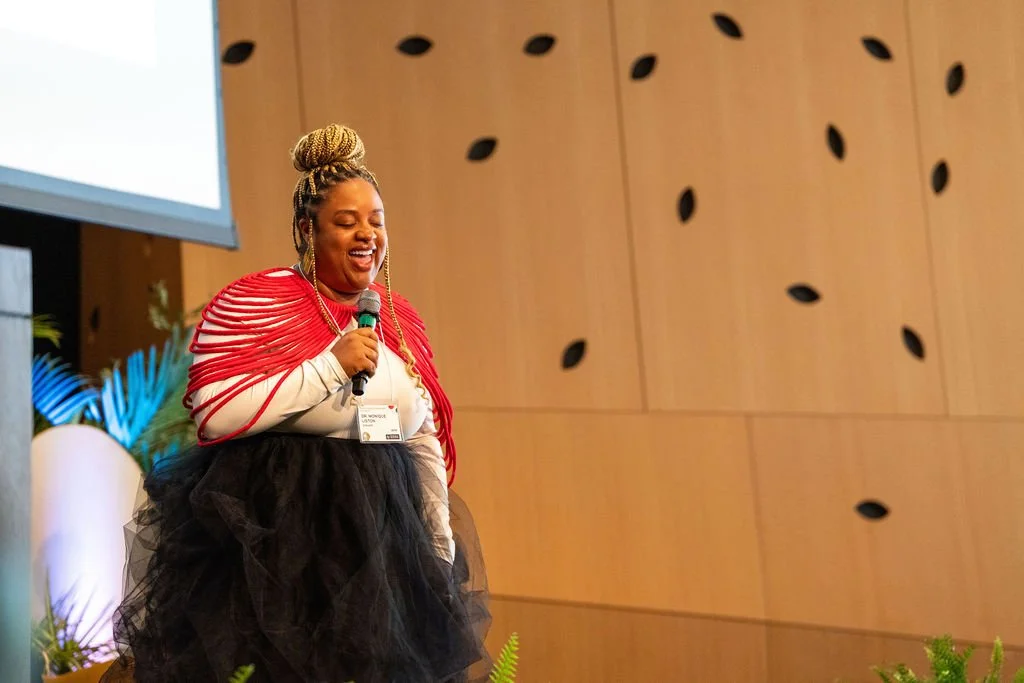
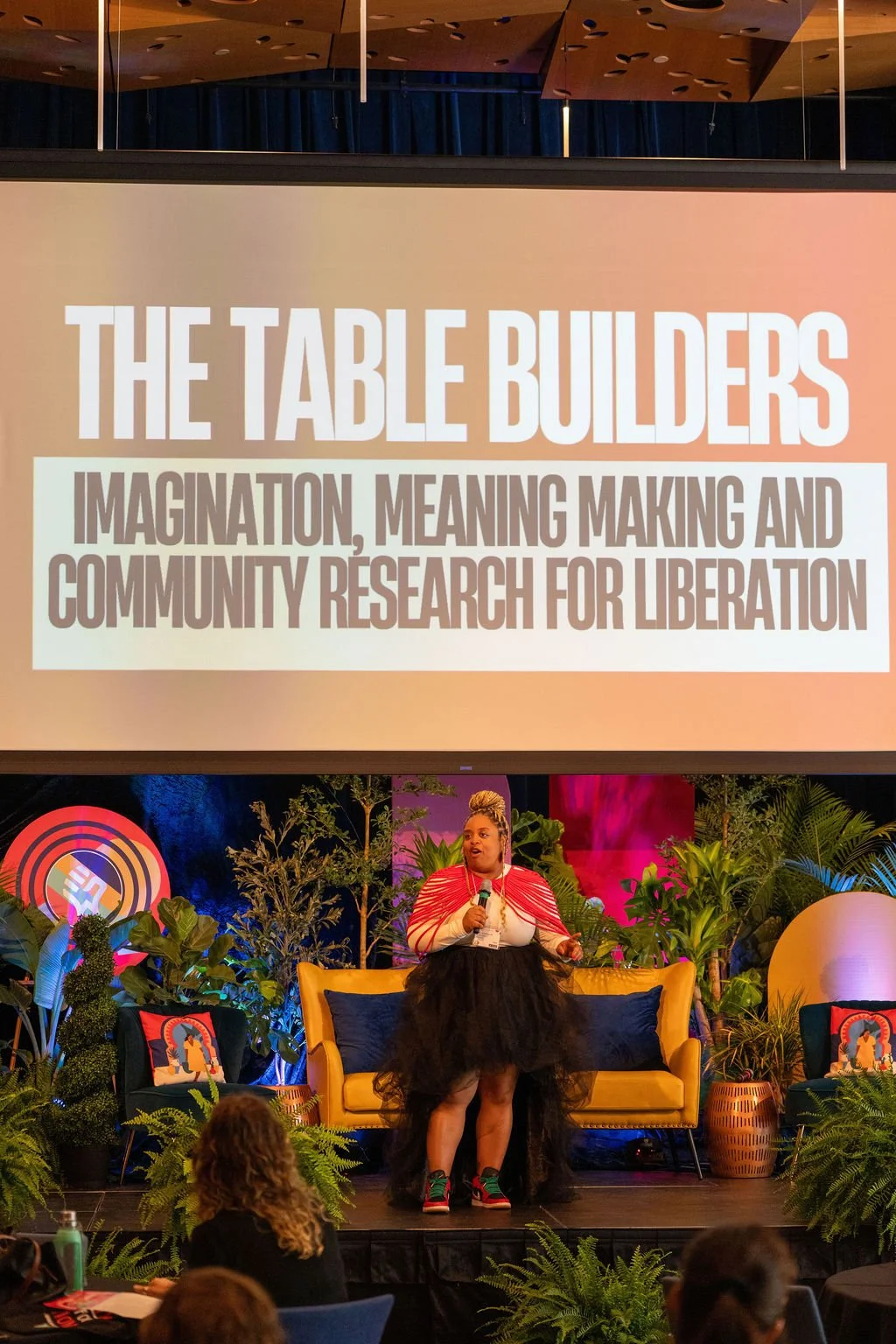
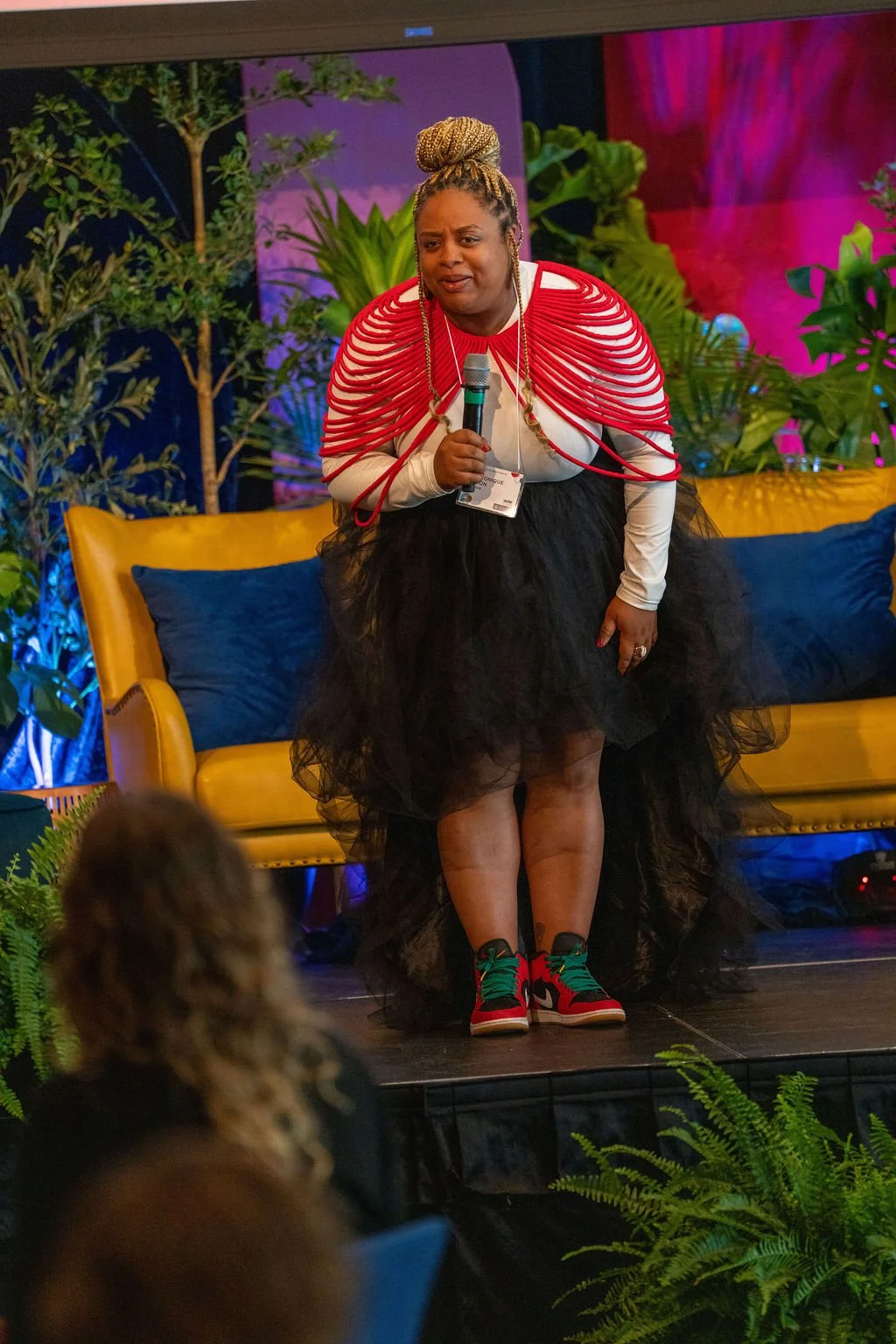
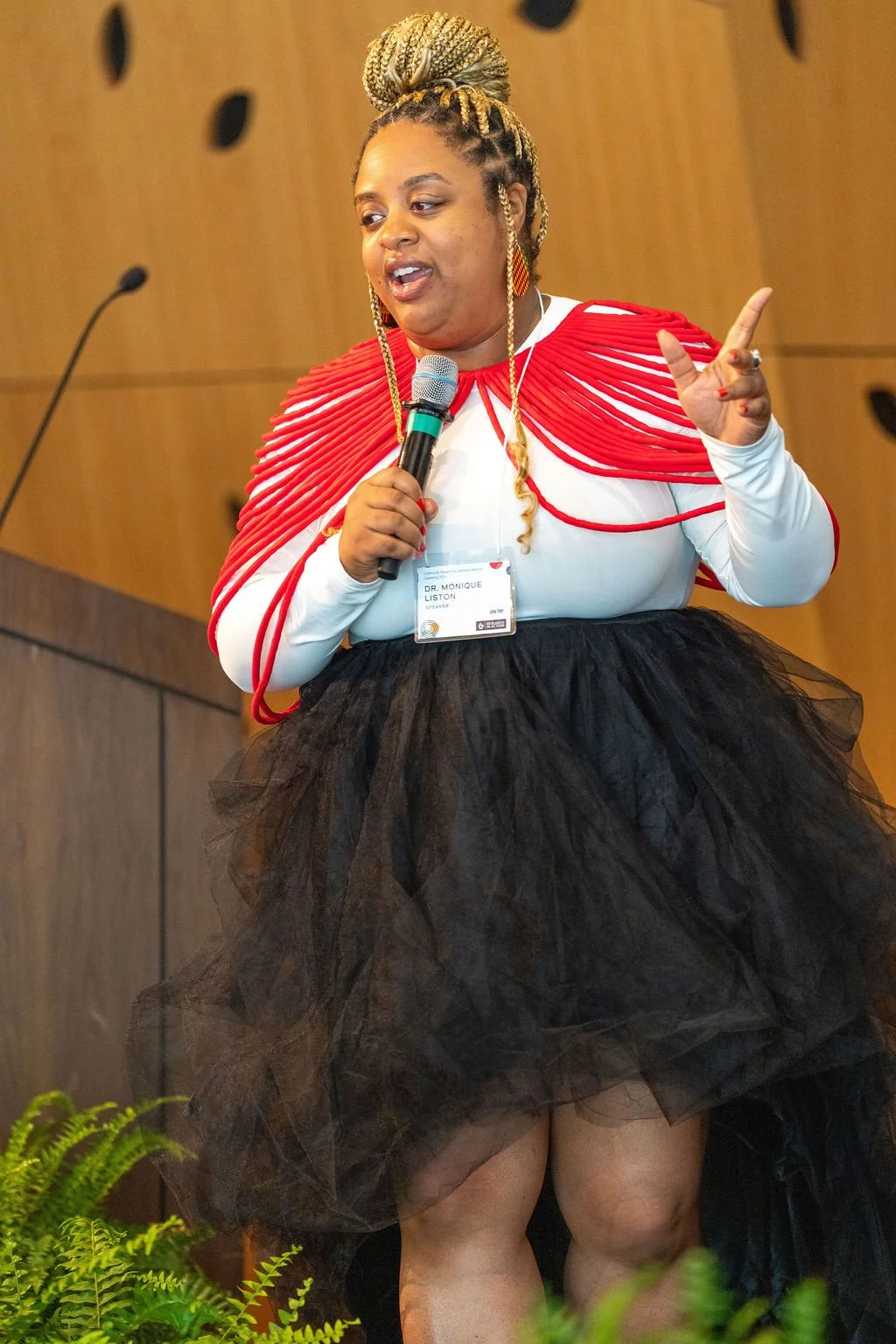
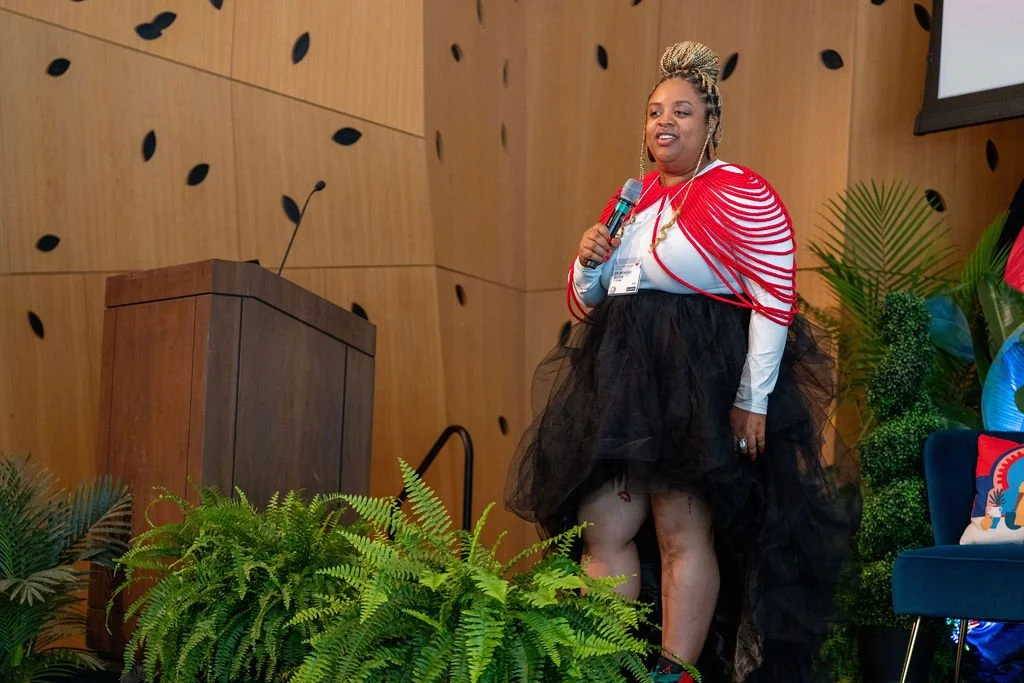
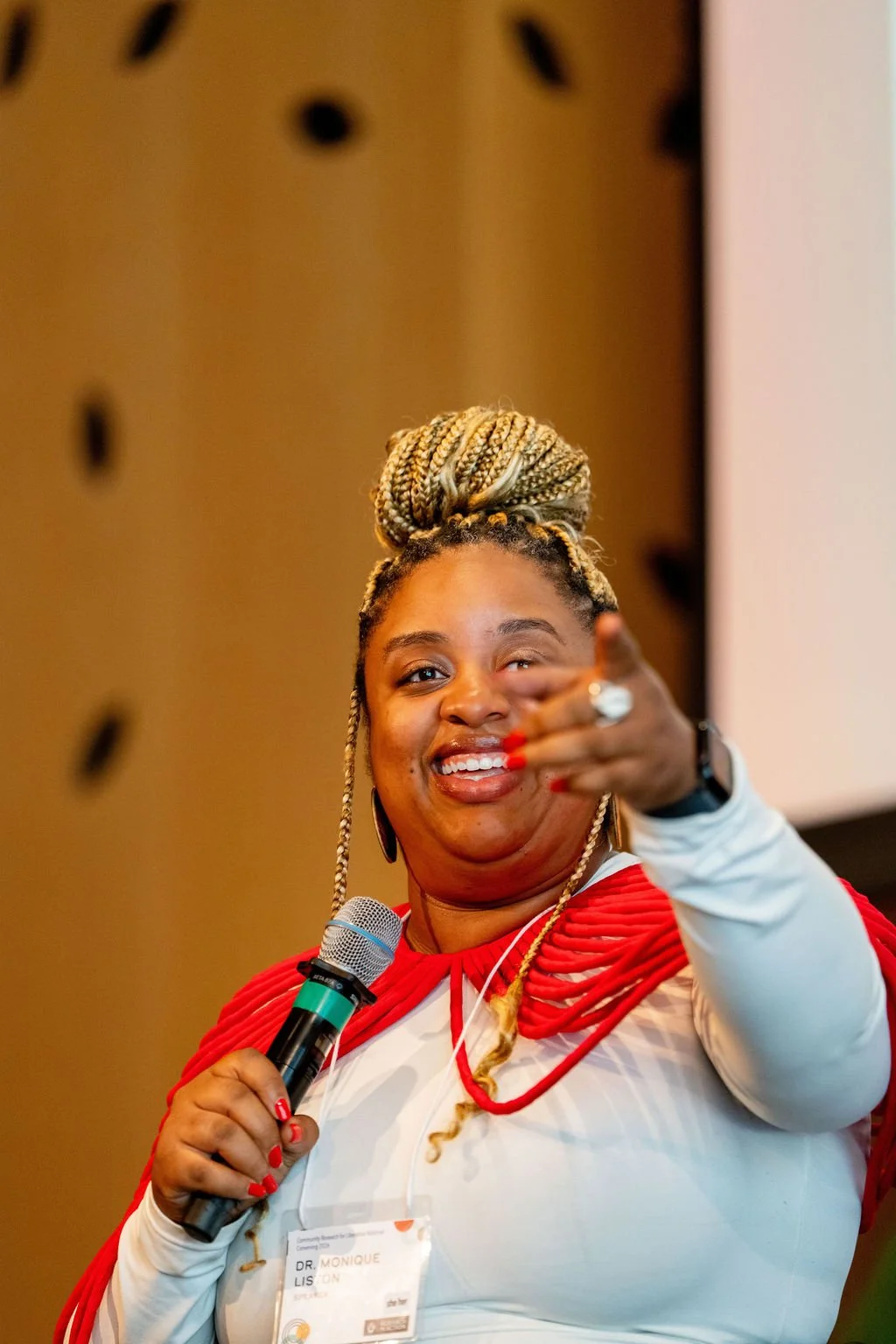
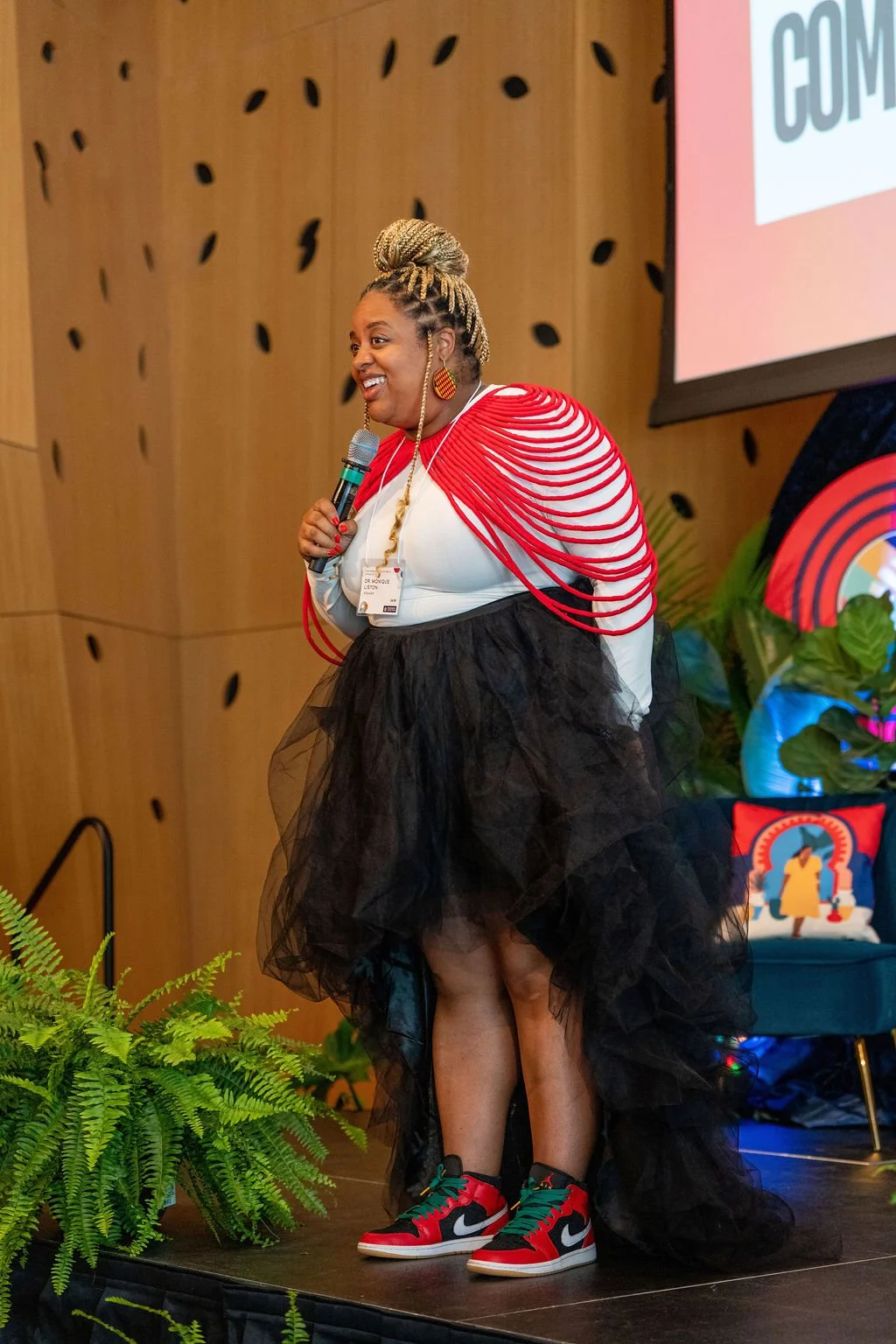
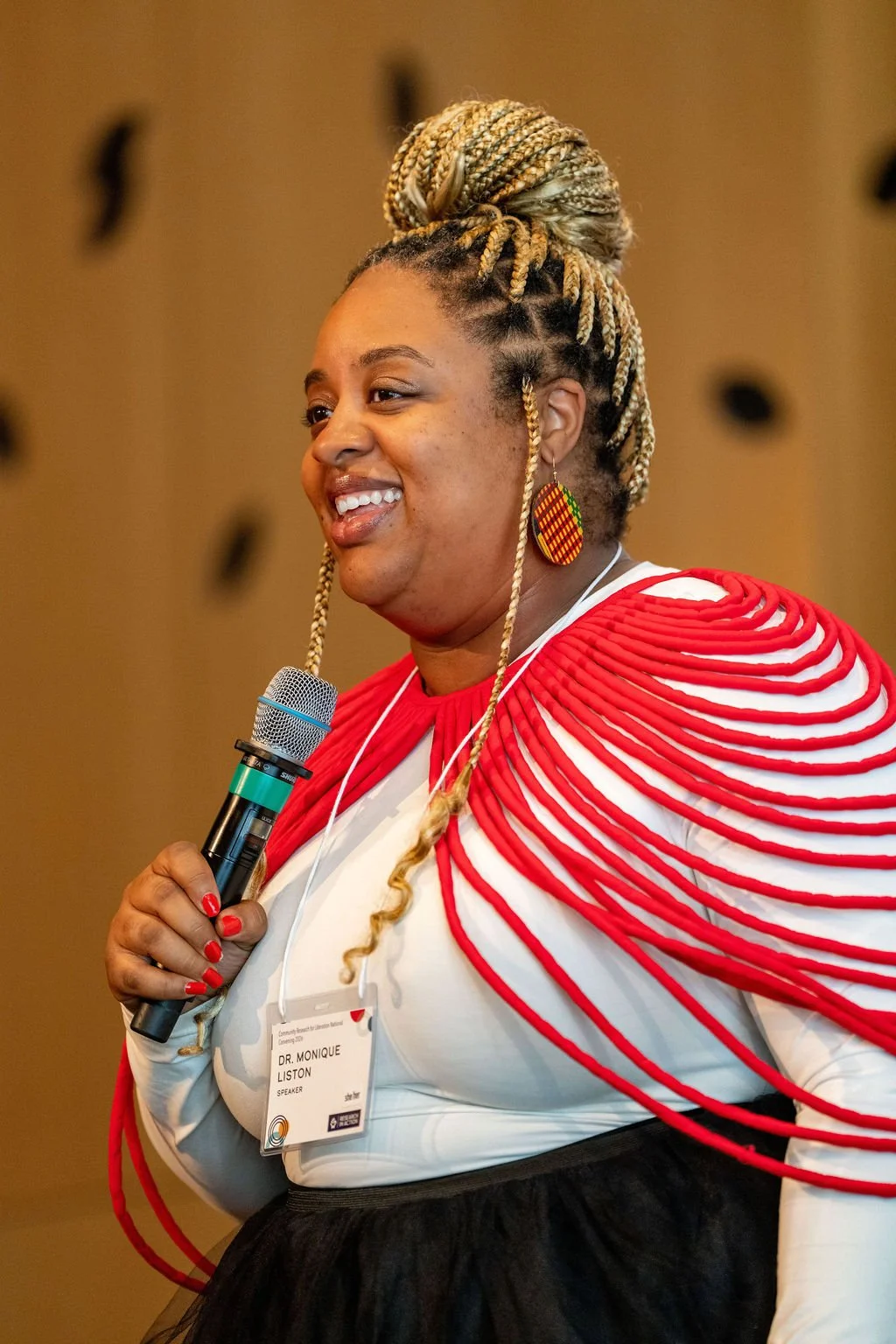
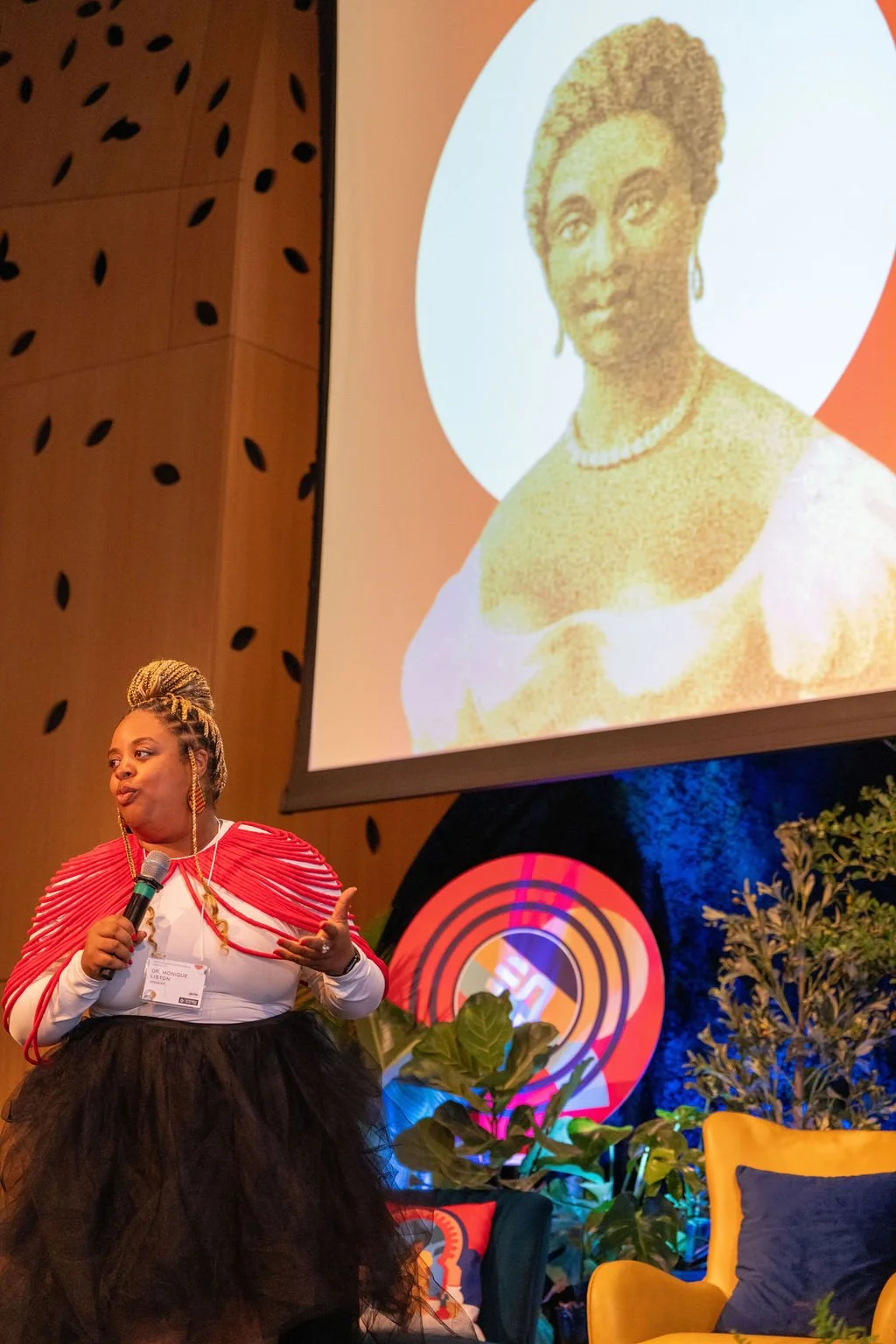
What happens when Black identity is loved, protected, and defended as we collectively learn about process and change in organizations and programs? Hear from Dr. Monique Liston, the Founder, Chief Strategist, and Joyful Militant of UBUNTU Research and Evaluation.
-
What happens when Black identity—particularly the lives of Black women, girls, and femmes—is loved, protected, and defended as we collectively learn about process and change in organizations and programs? This is the question Dr. Monique Liston has built a community-engaged, intellectual, and regenerative life practice around.
She is the Founder, Chief Strategist, and Joyful Militant of UBUNTU Research and Evaluation, an undisciplined learning organization and recipient of the Milwaukee Business Journal’s Diversity in Business Award. She also serves as Executive Director of The Leadership Undercommons, advancing dignity-centered learning and leadership rooted in the lived realities of Black women, girls, and femmes.
A sought-after facilitator, speaker, evaluator, collaborator, and good-time haver, Dr. Liston went to school for many years and is most proud to be an alum of Howard University. Her honors include 2025 Milwaukee Business Journal 40 Under 40, Public Allies’ first and only honorary alum, and HBCU Alumni United Milwaukee Alumni of the Year. Though not a self-identified poet, she published FRACTALS in 2025.
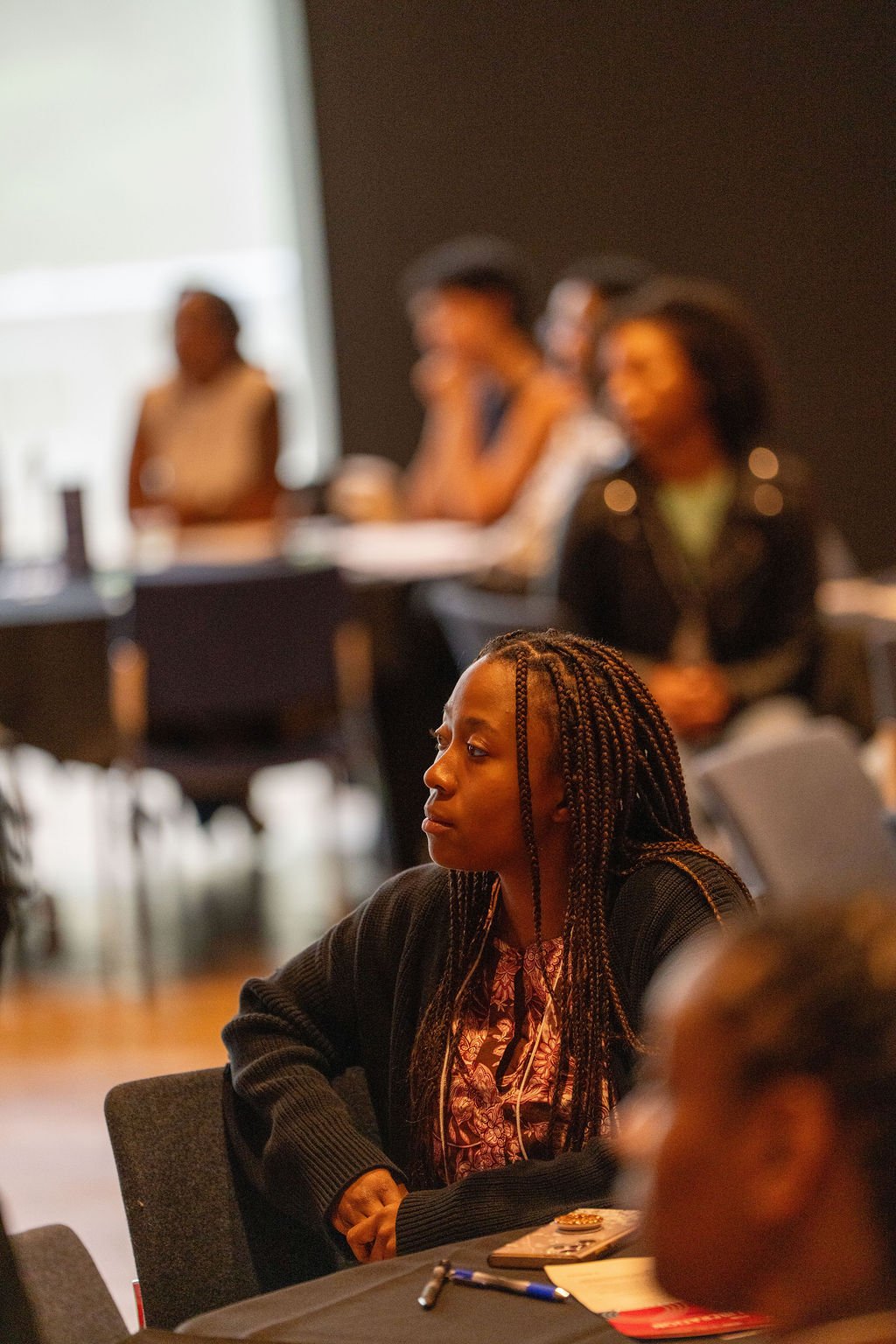
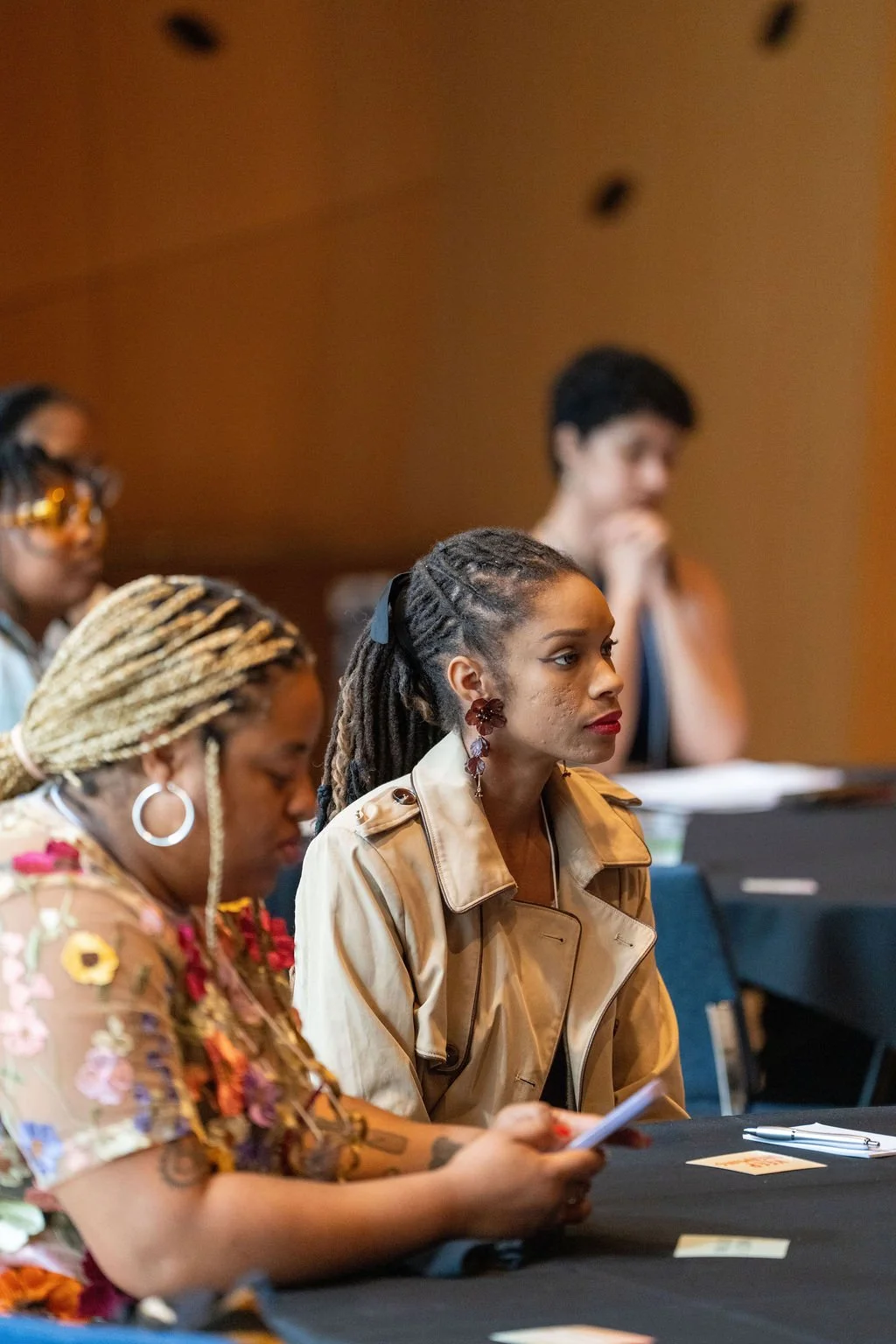
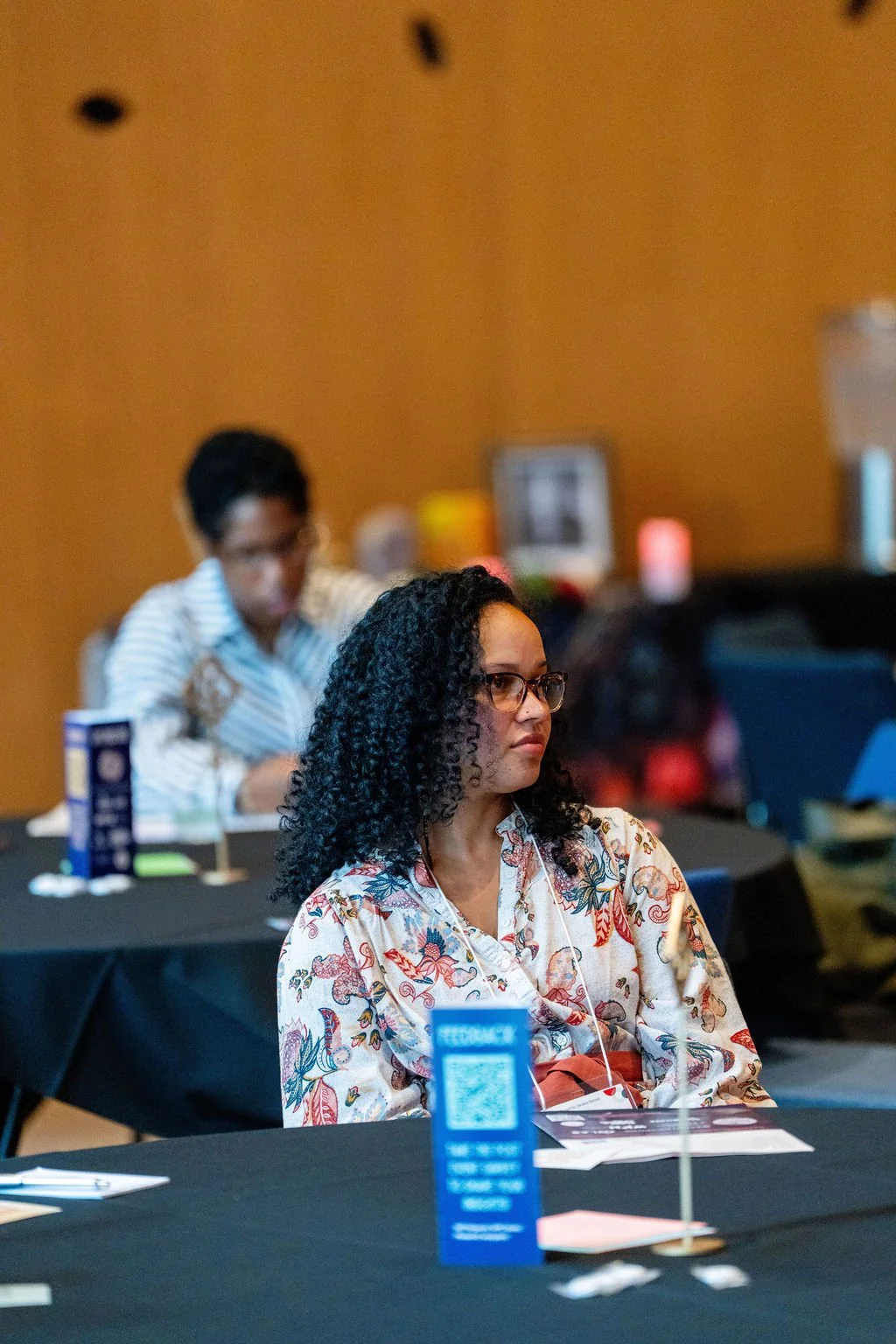
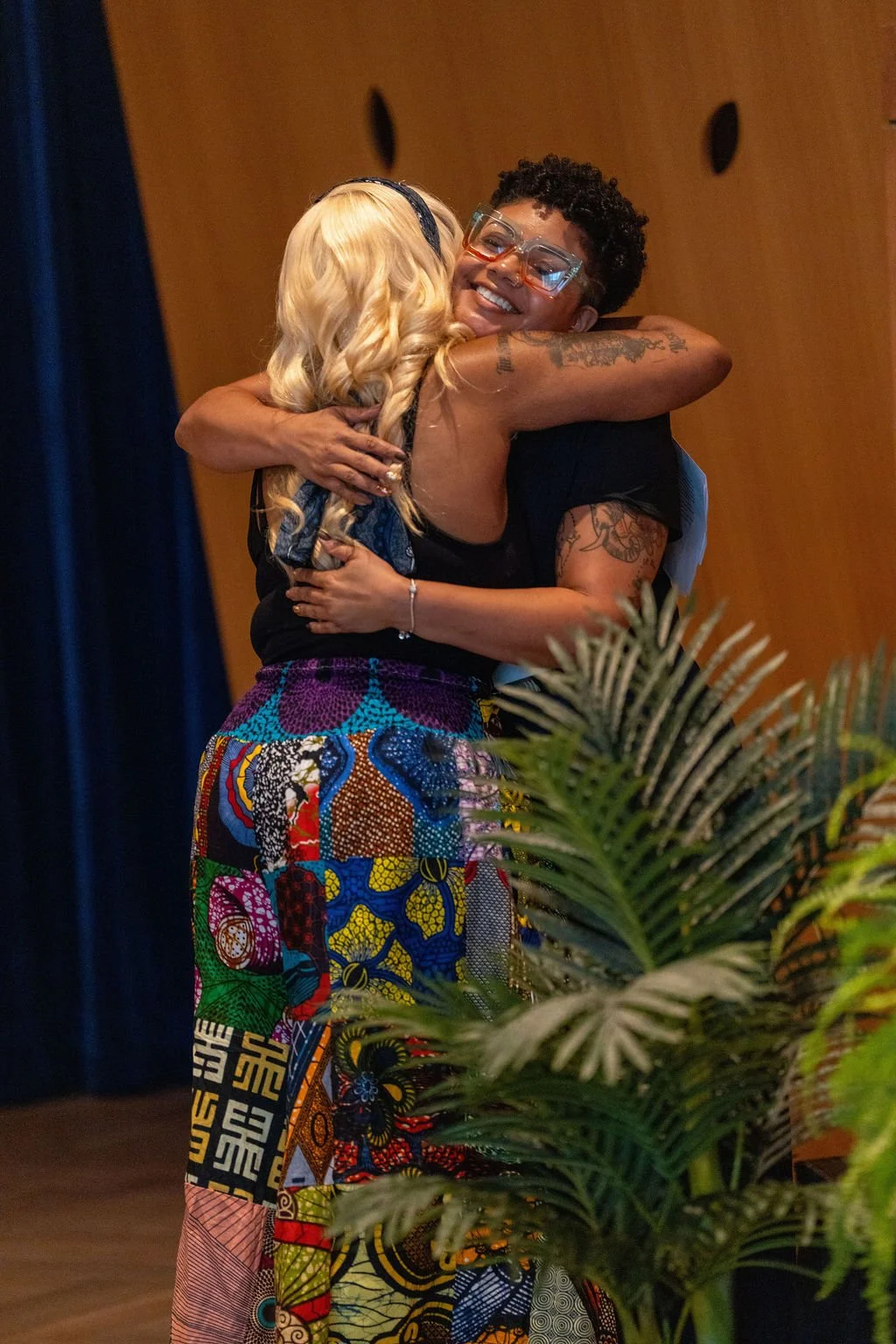
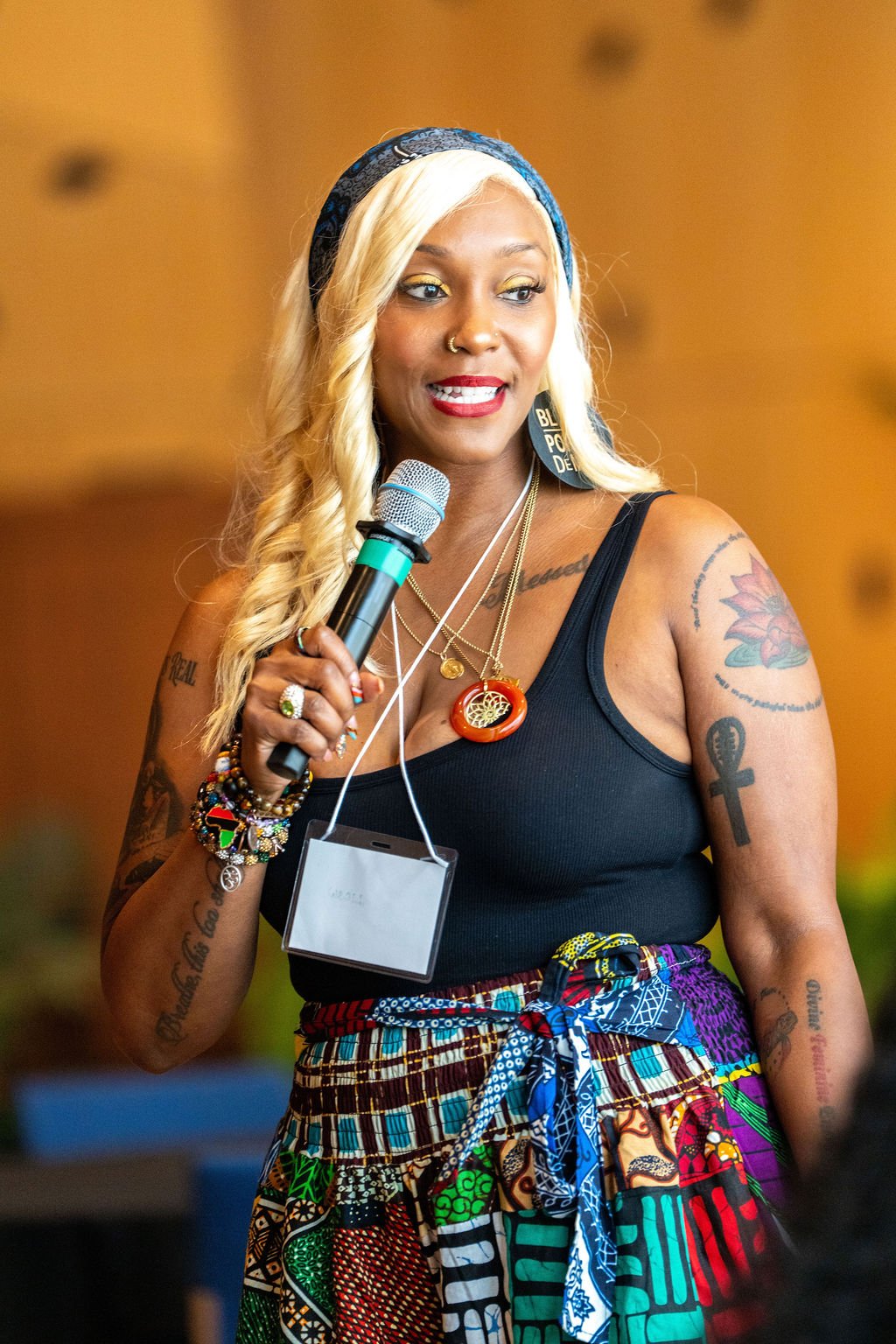
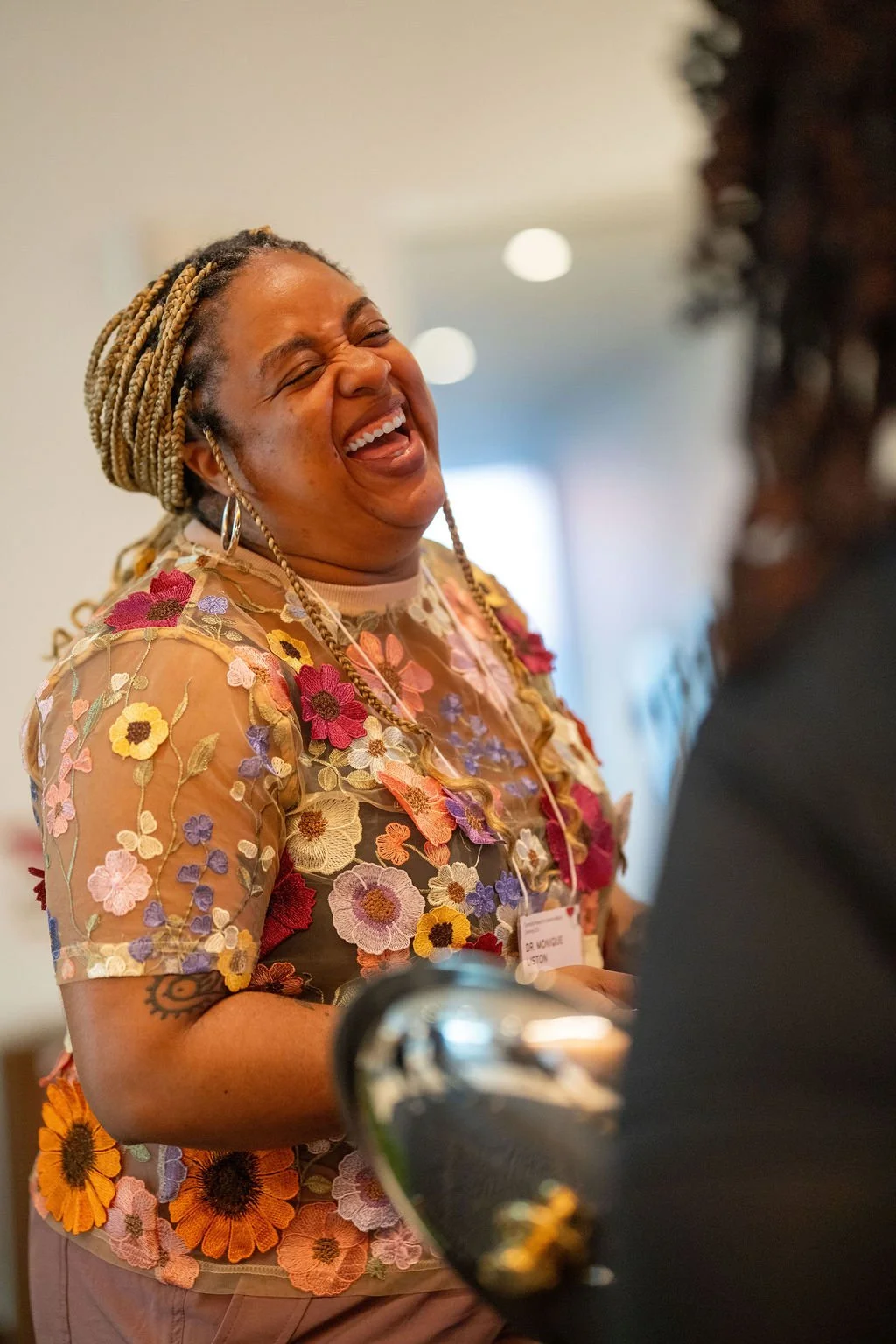
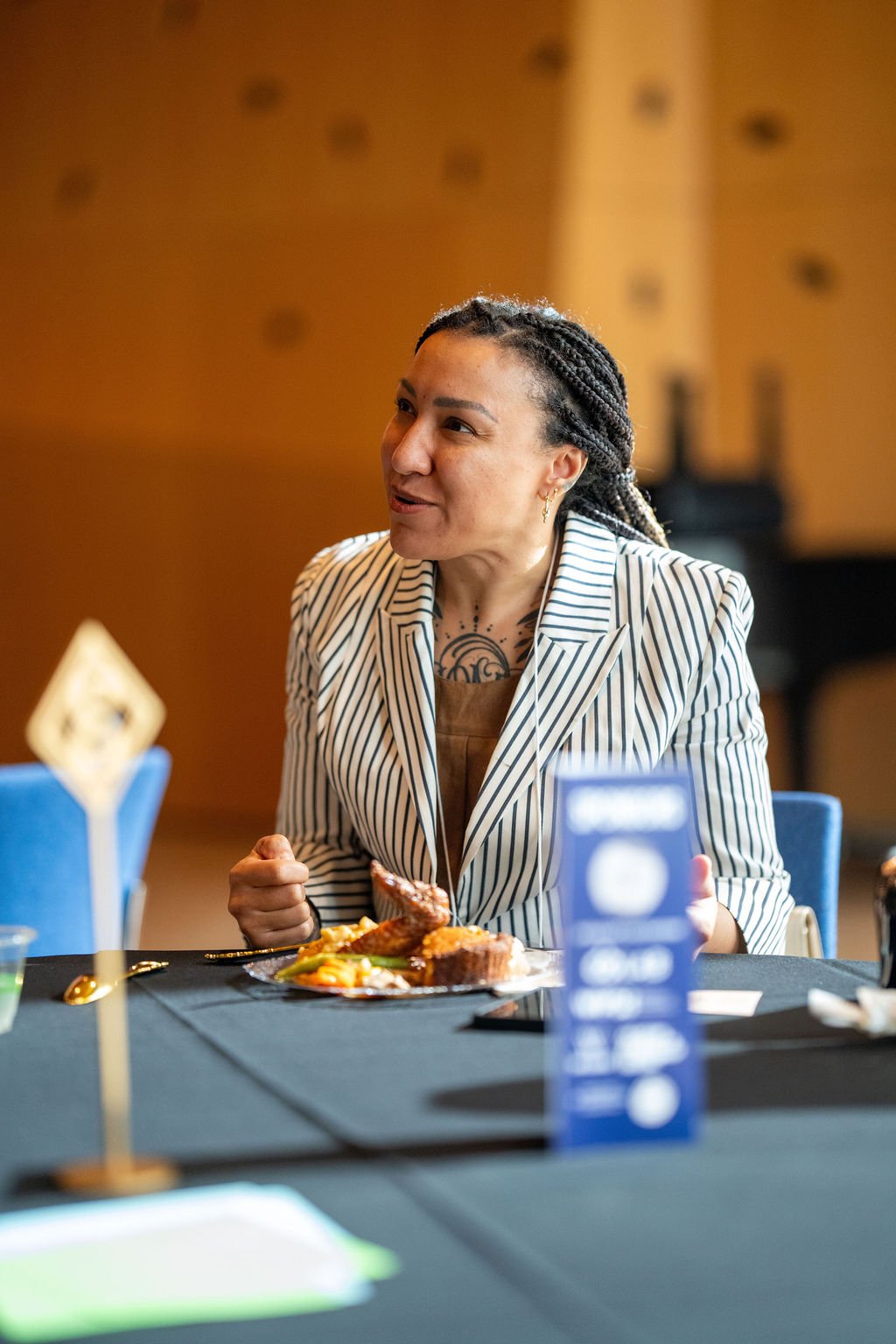
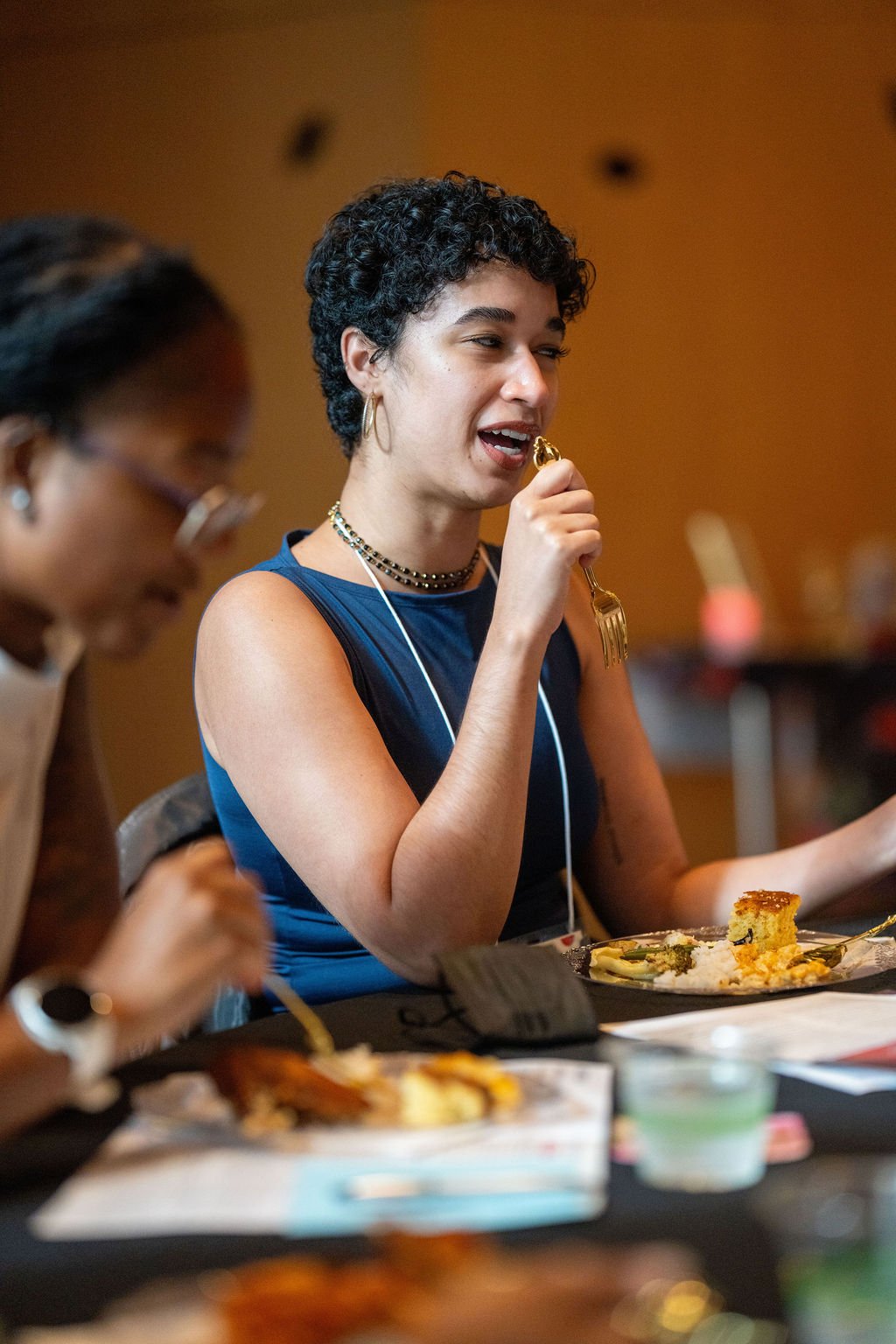
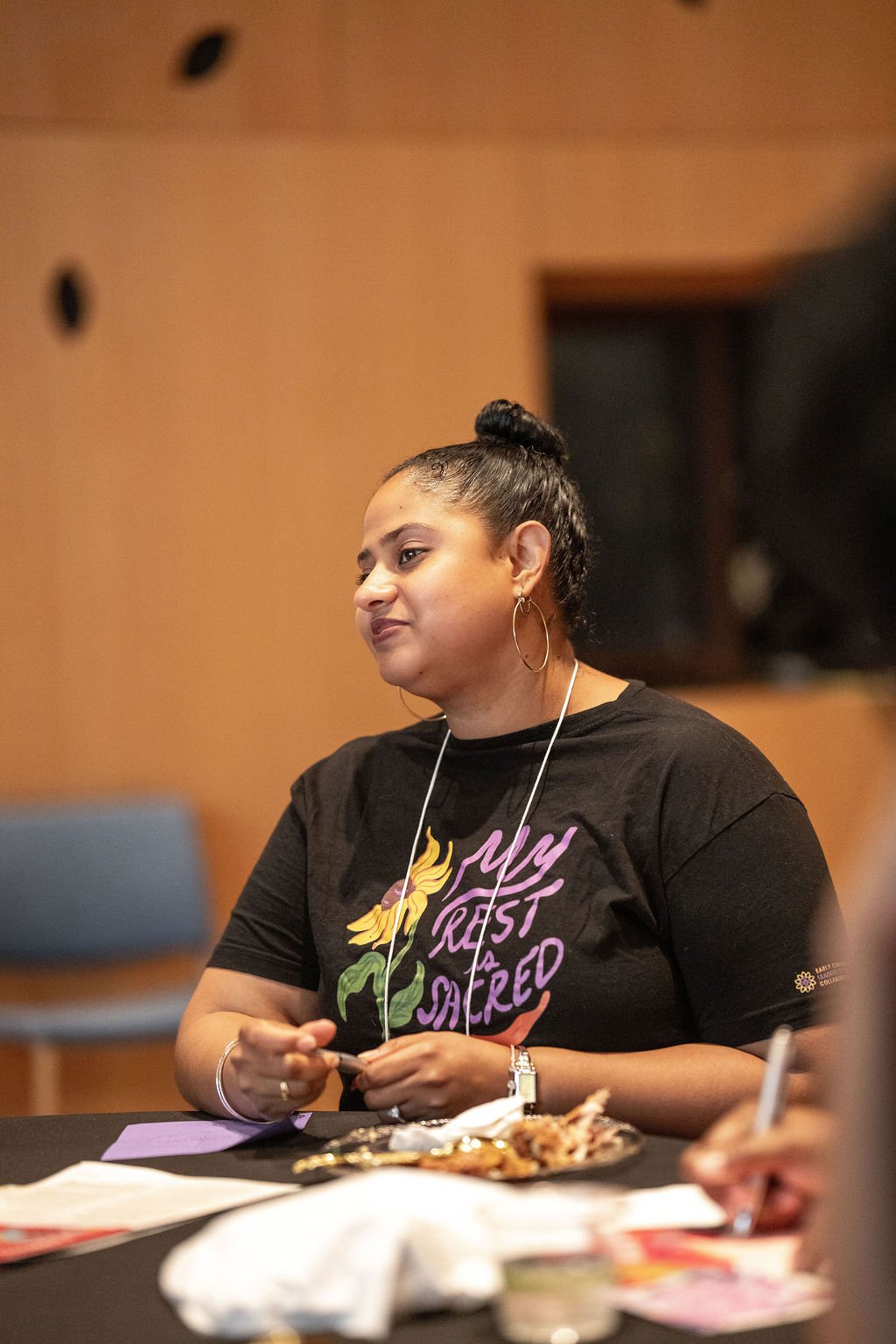
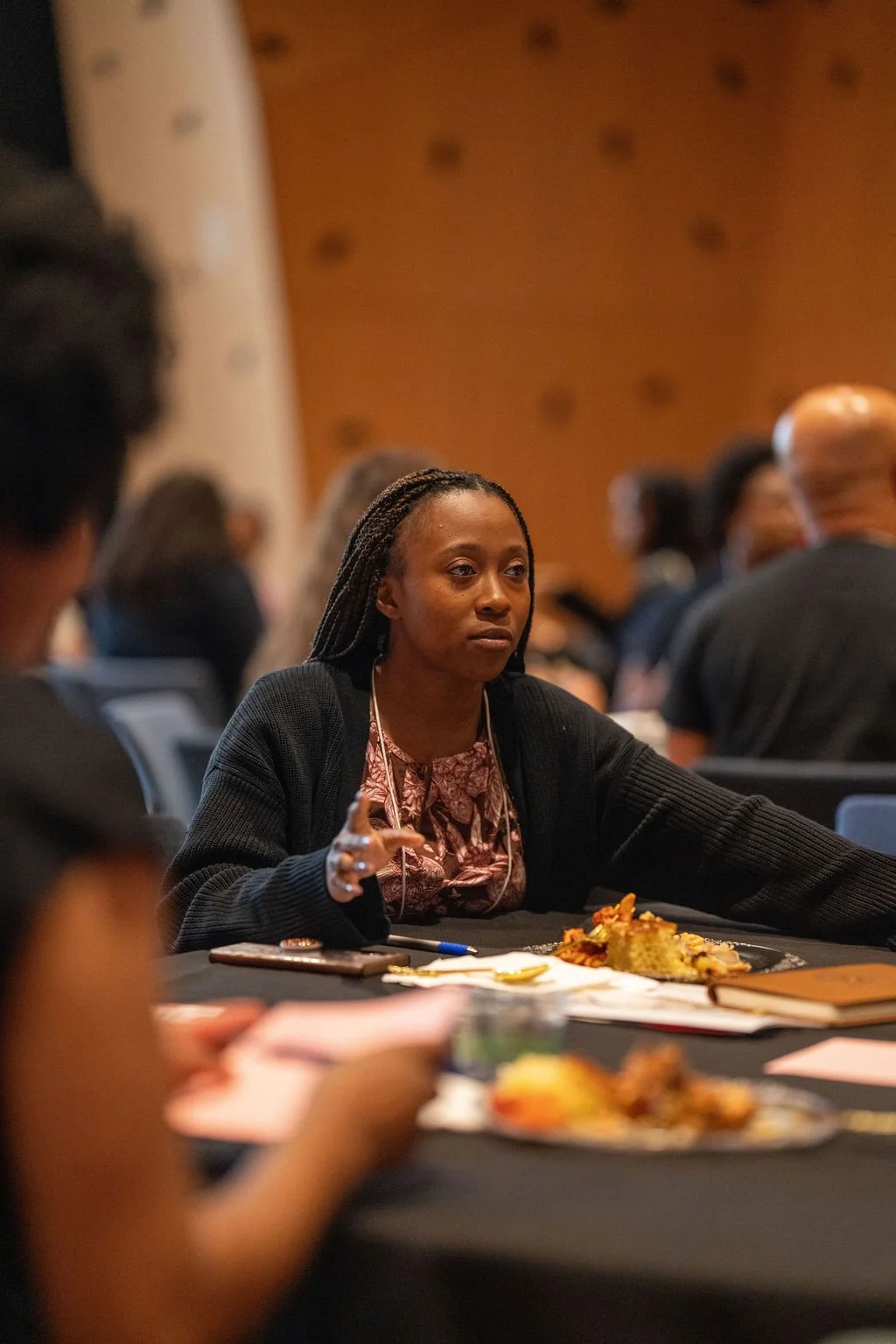
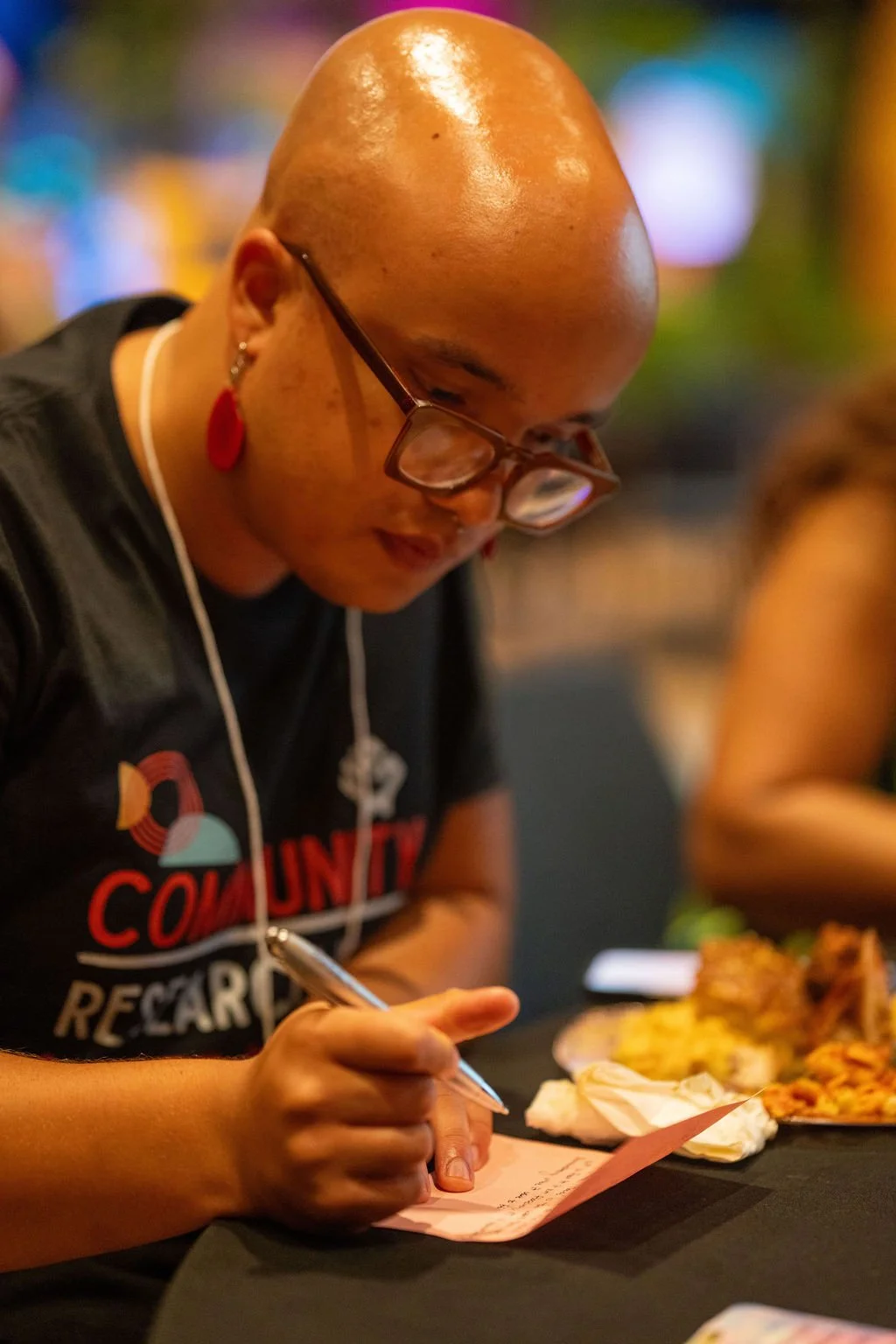
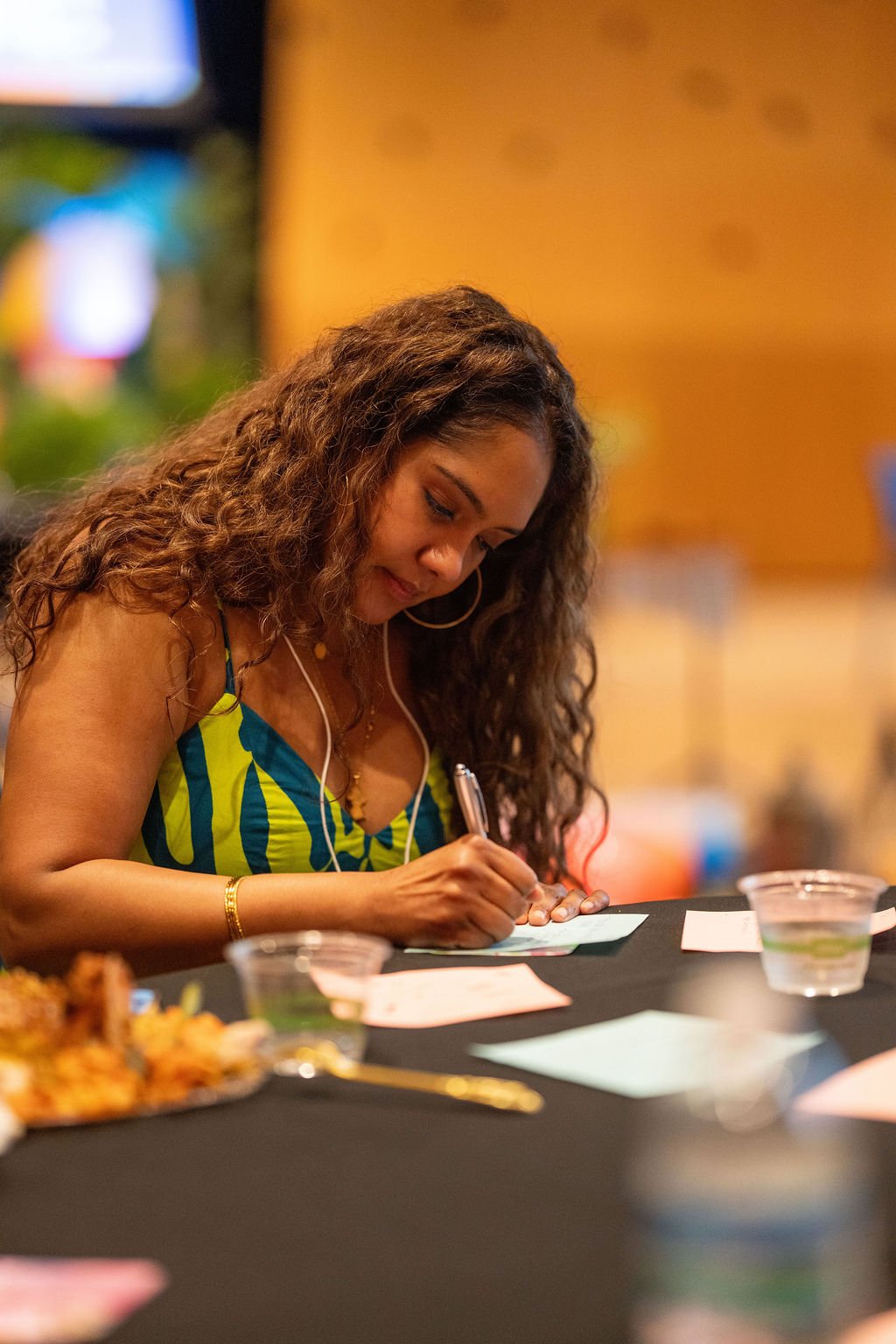
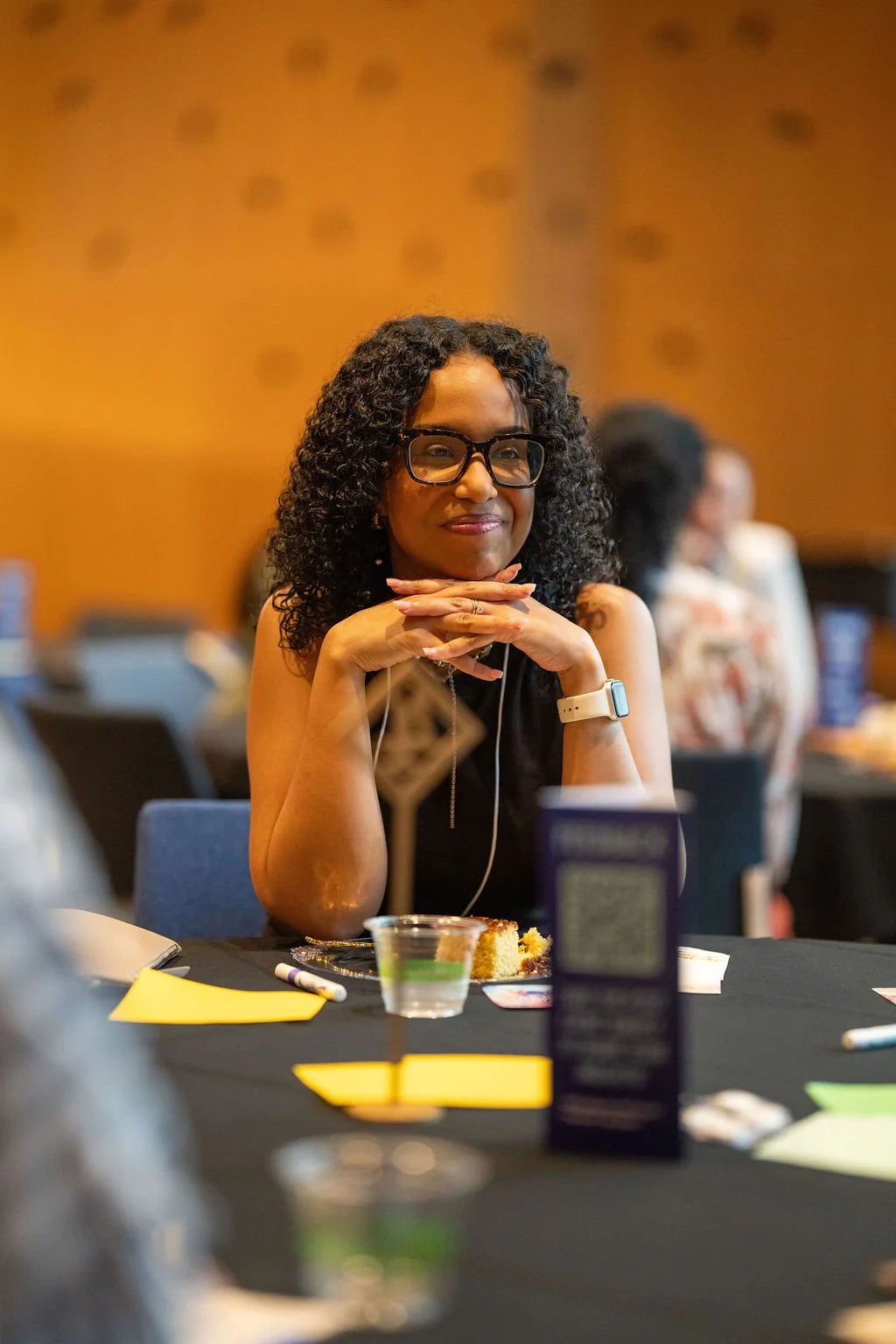
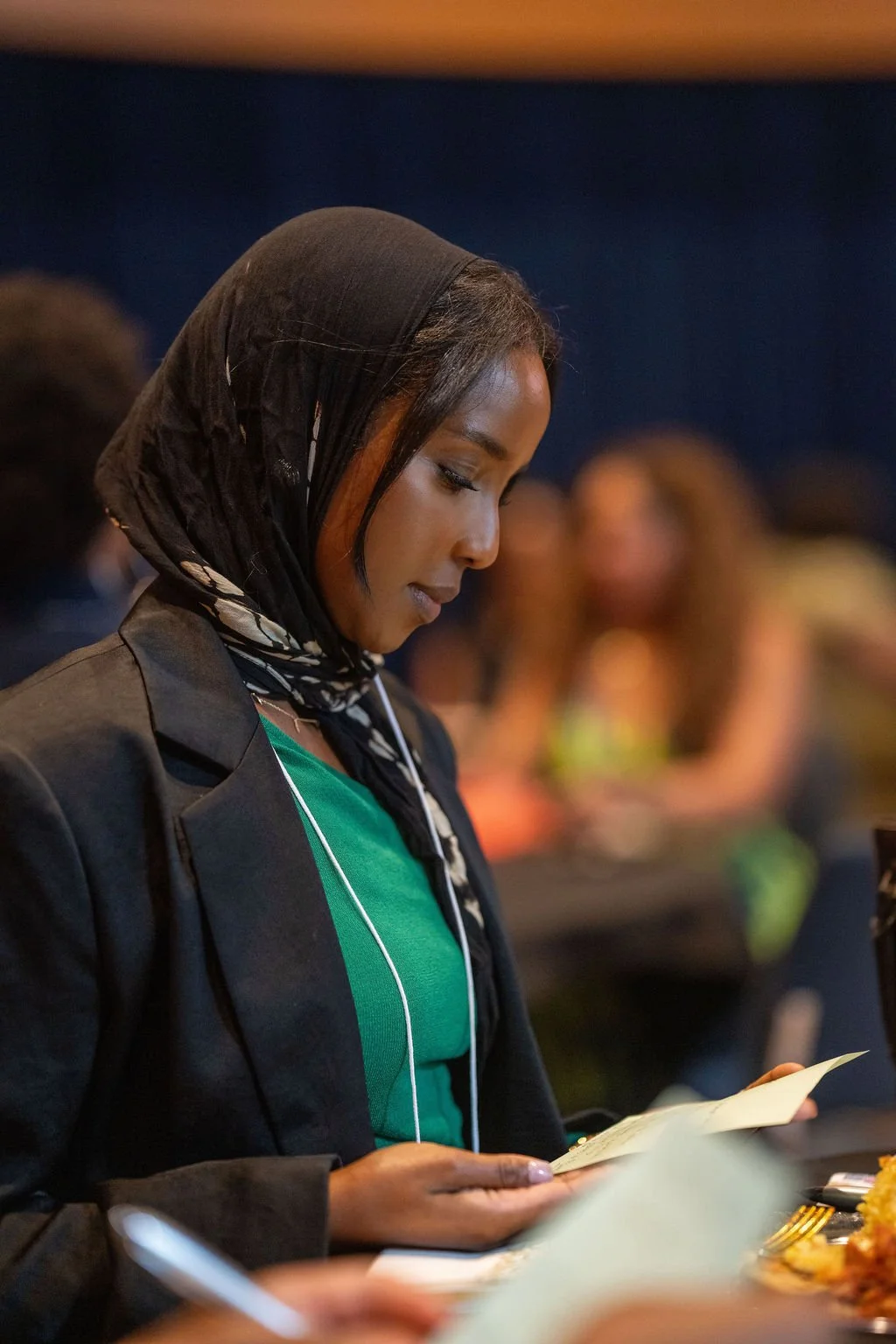
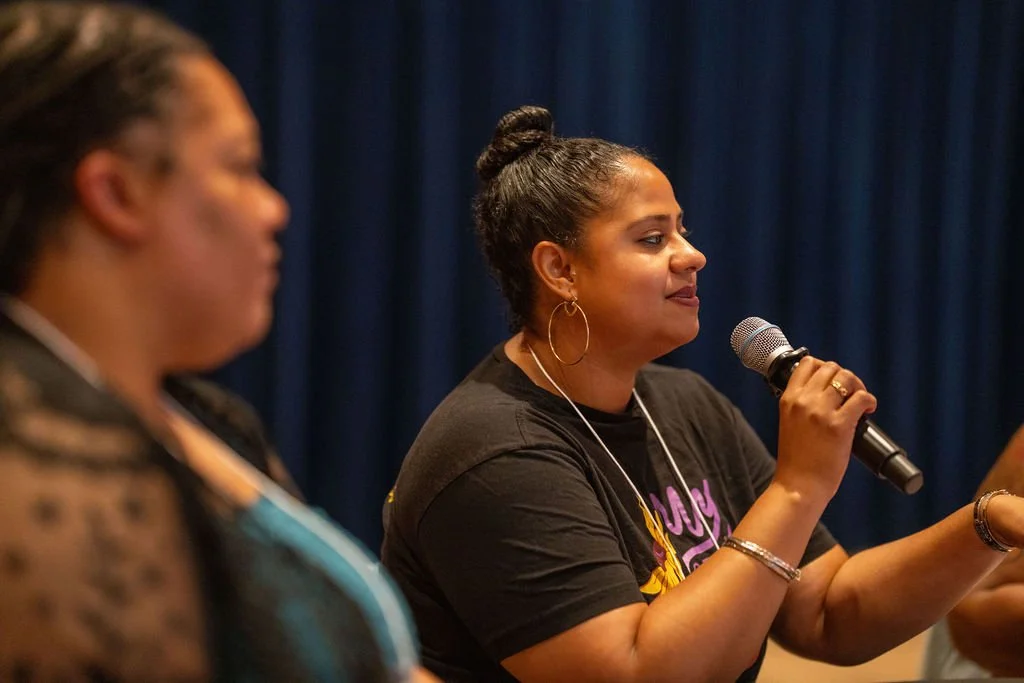
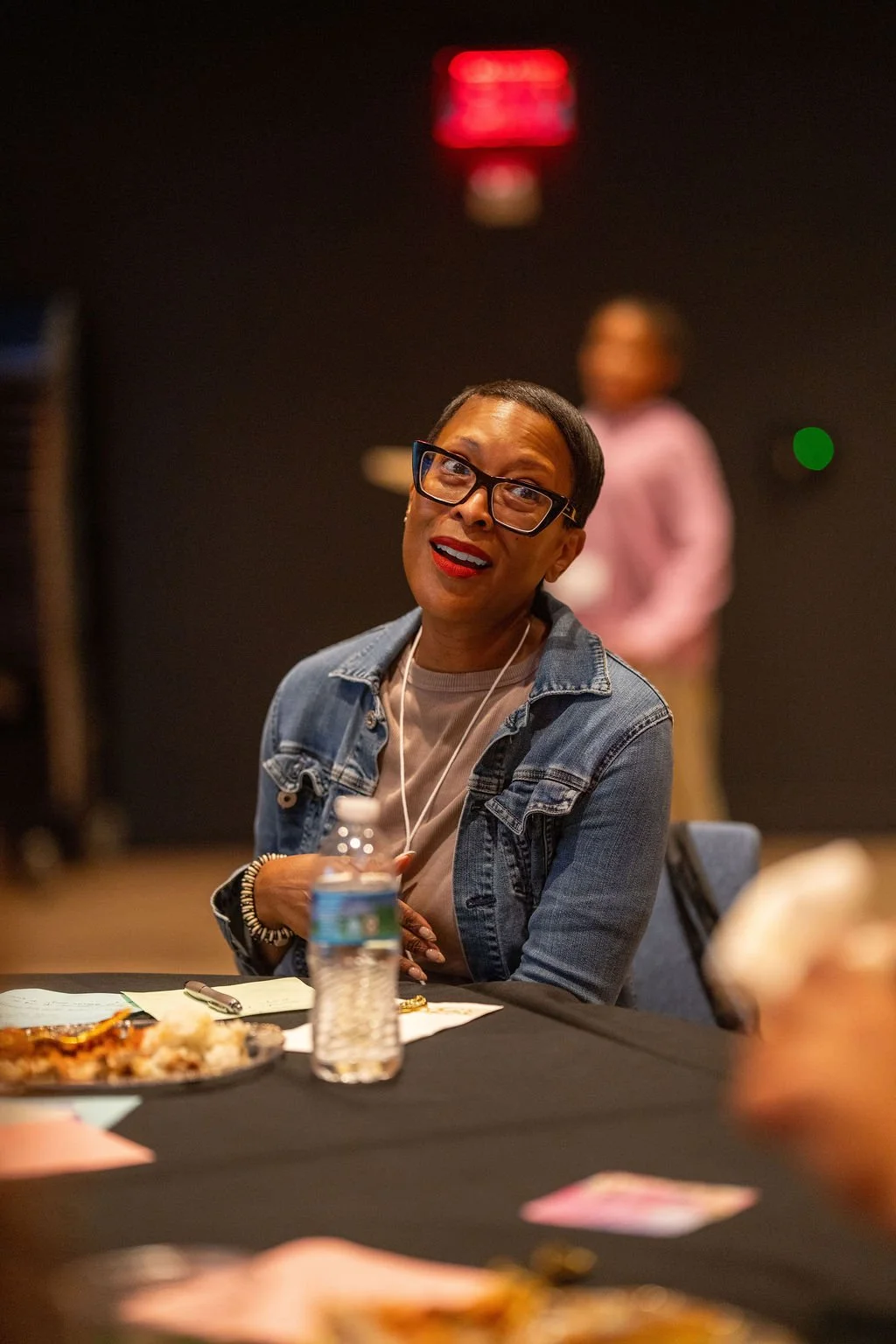
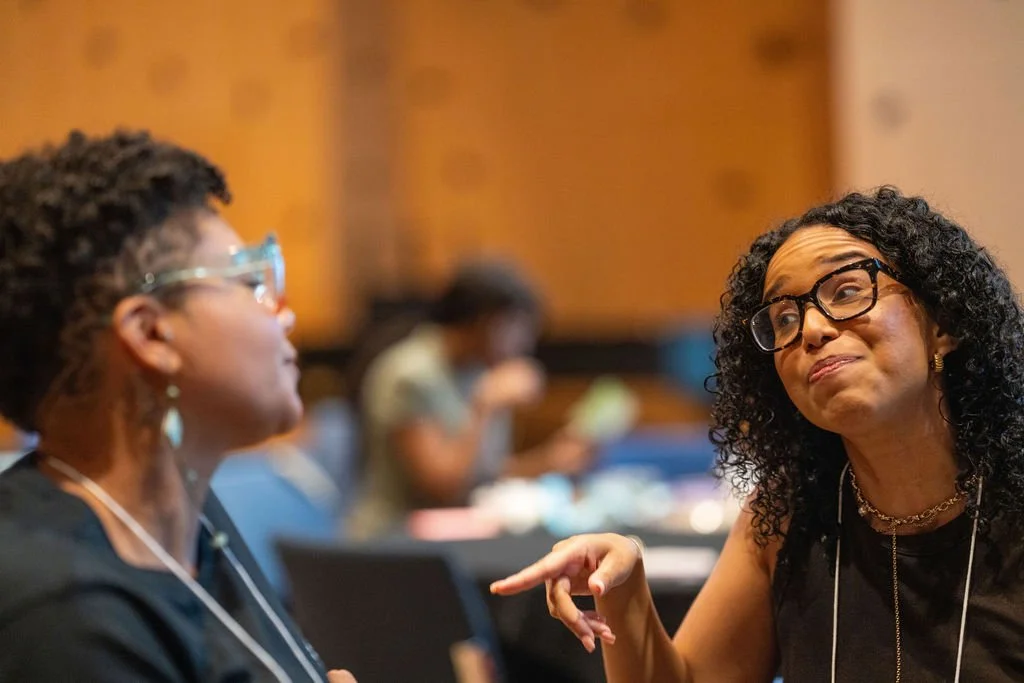
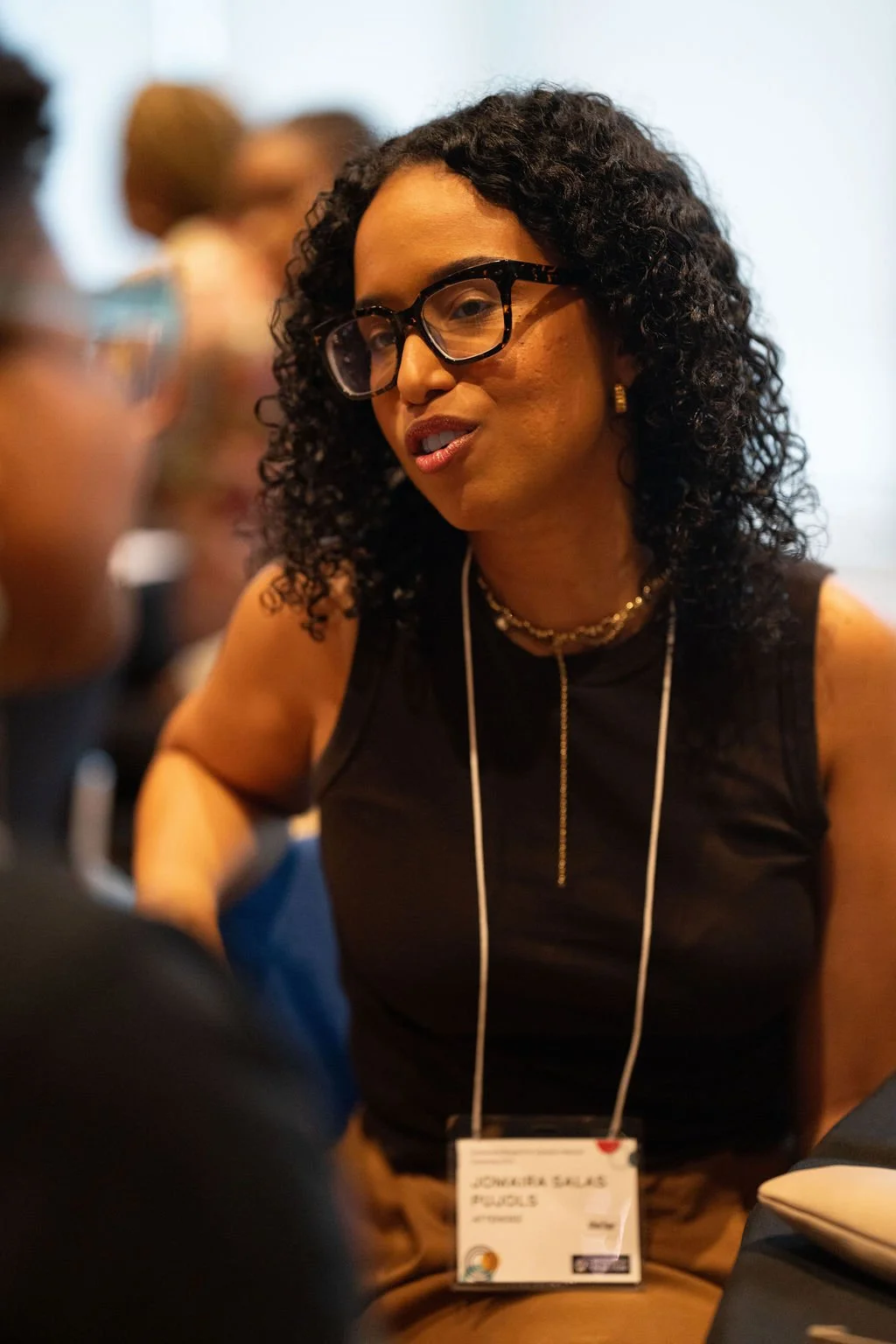
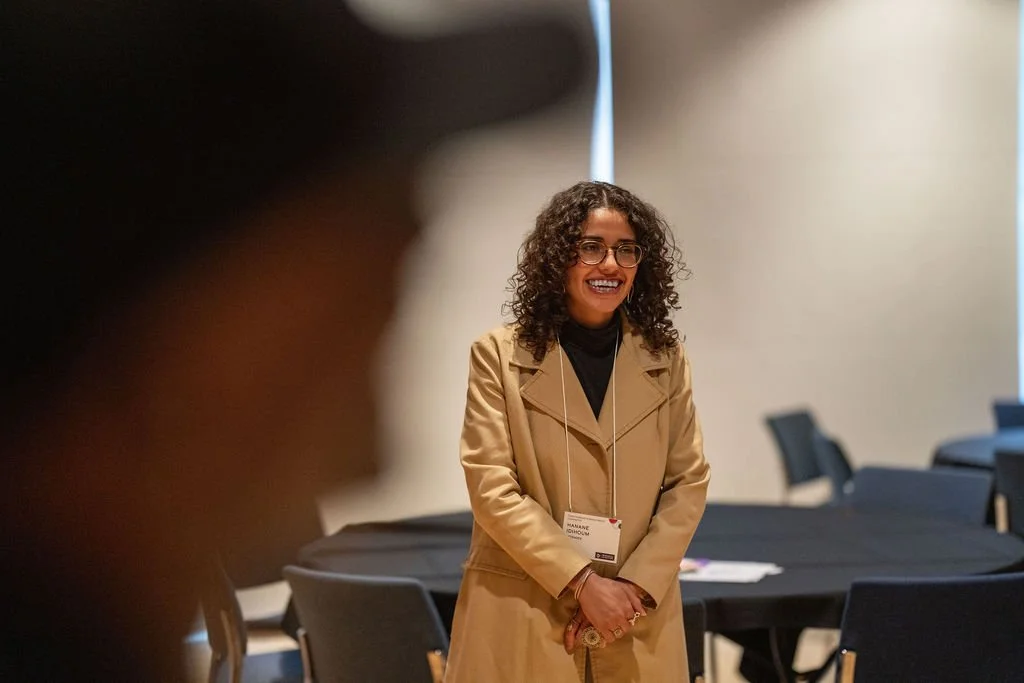
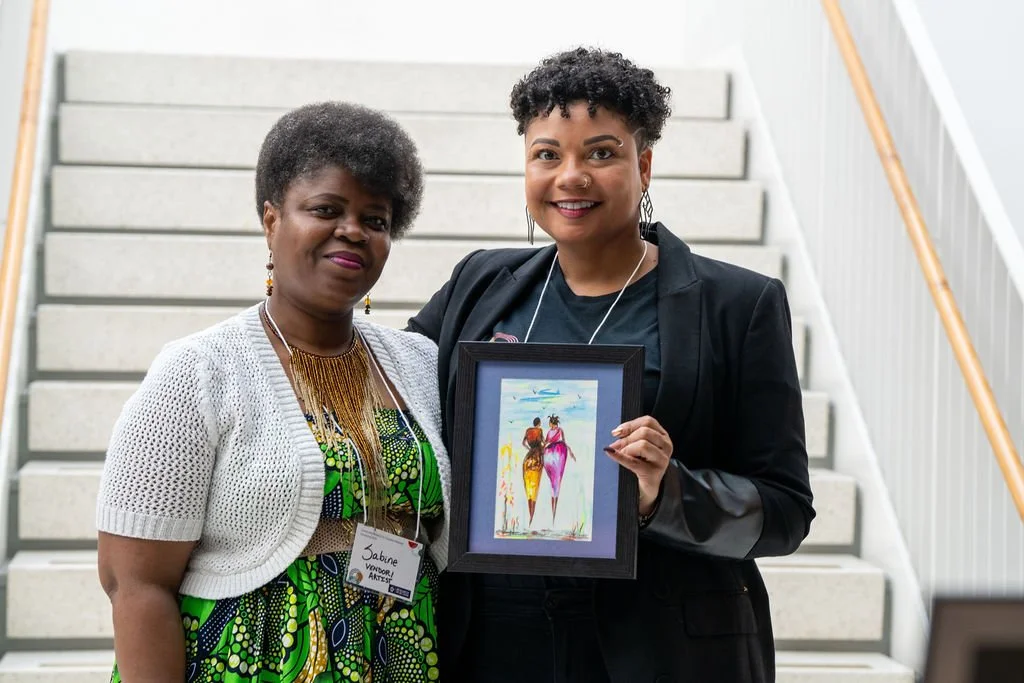
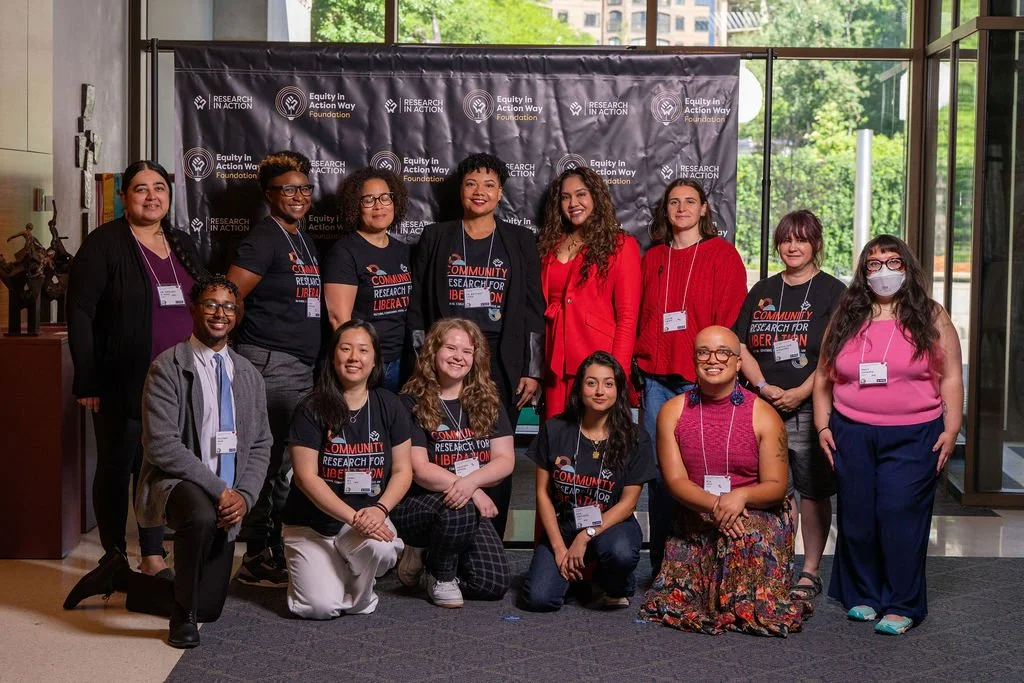
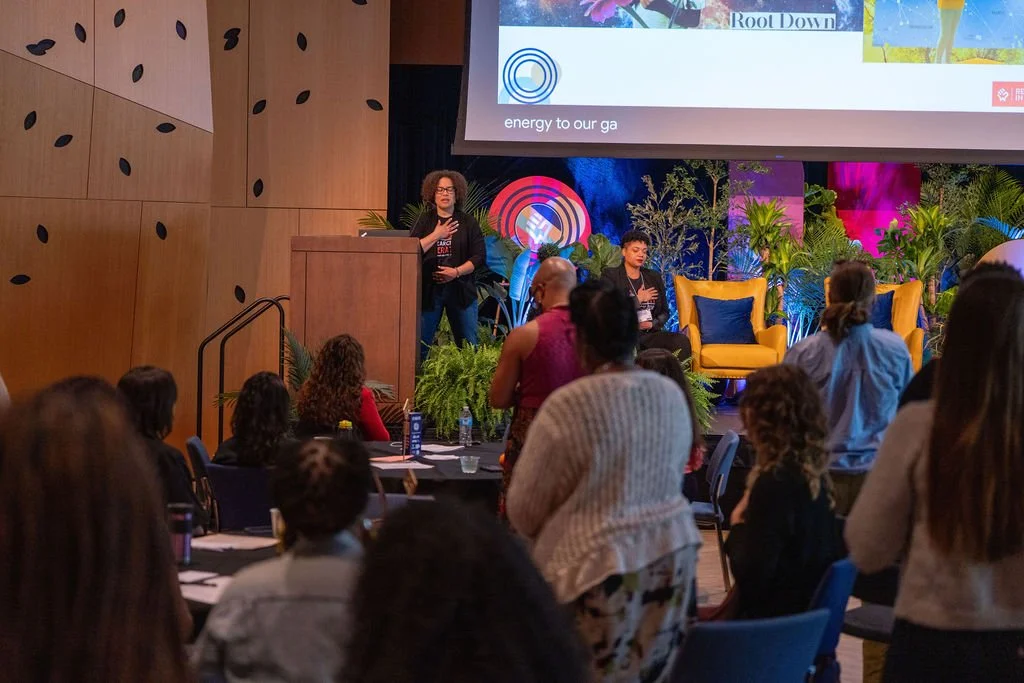
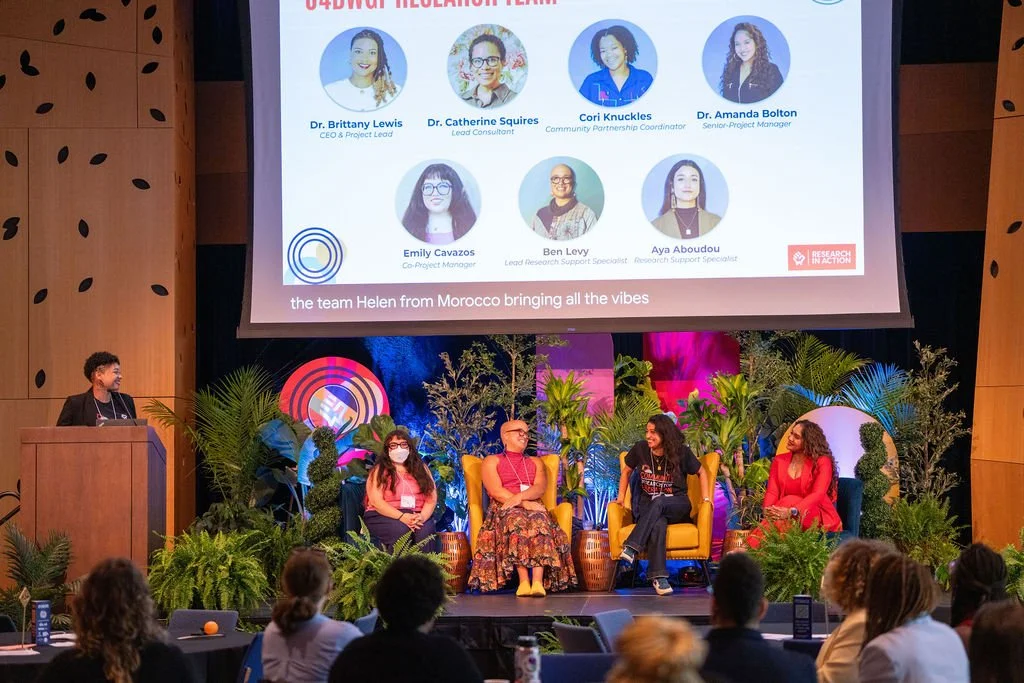
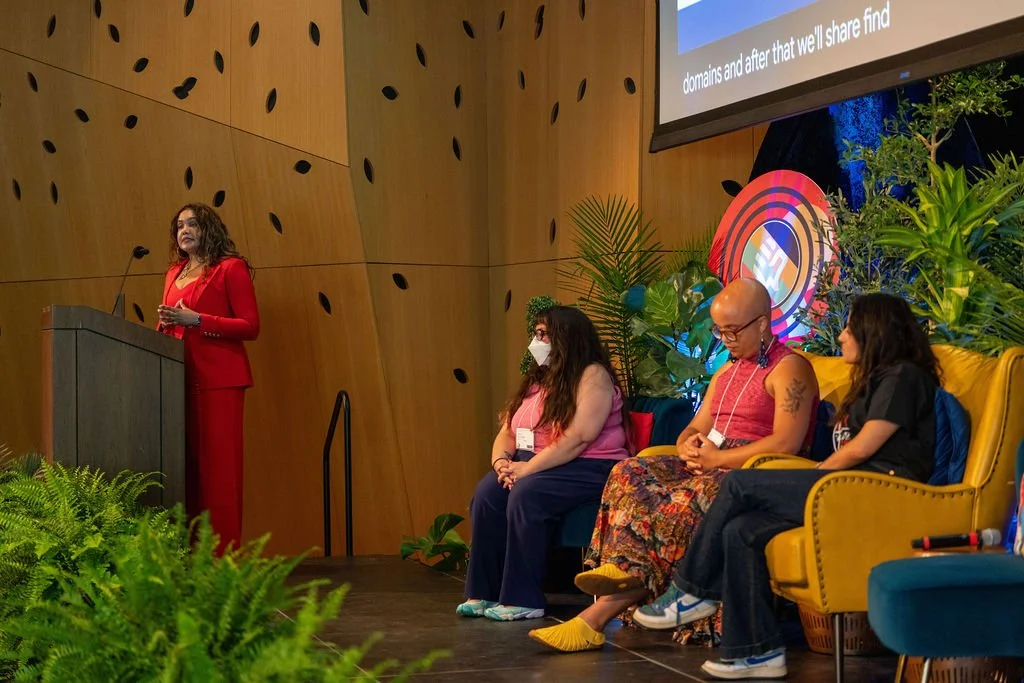
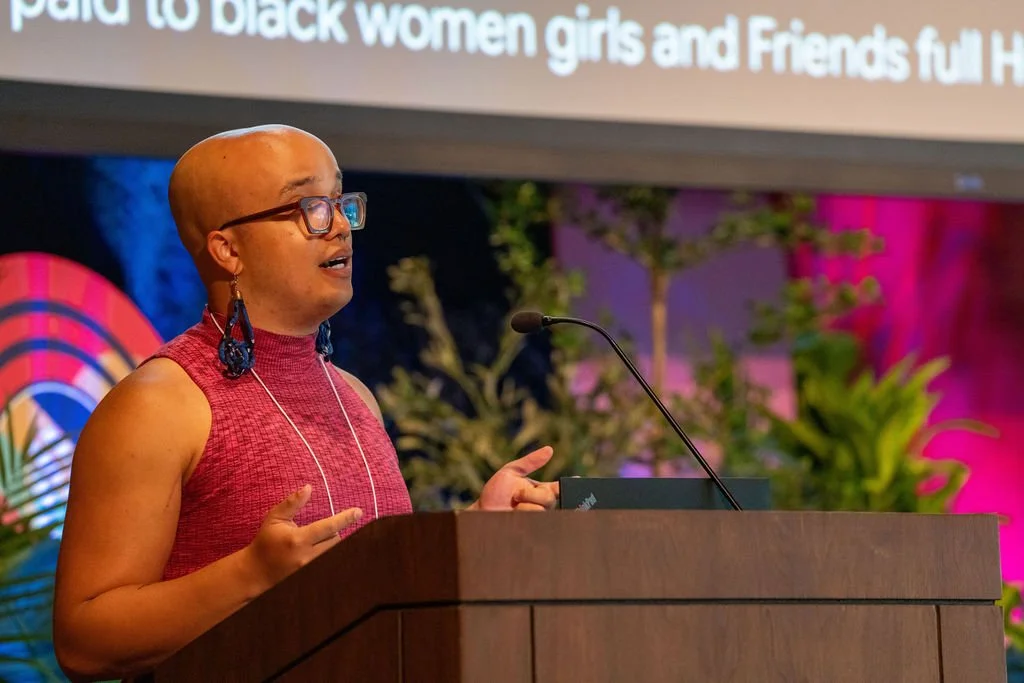
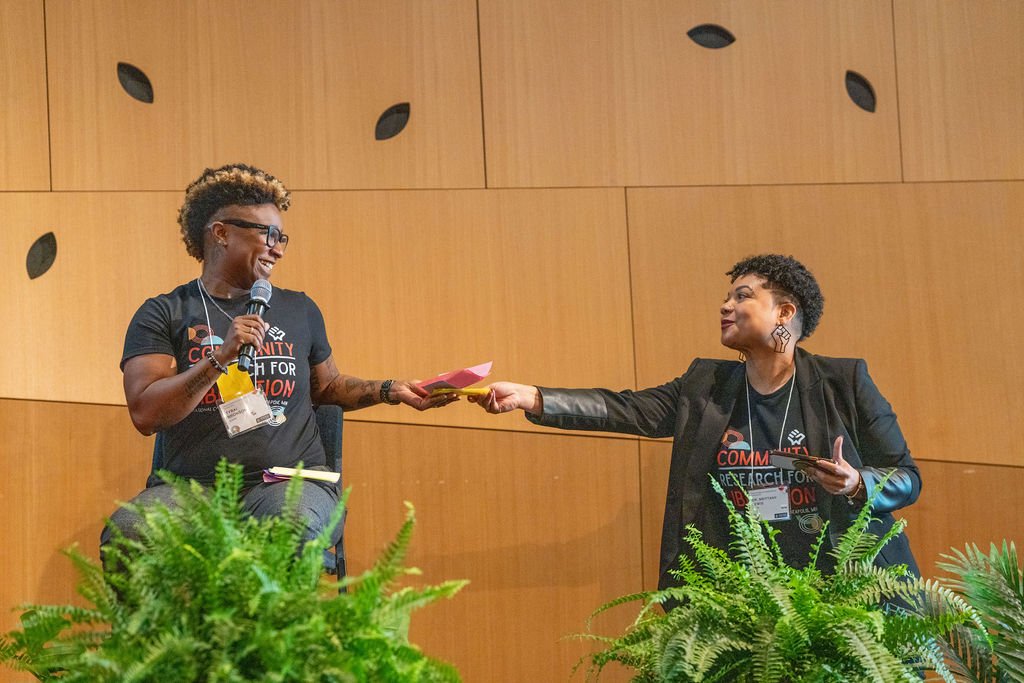
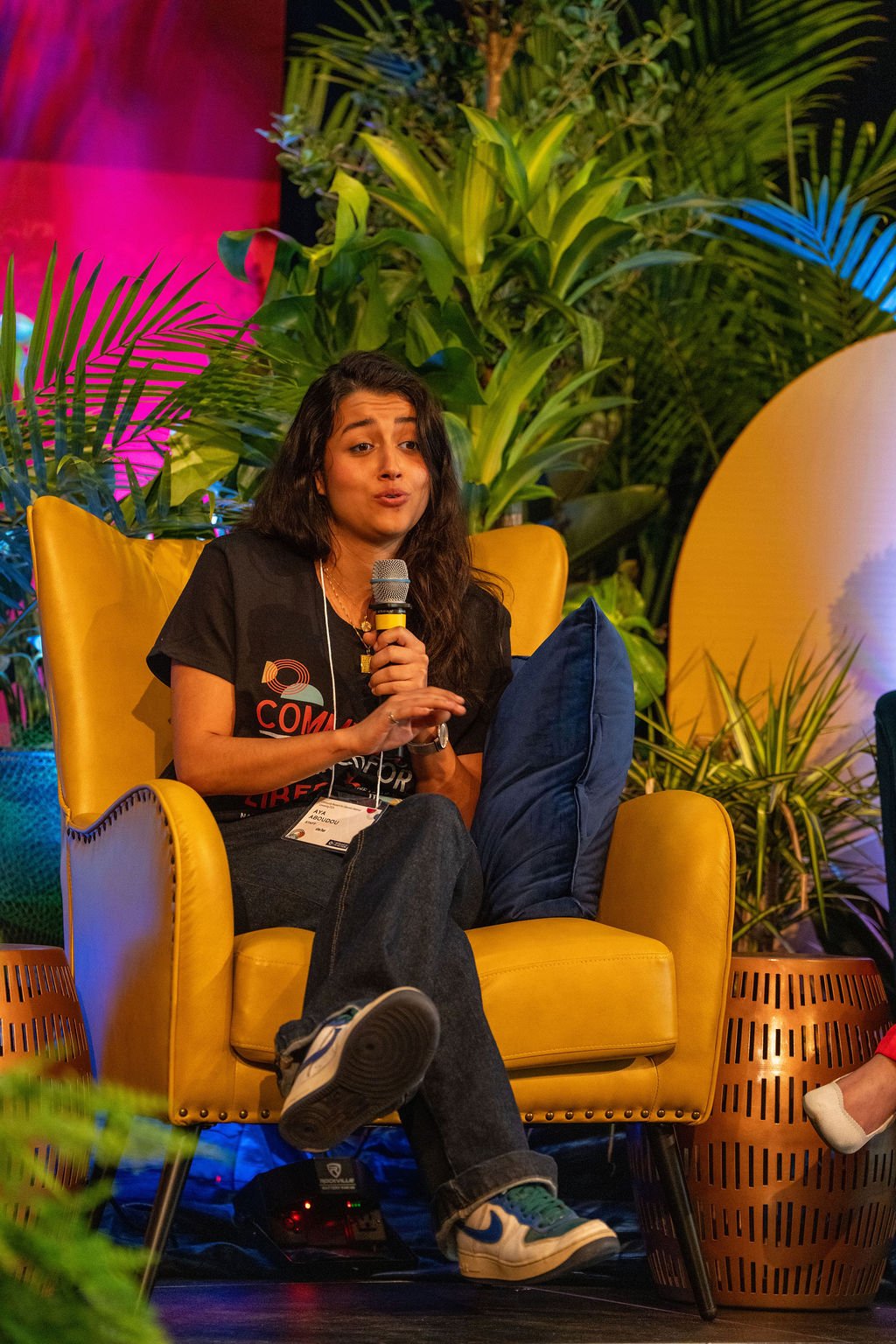
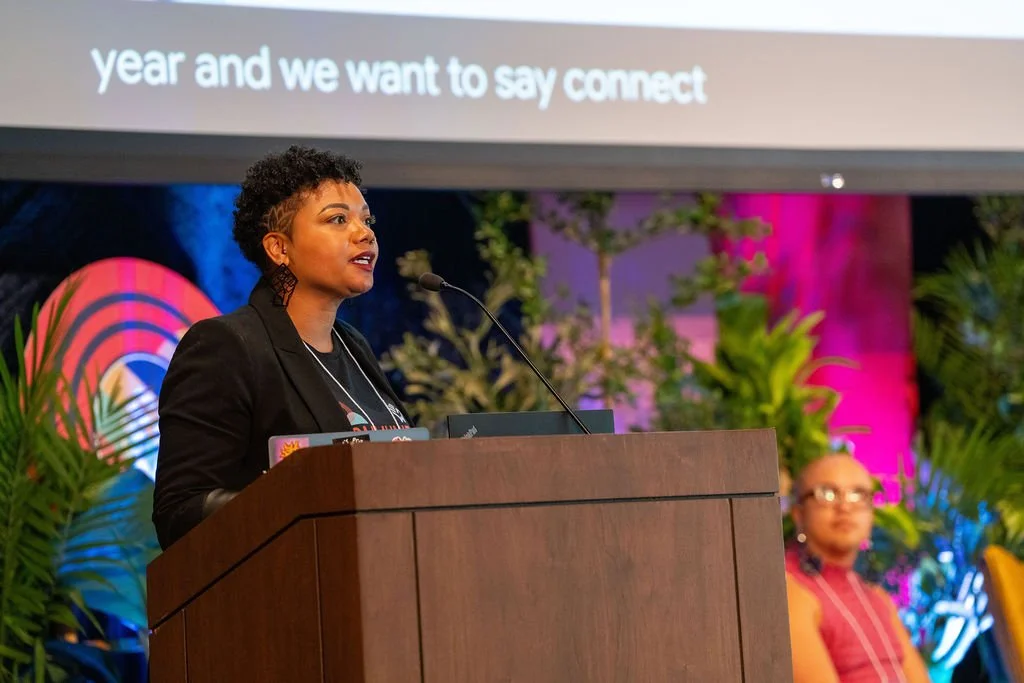
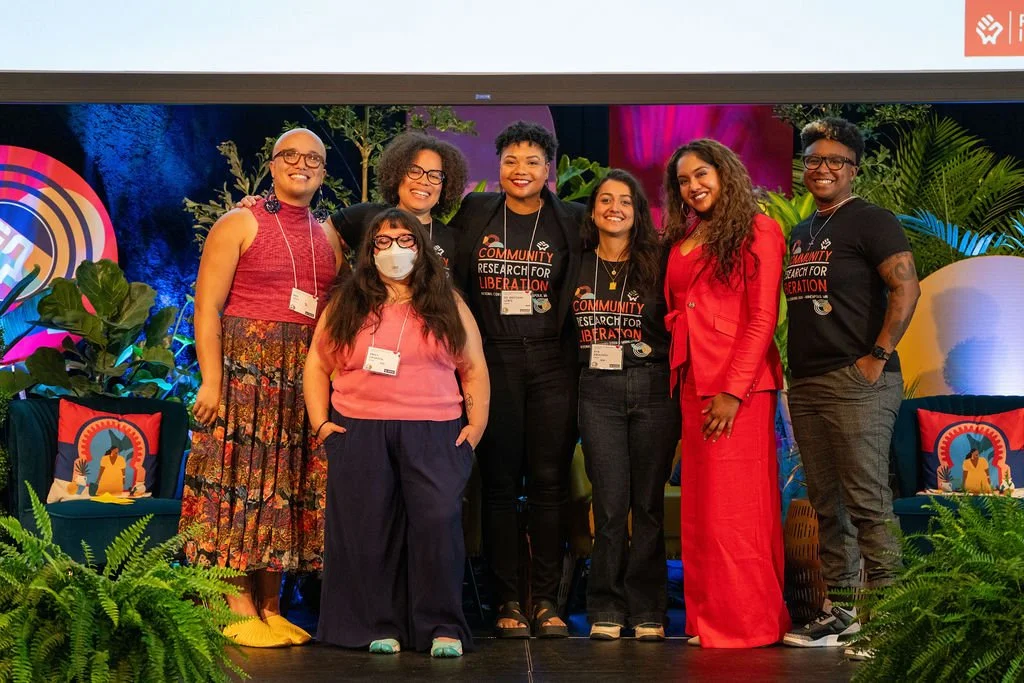
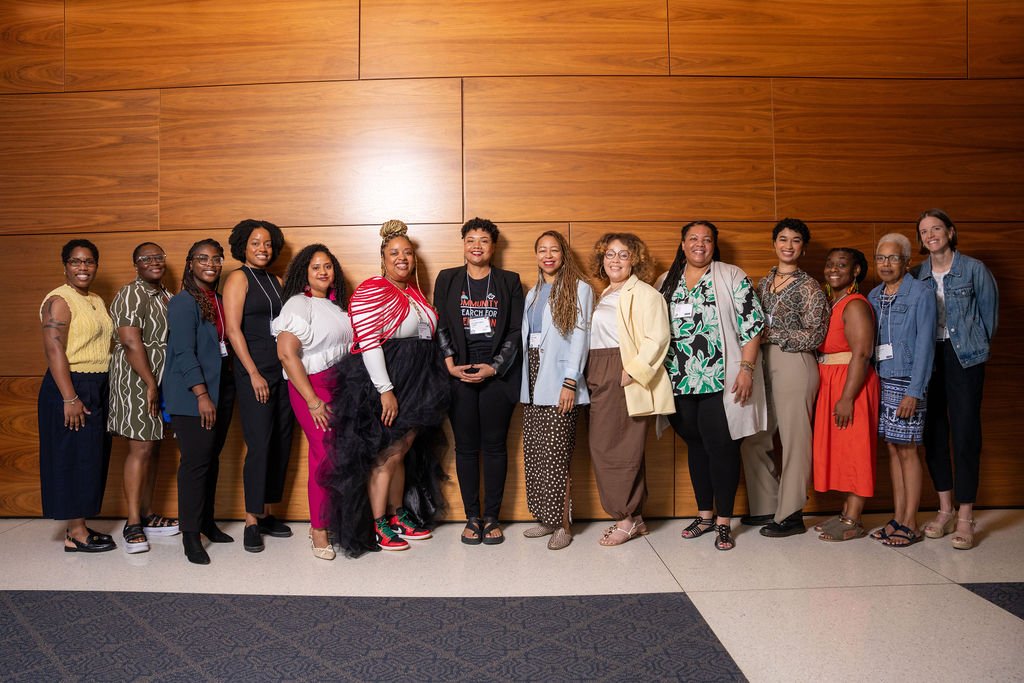
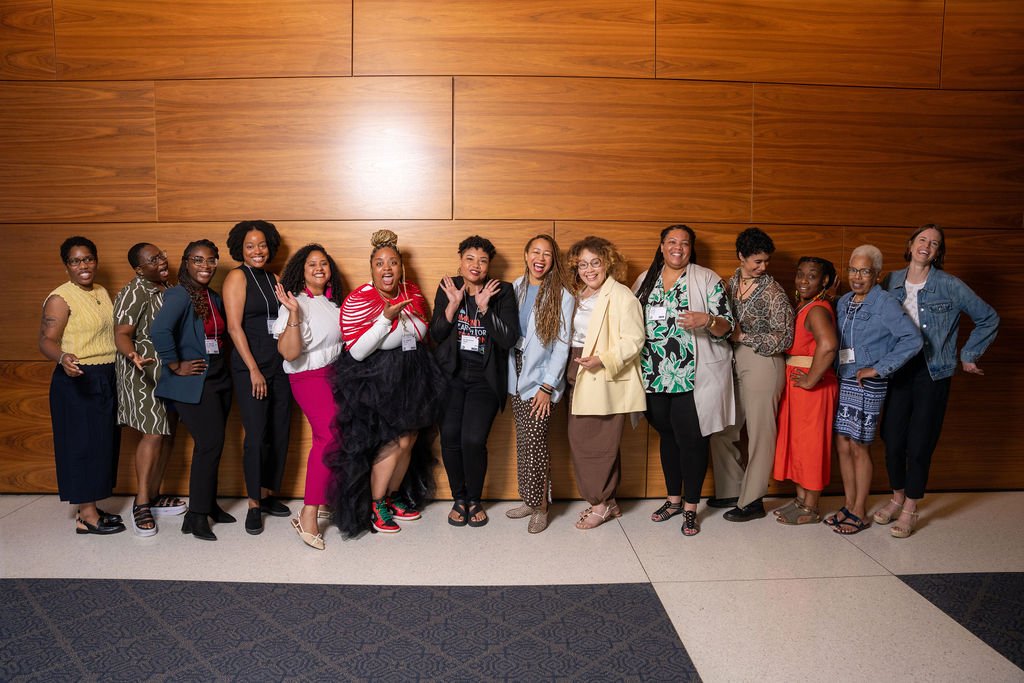
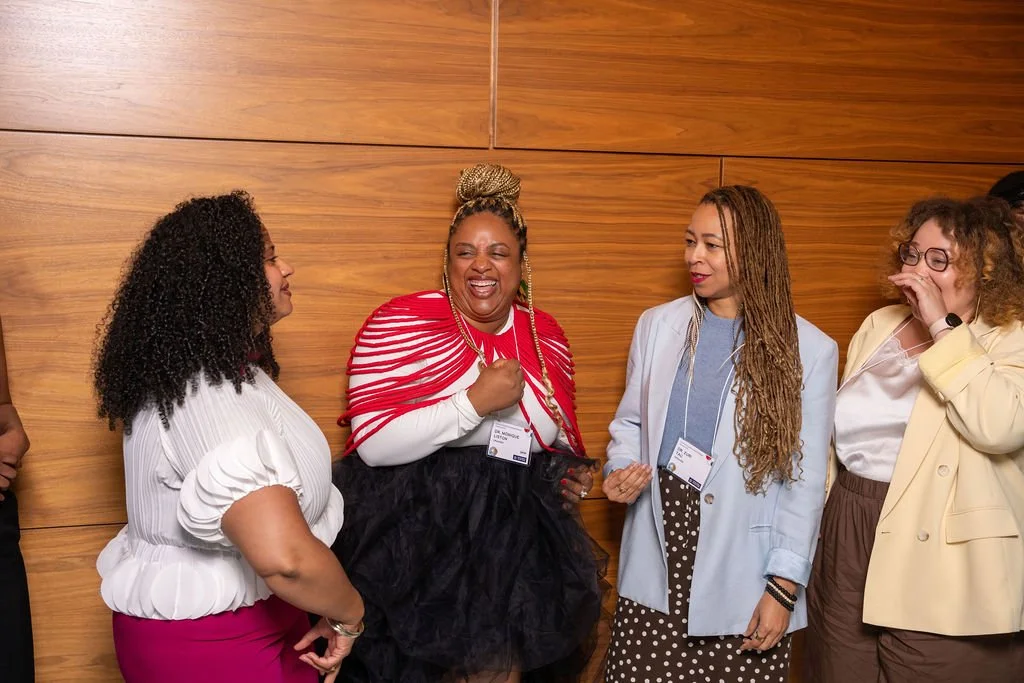
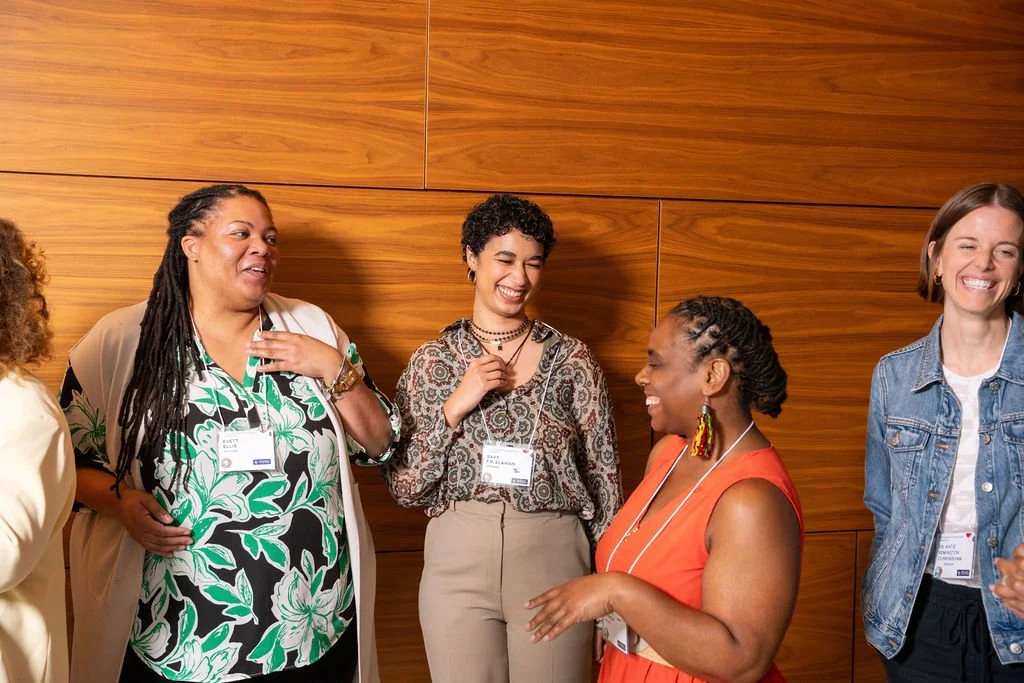
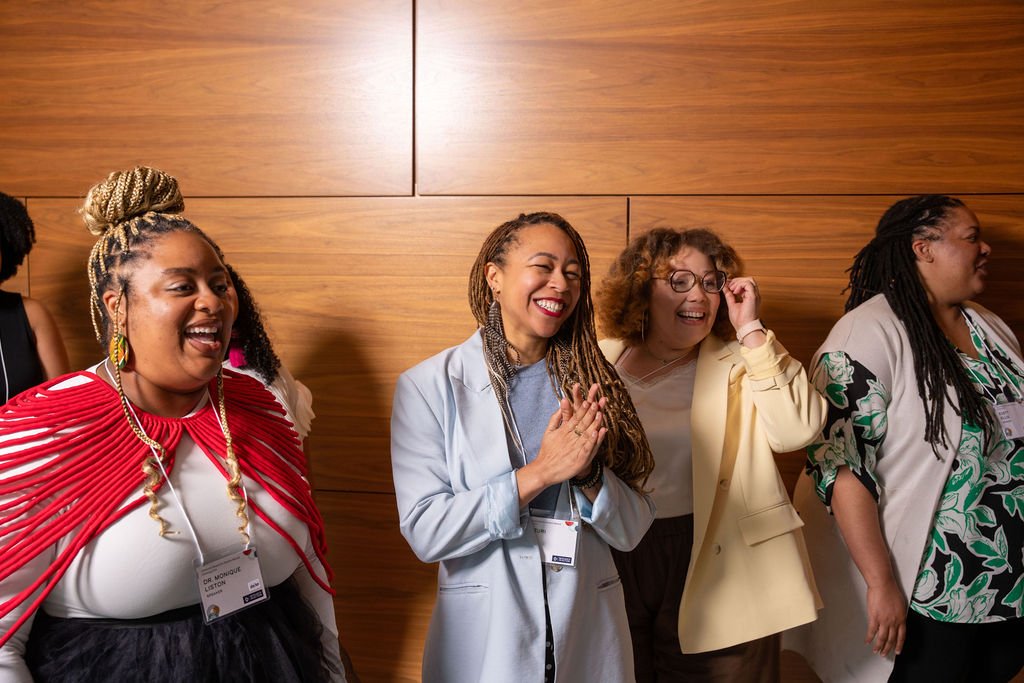
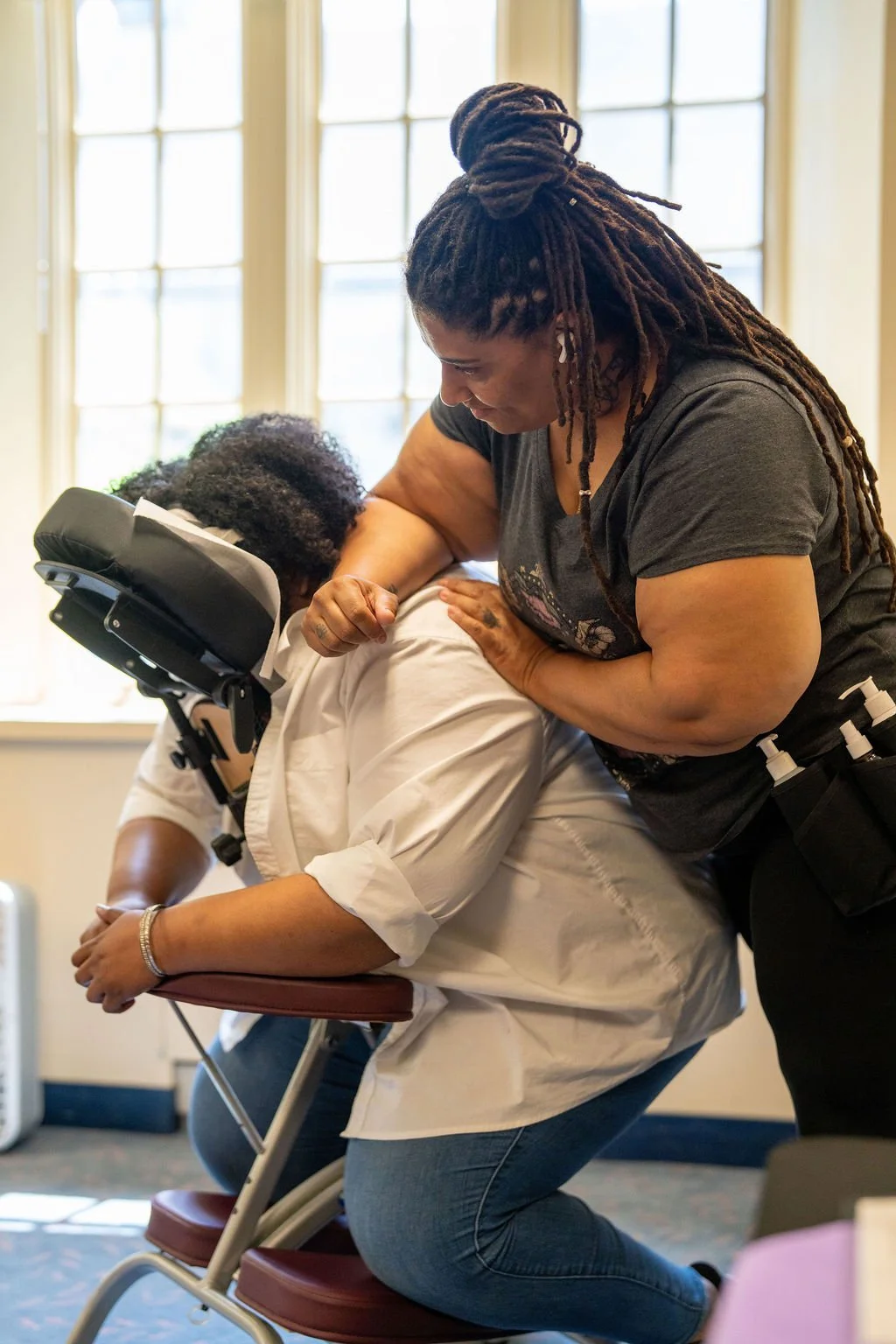
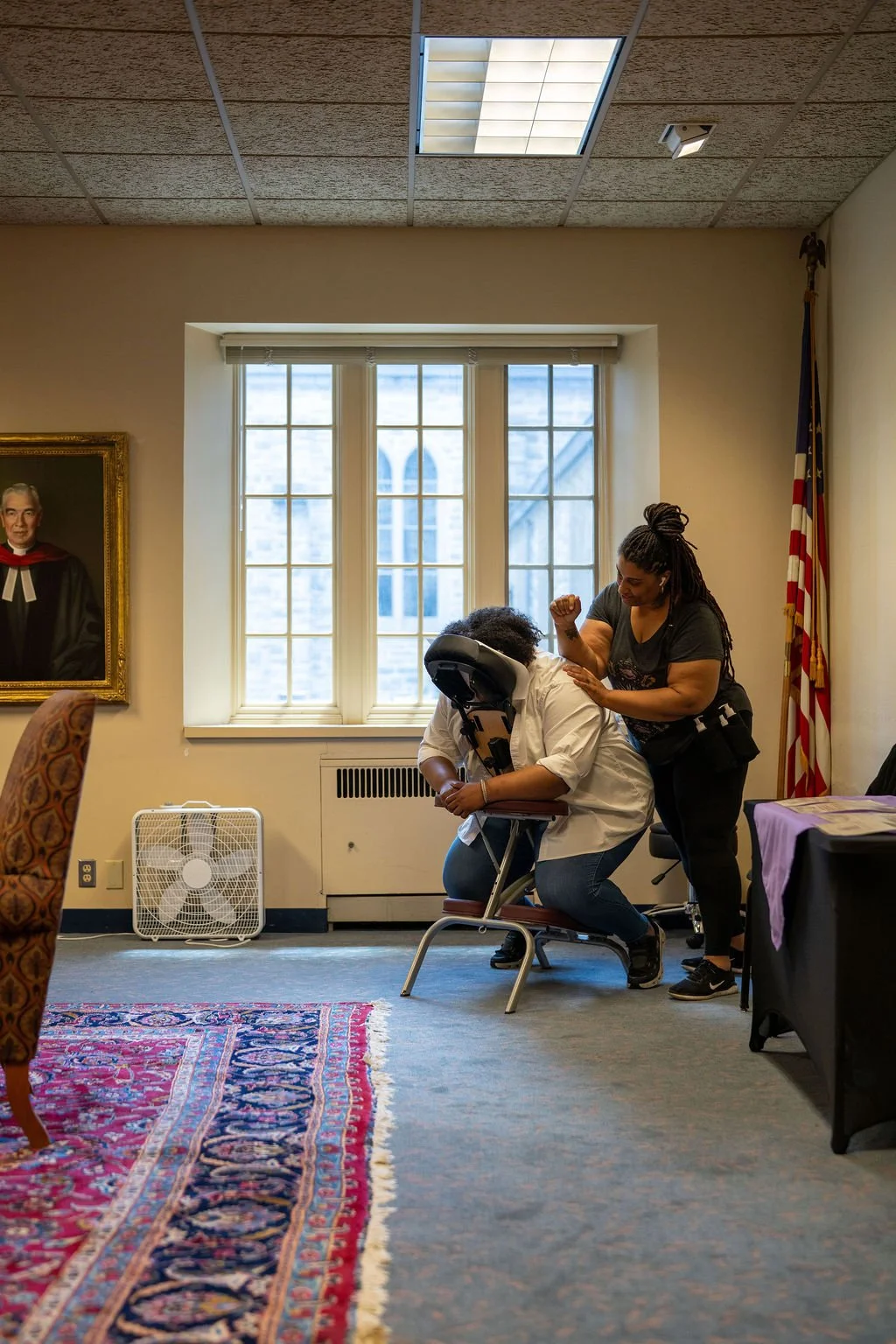
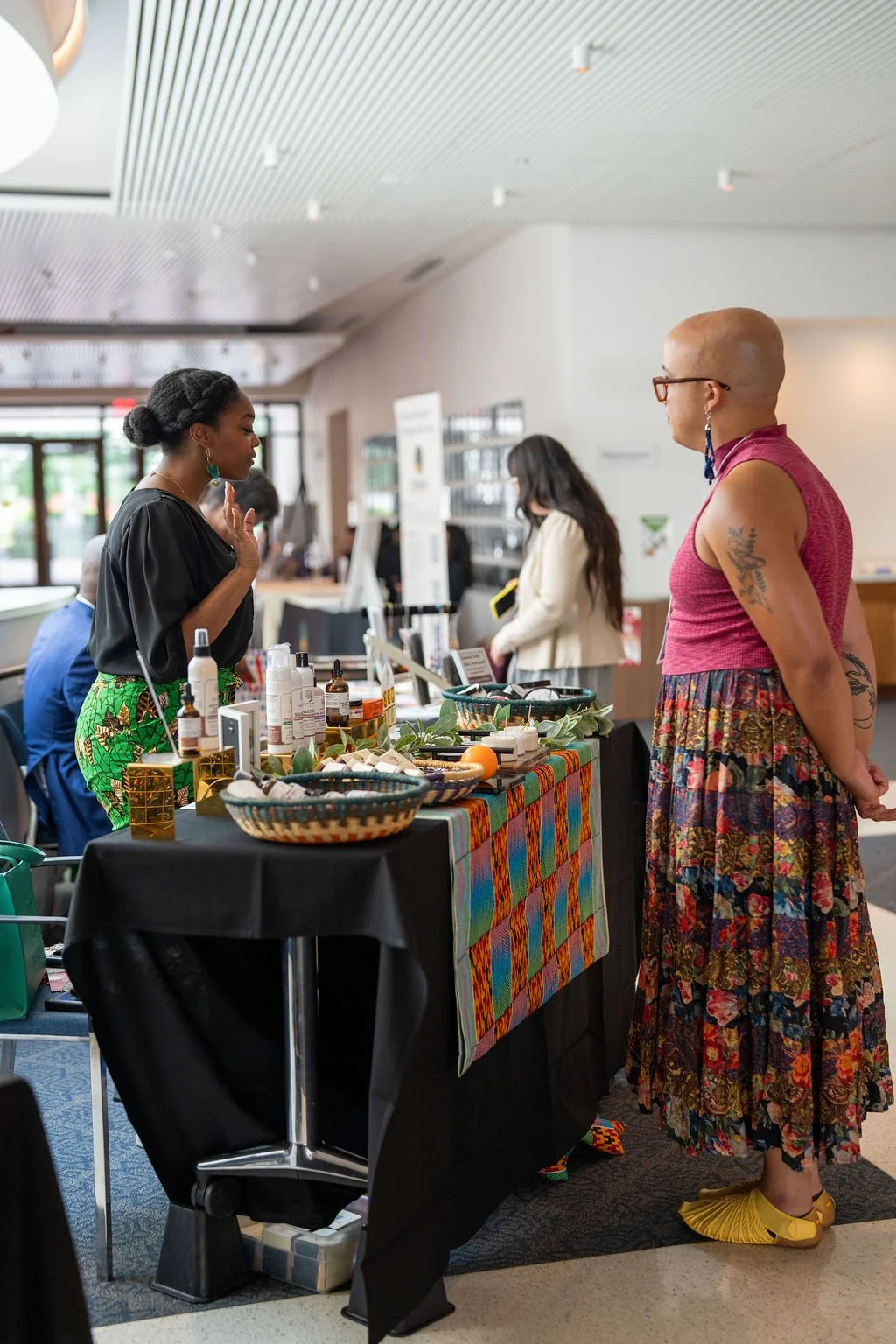
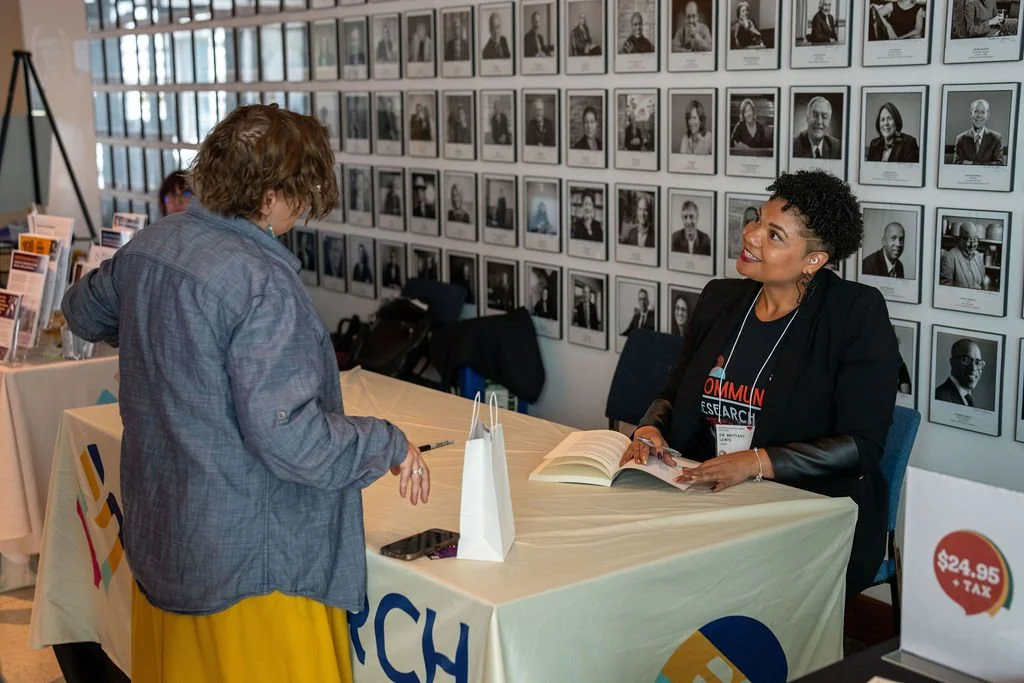
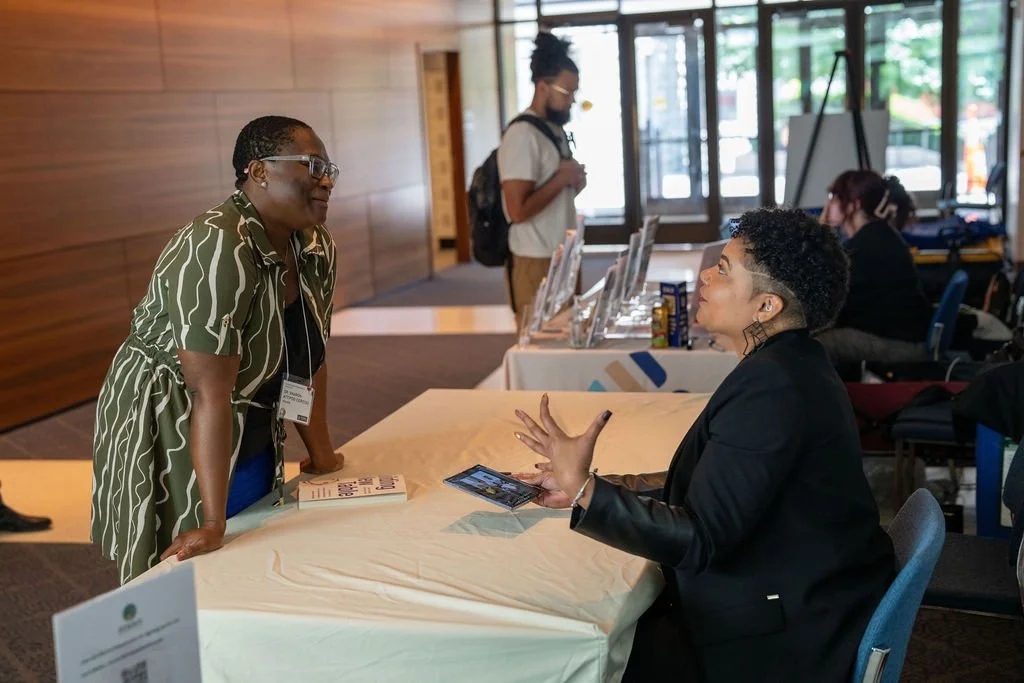
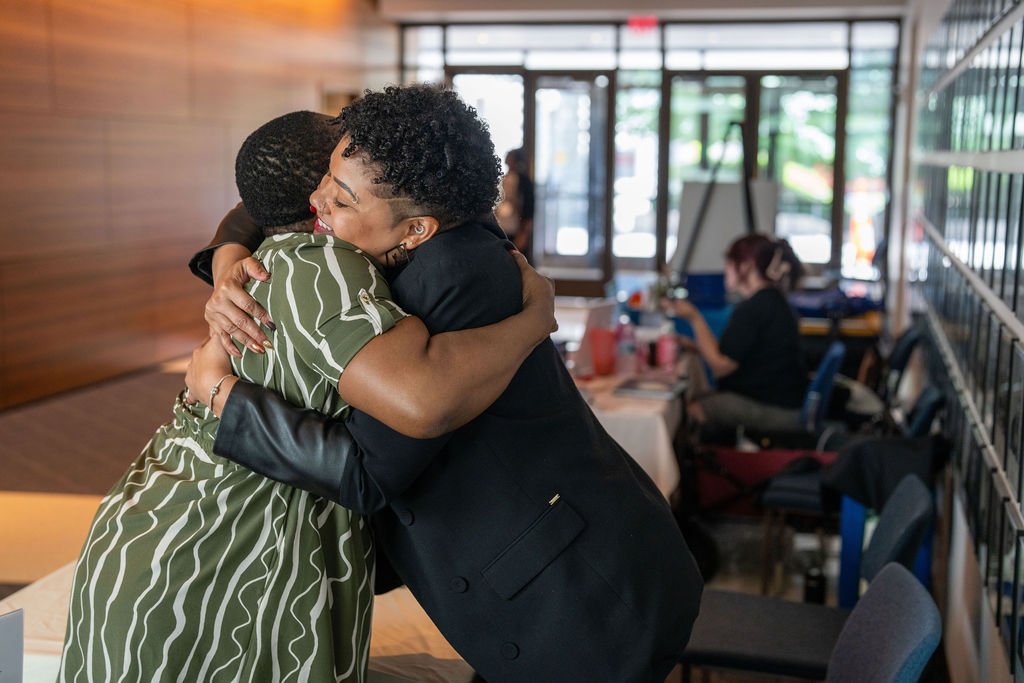
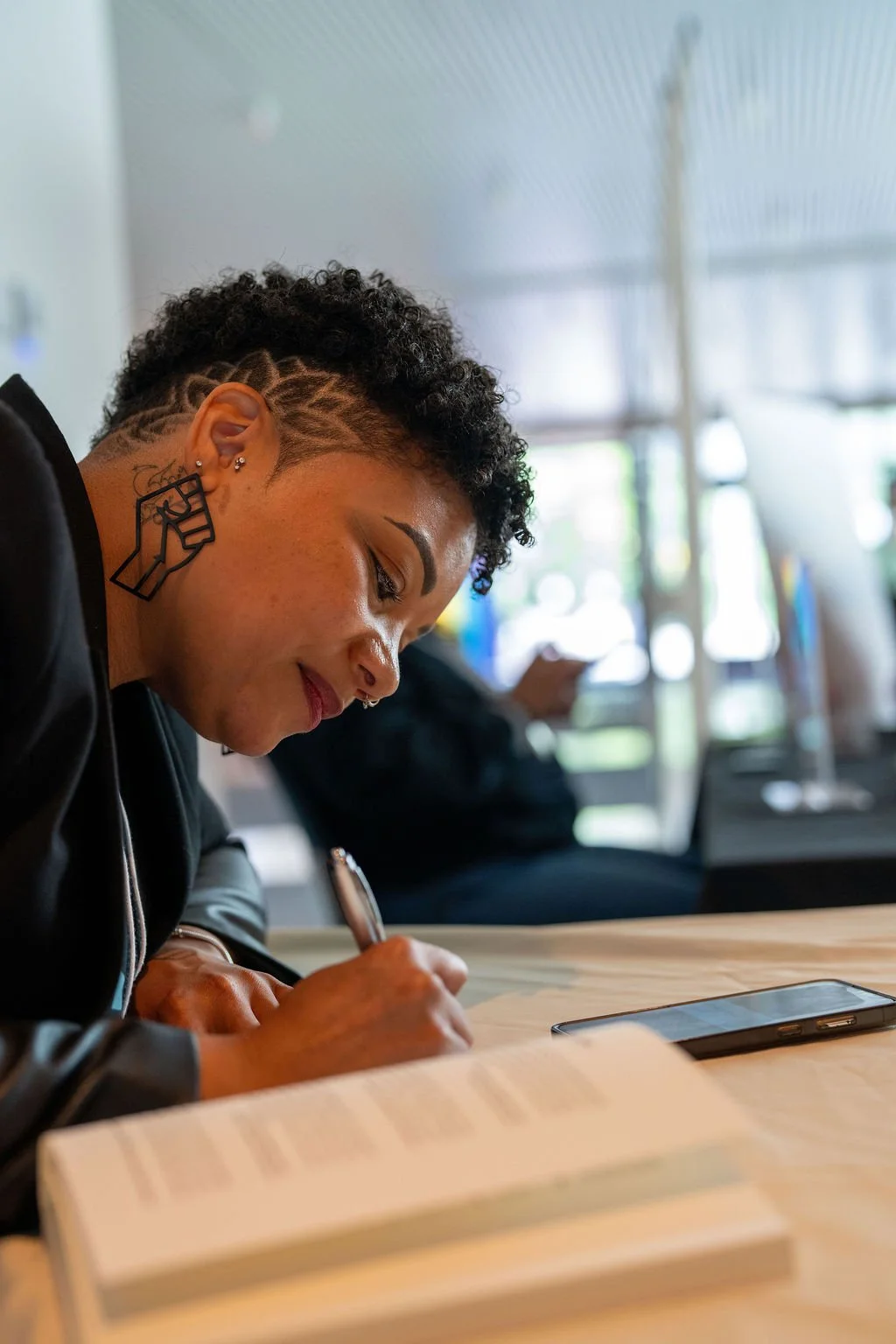
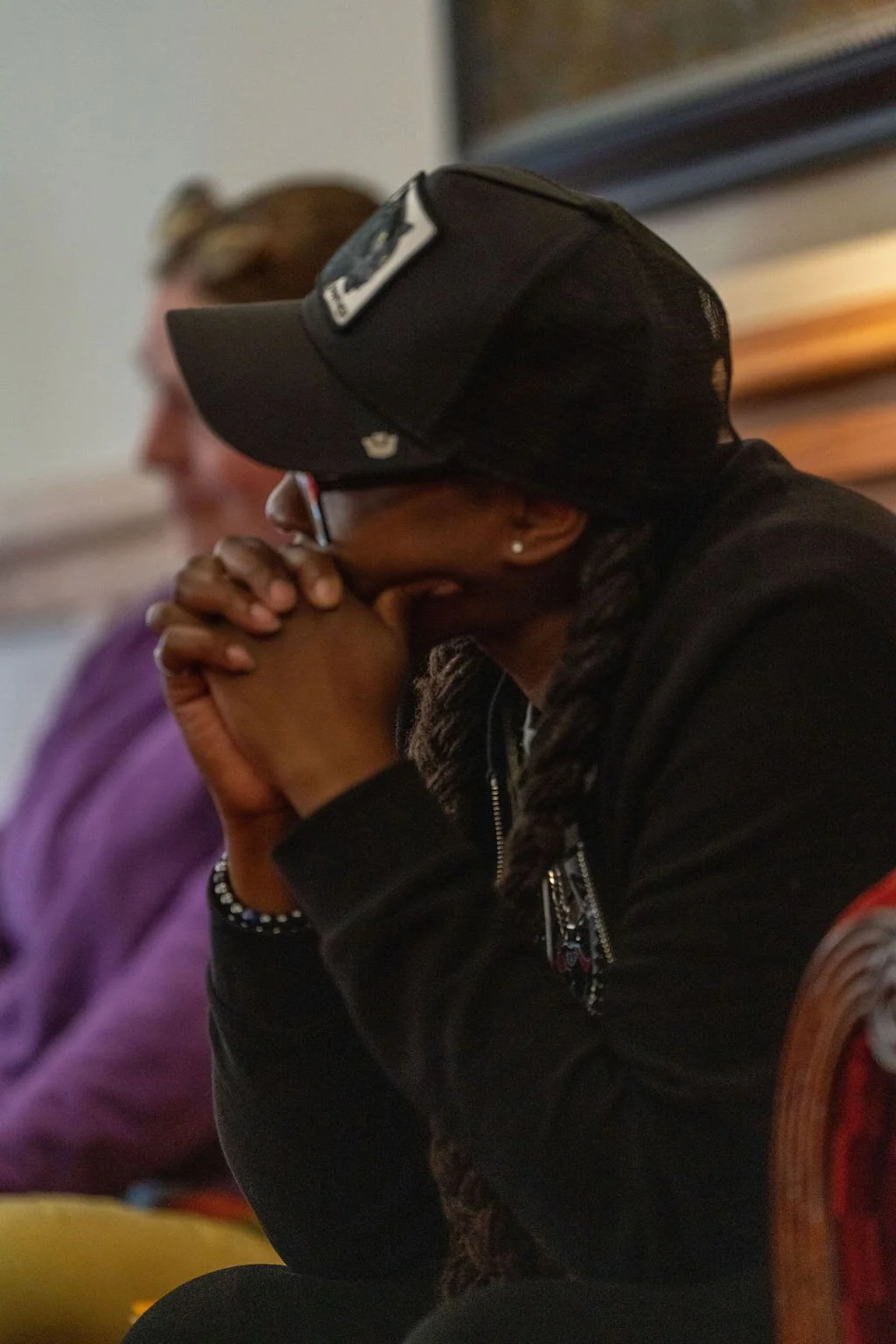
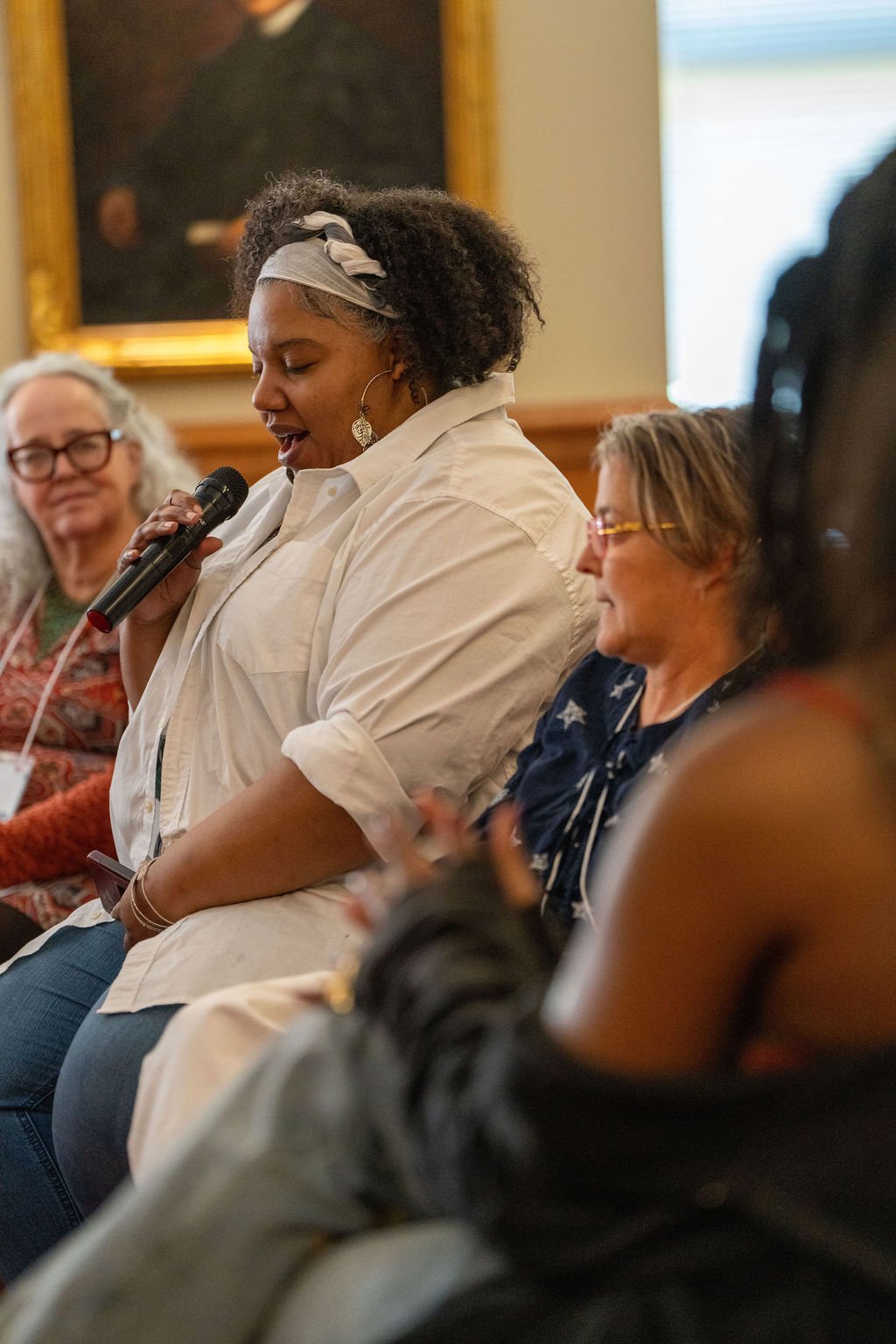
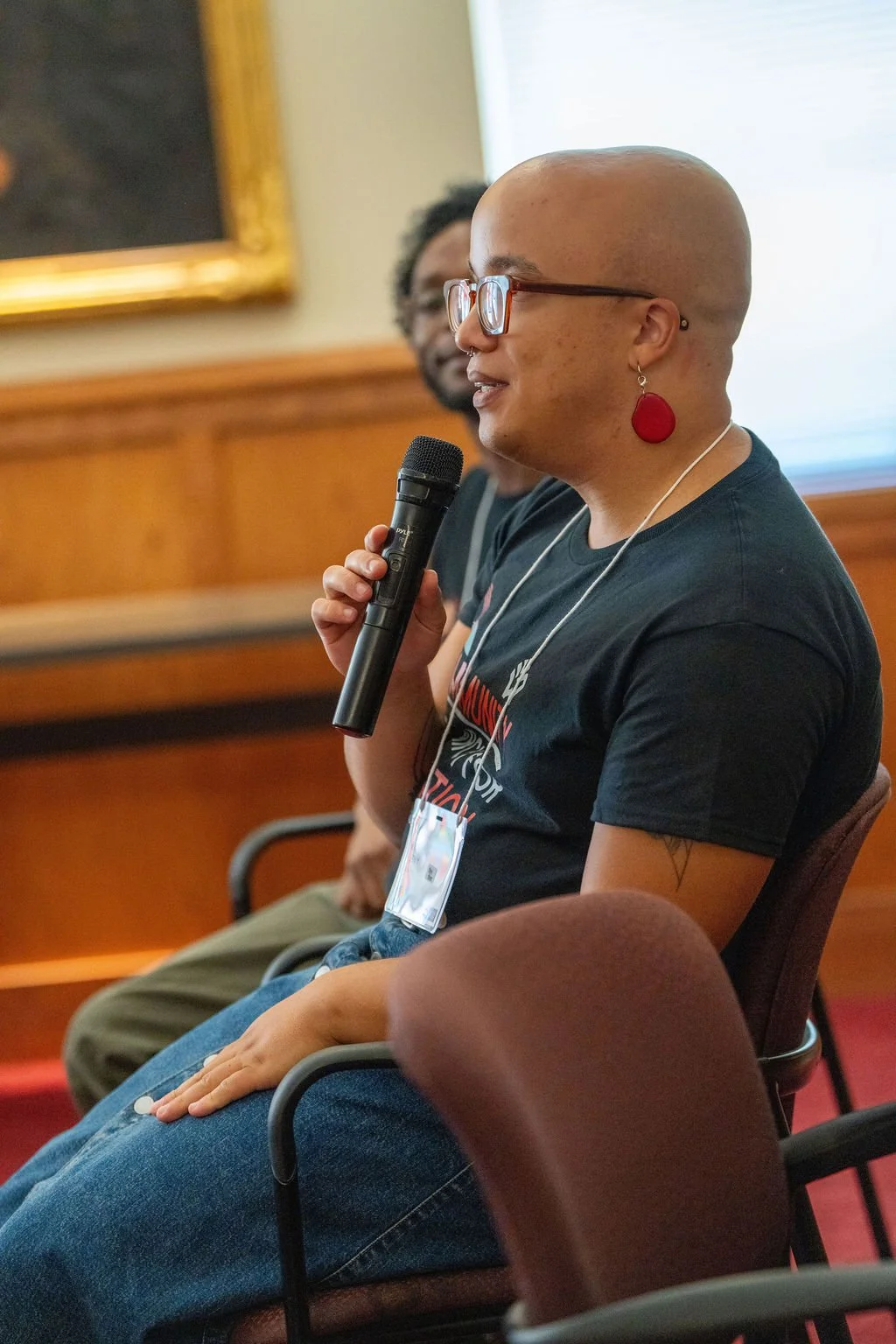
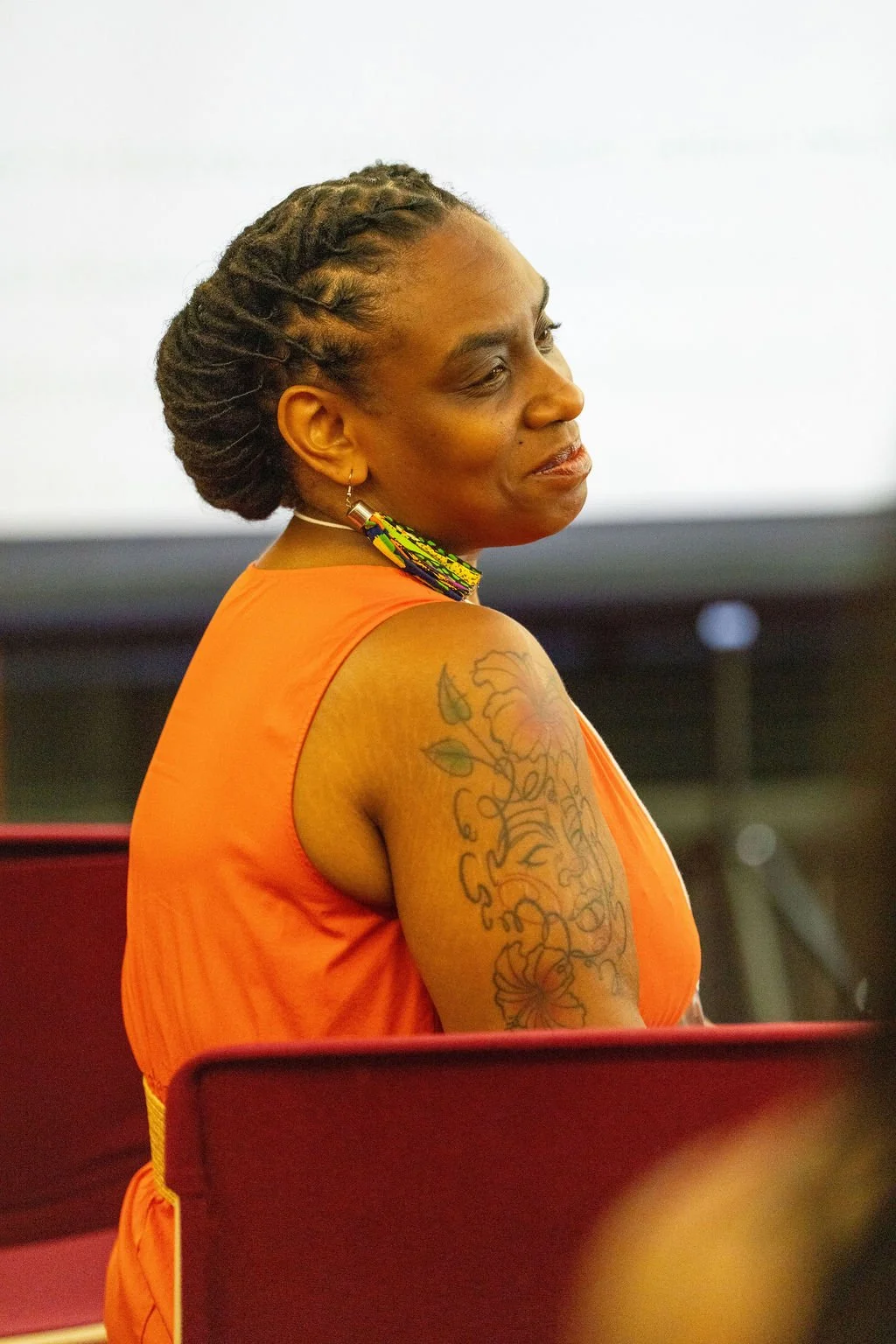
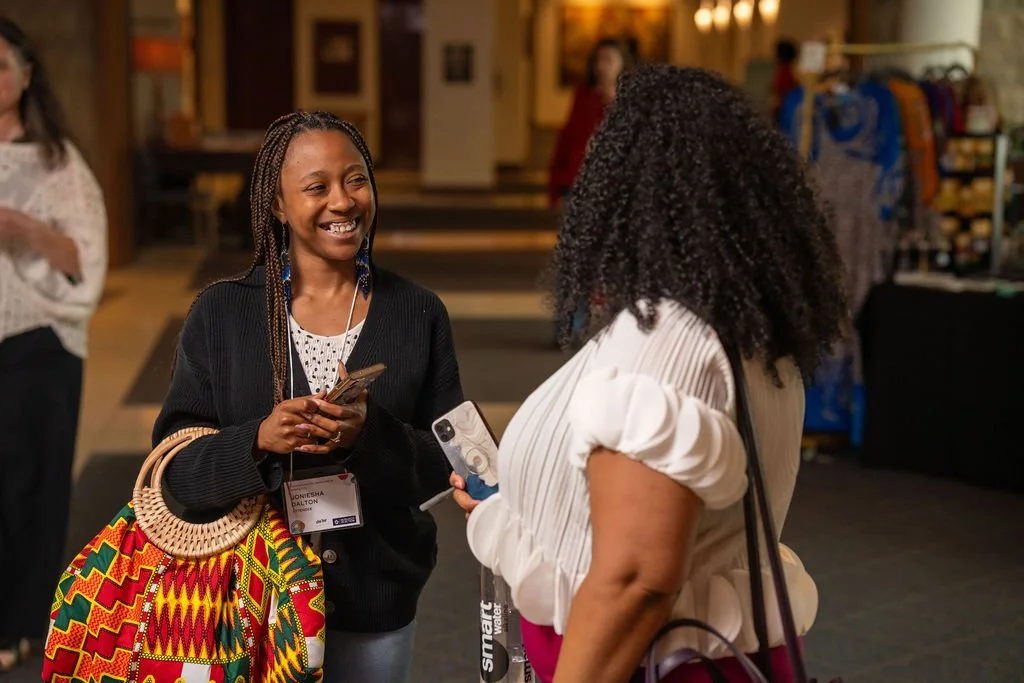
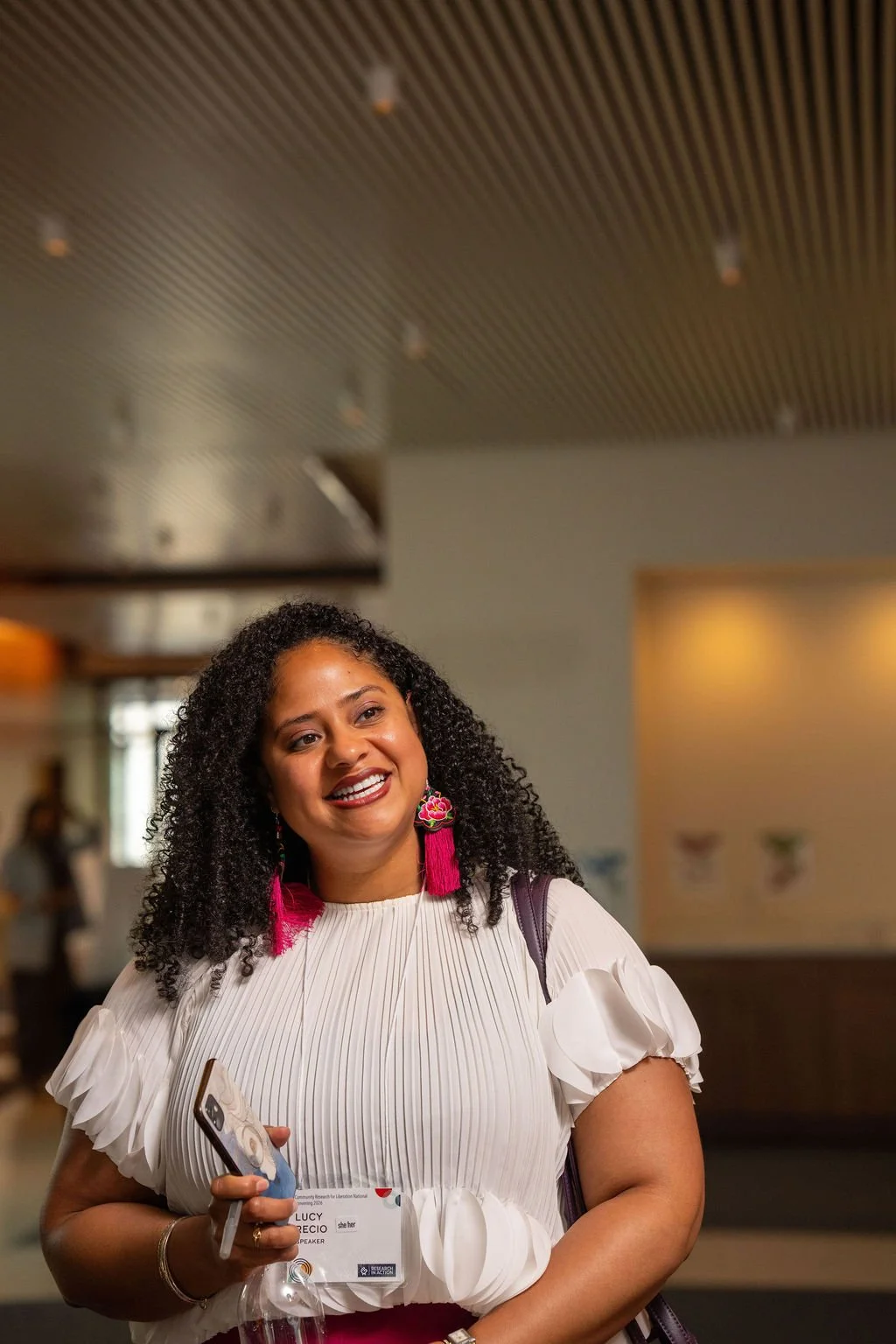
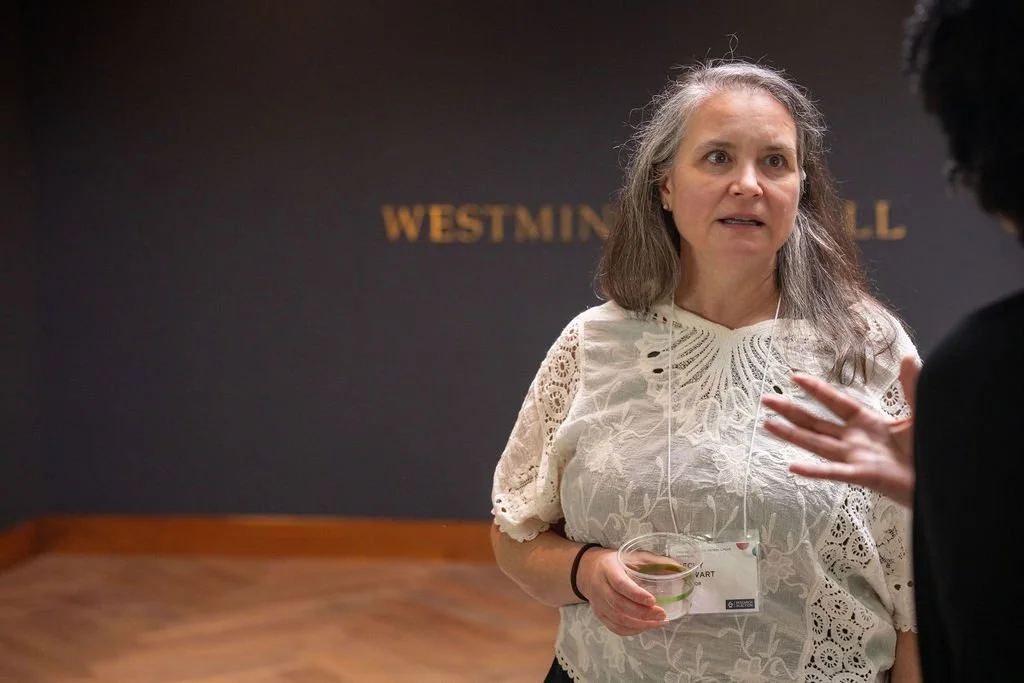
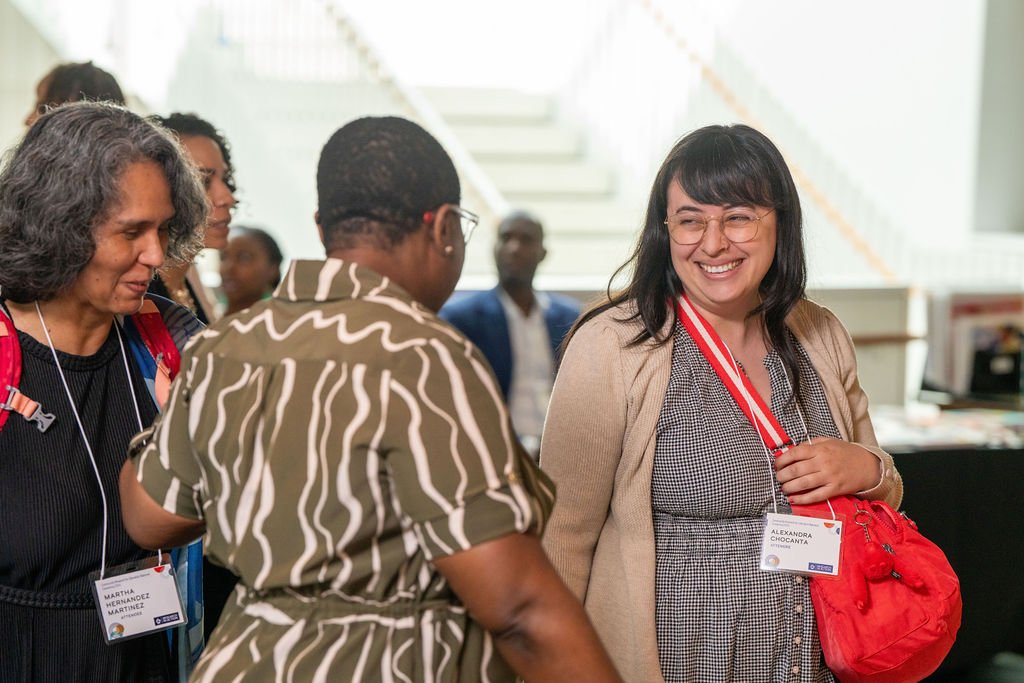
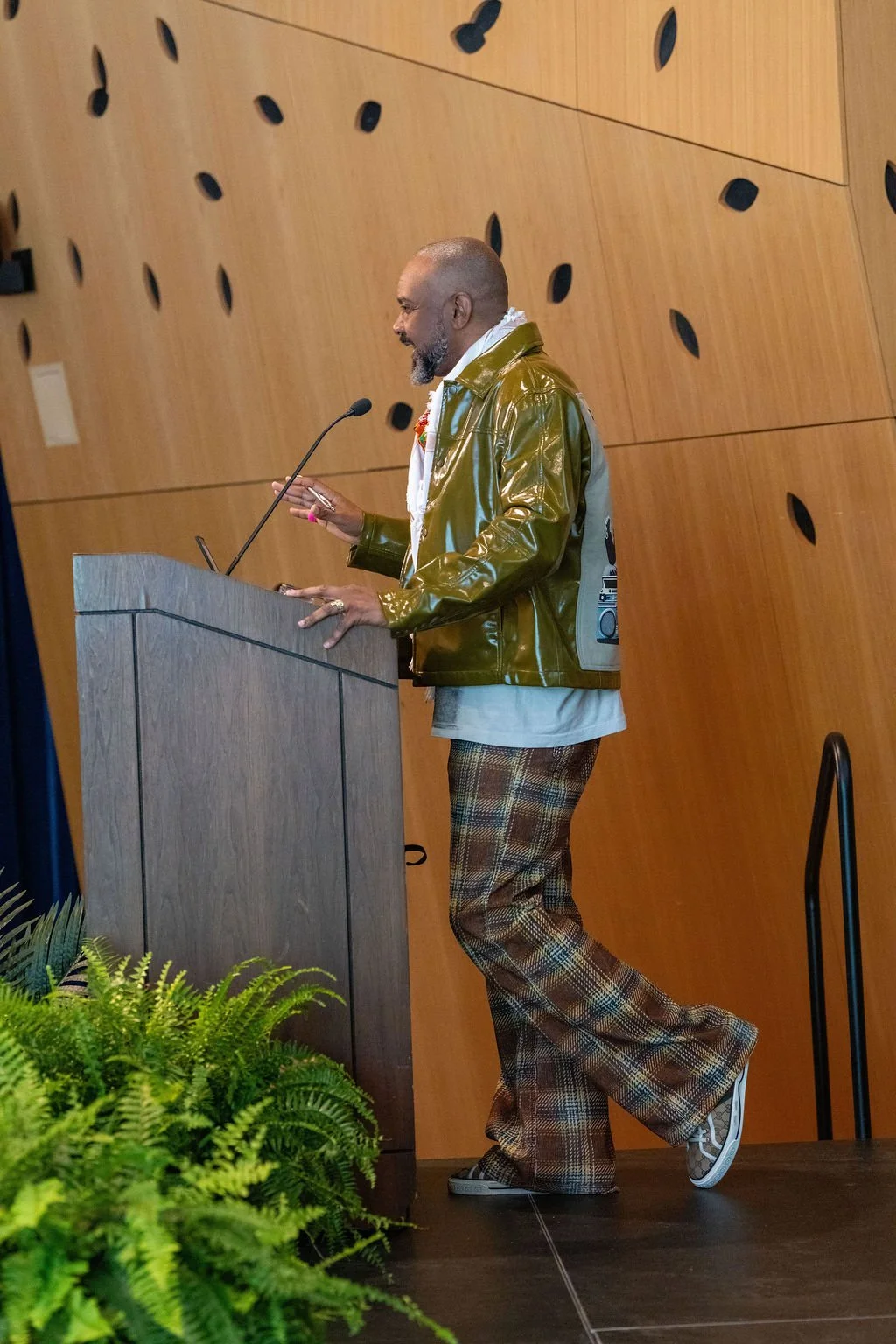
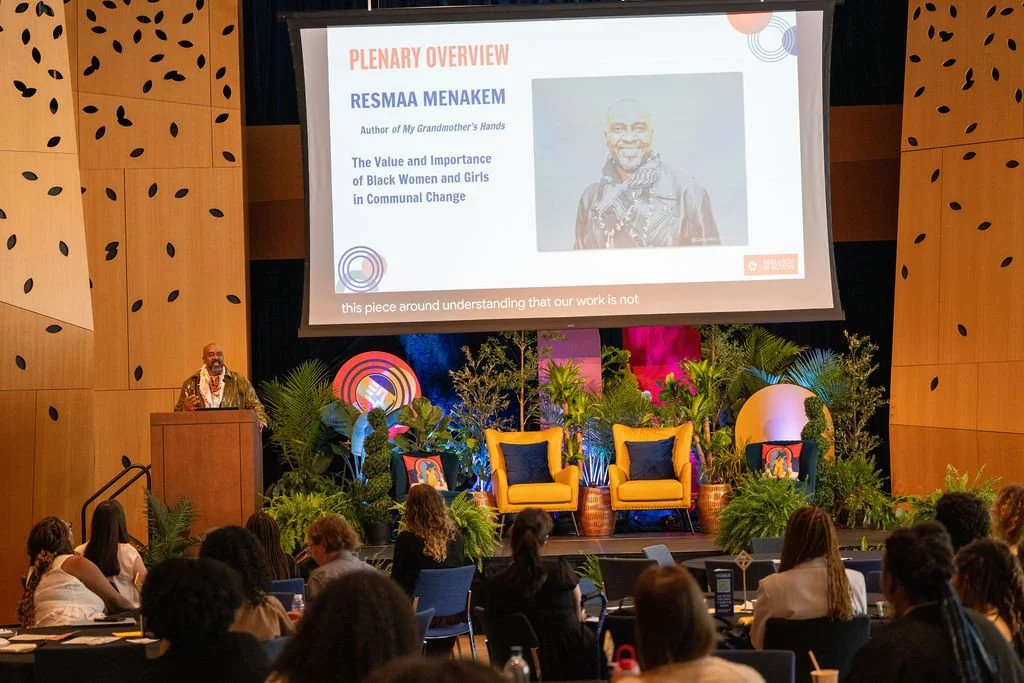
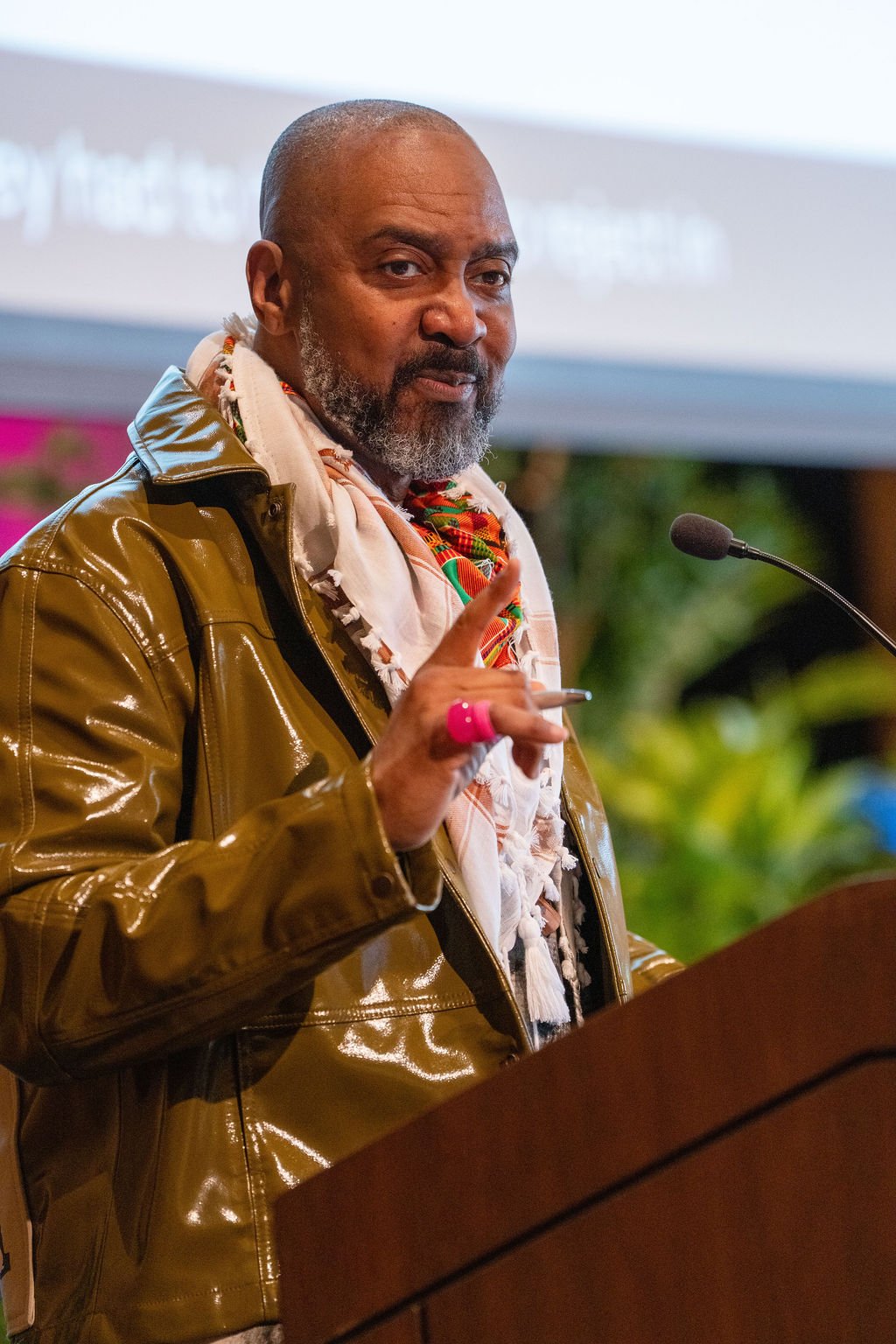
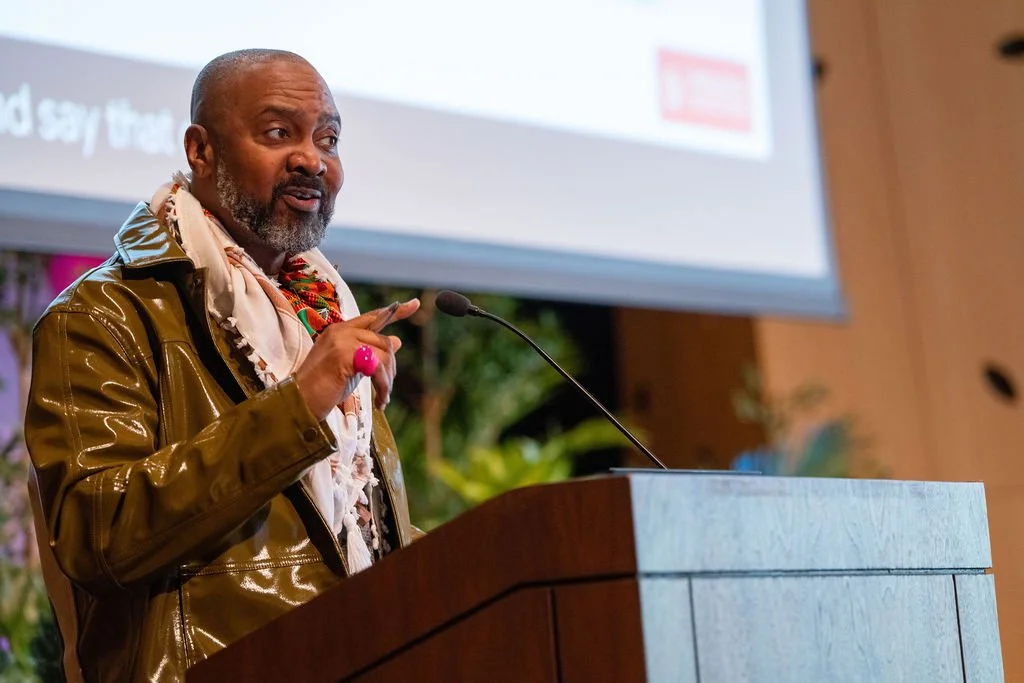
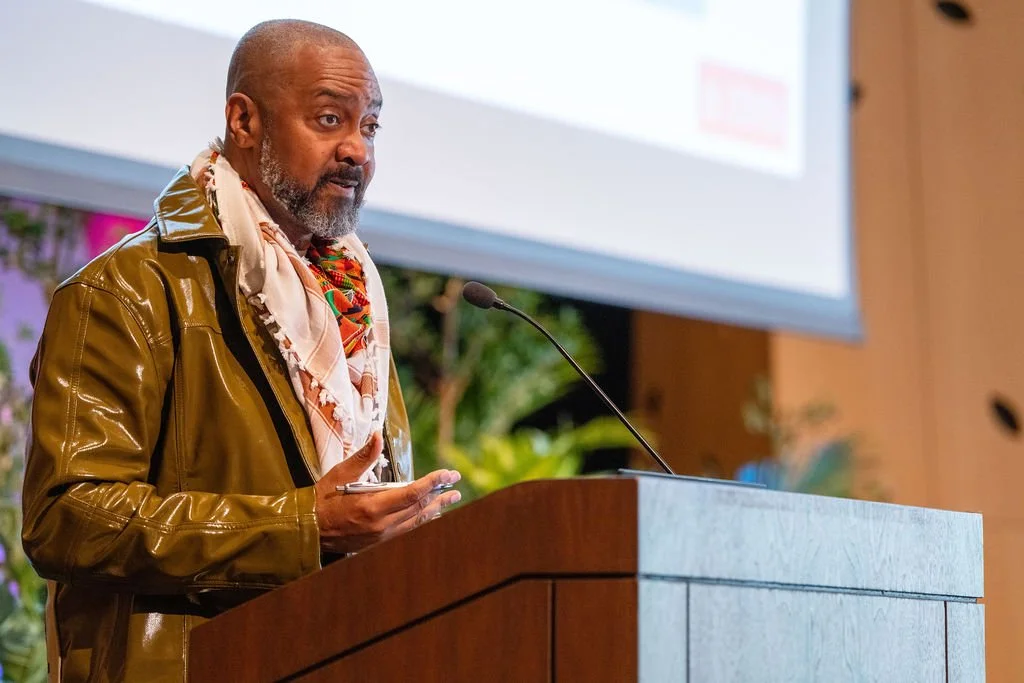
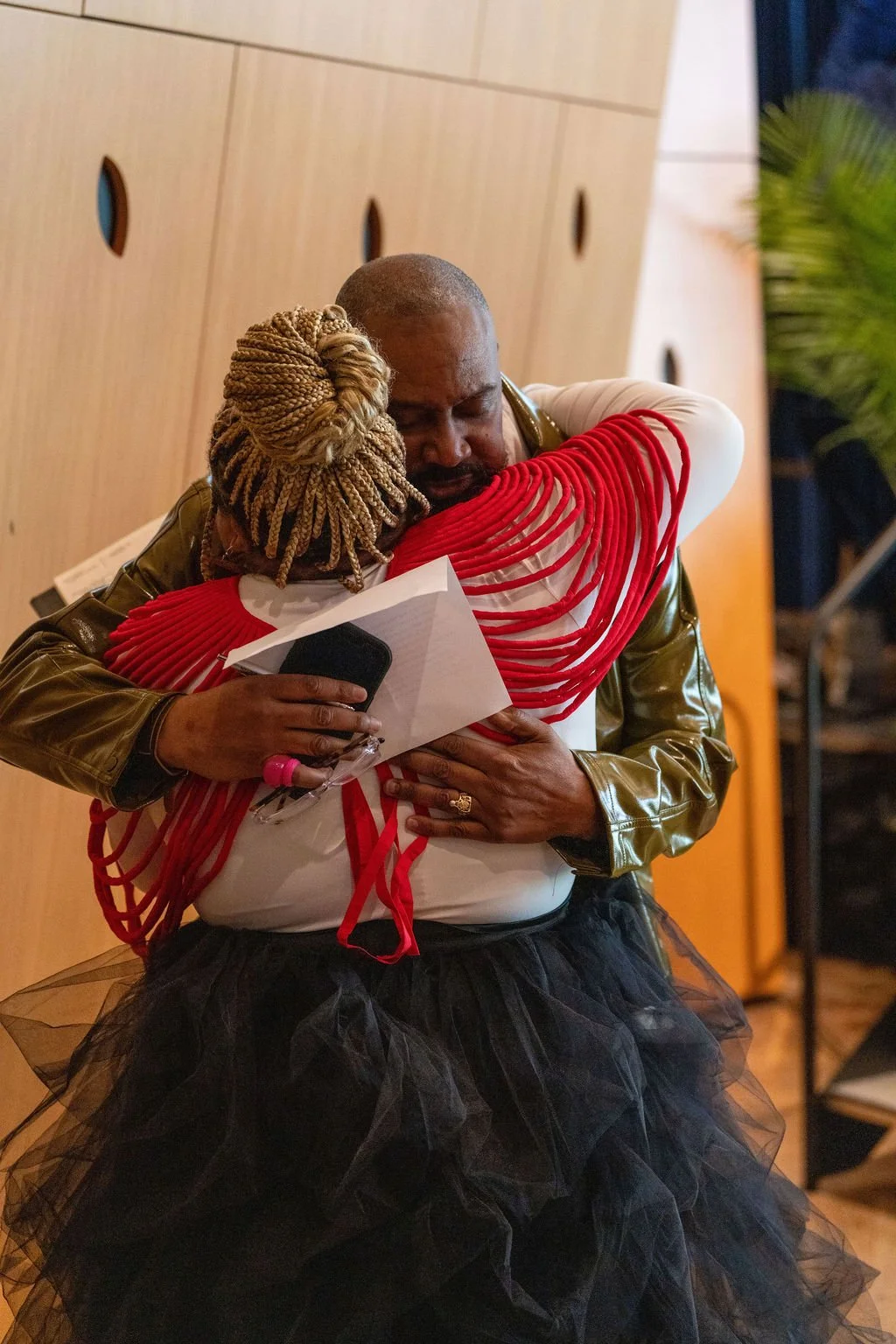
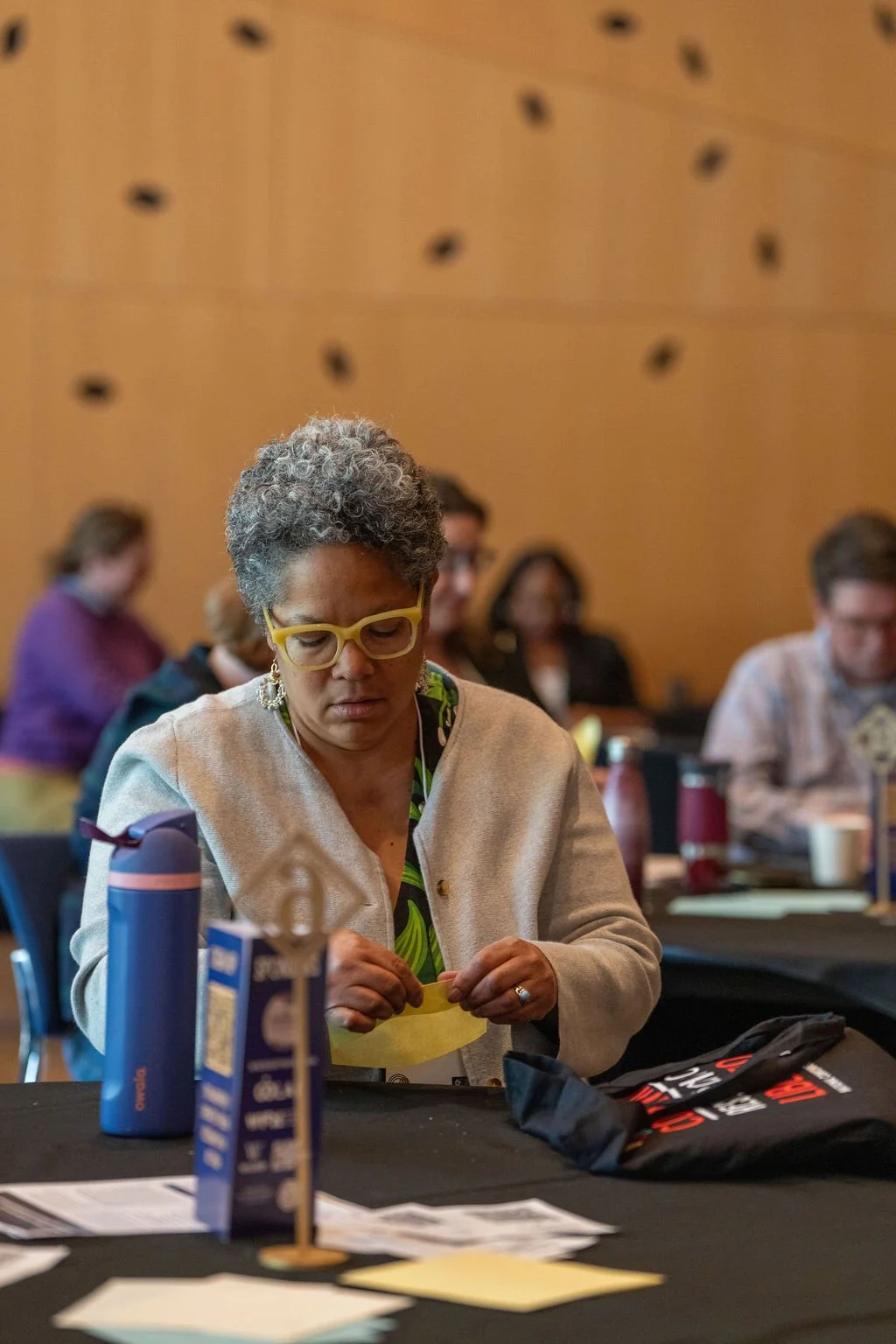
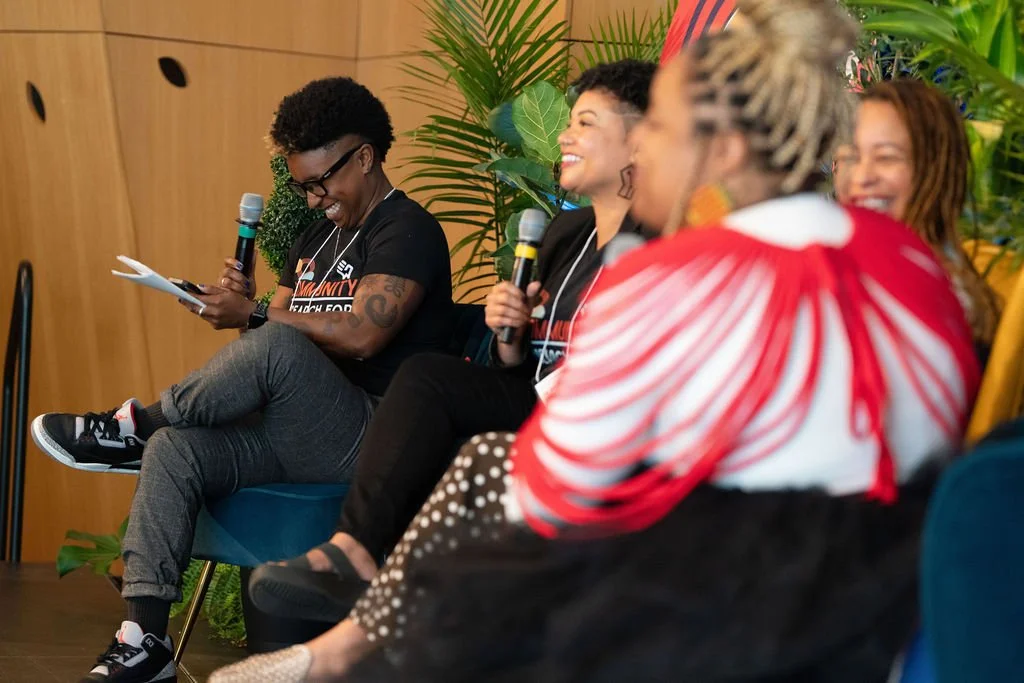
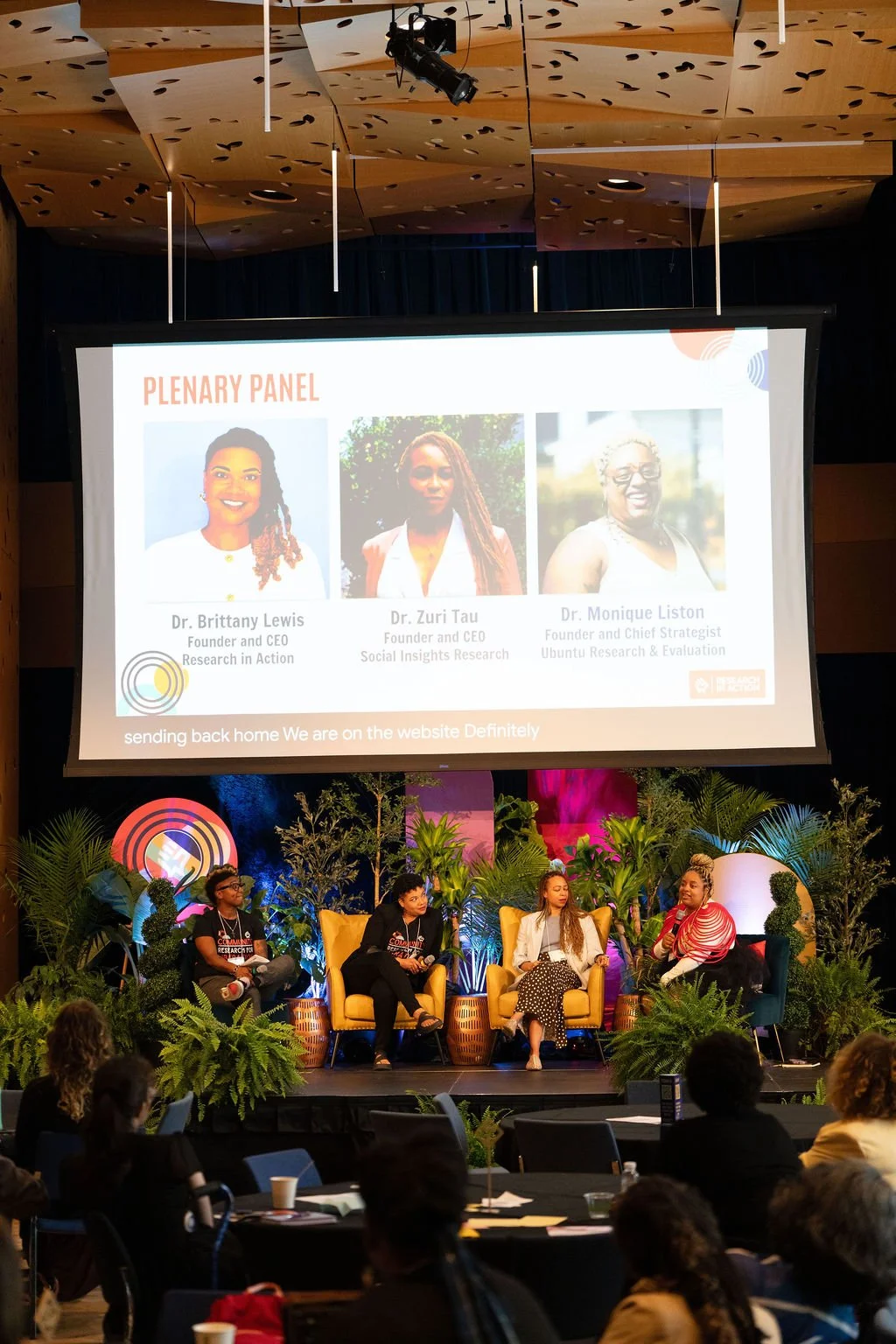
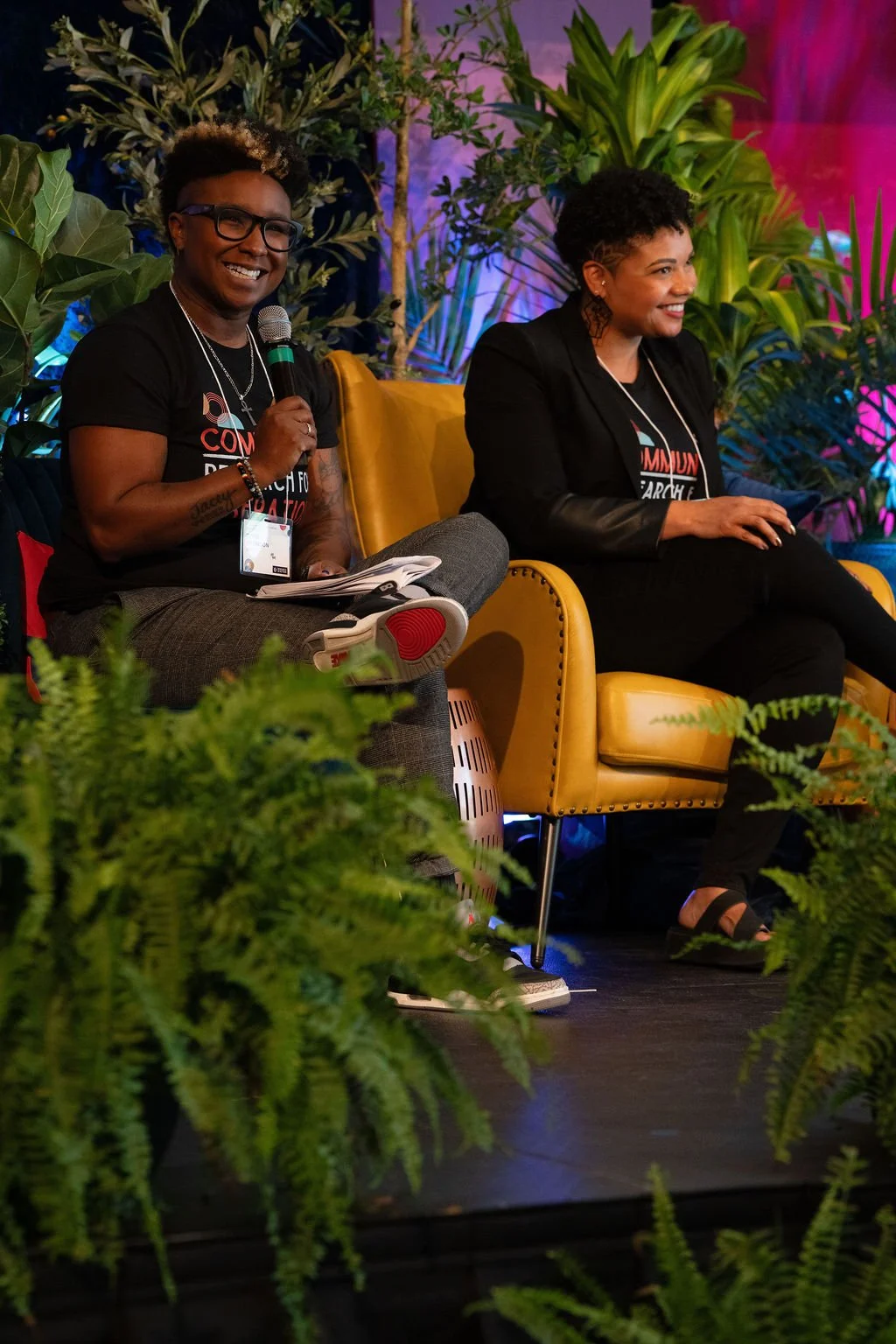
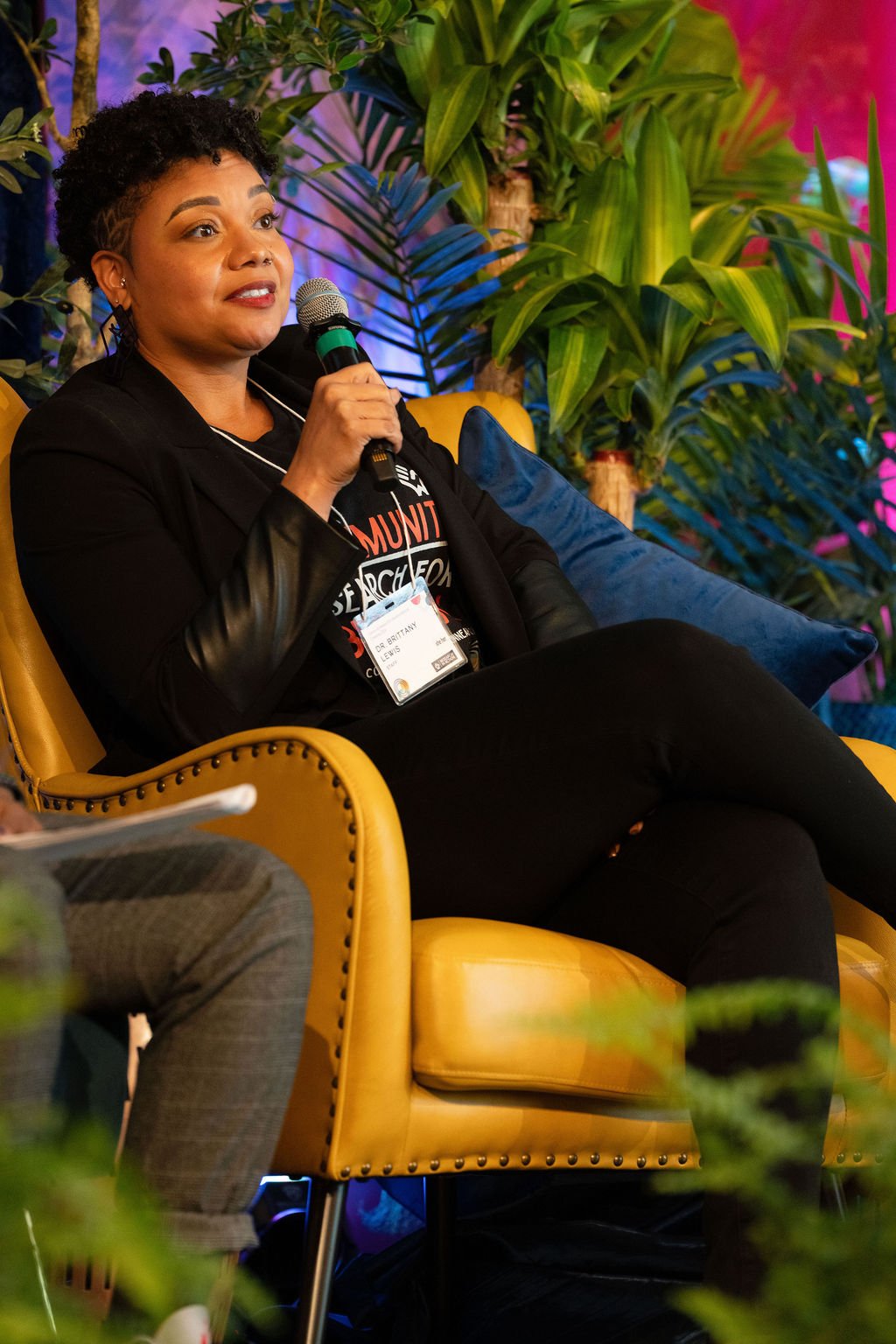
2026 Photo Gallery
Photos by Roosevelt Mansfield
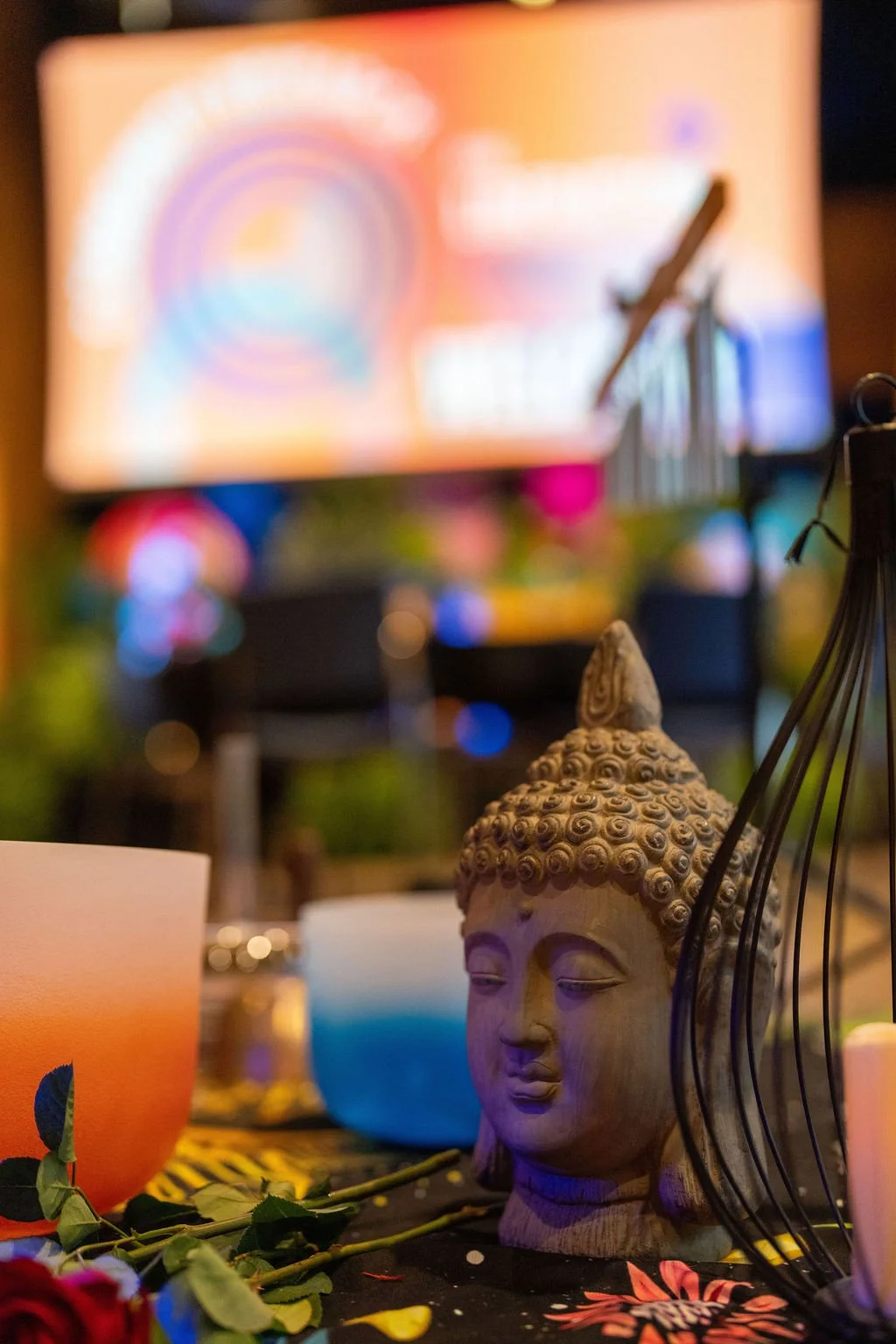
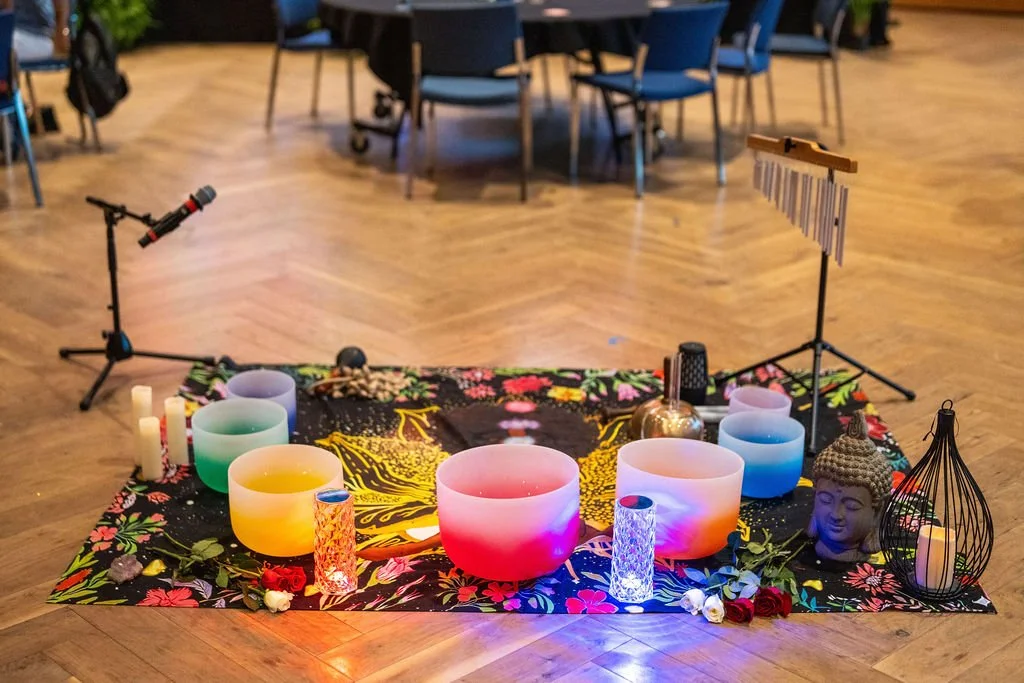
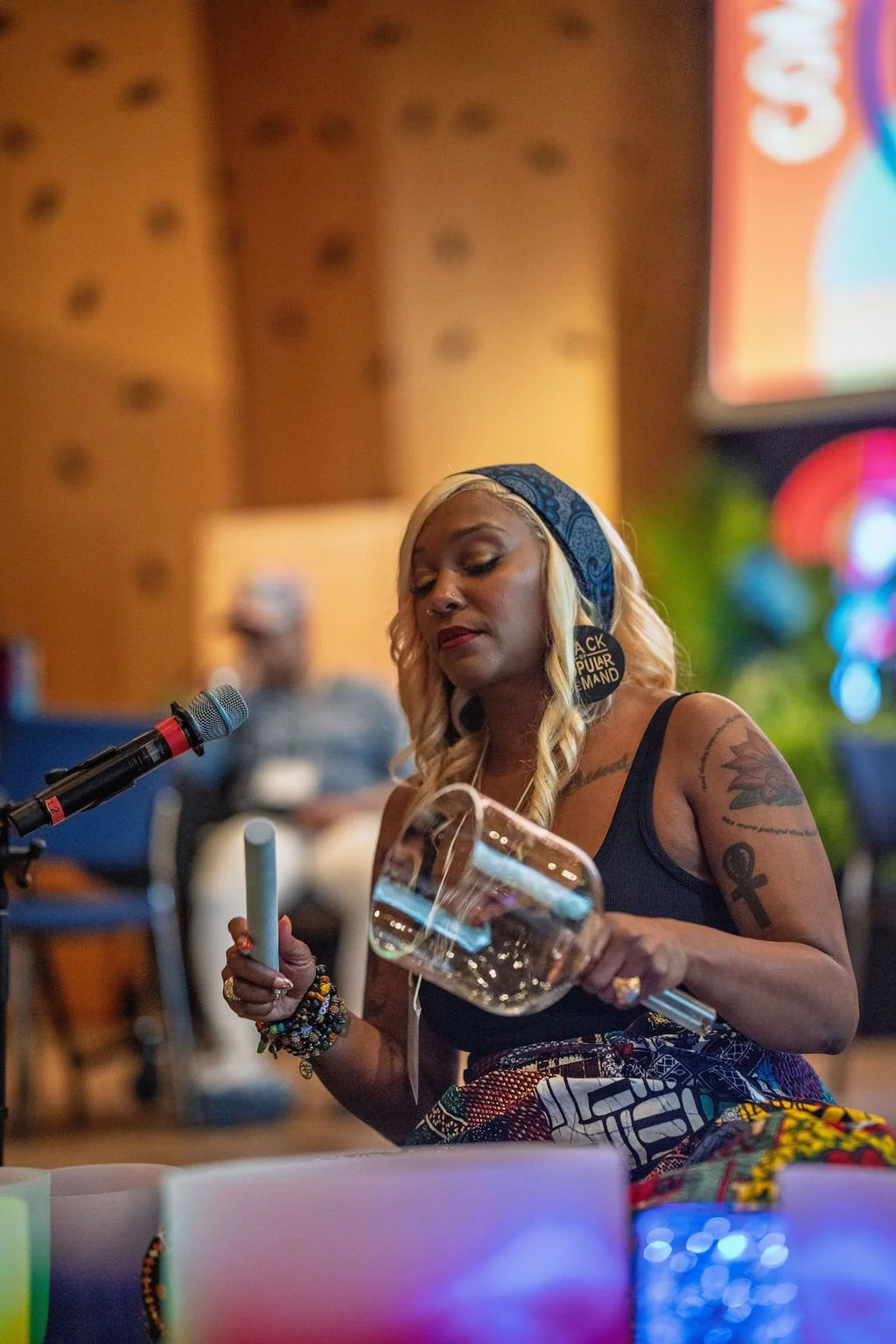
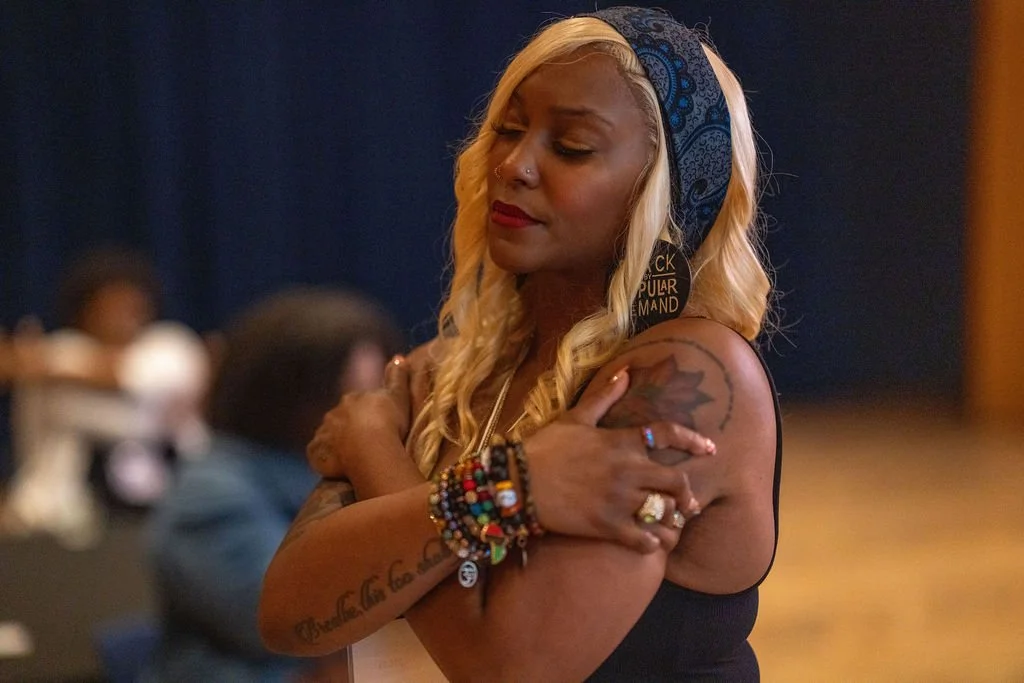
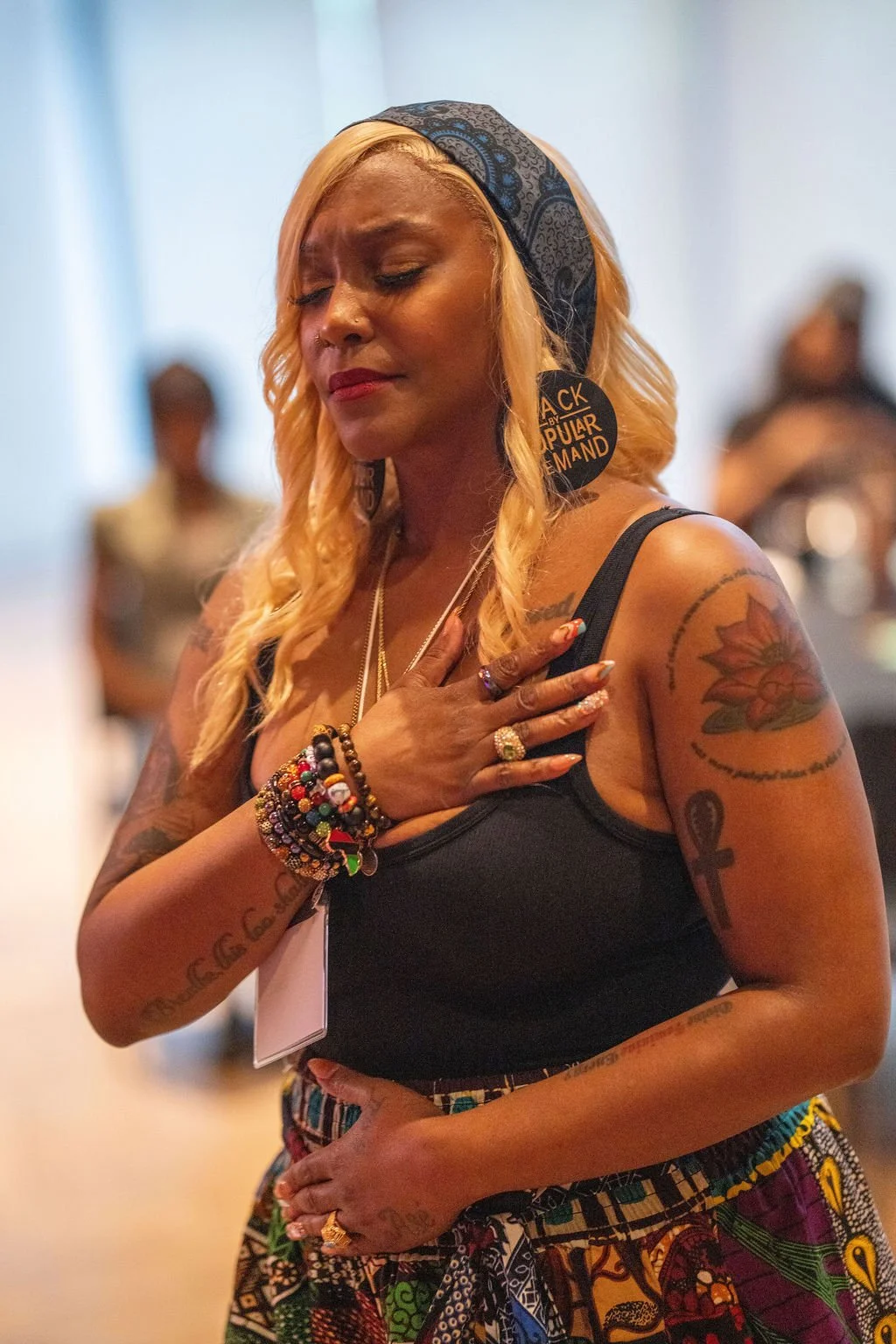
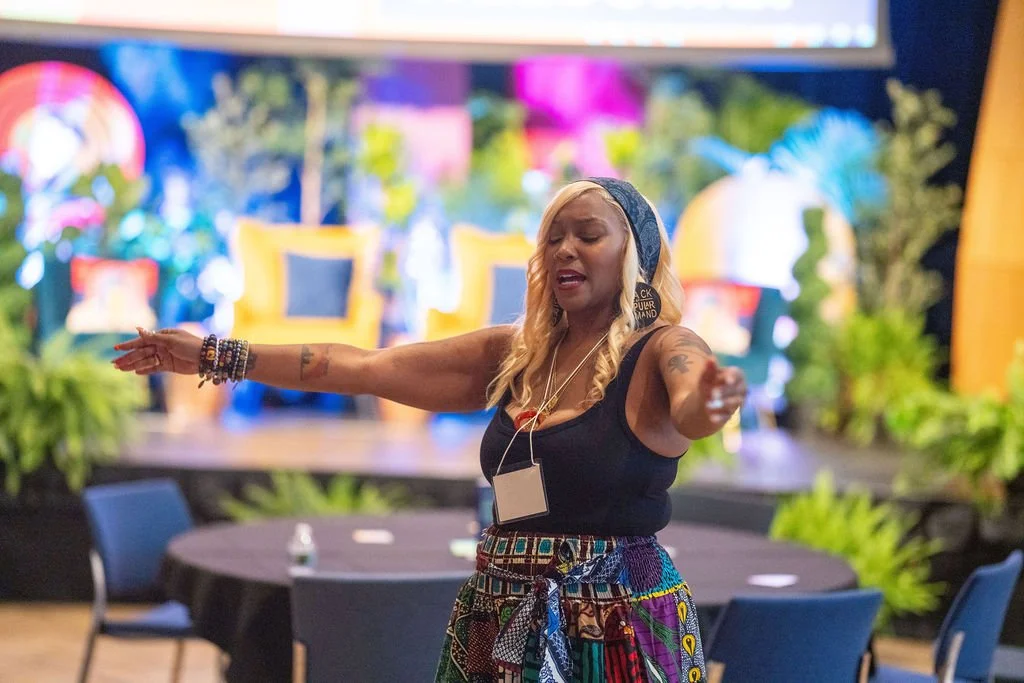
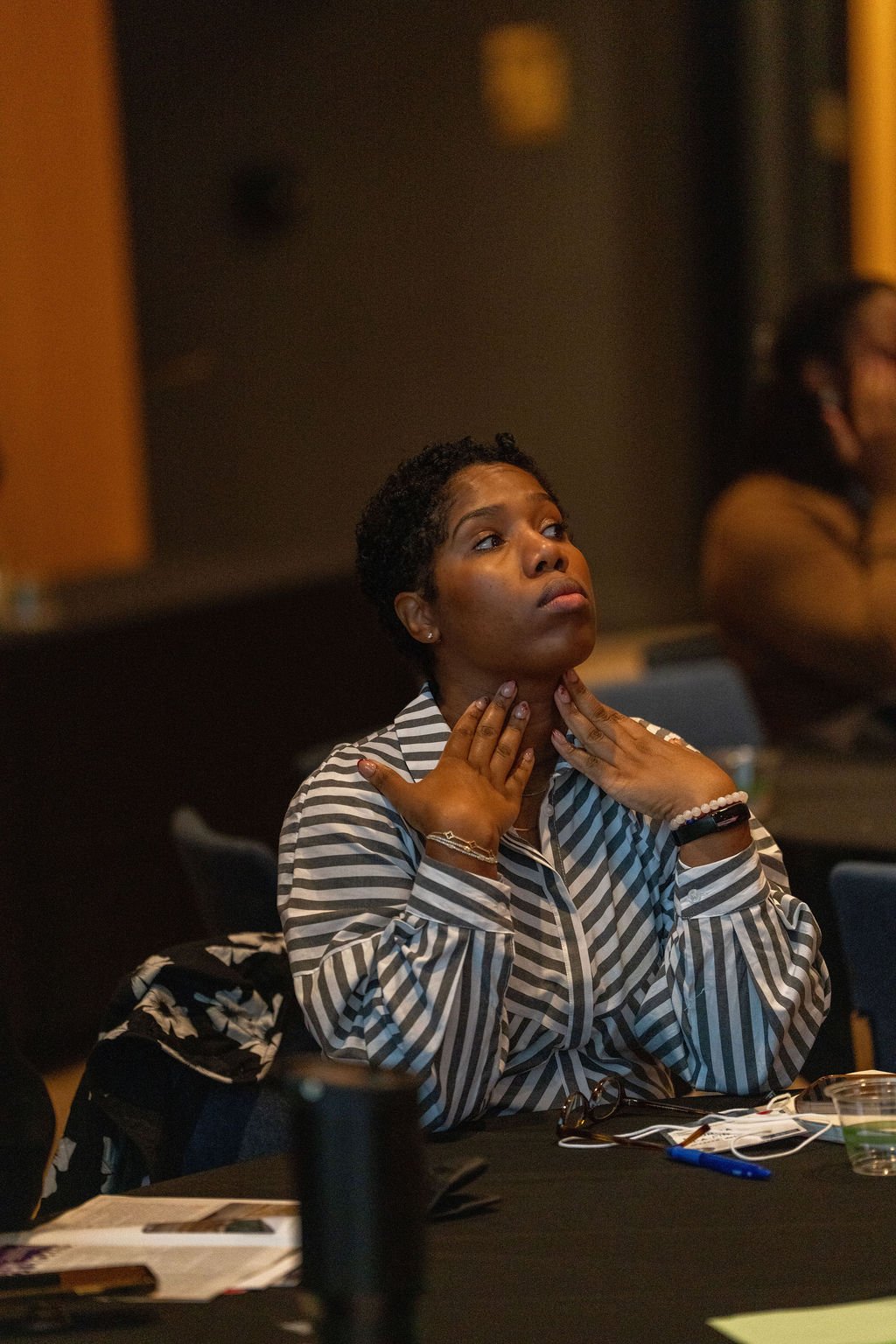
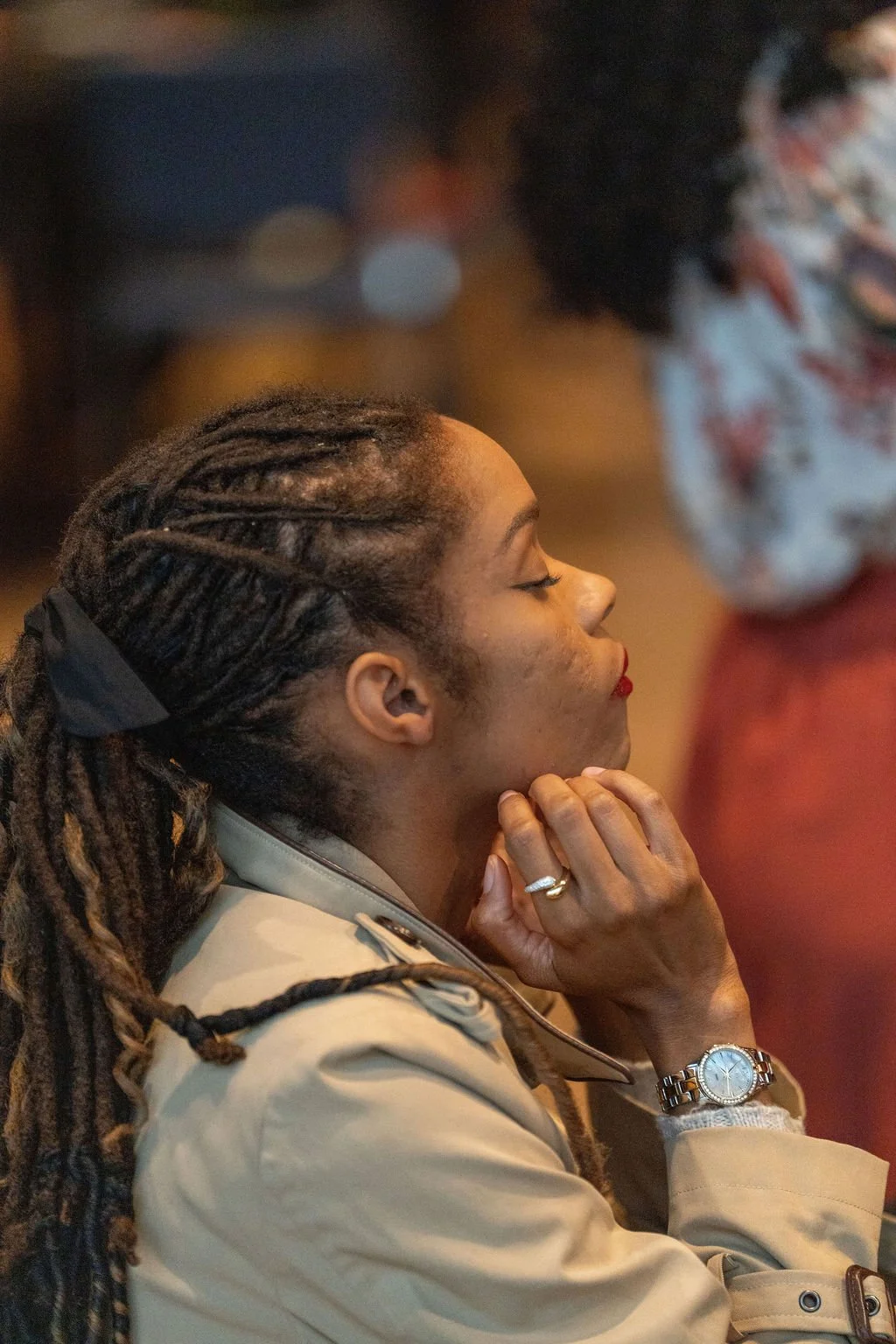
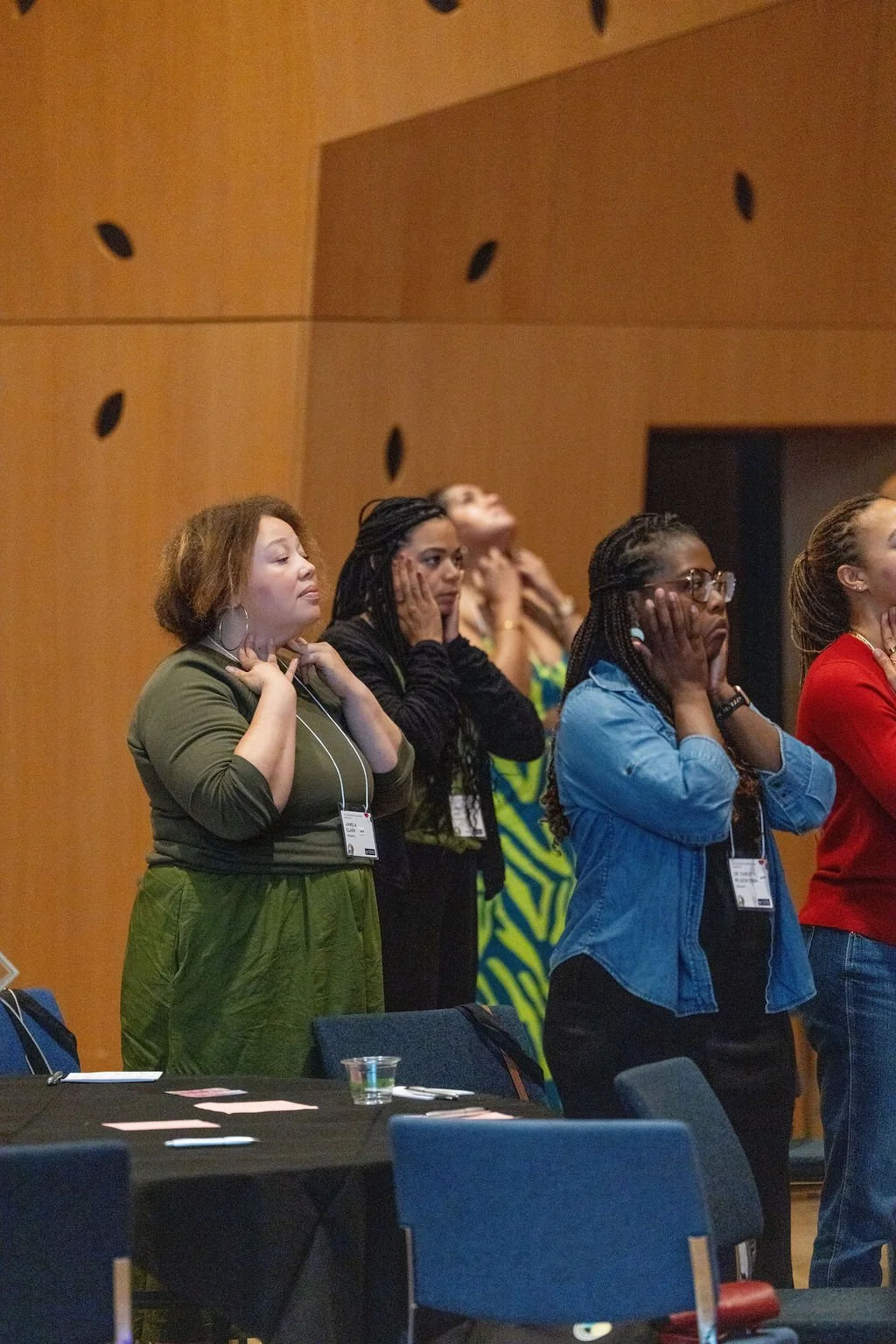
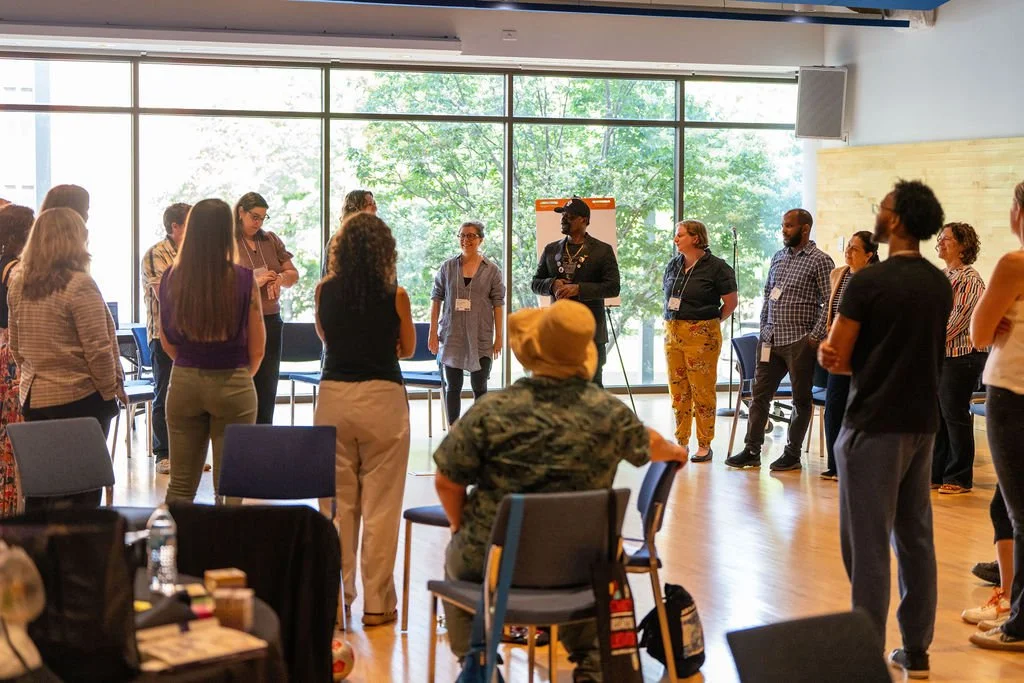
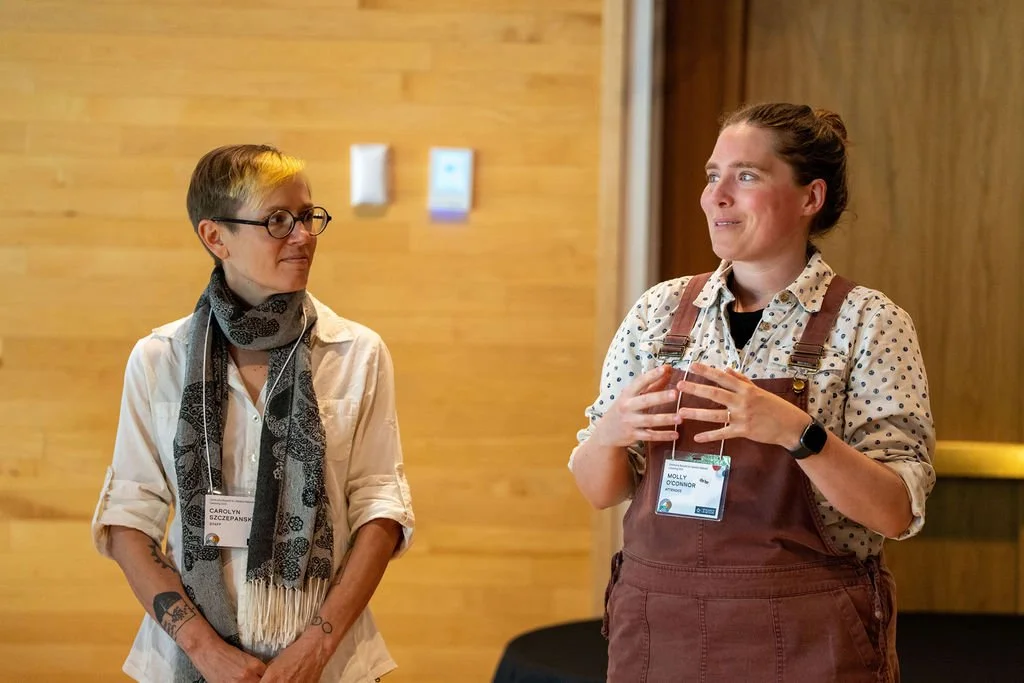
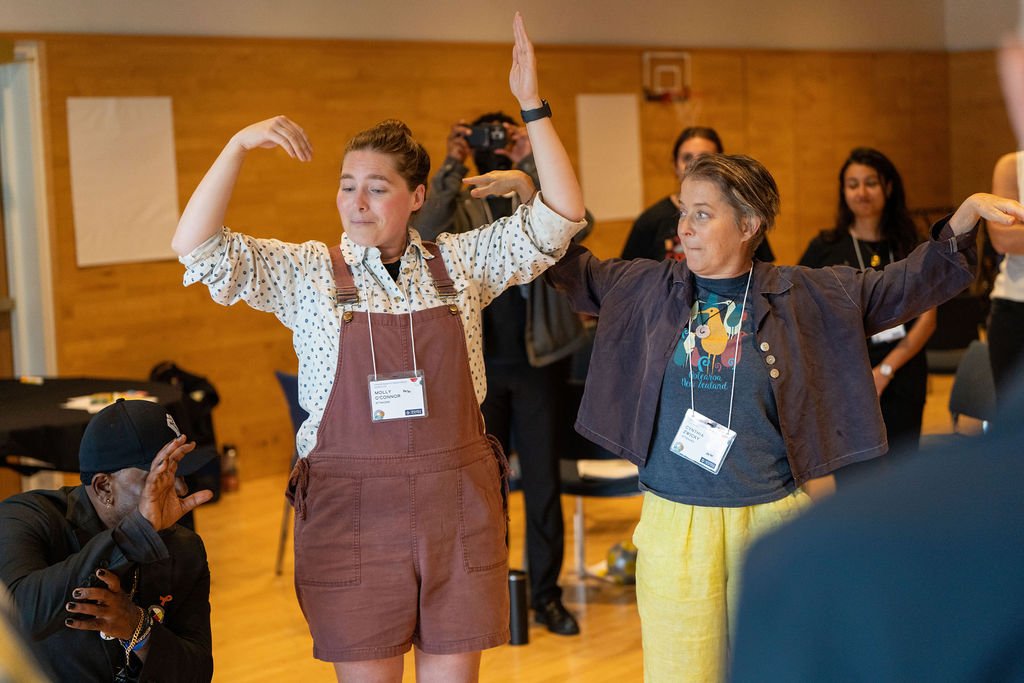
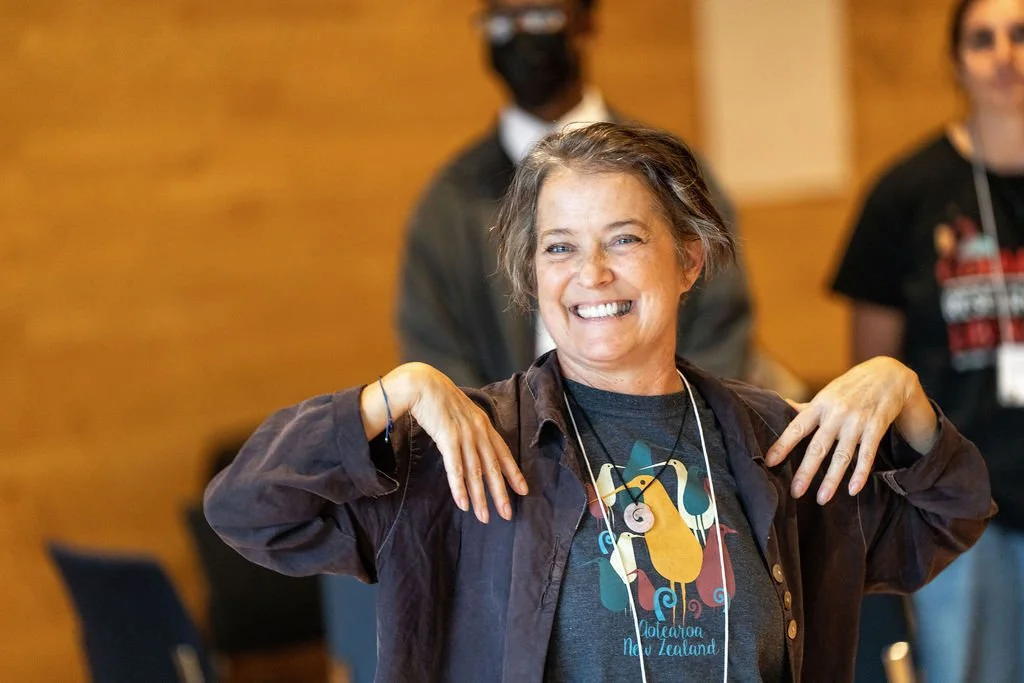
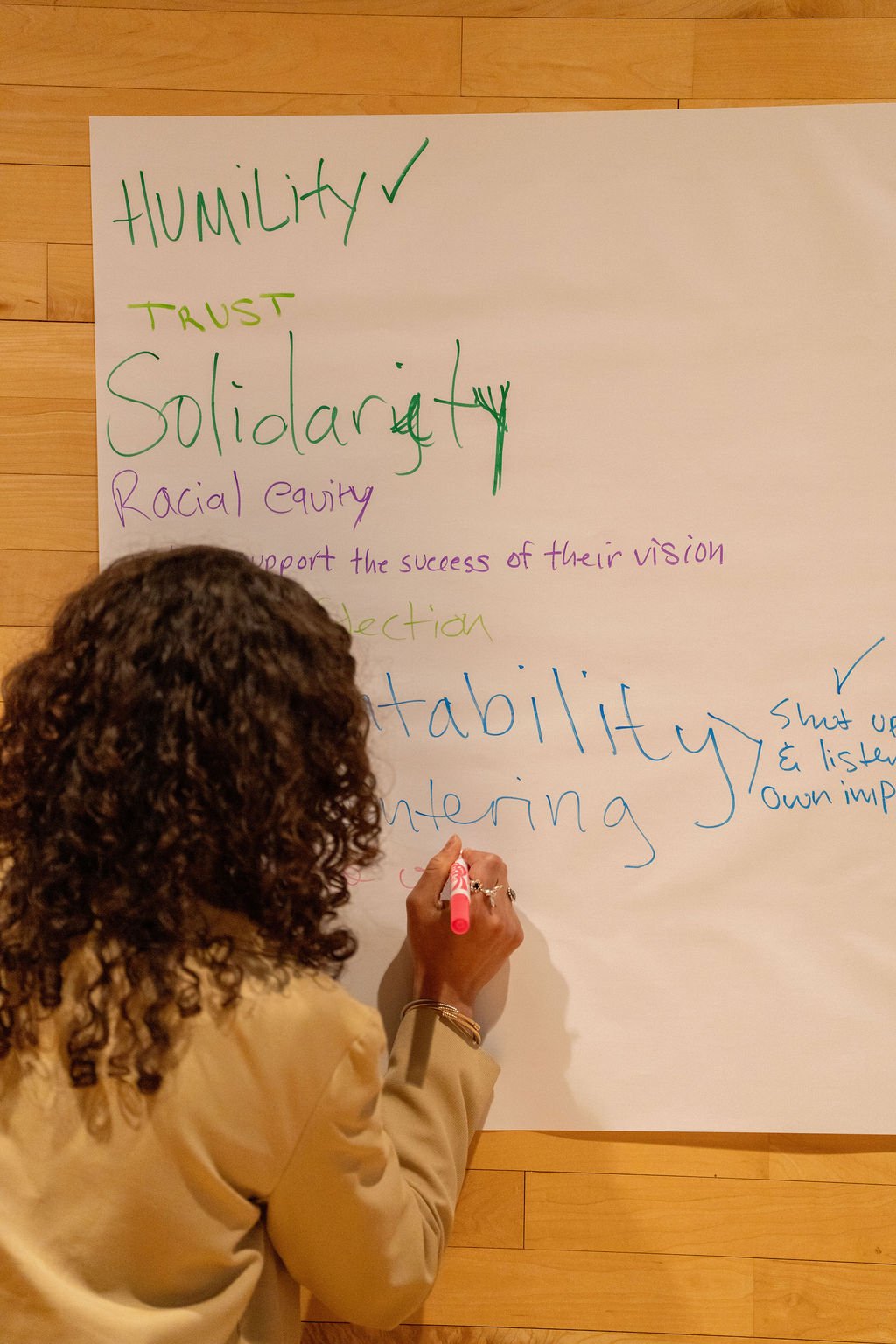
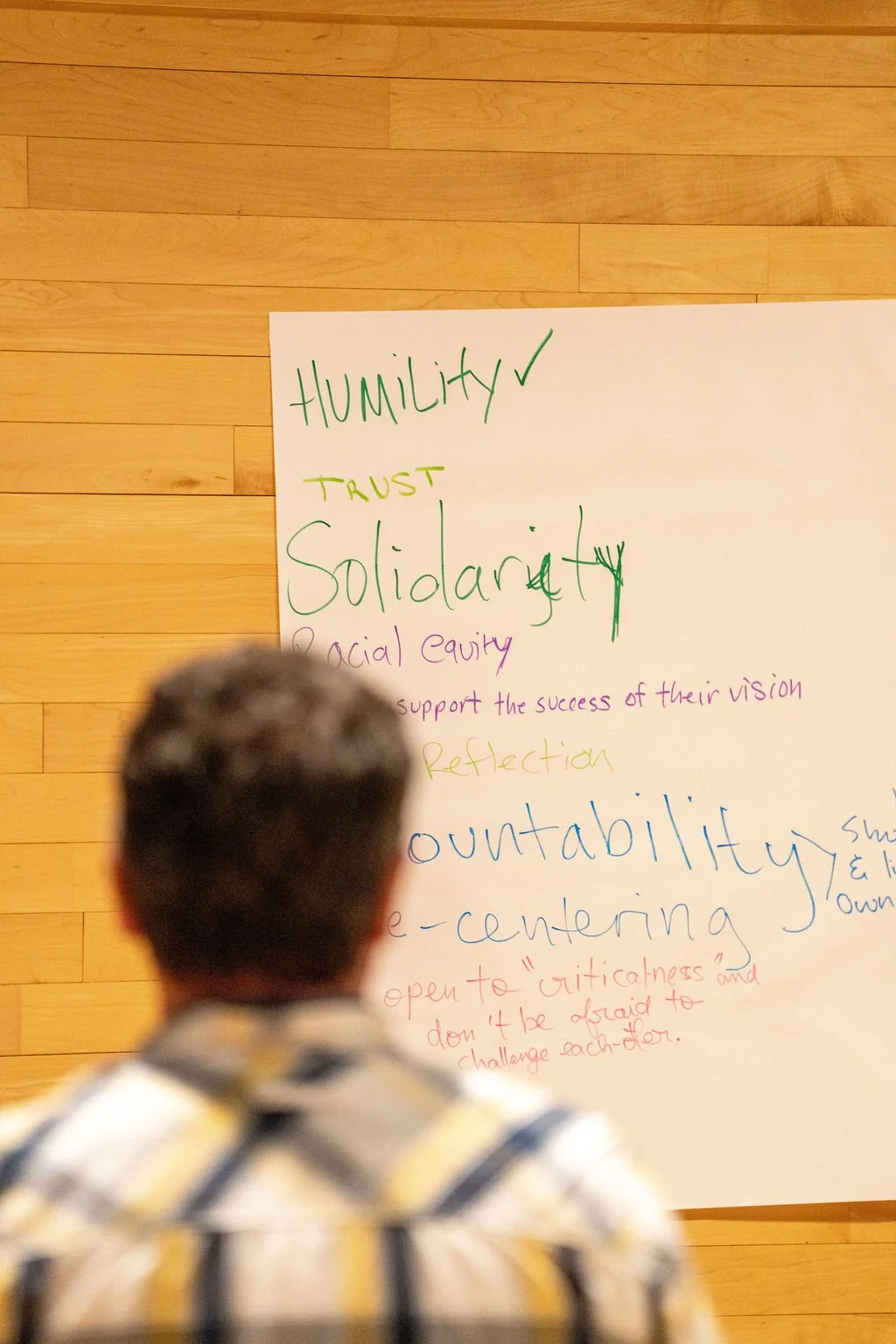
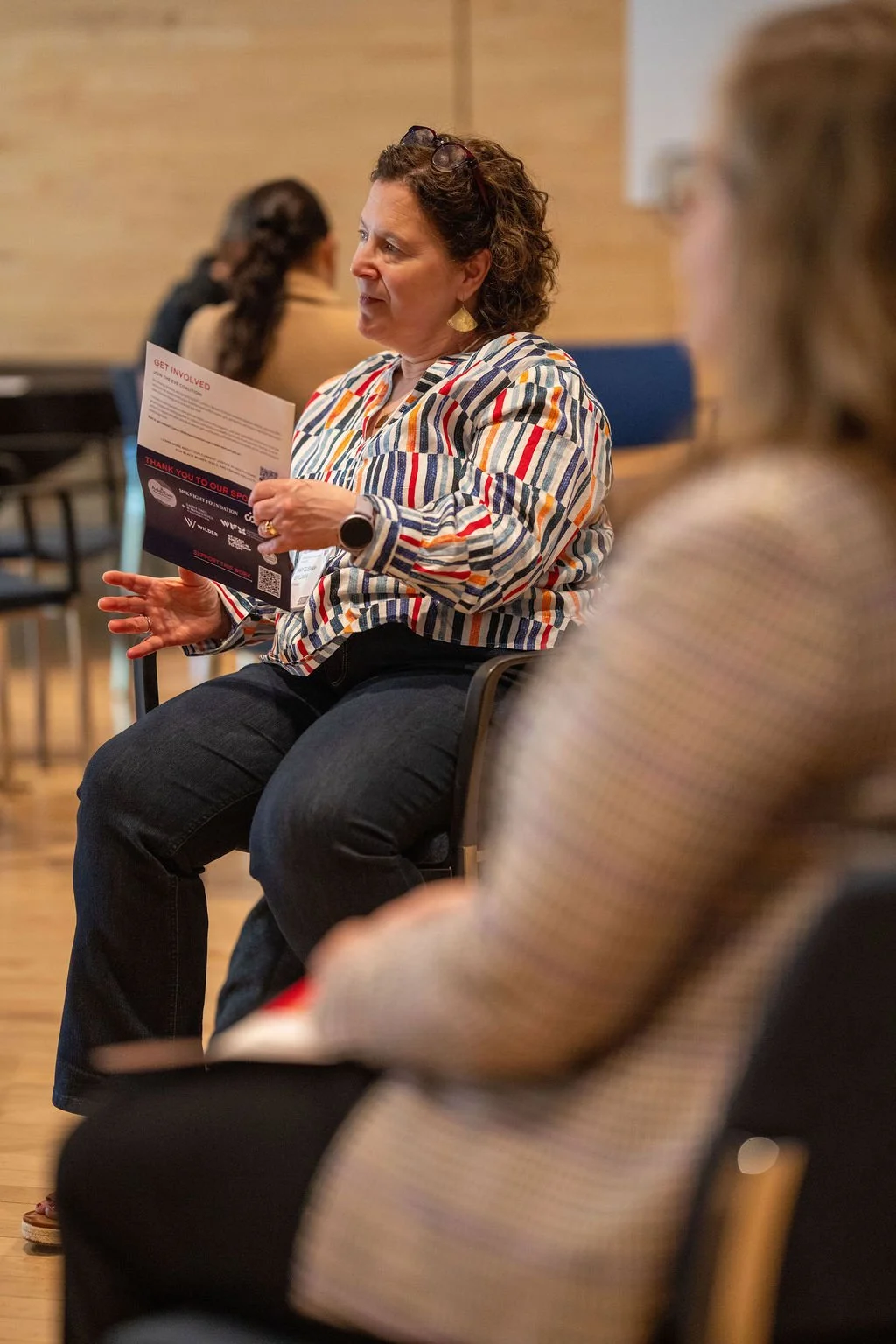
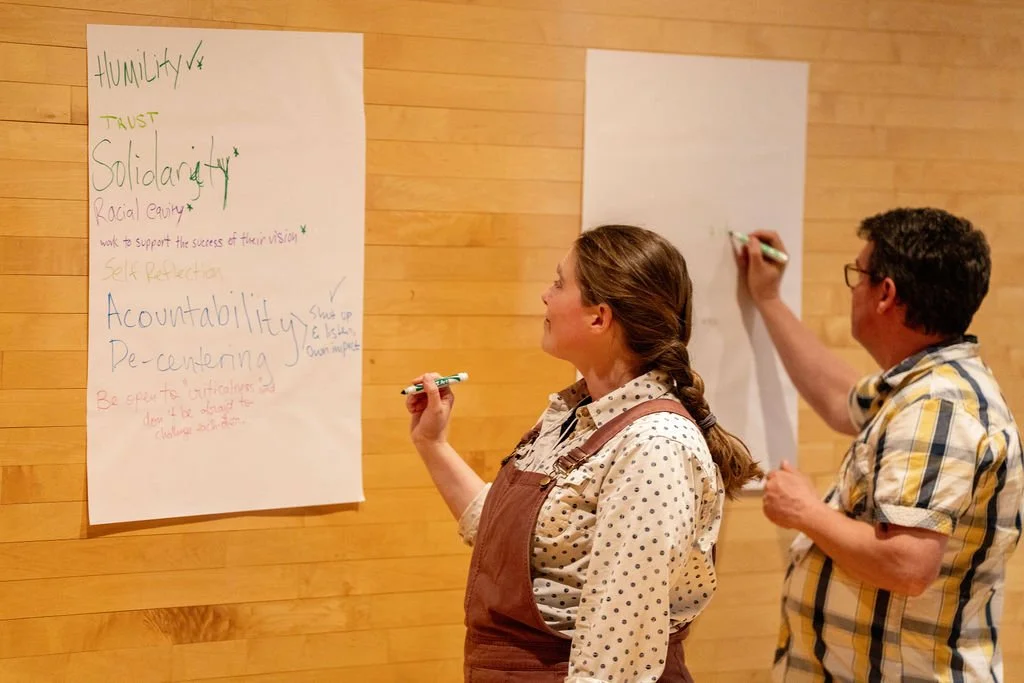
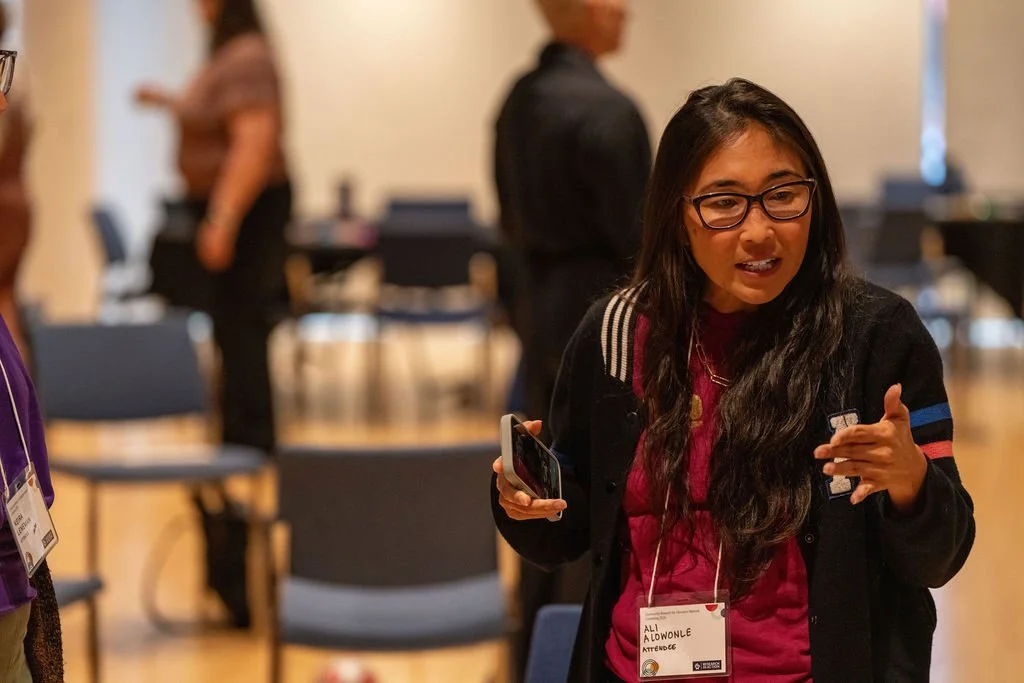
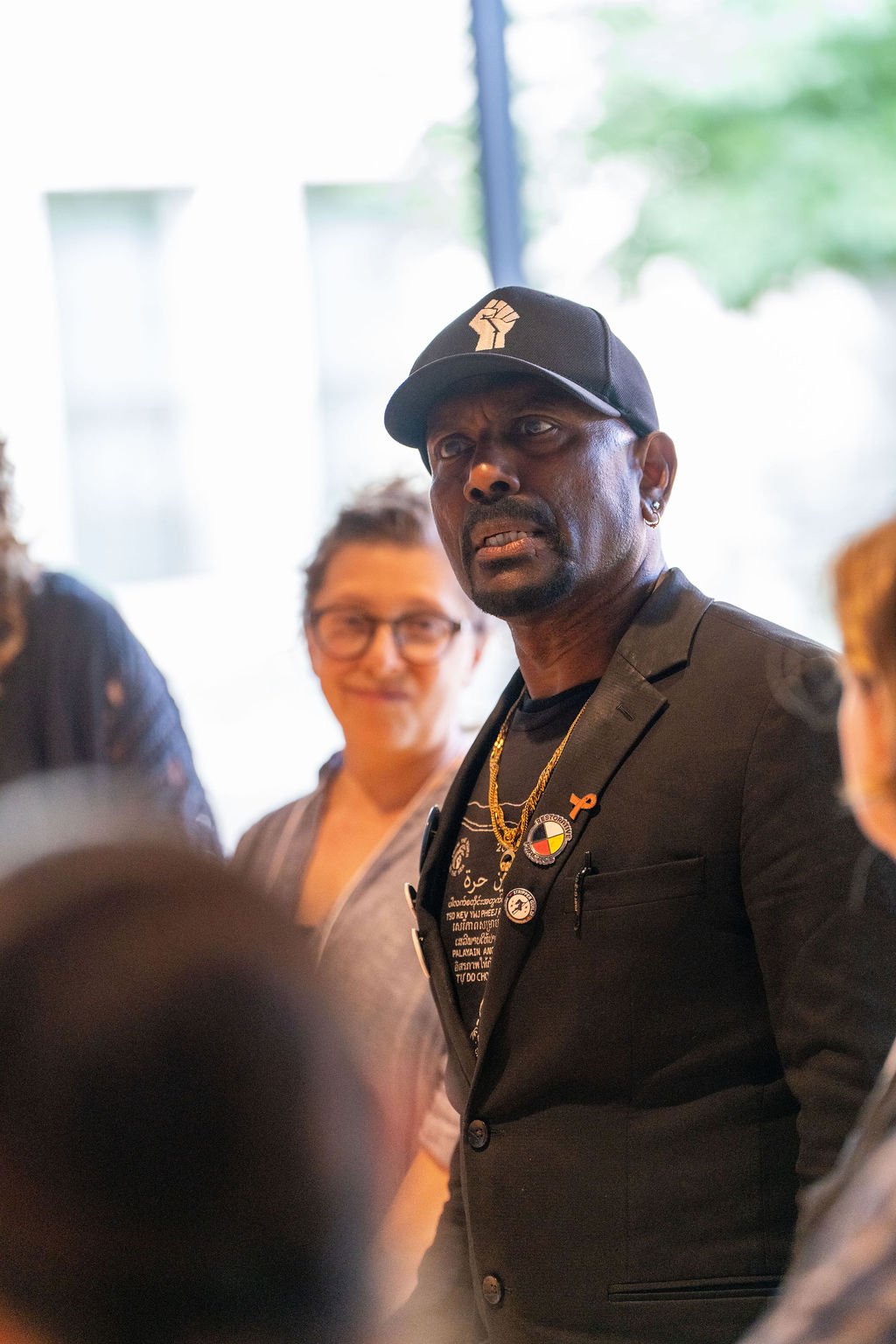
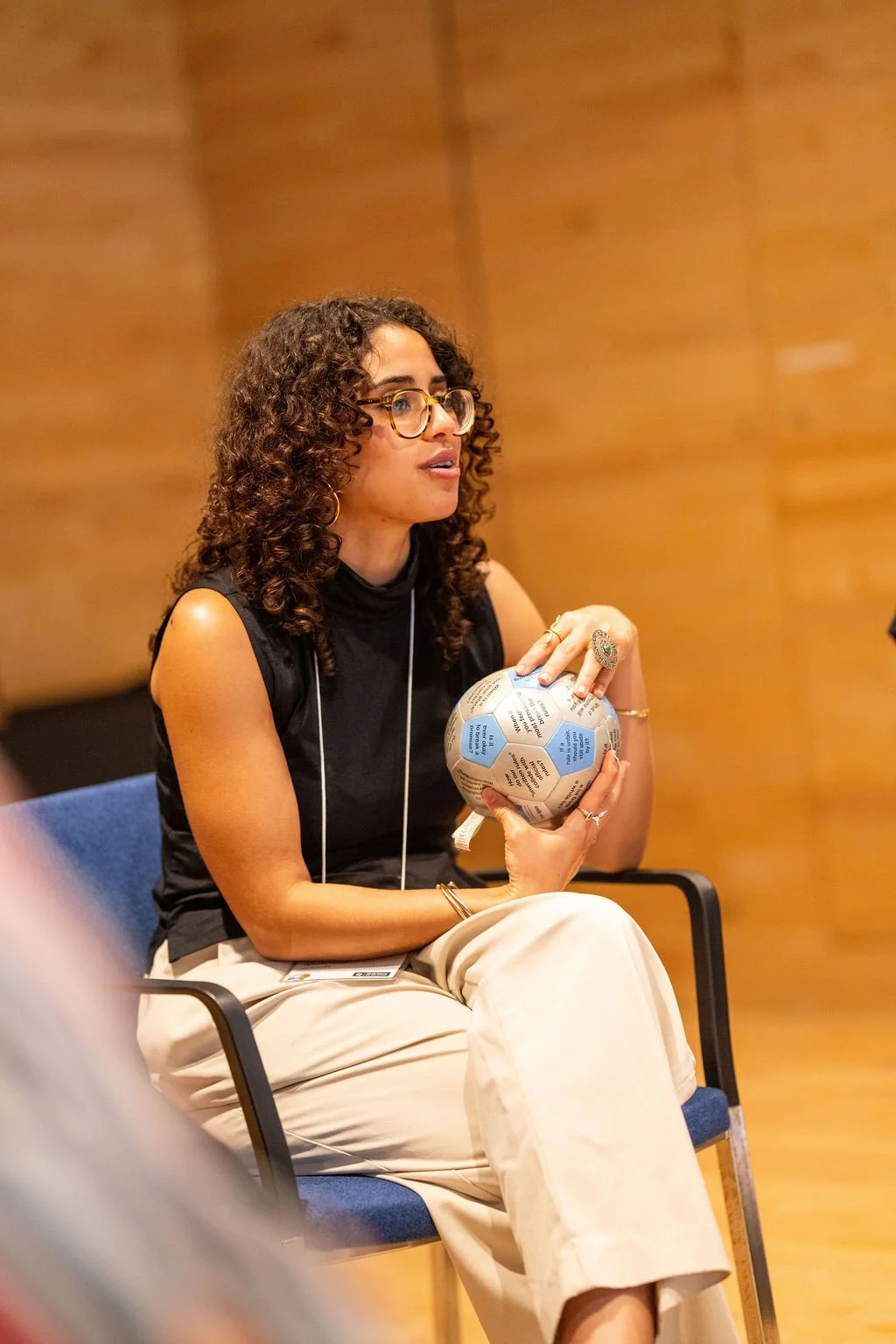
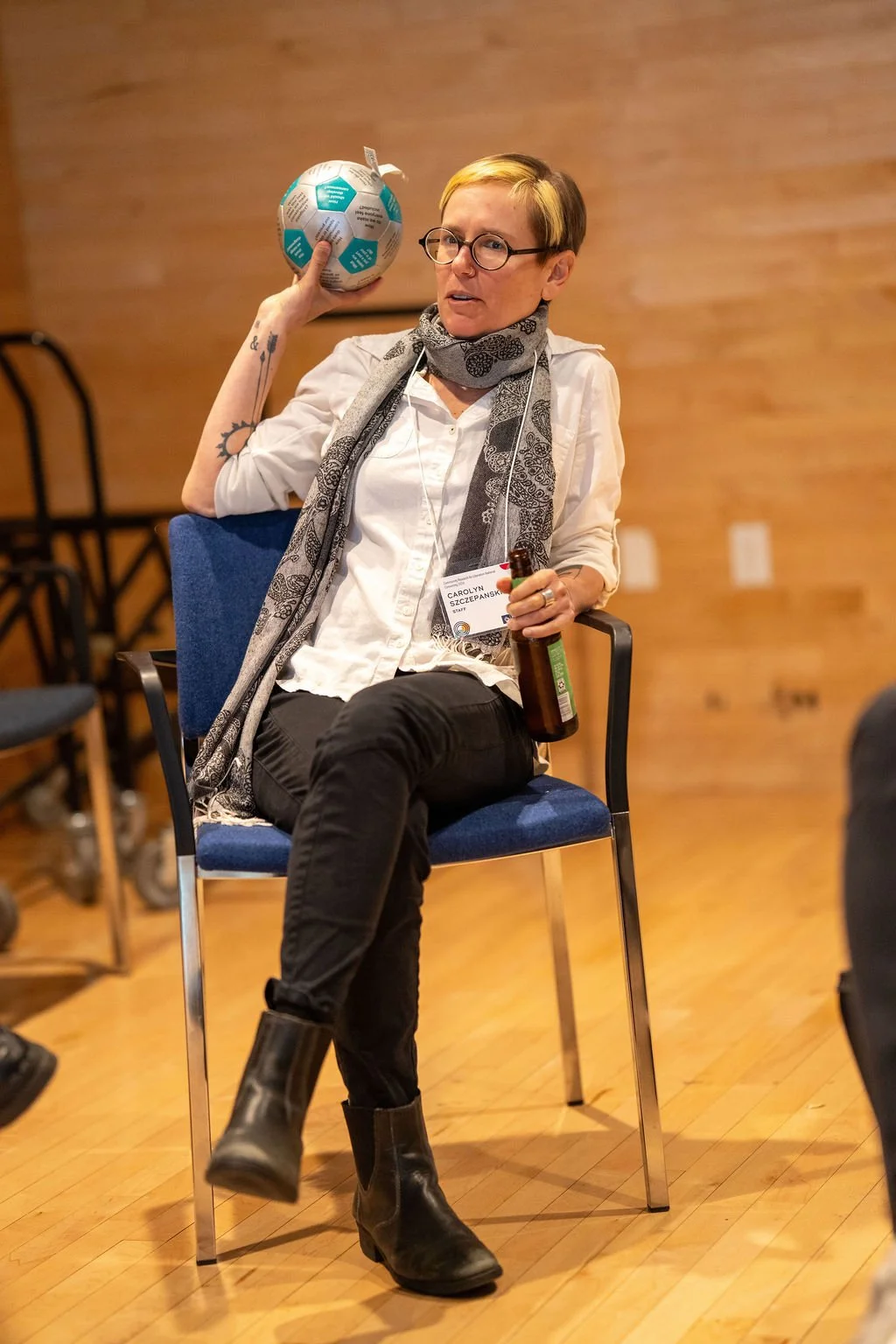
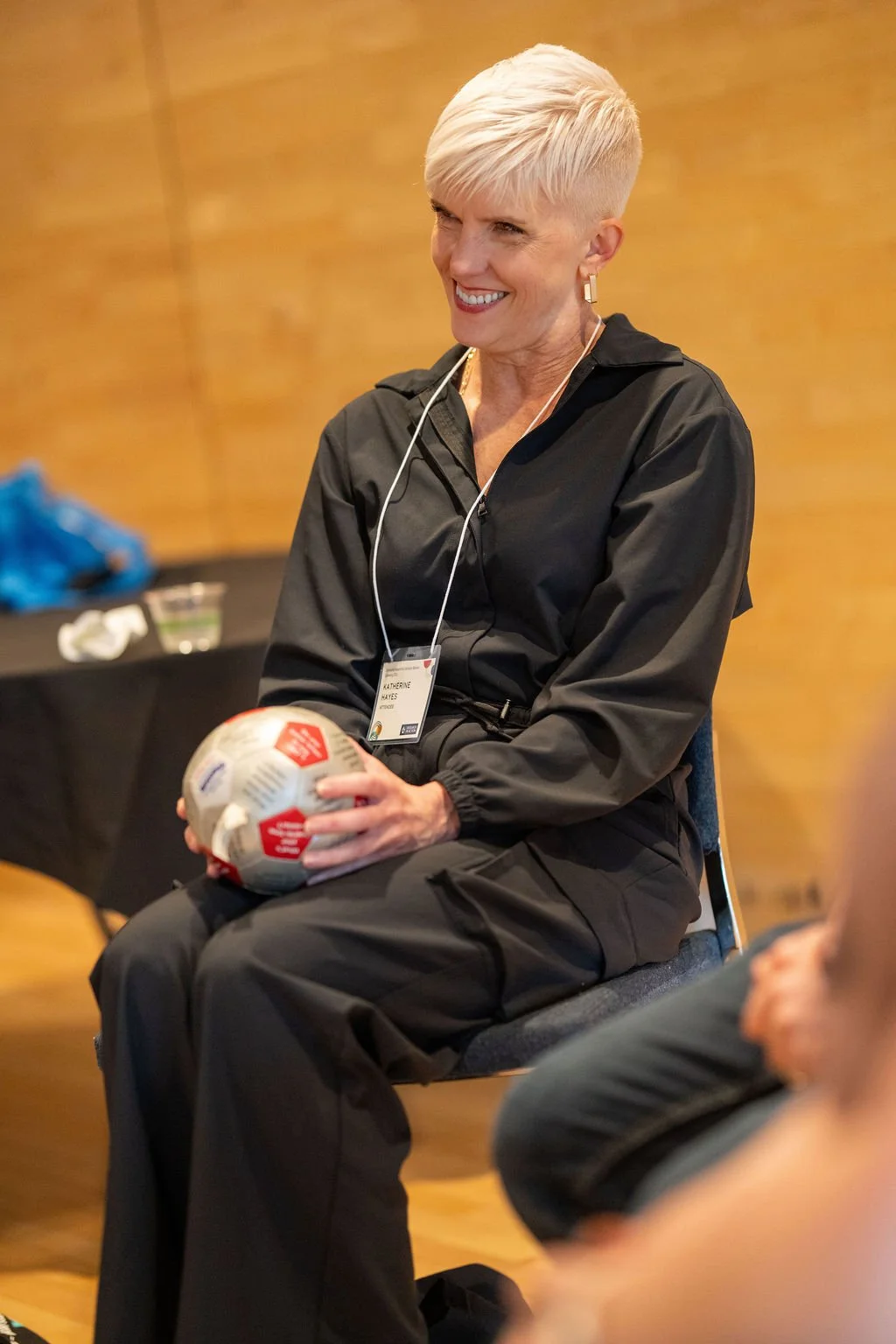
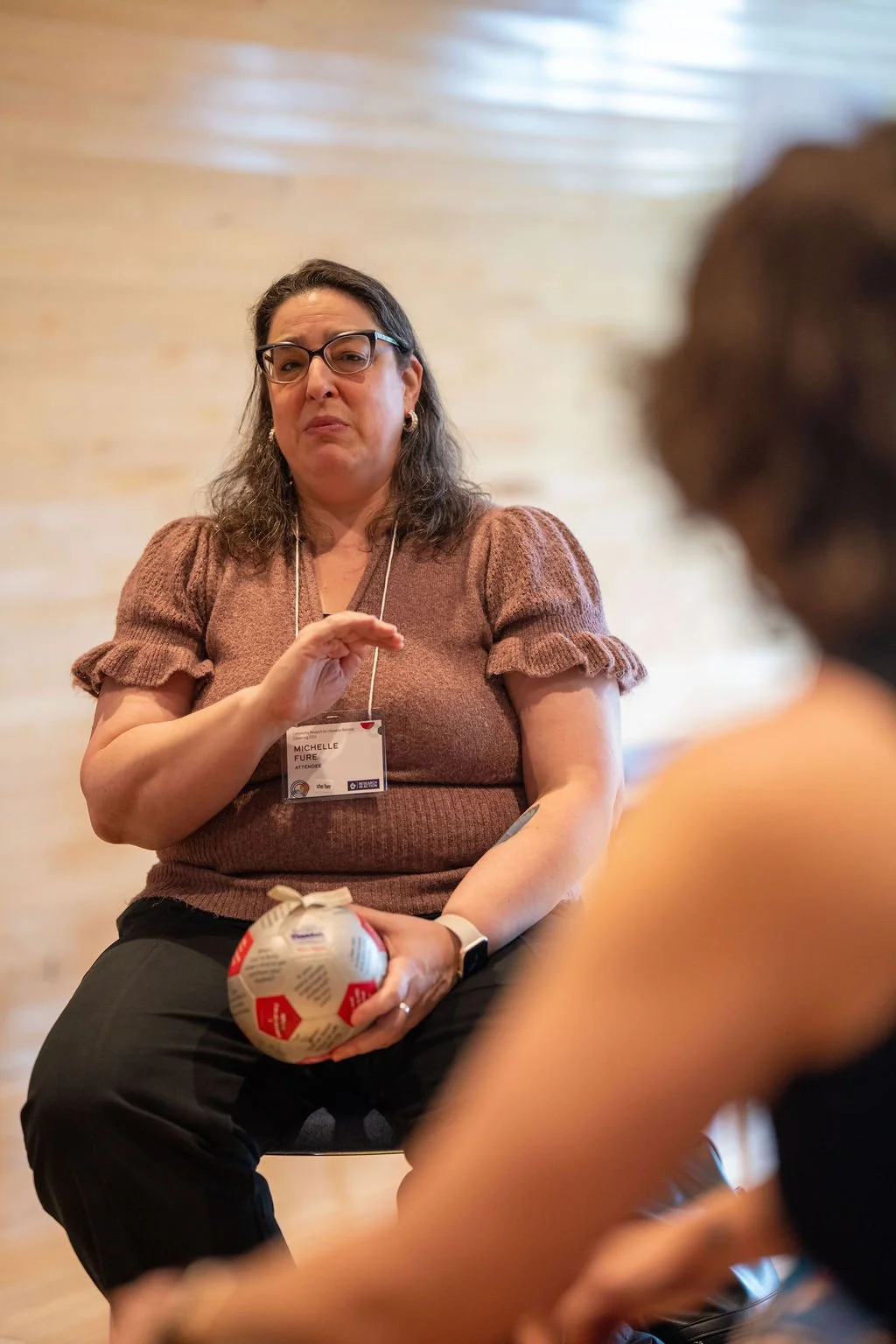
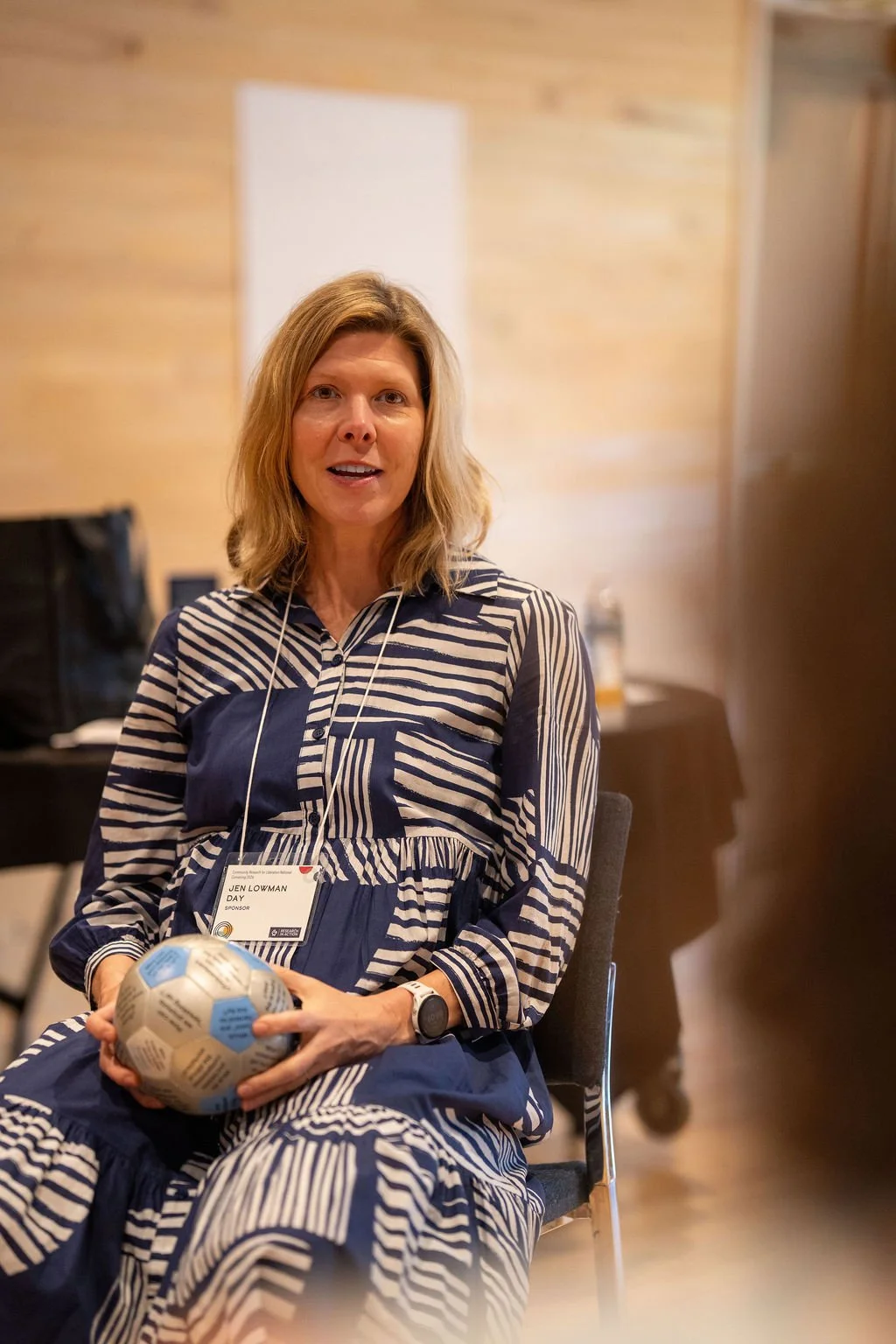
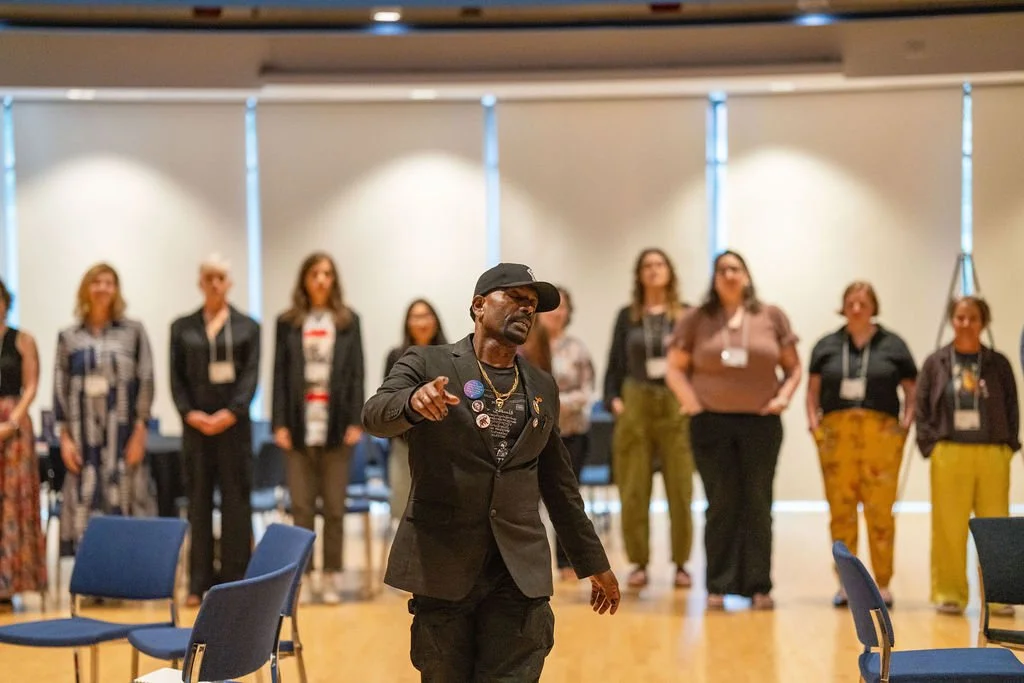
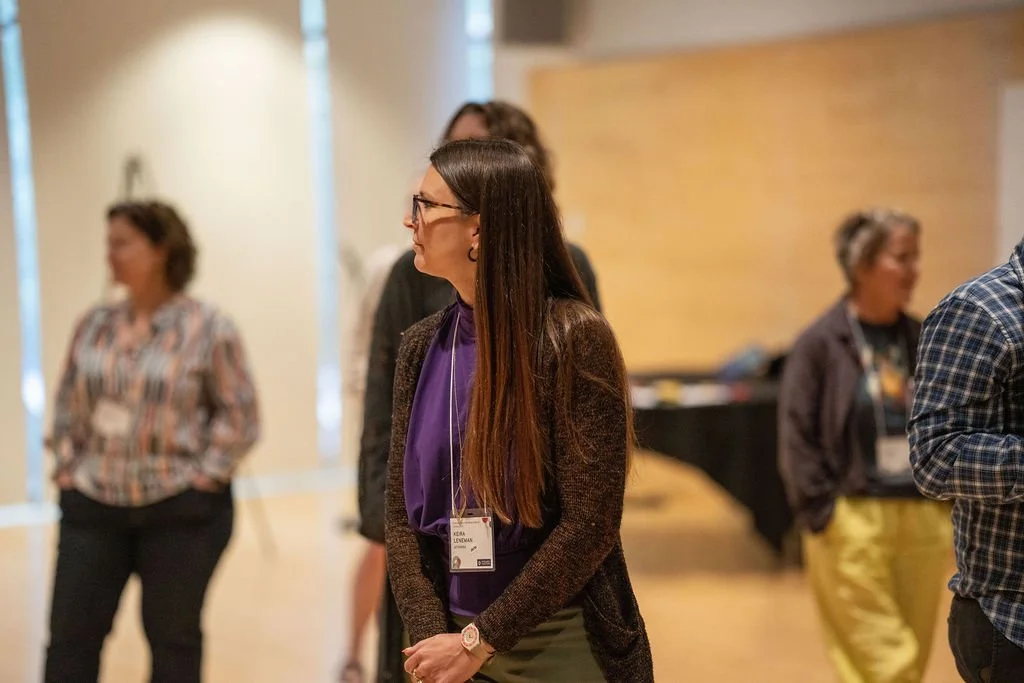
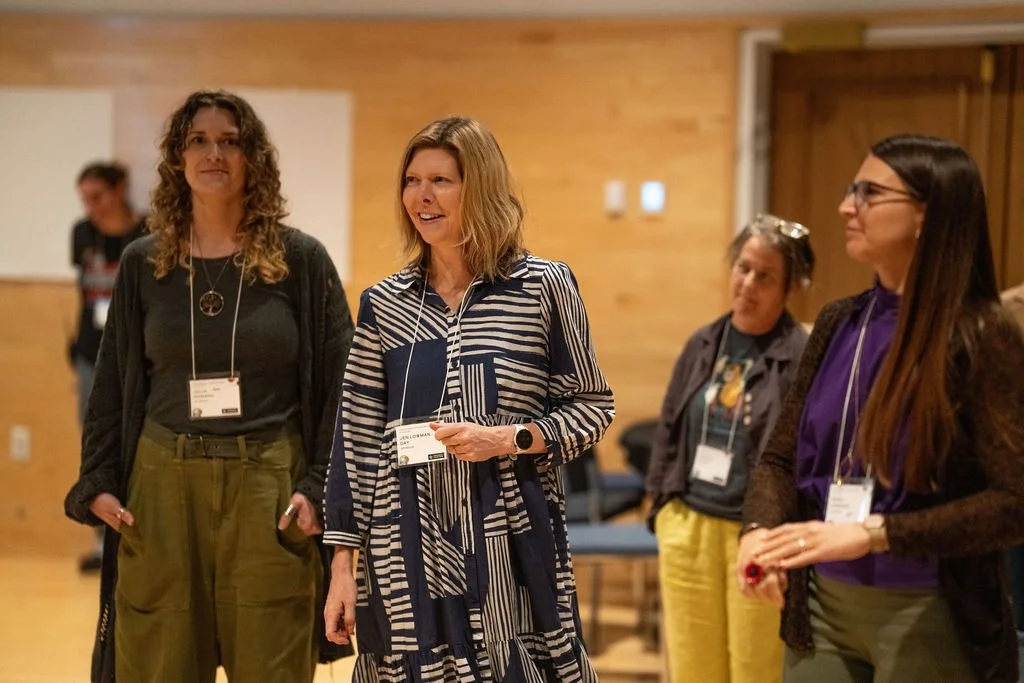
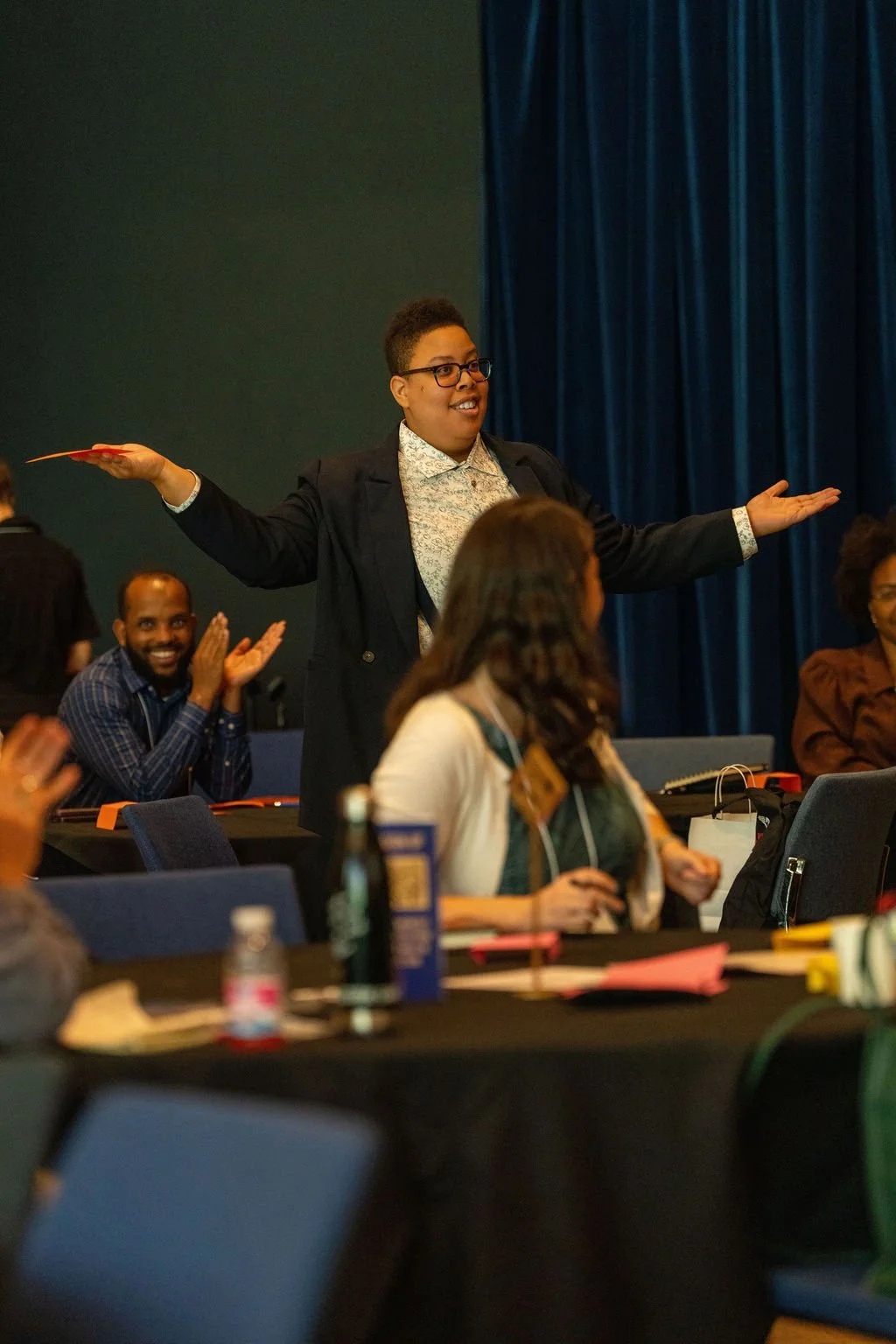
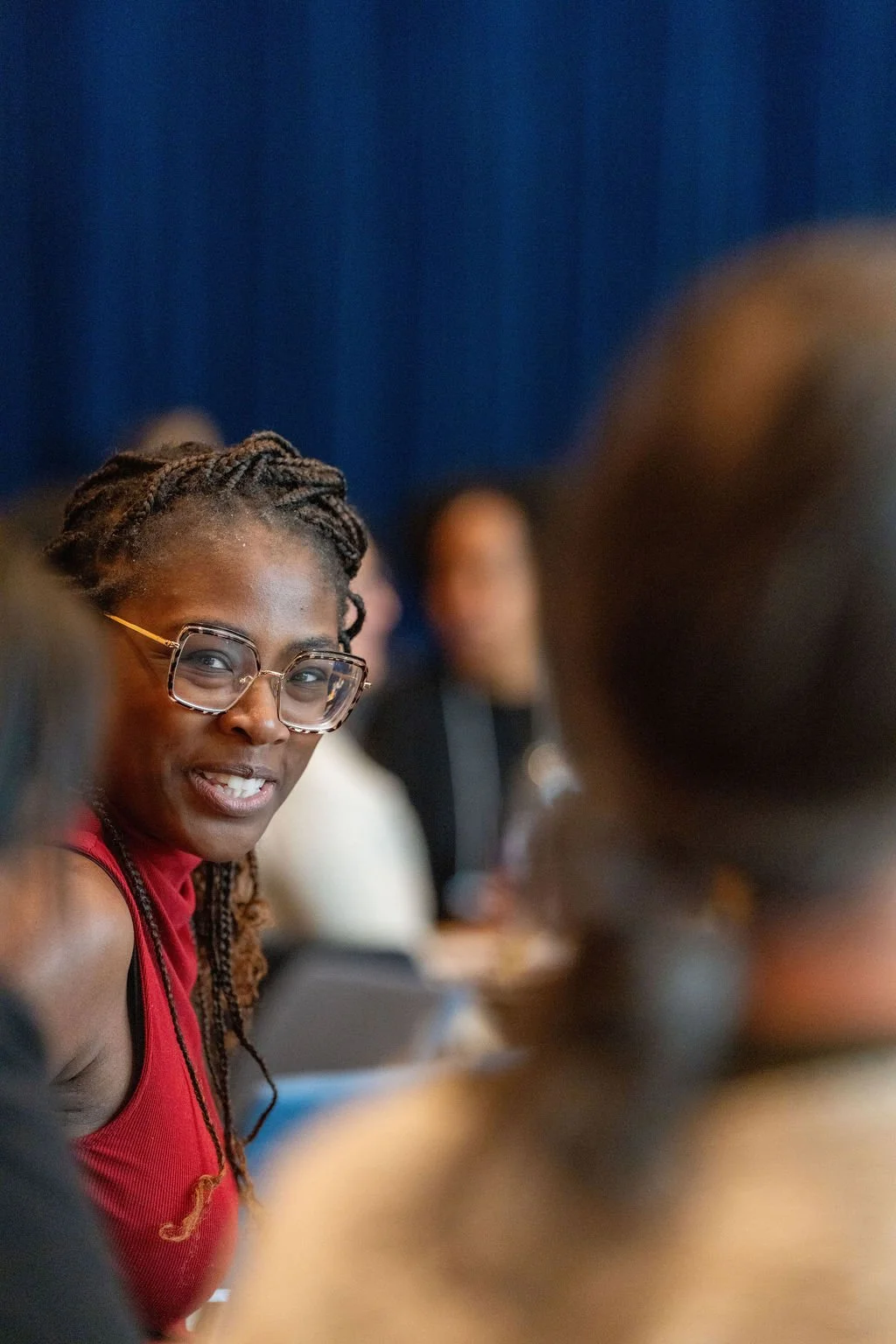
Convening grounding sessions
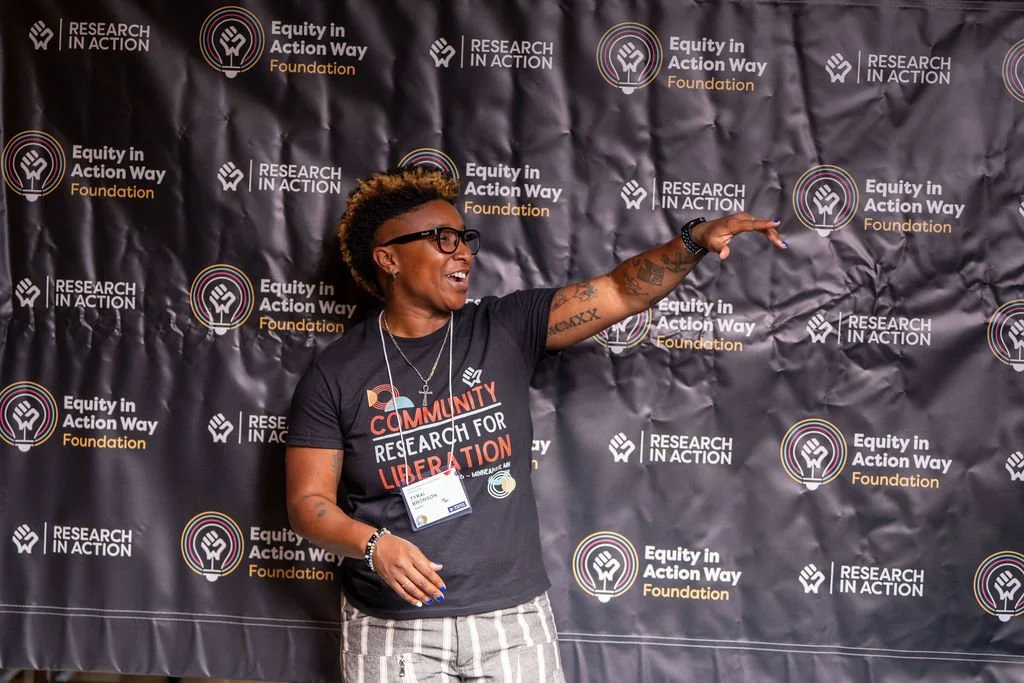
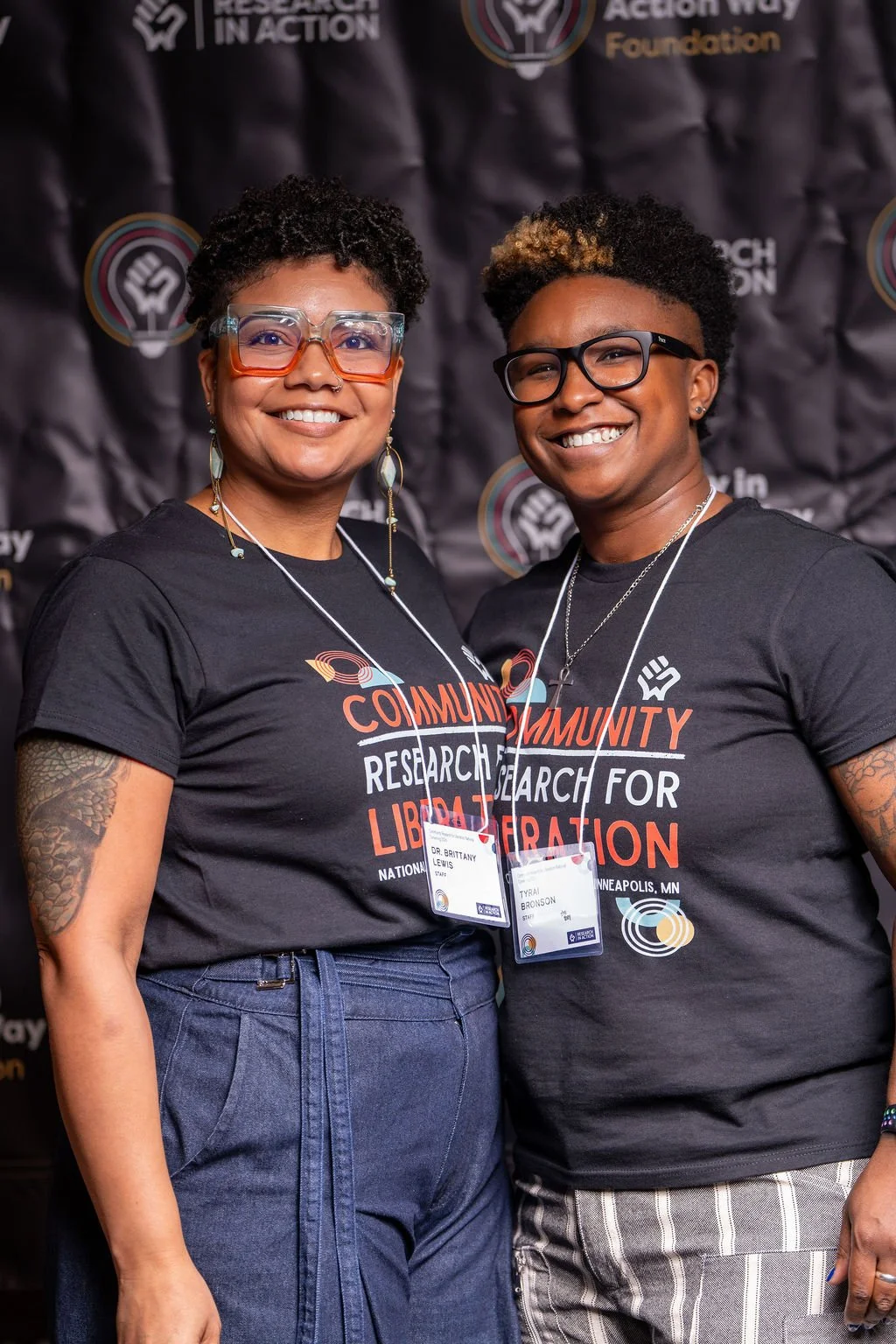
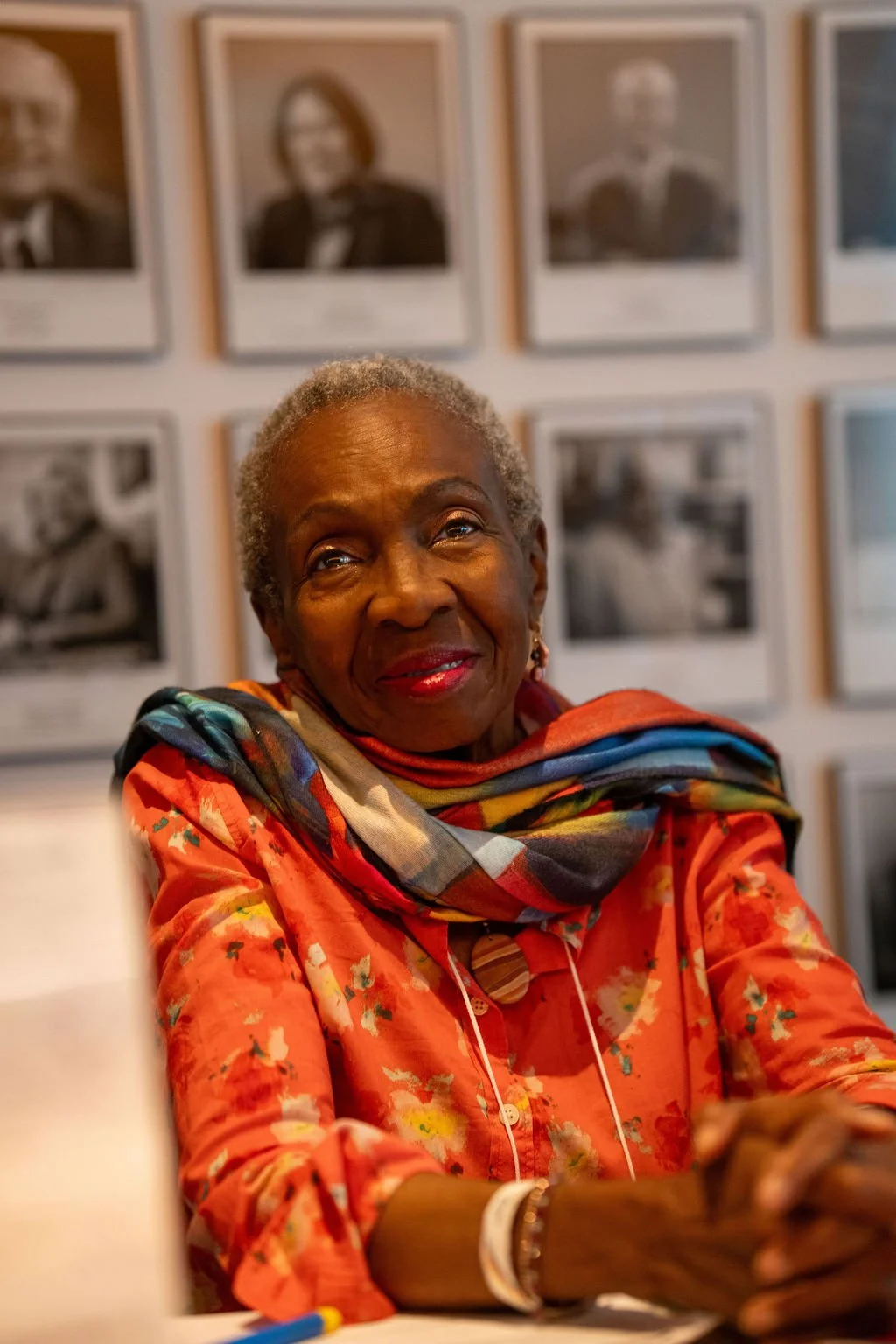
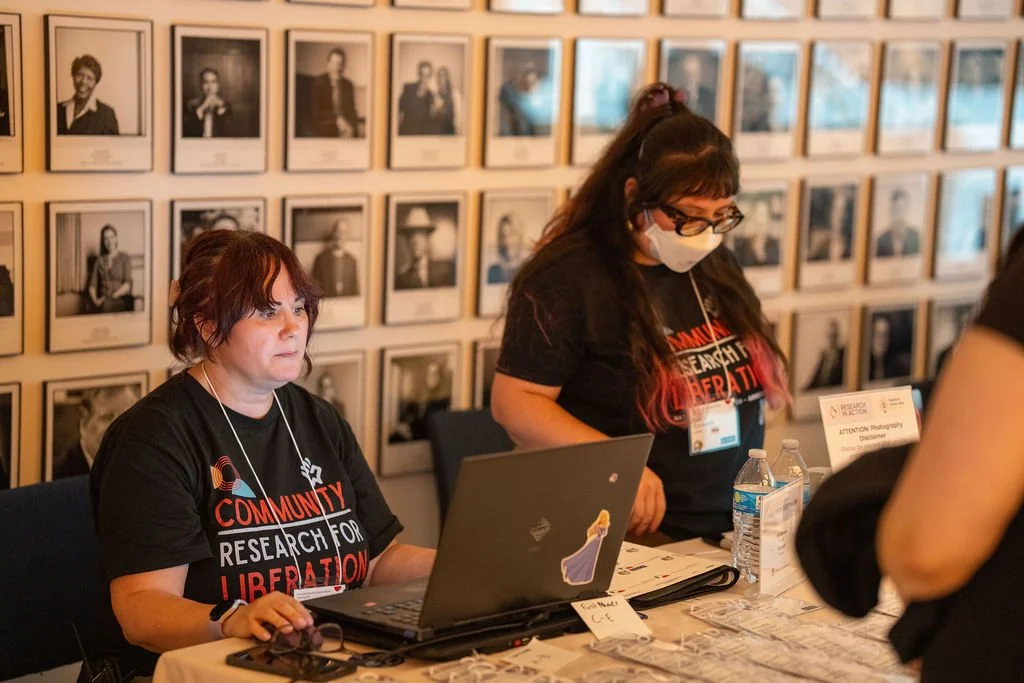
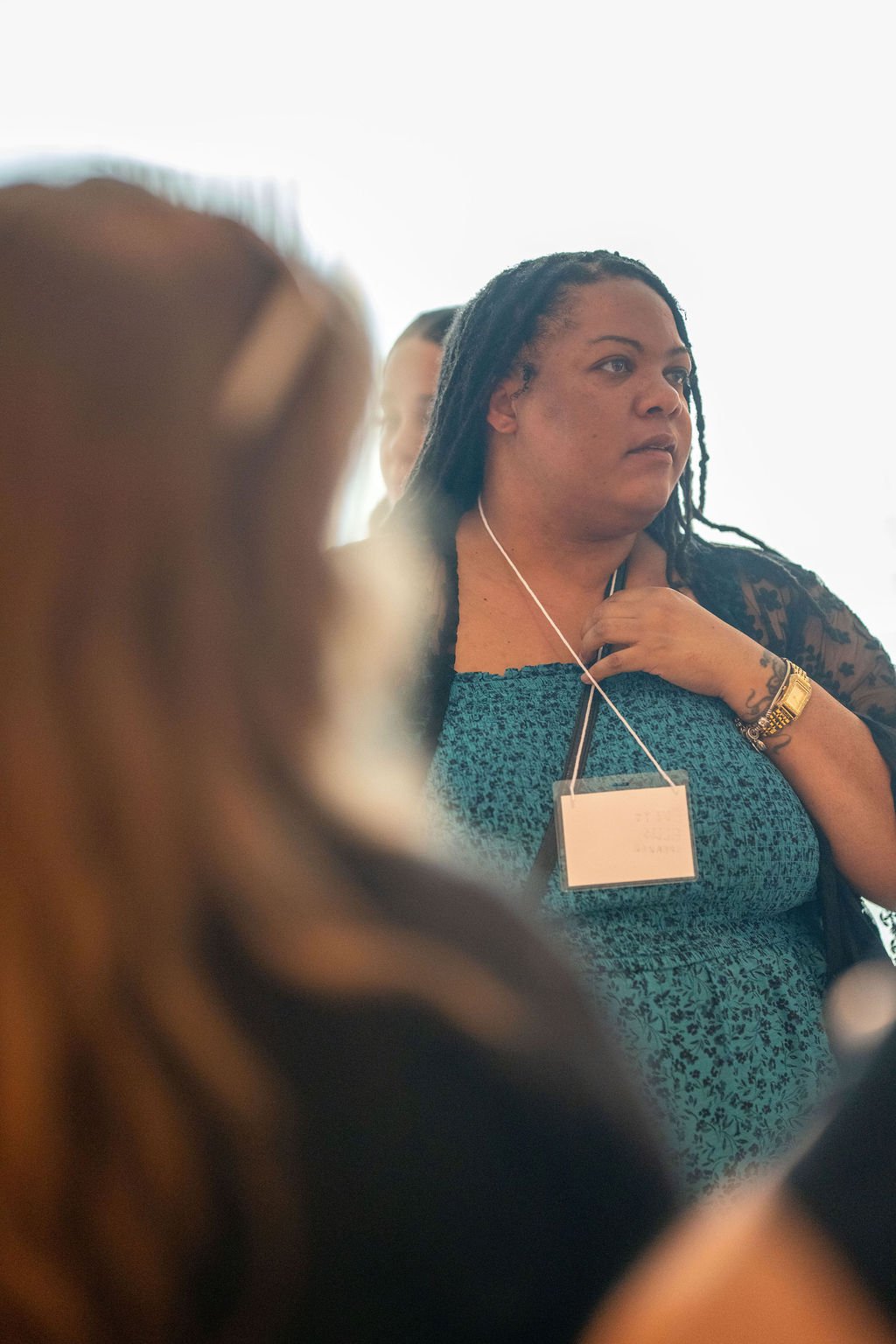
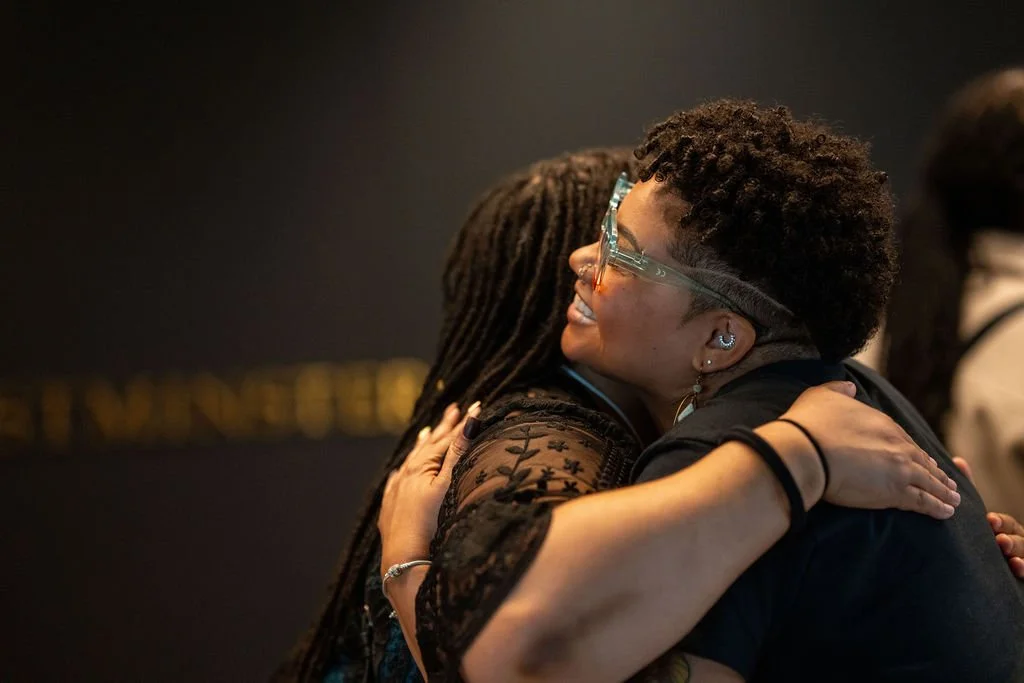

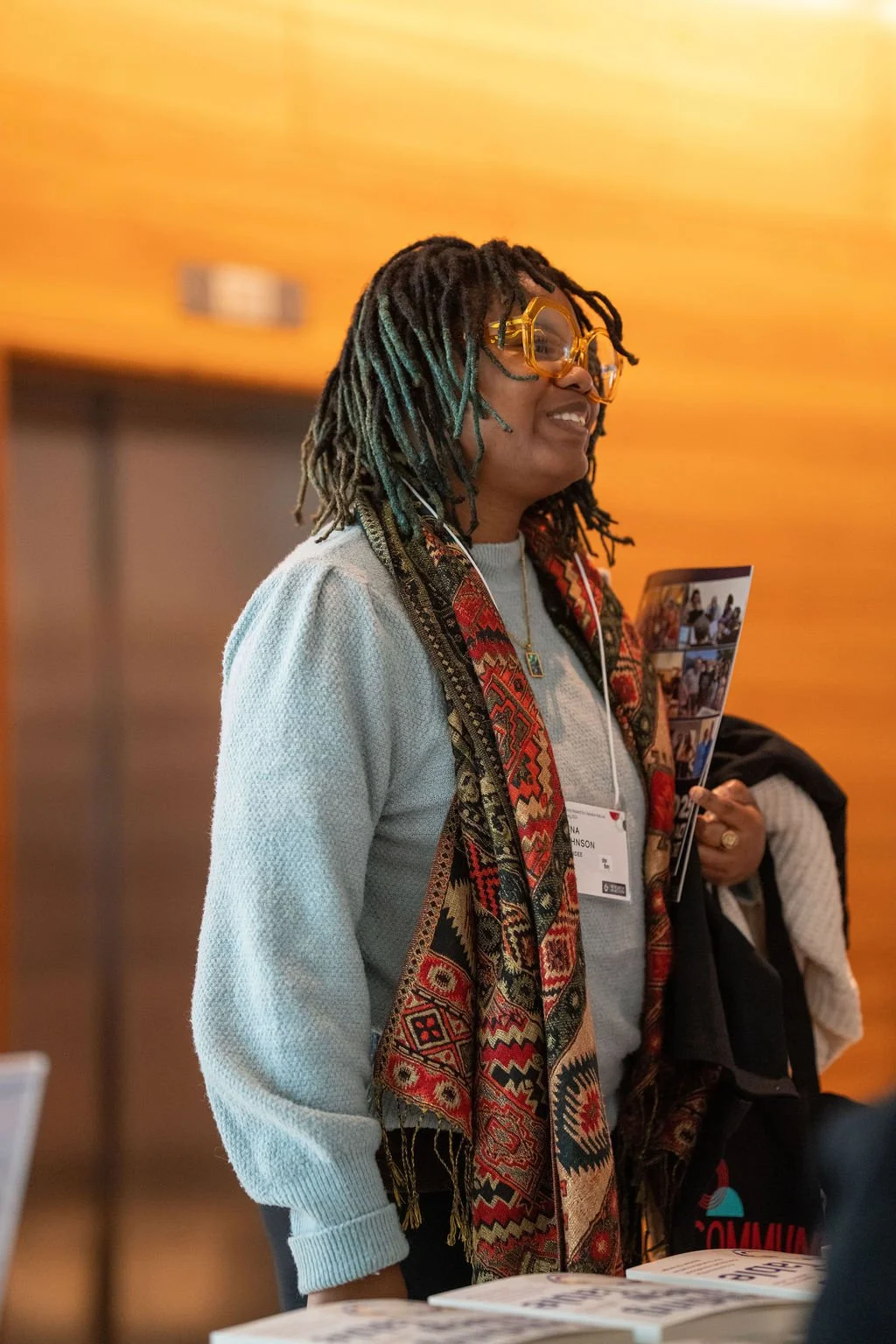
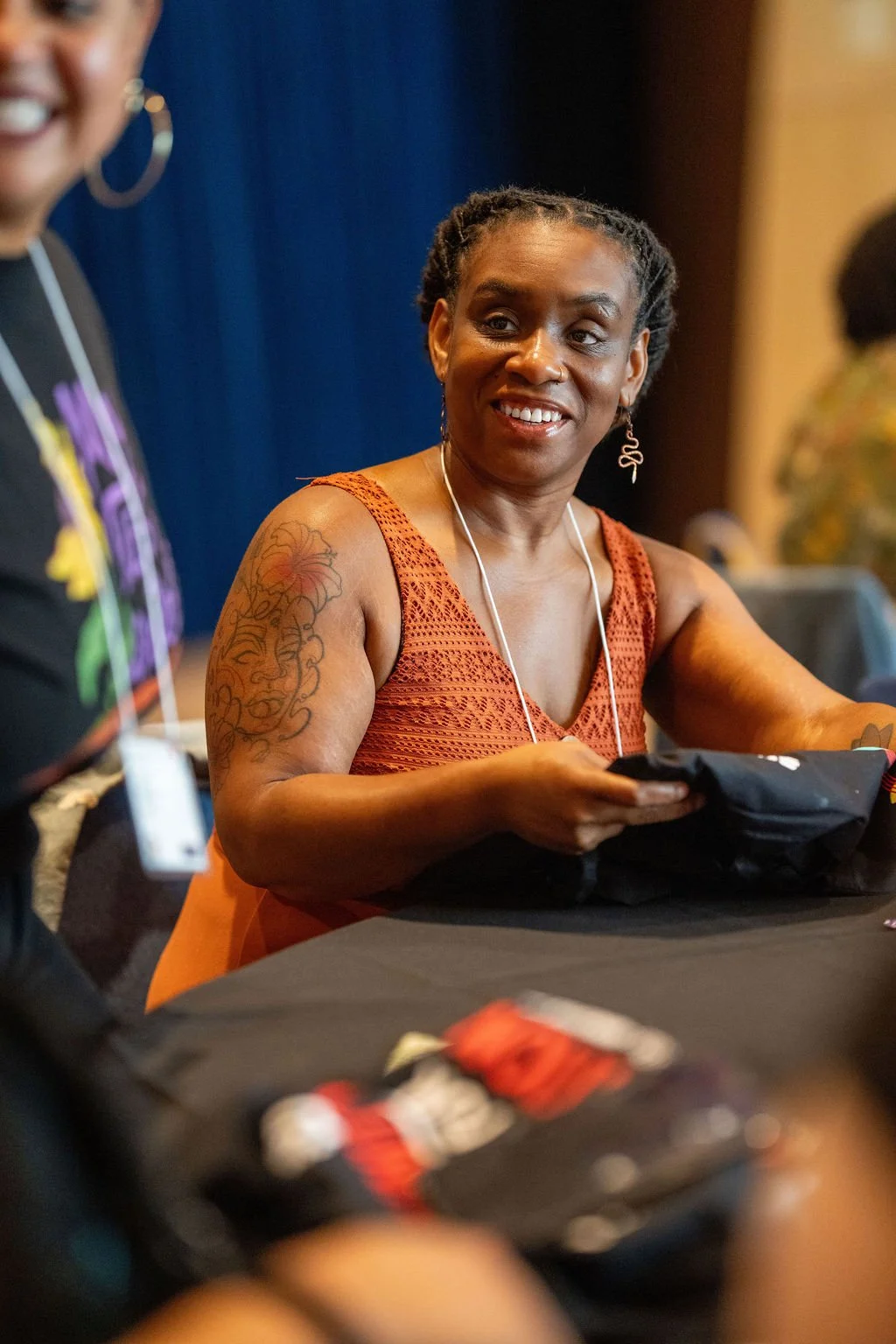
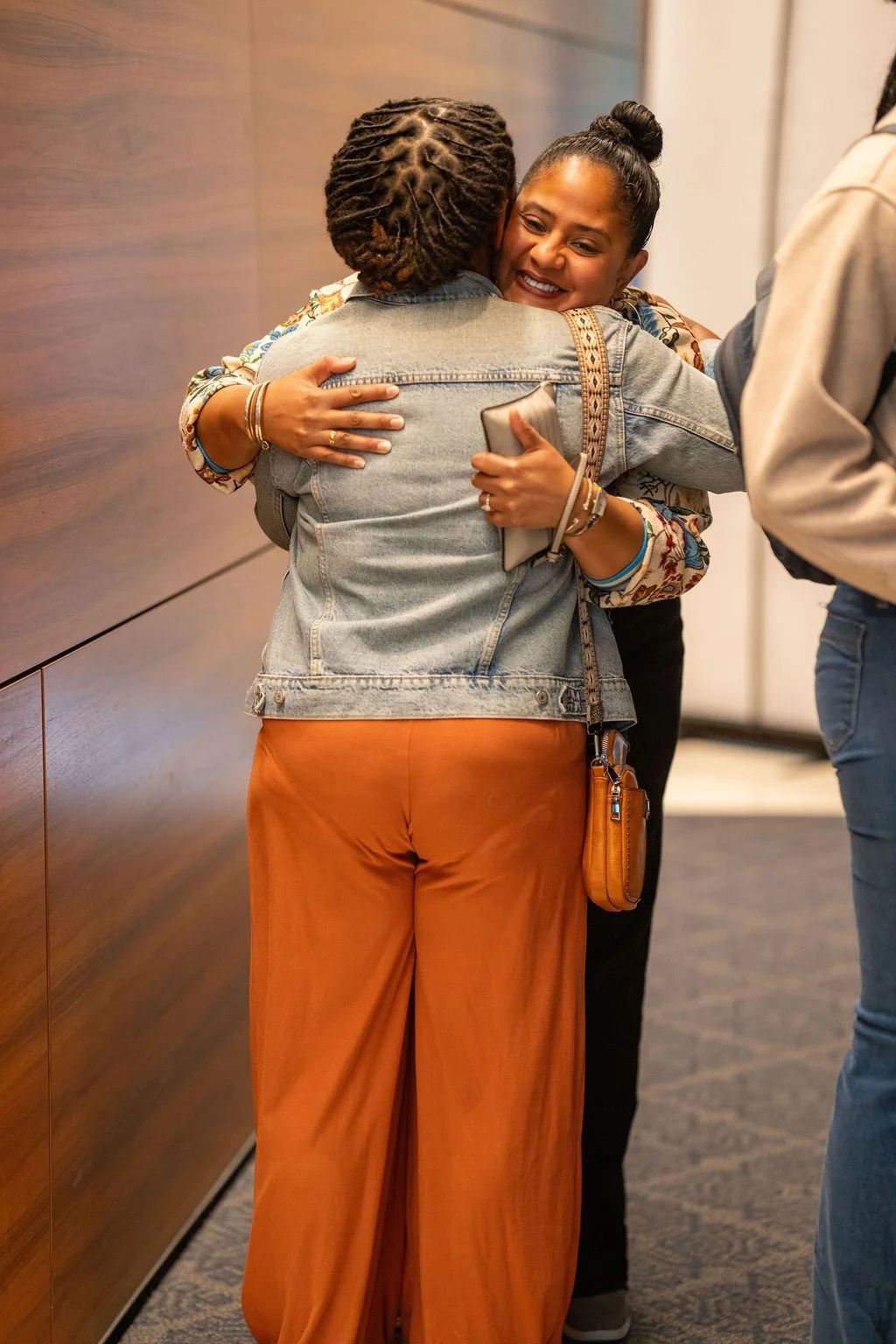
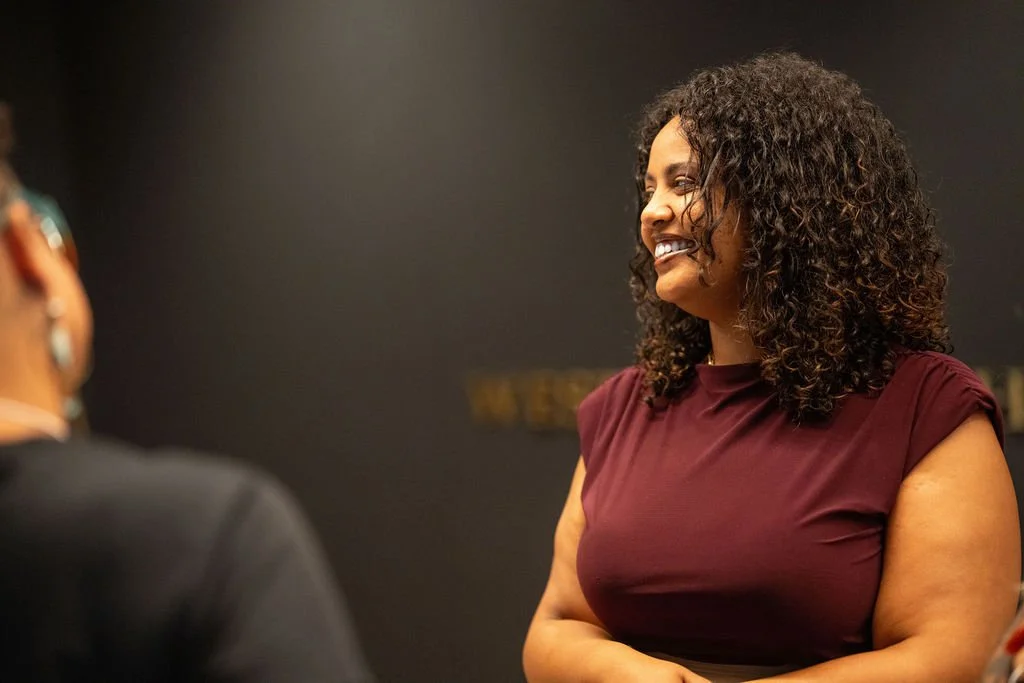
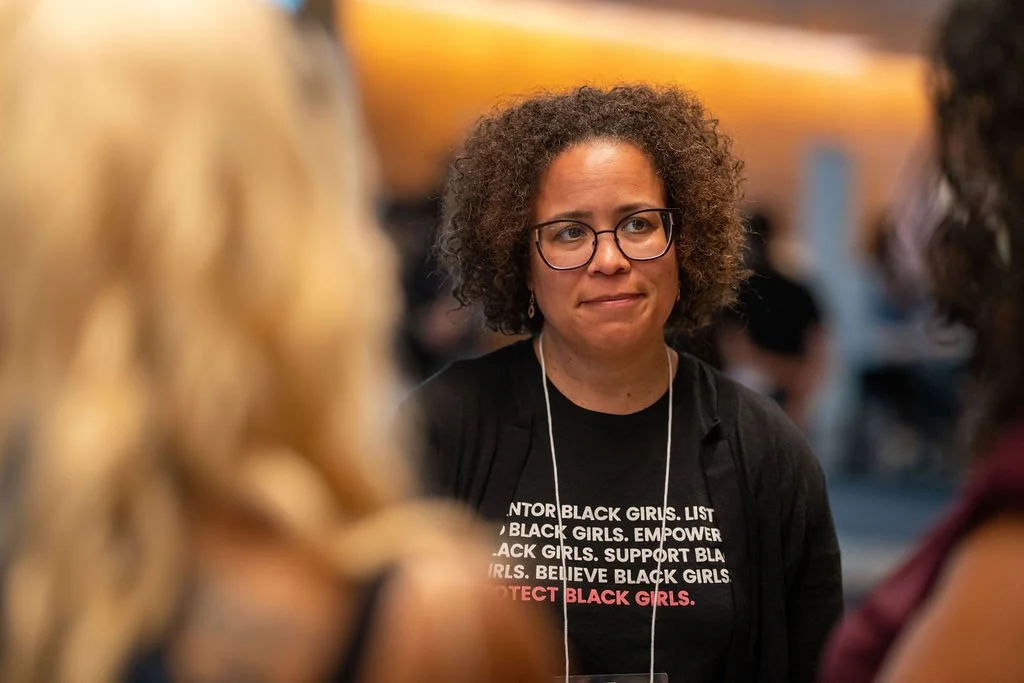
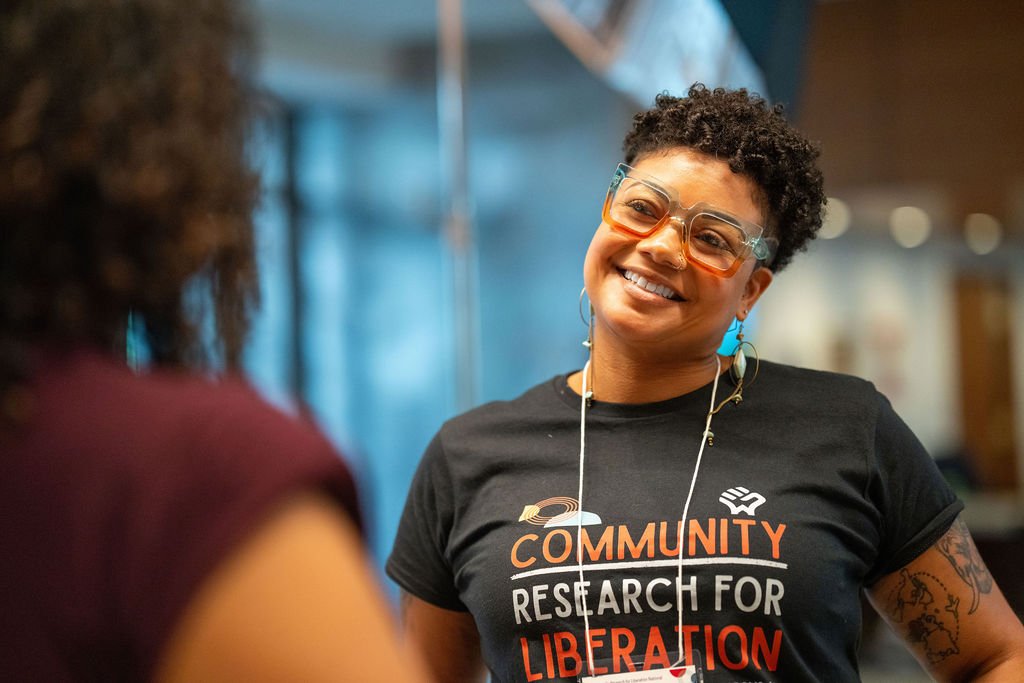
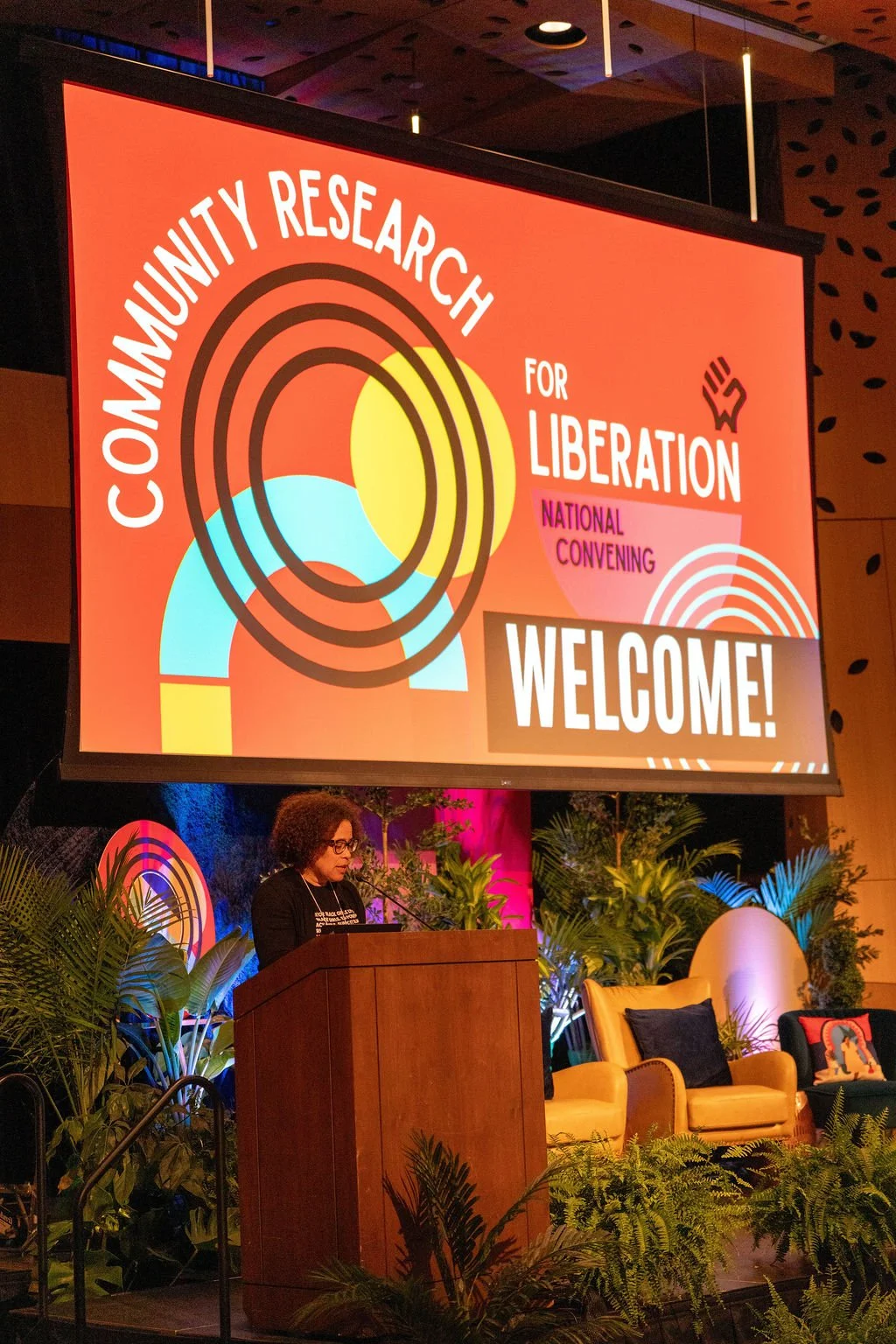
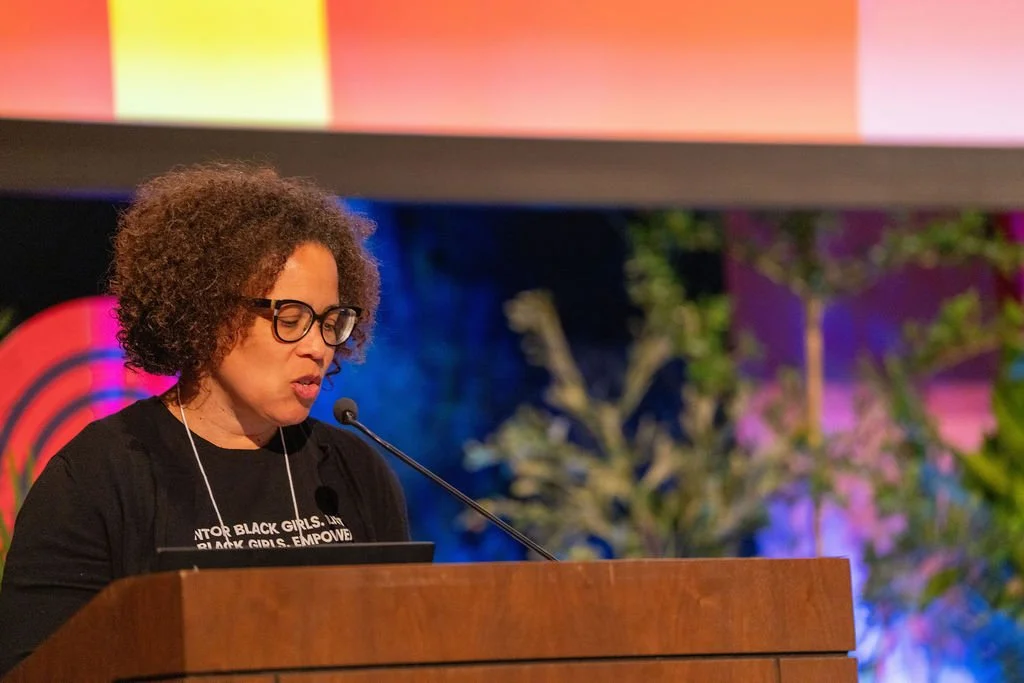
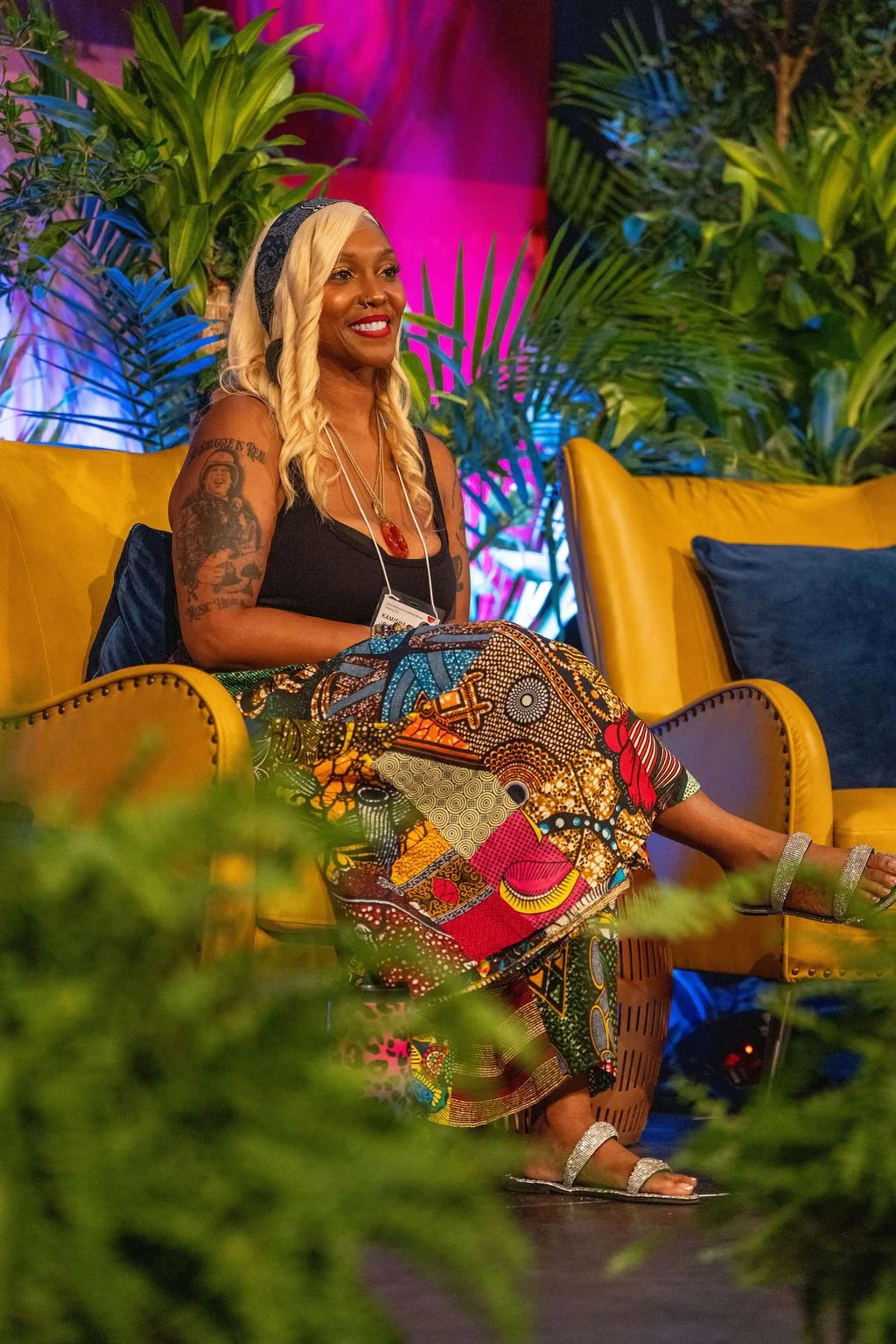
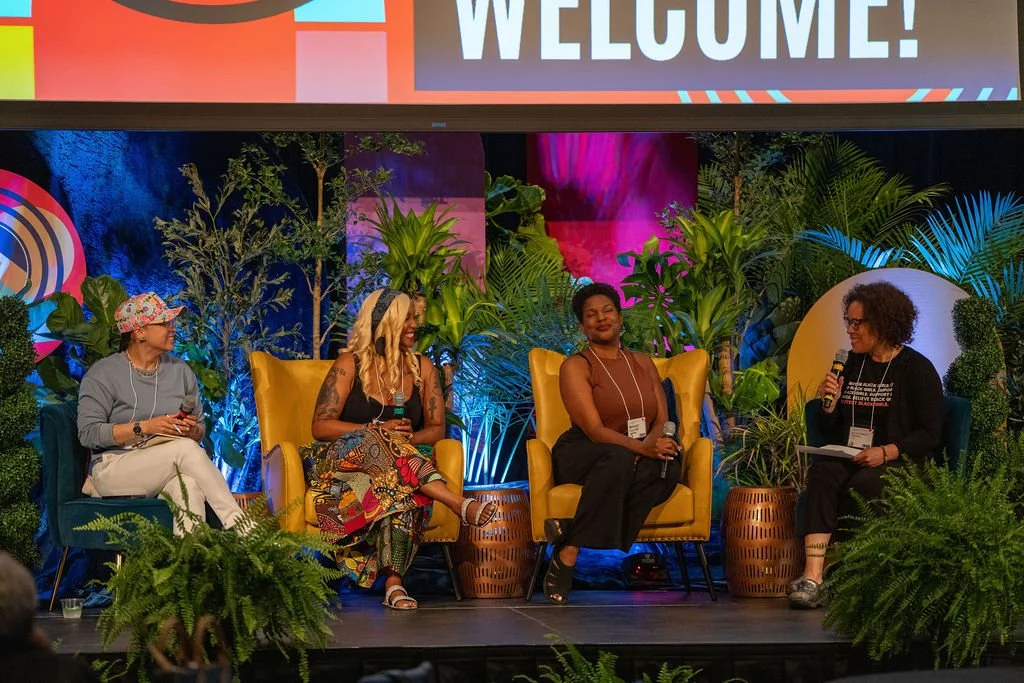
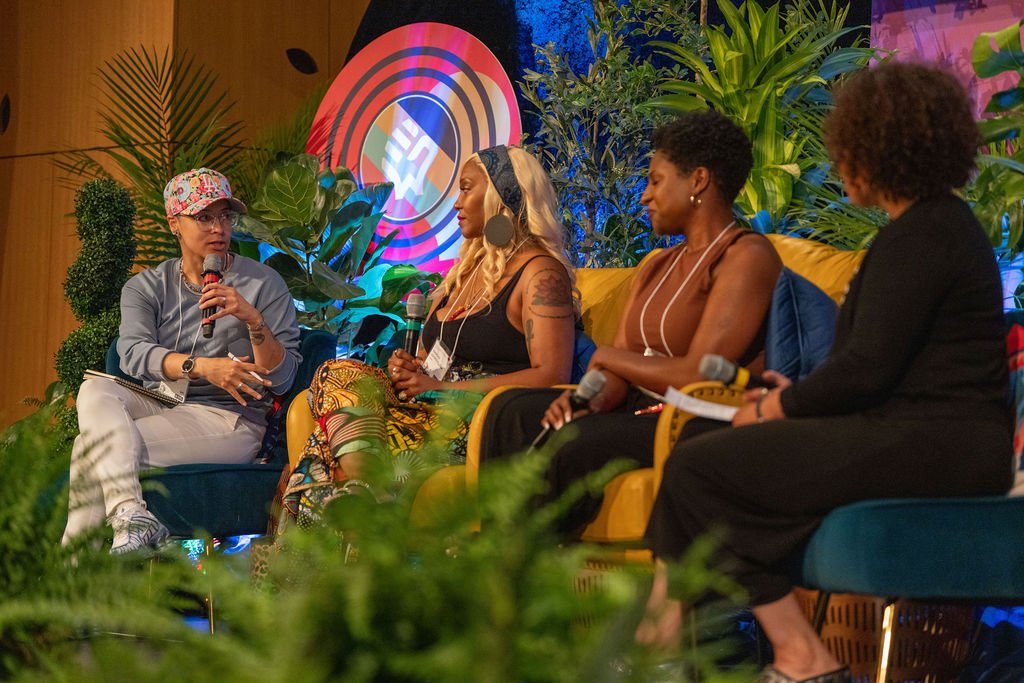
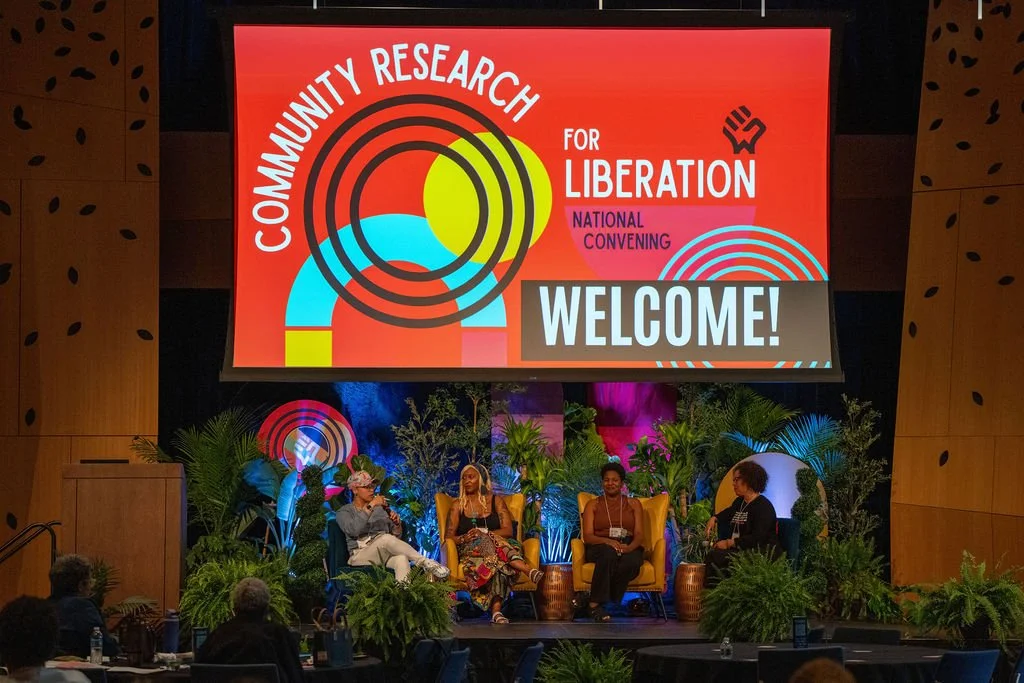
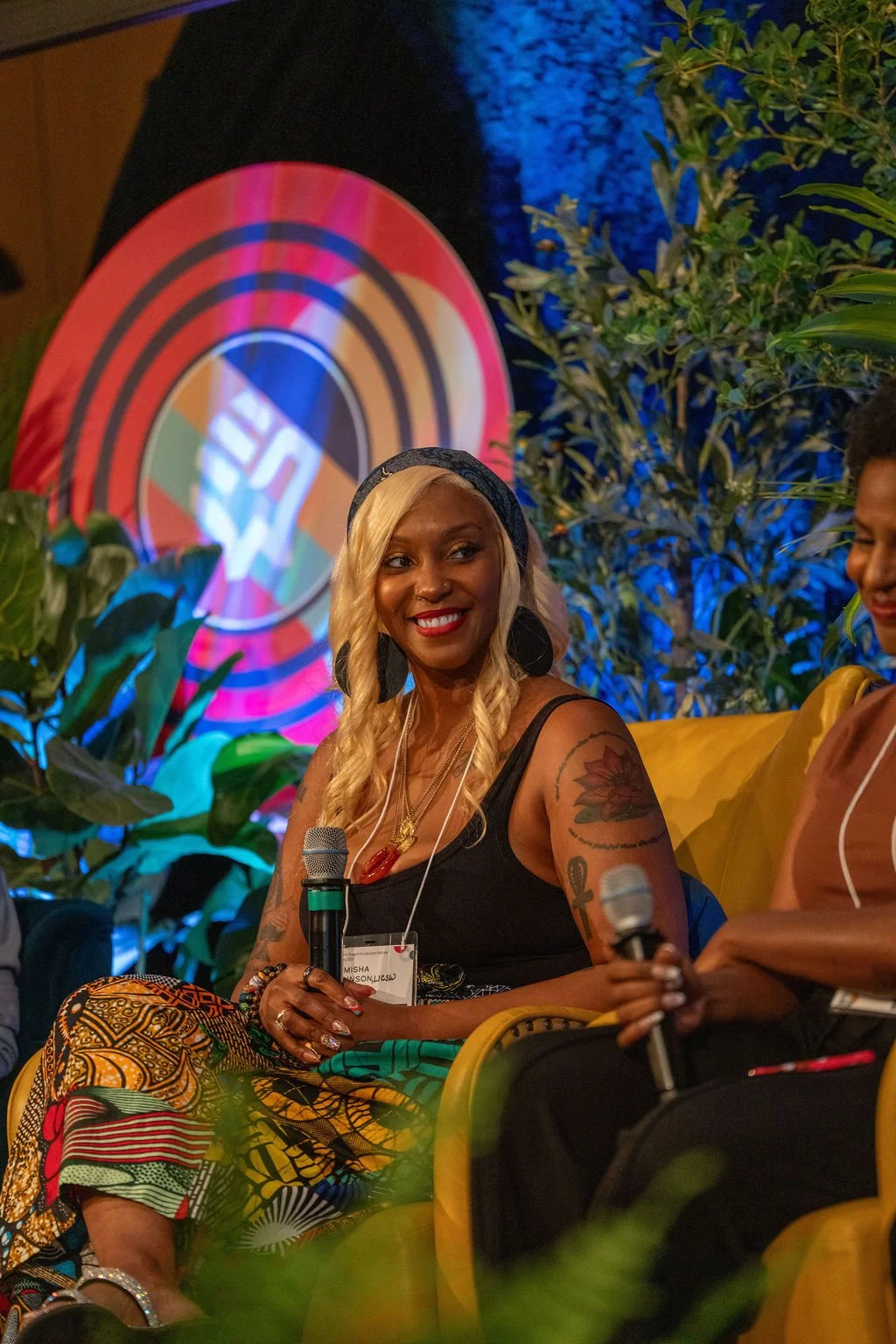
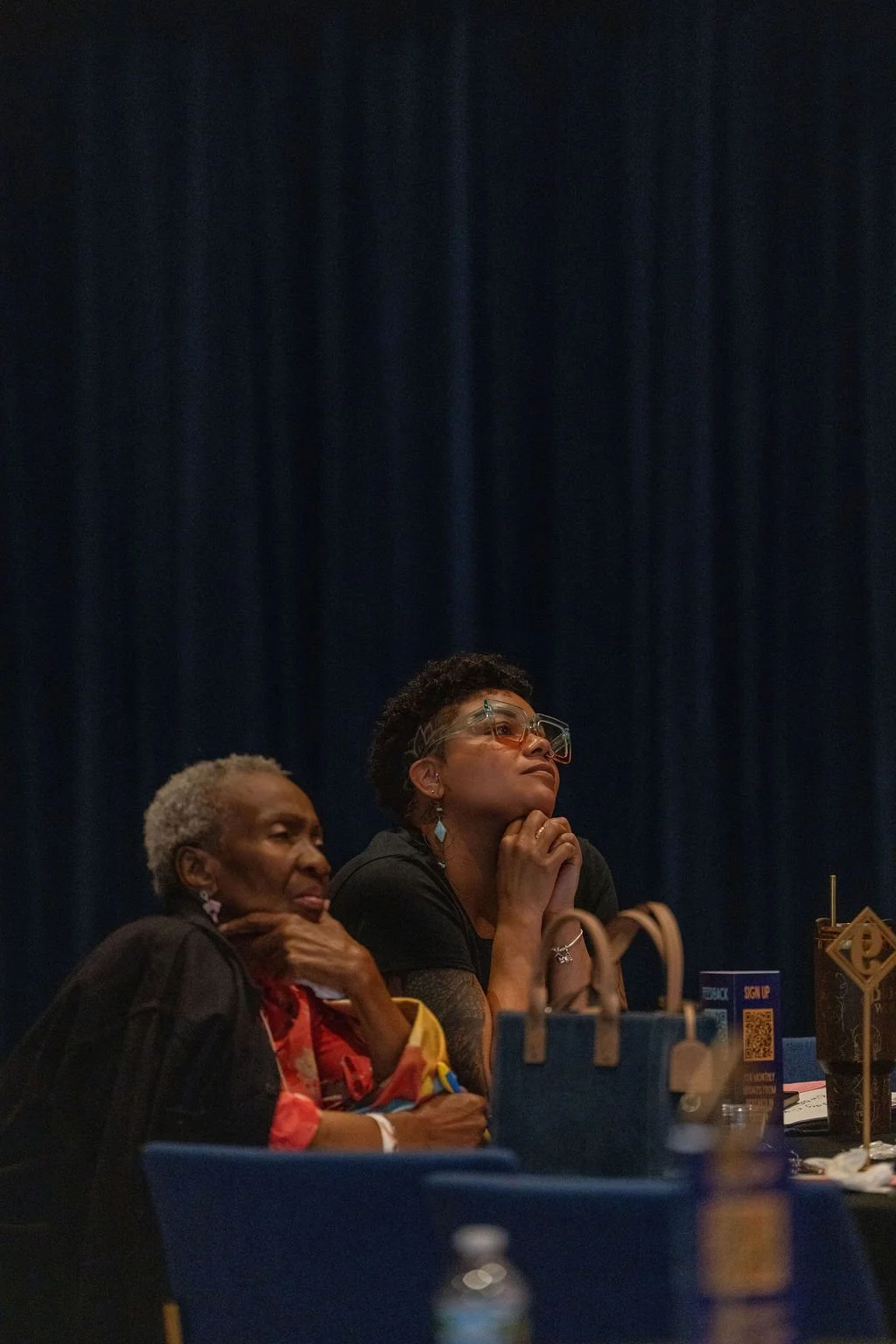
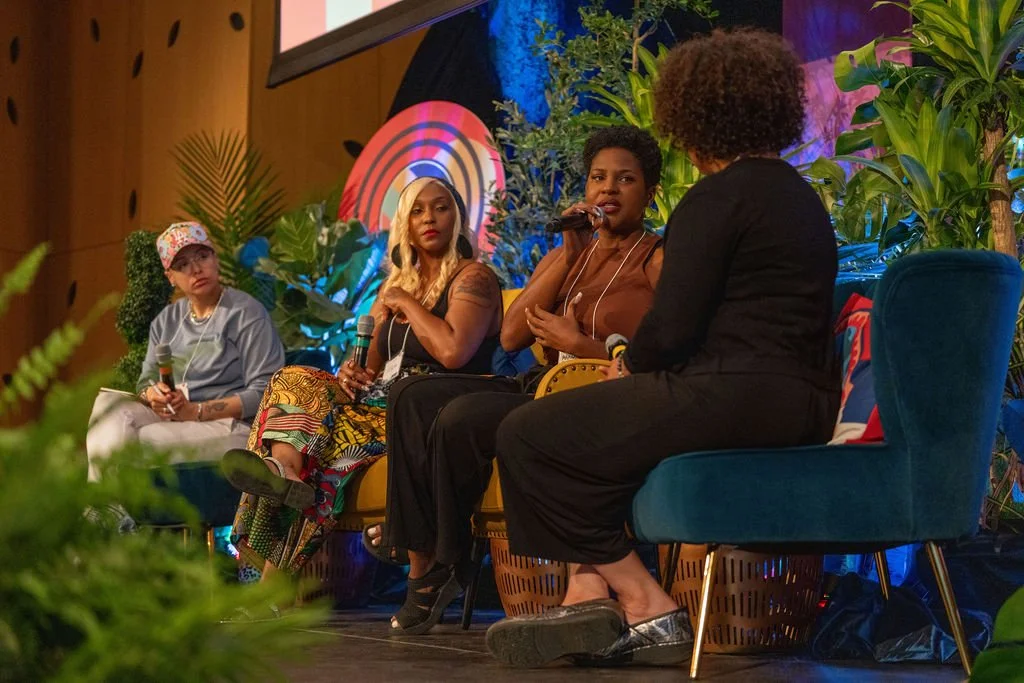
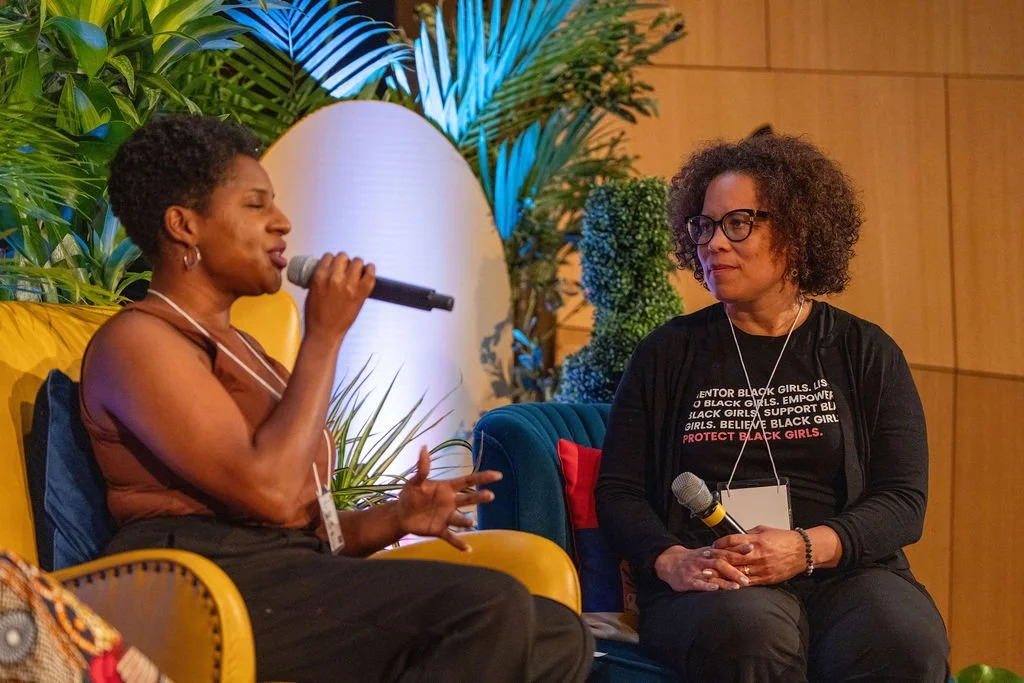
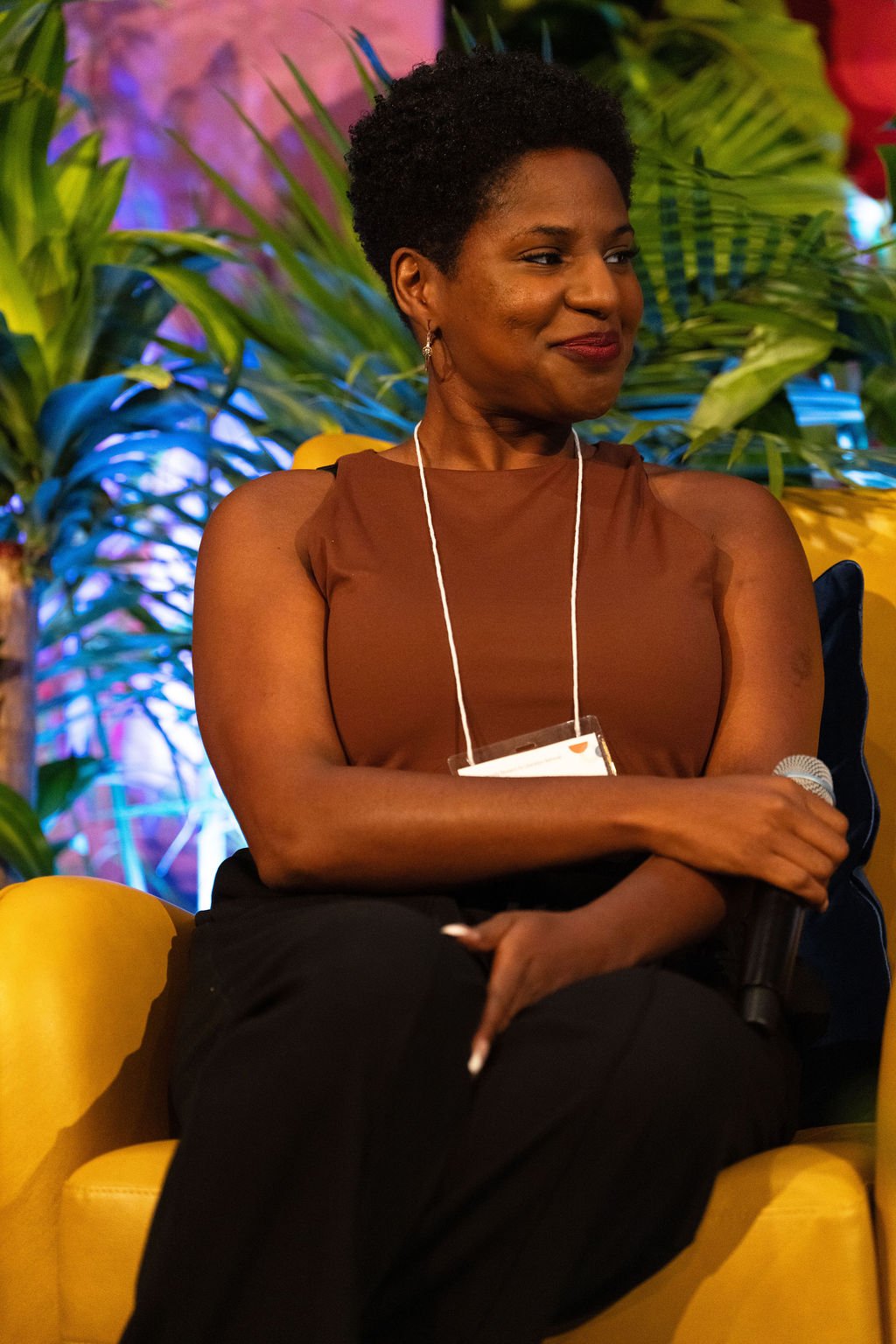
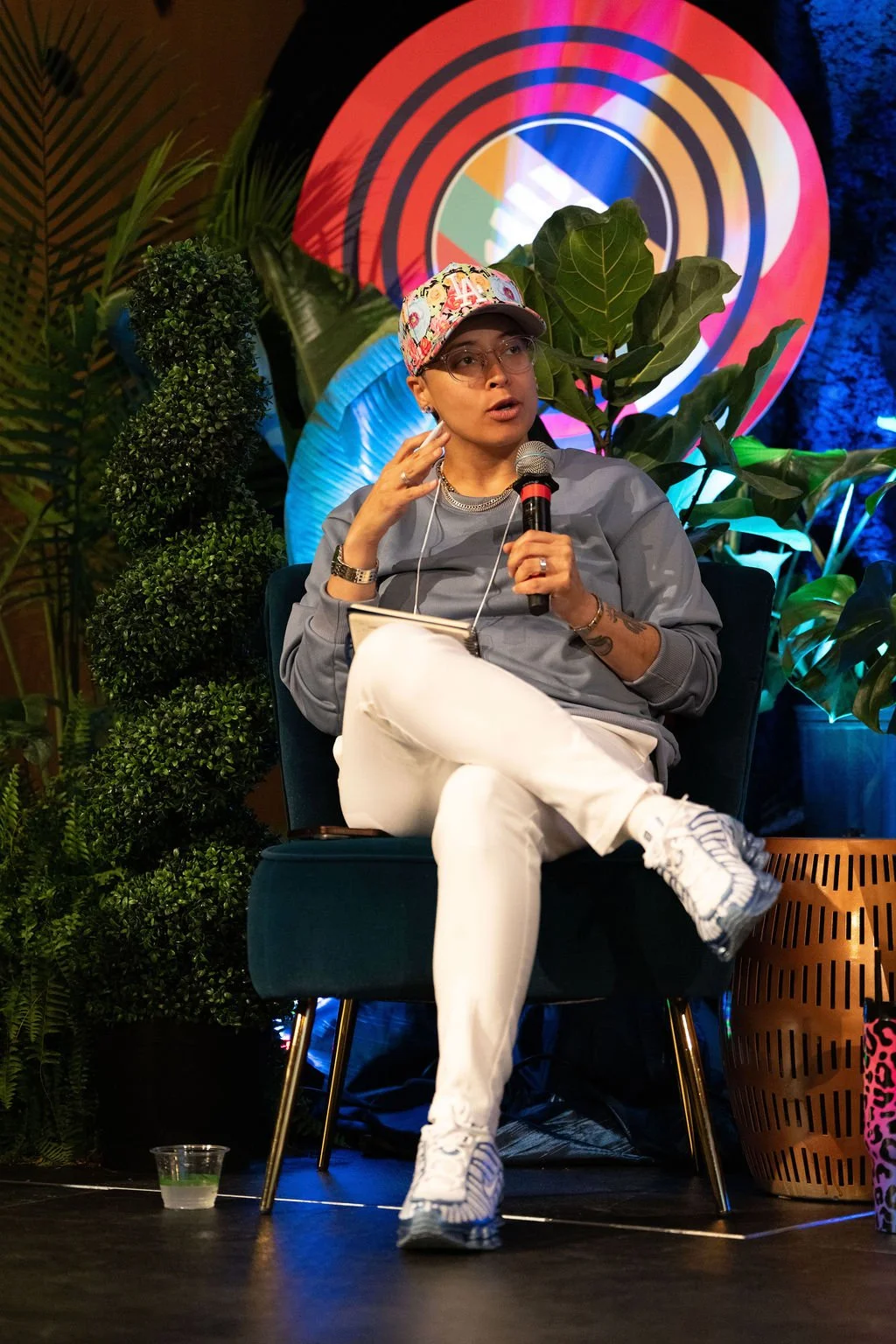
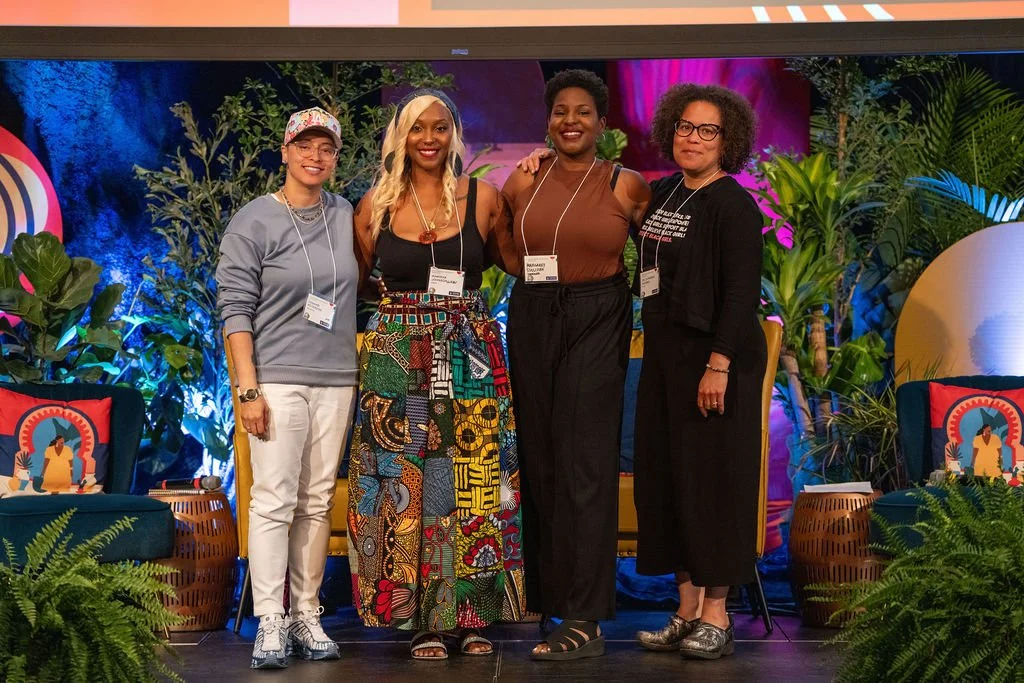
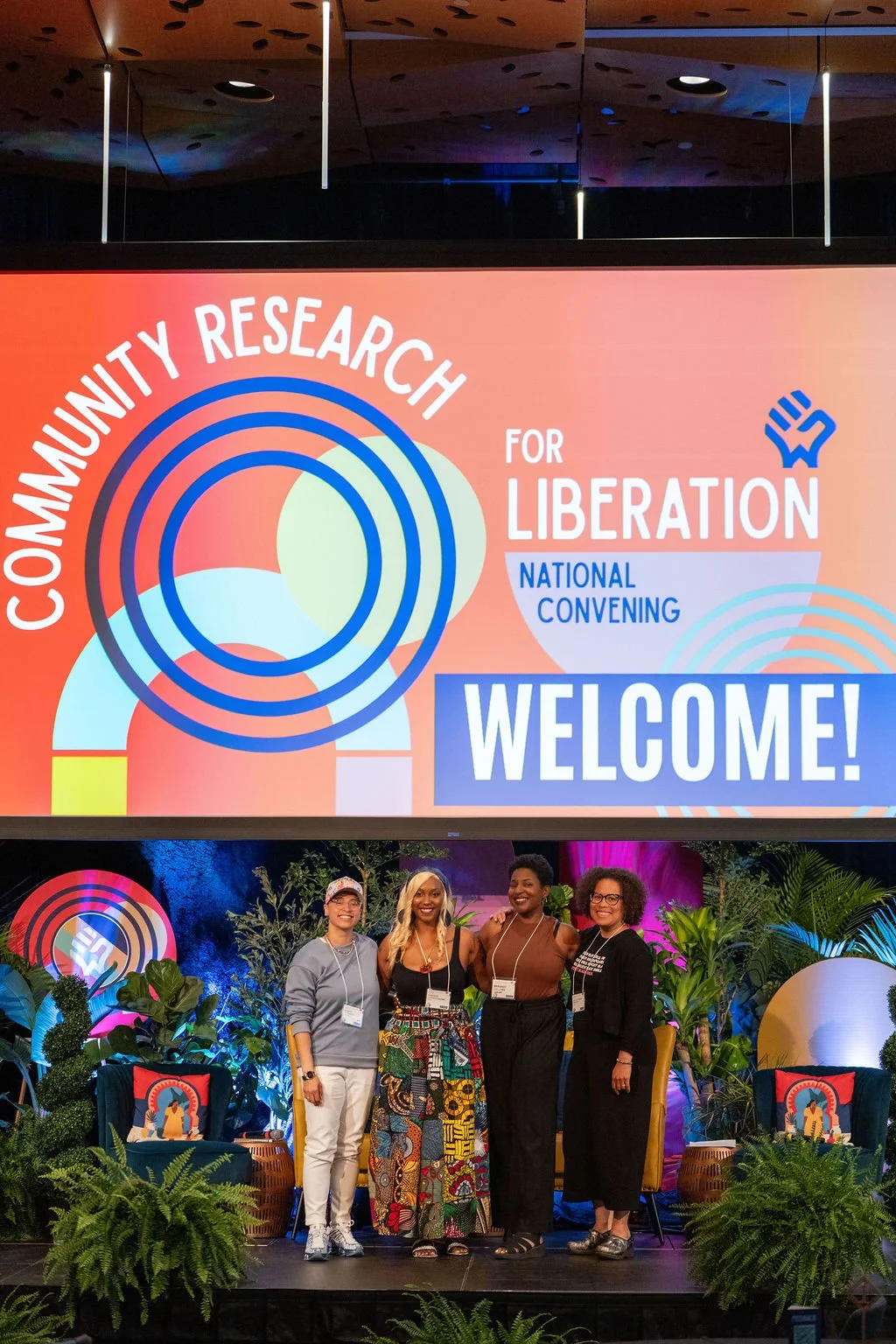
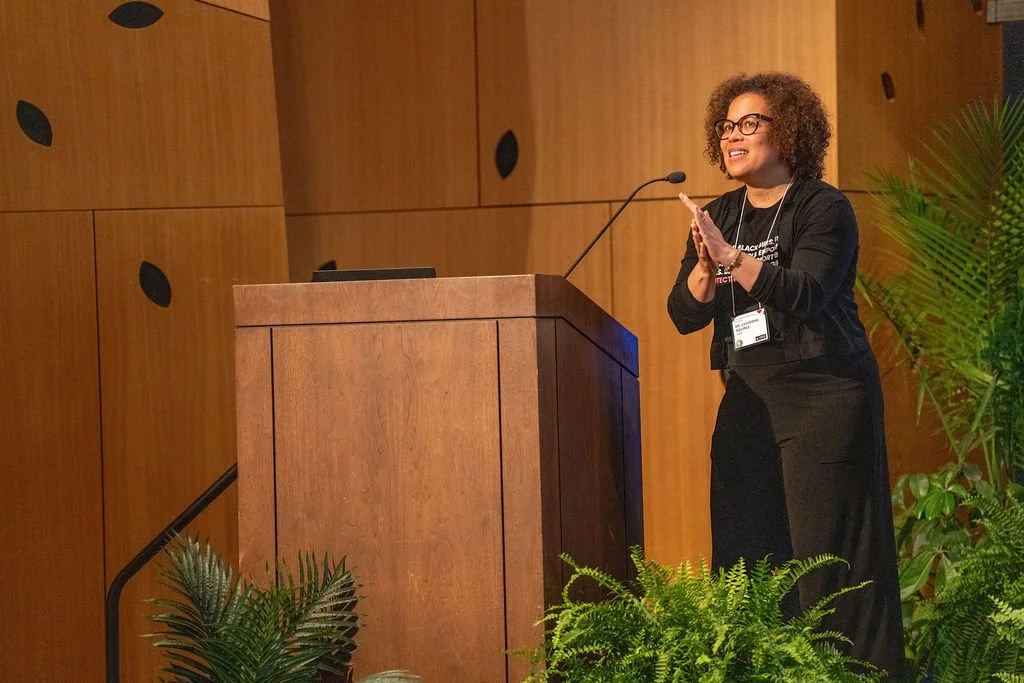
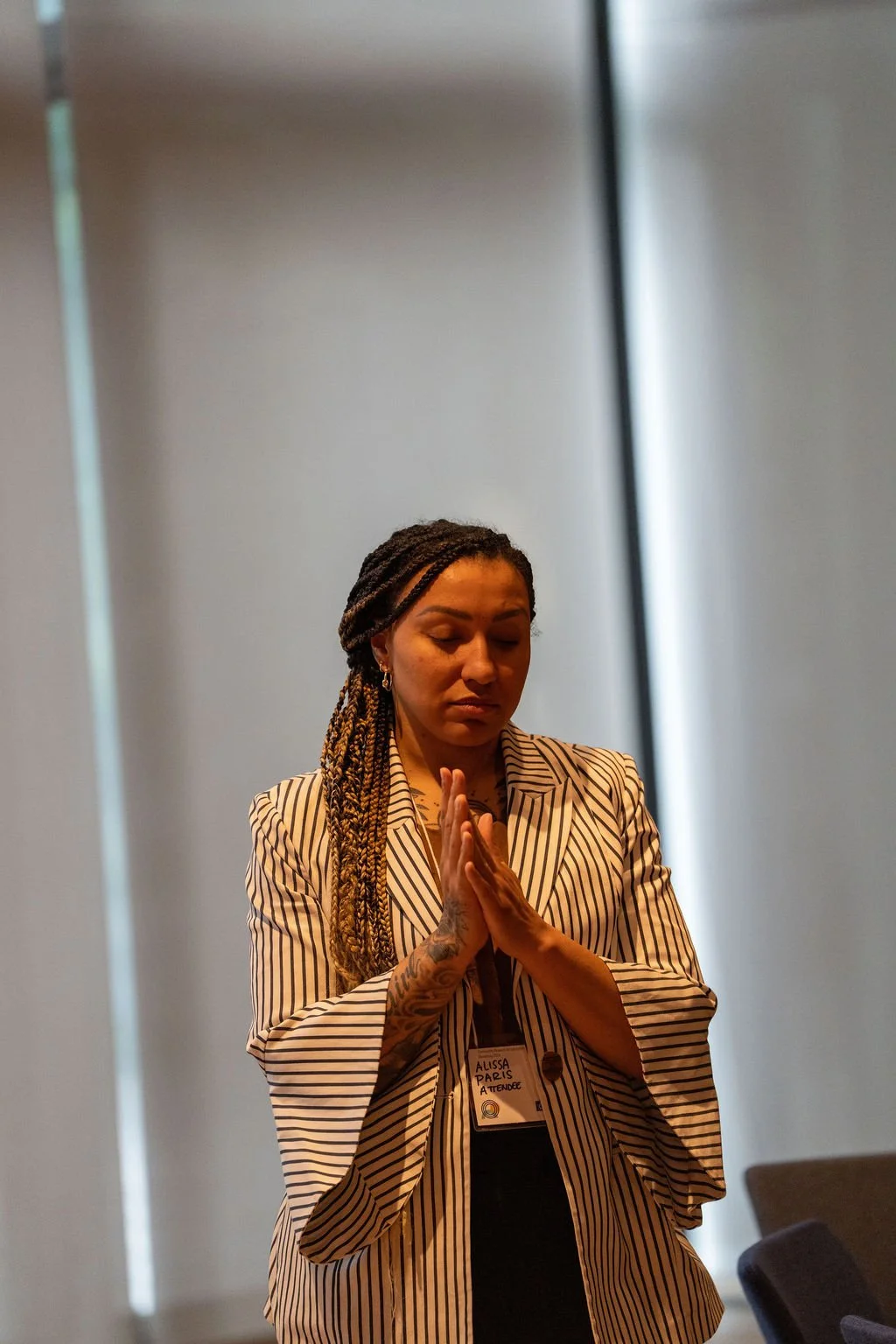
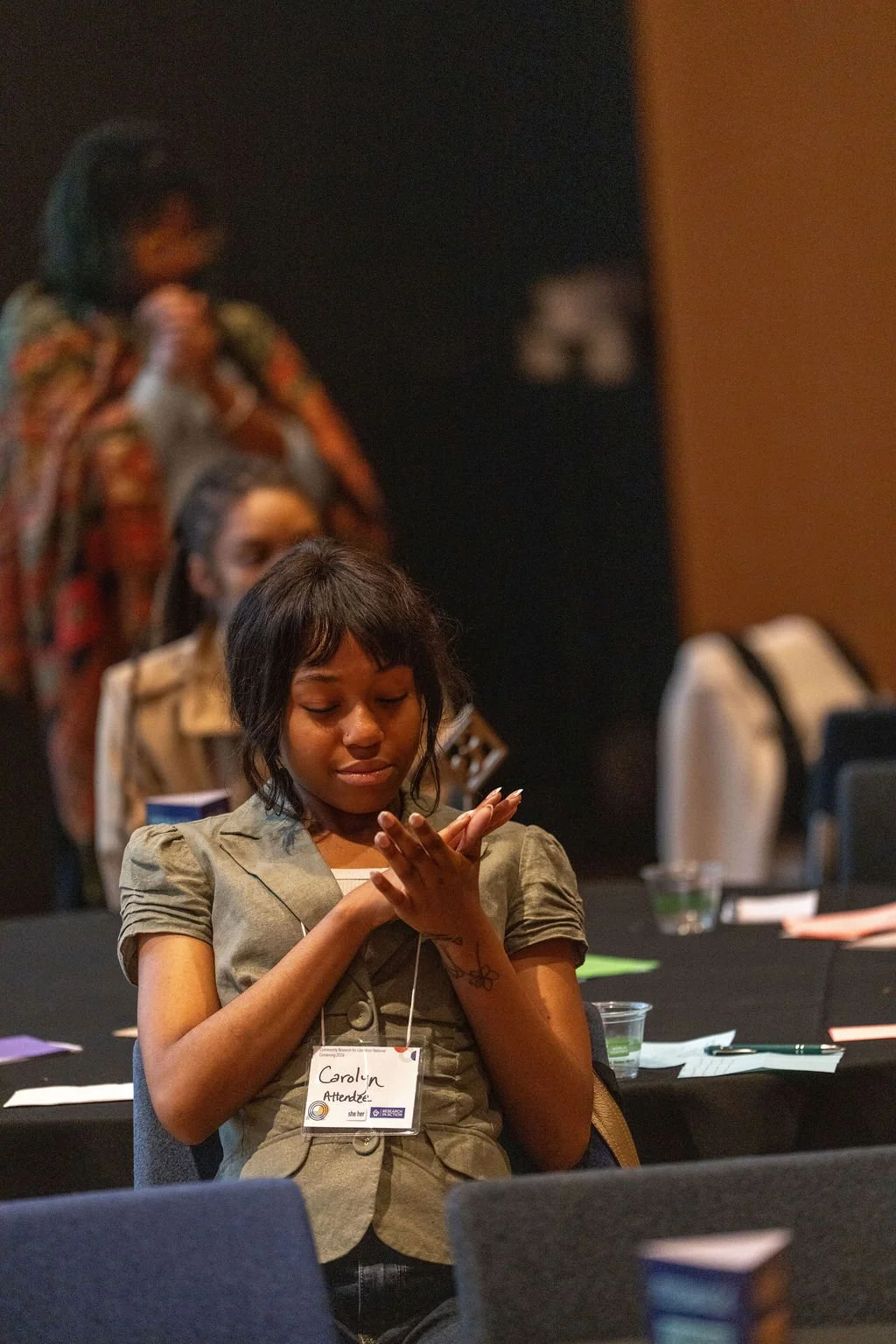
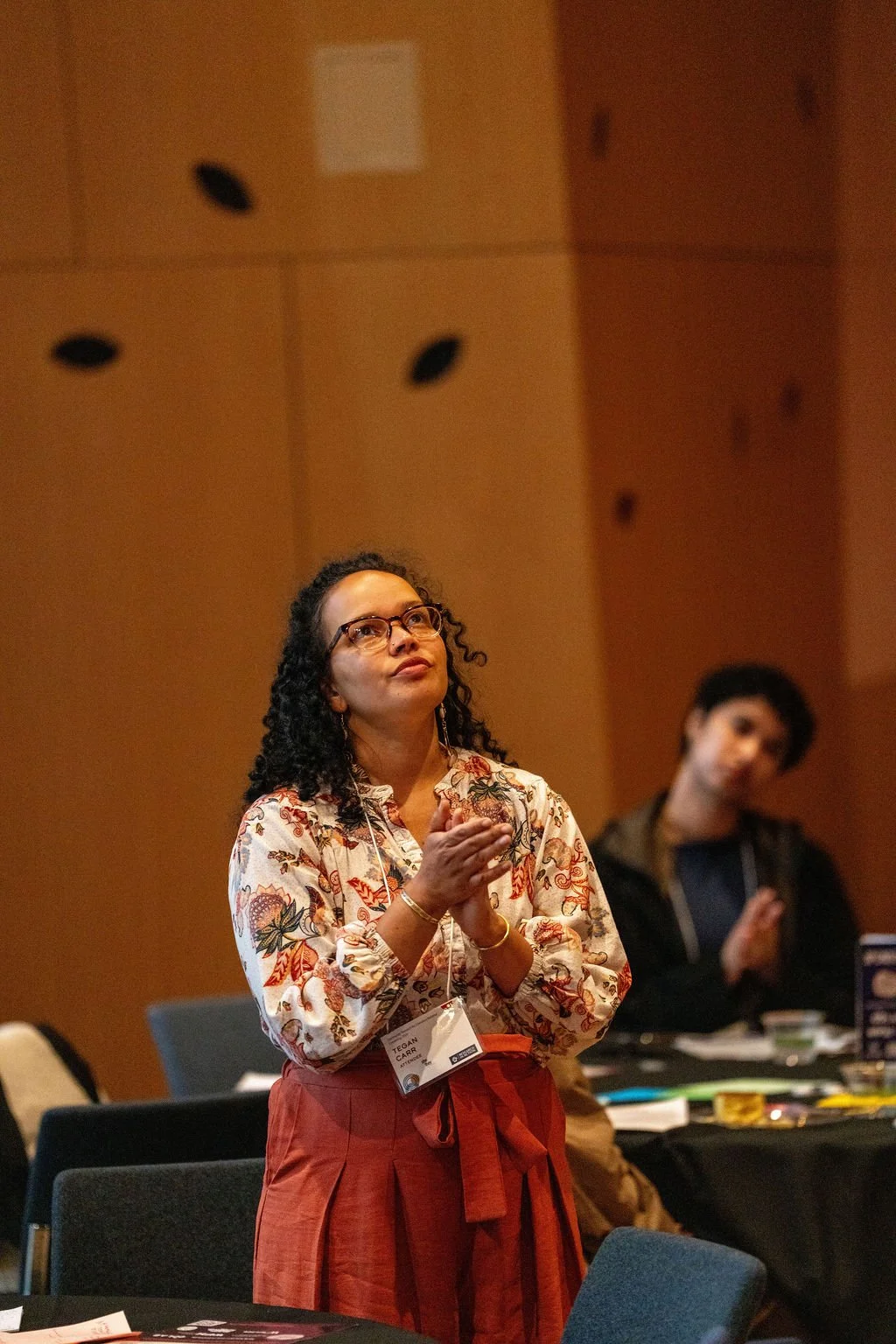
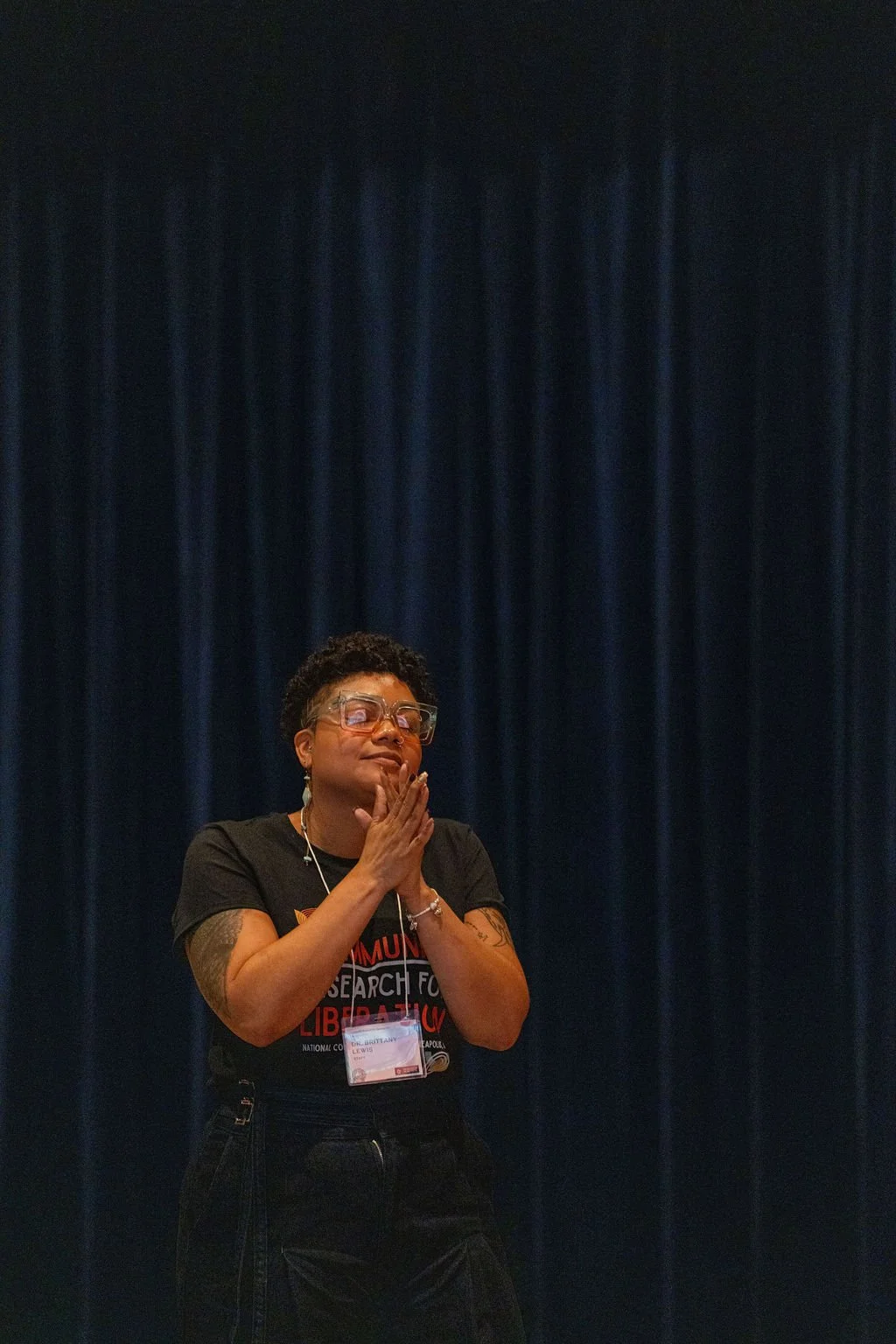
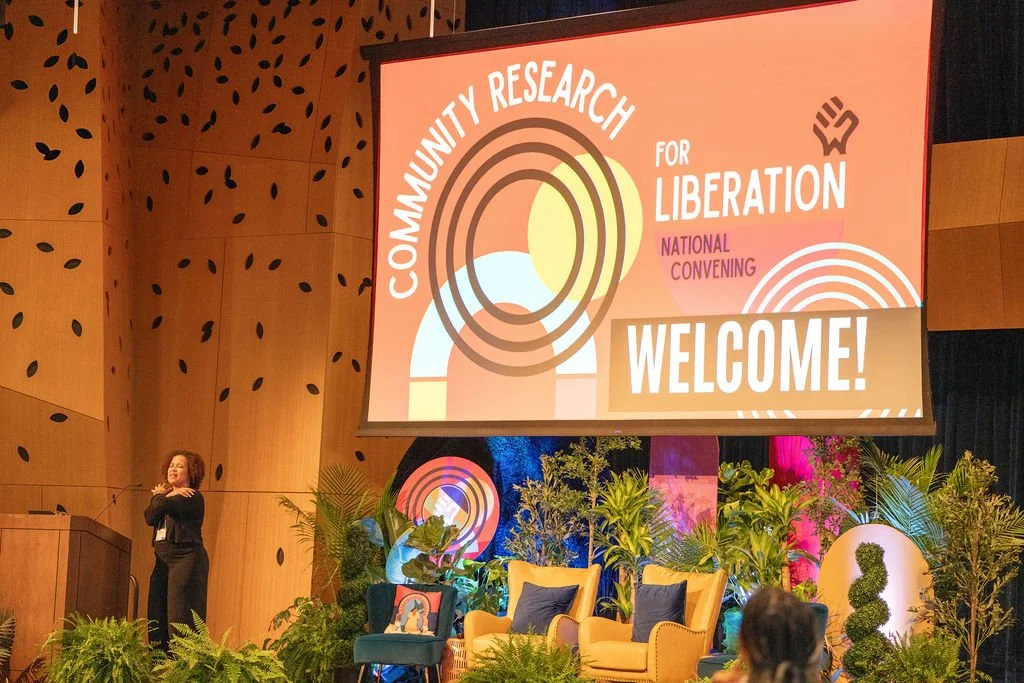
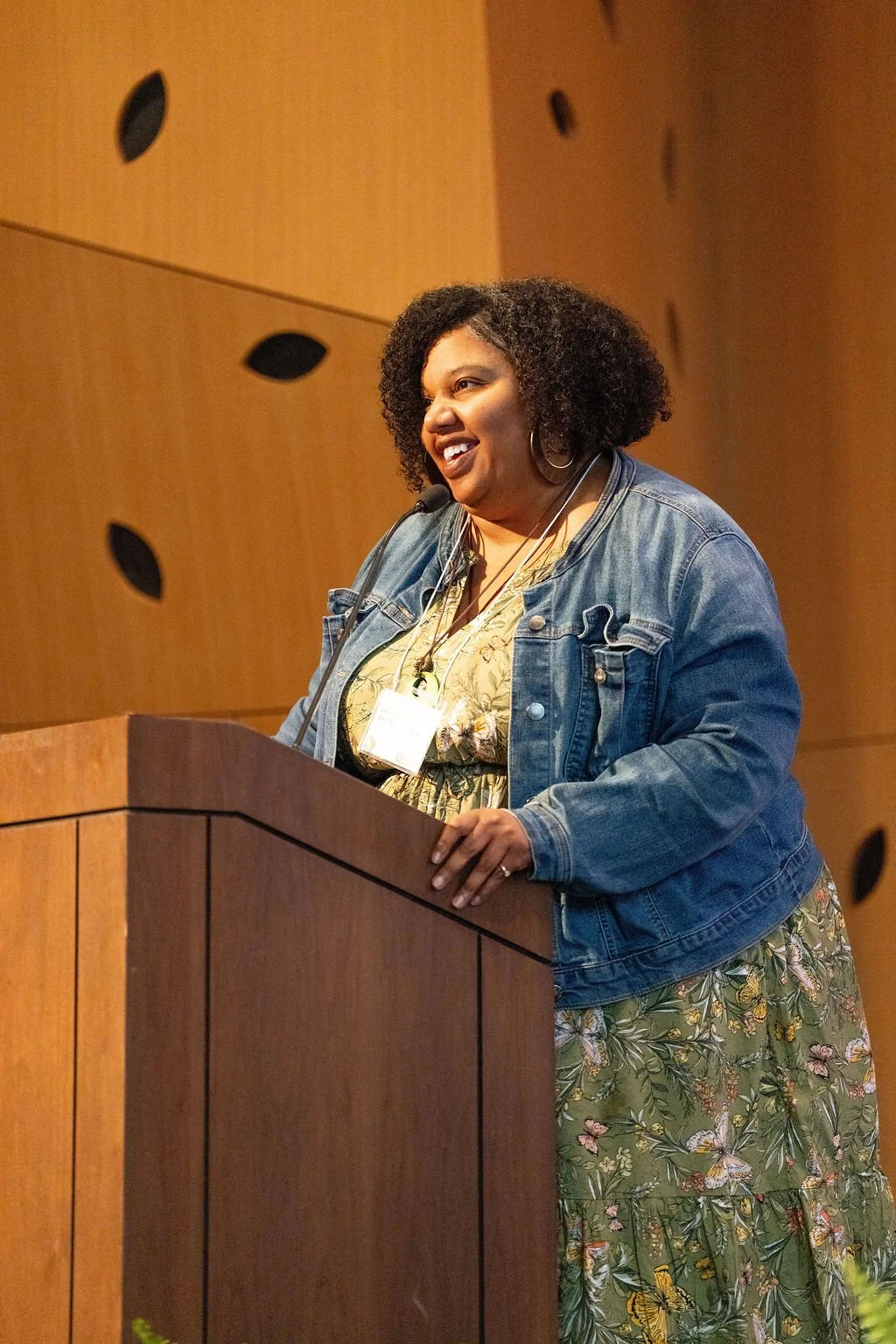
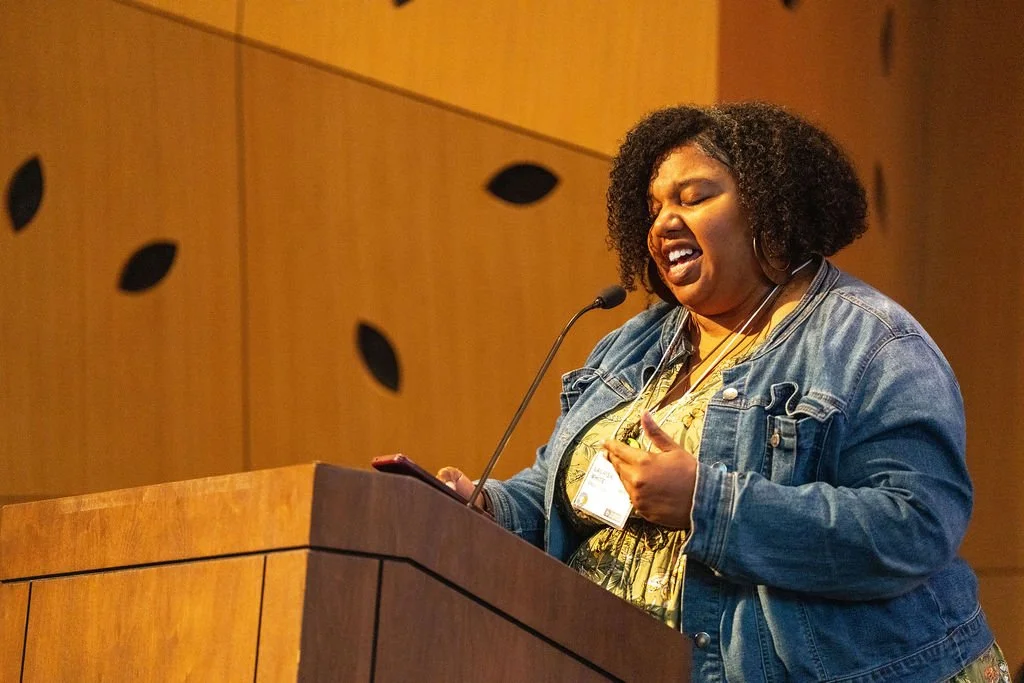
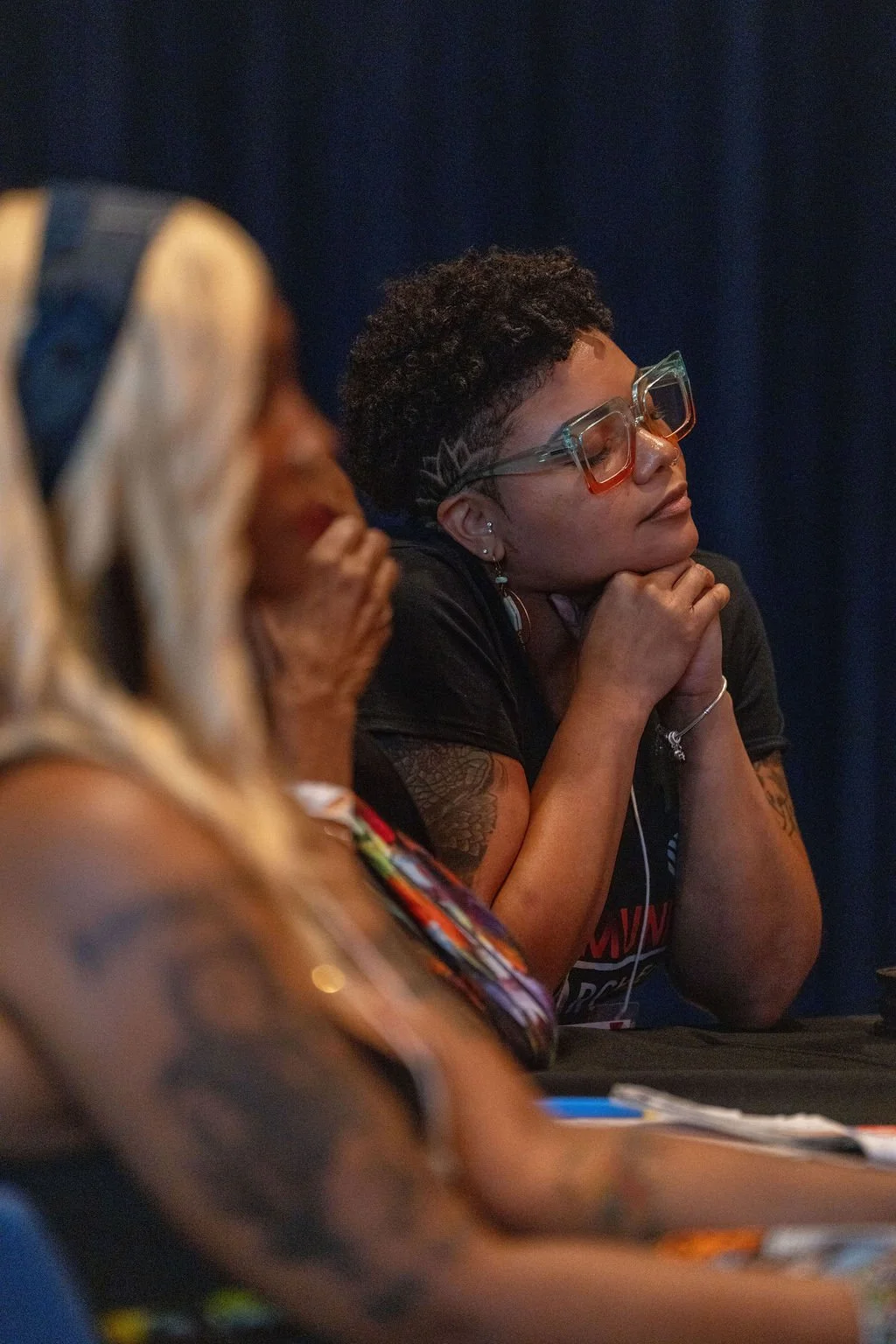
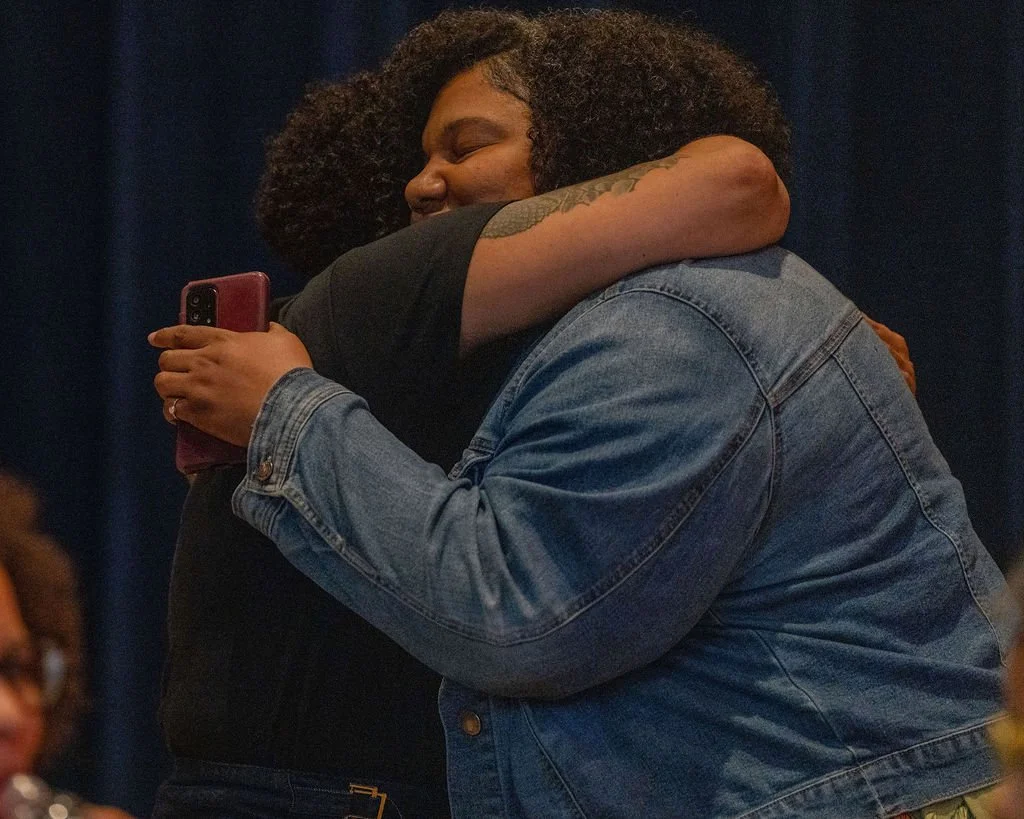
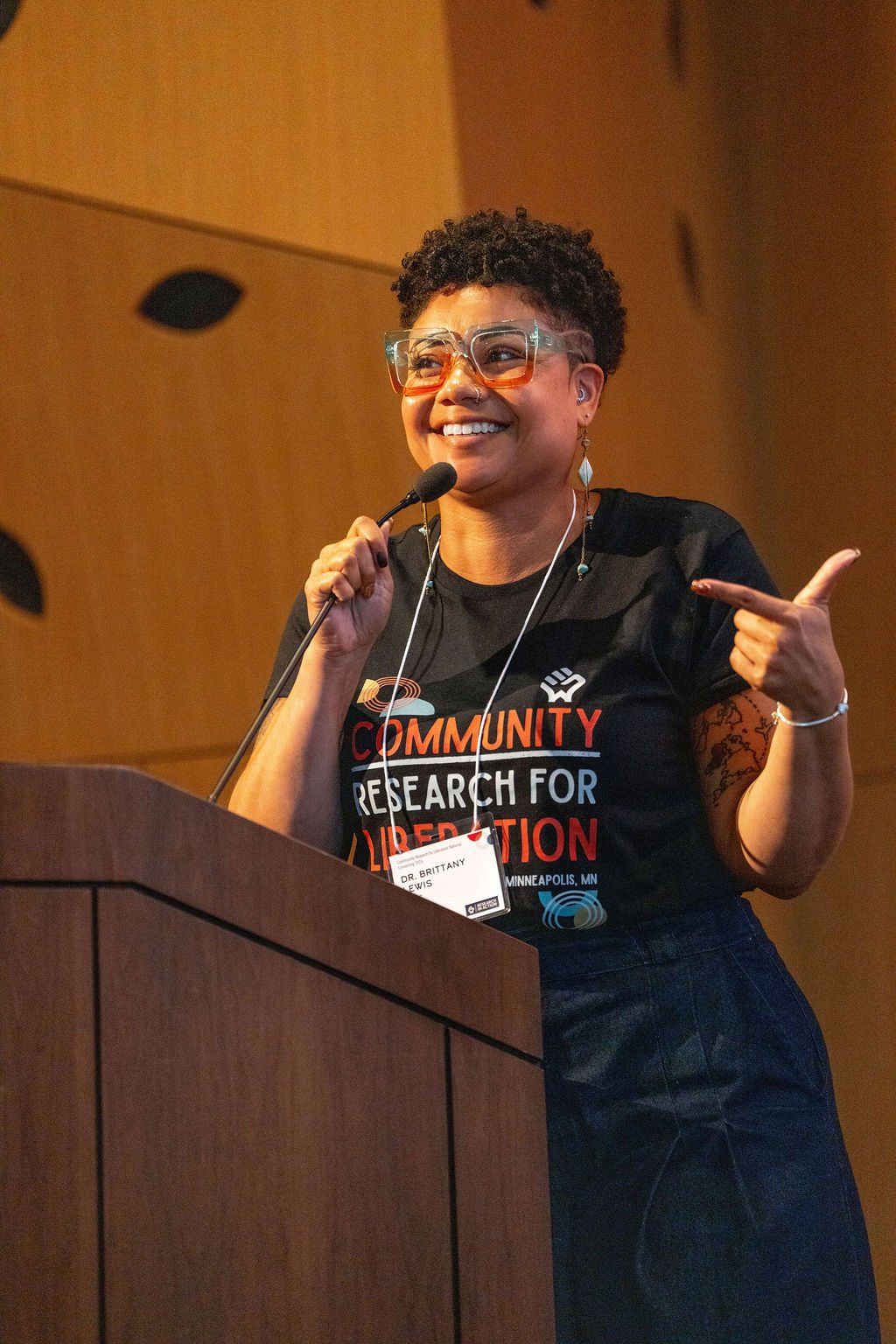
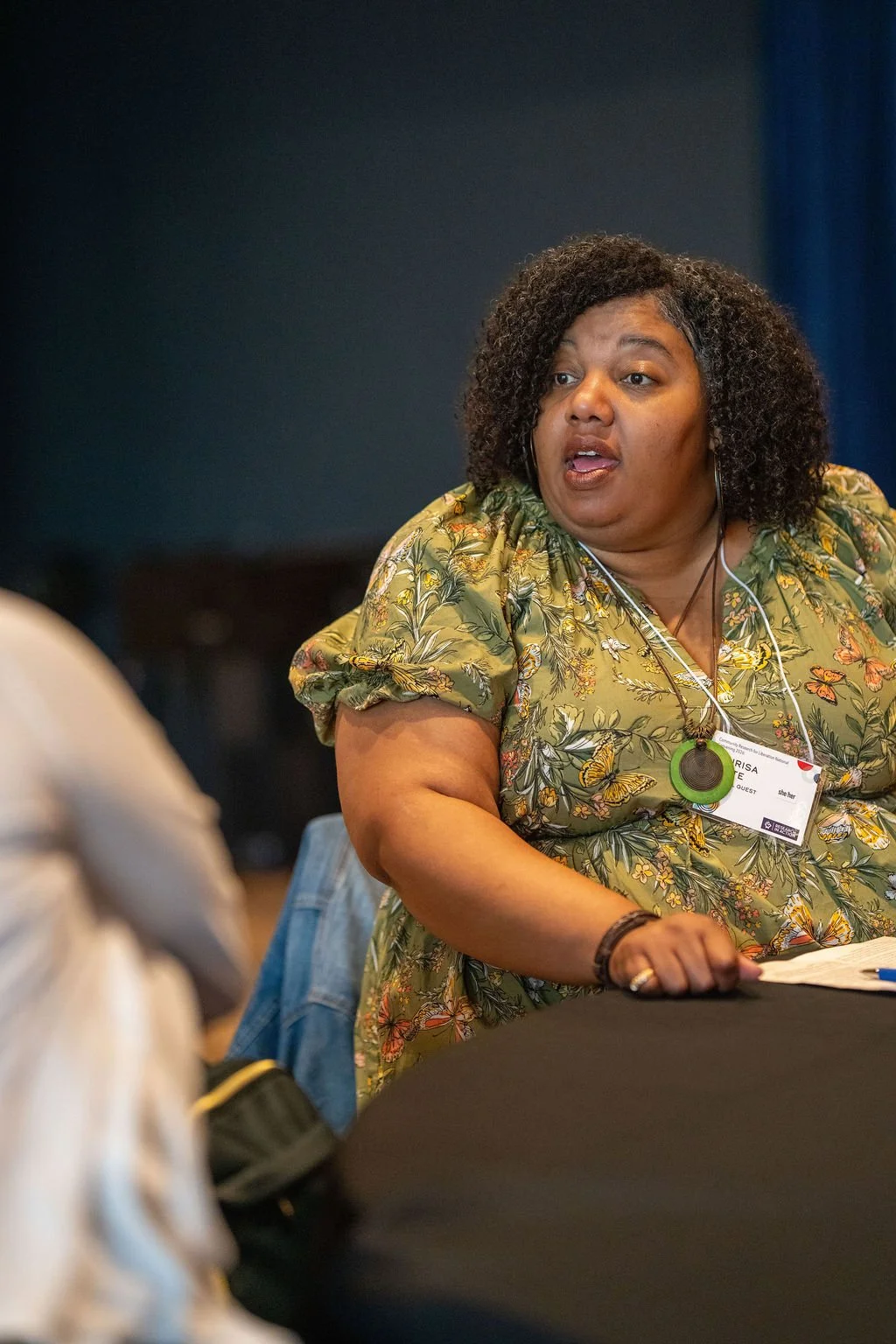
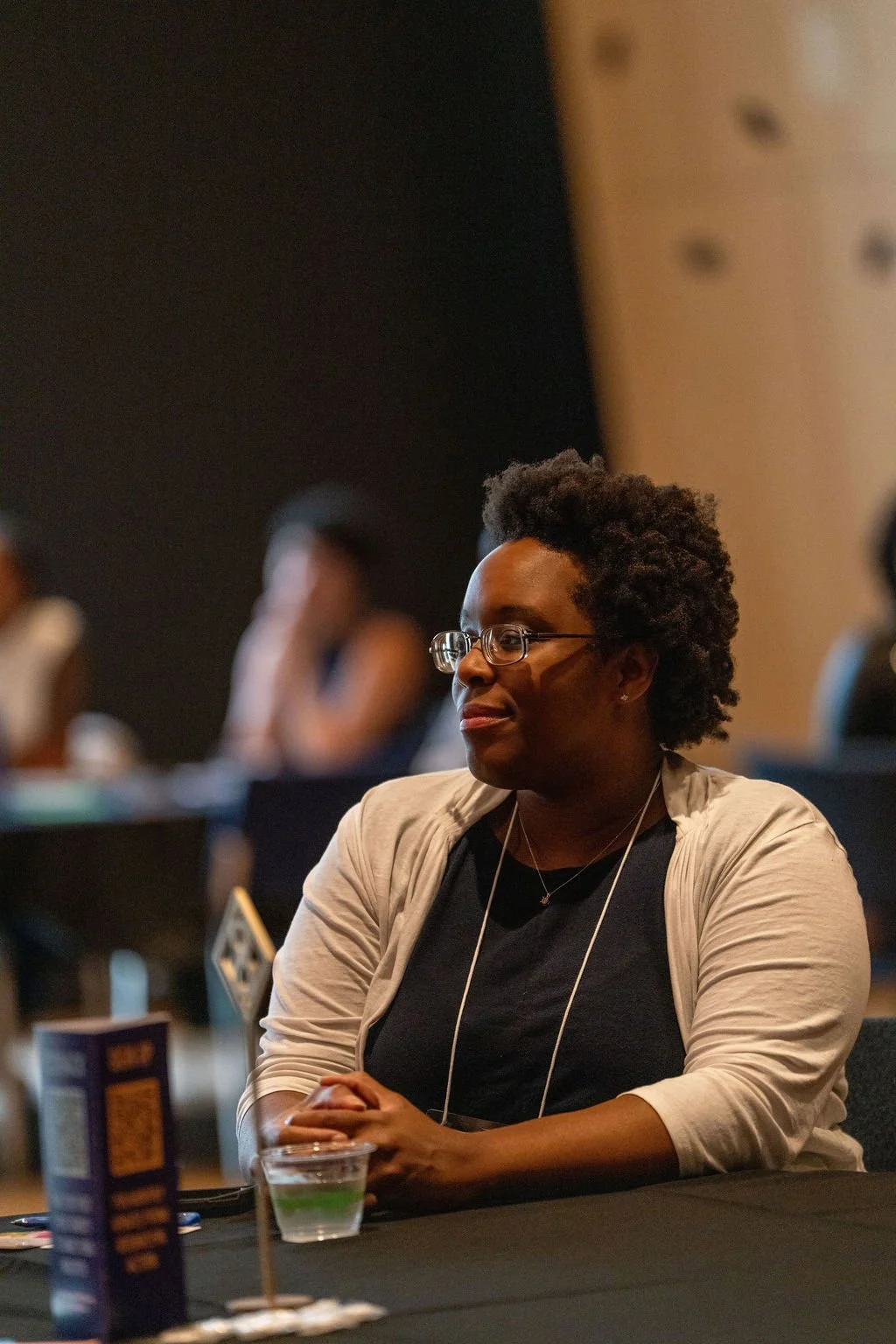
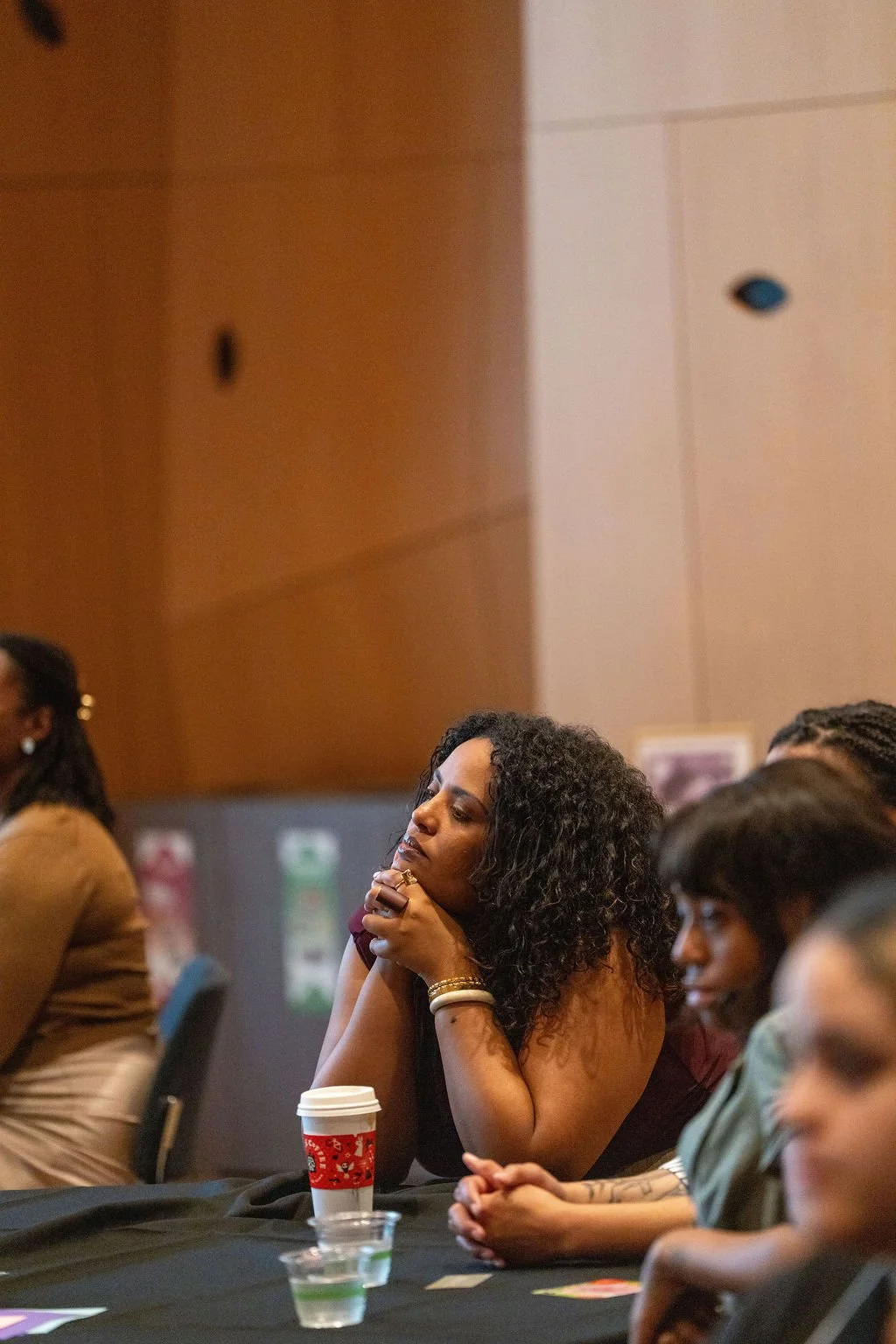
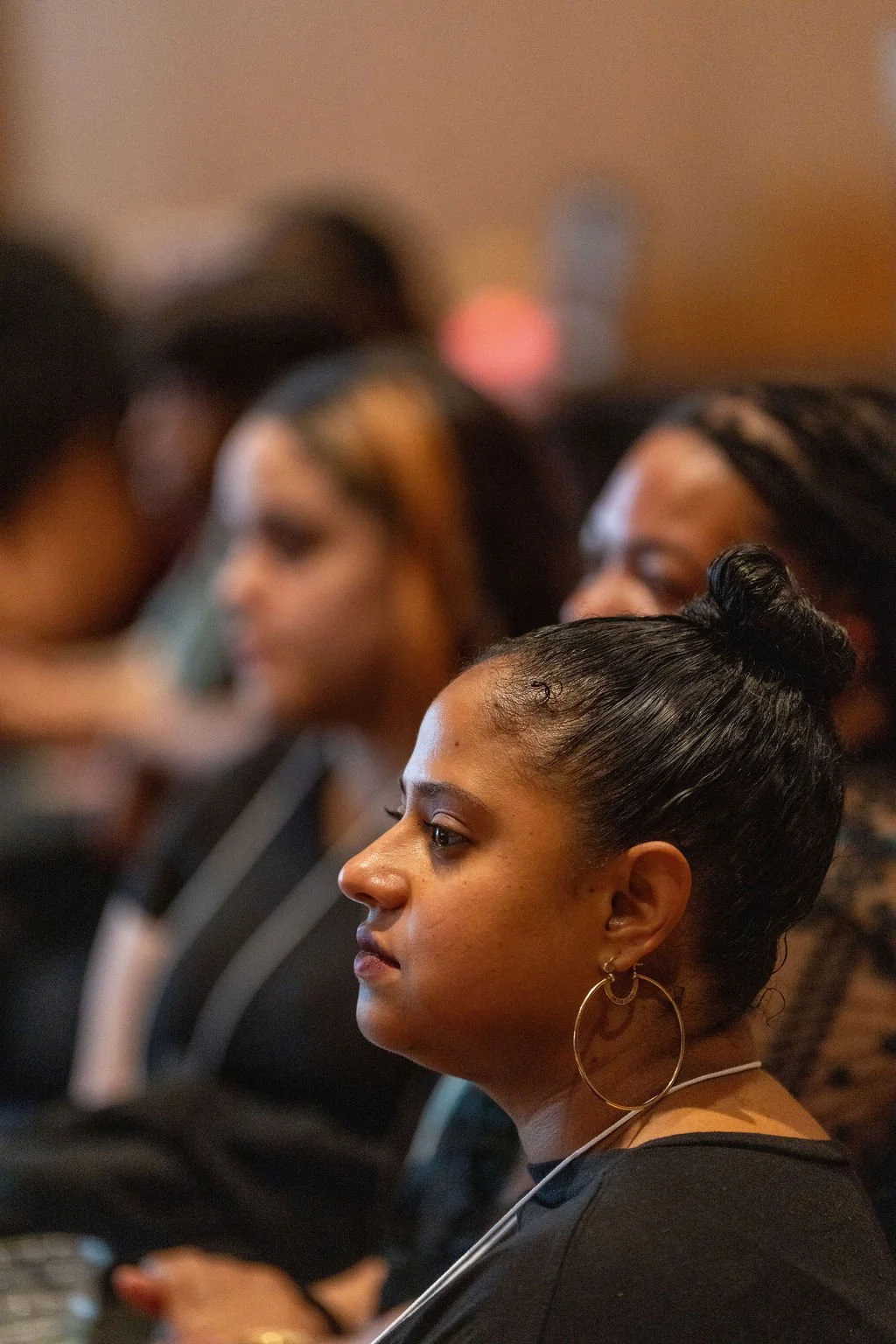
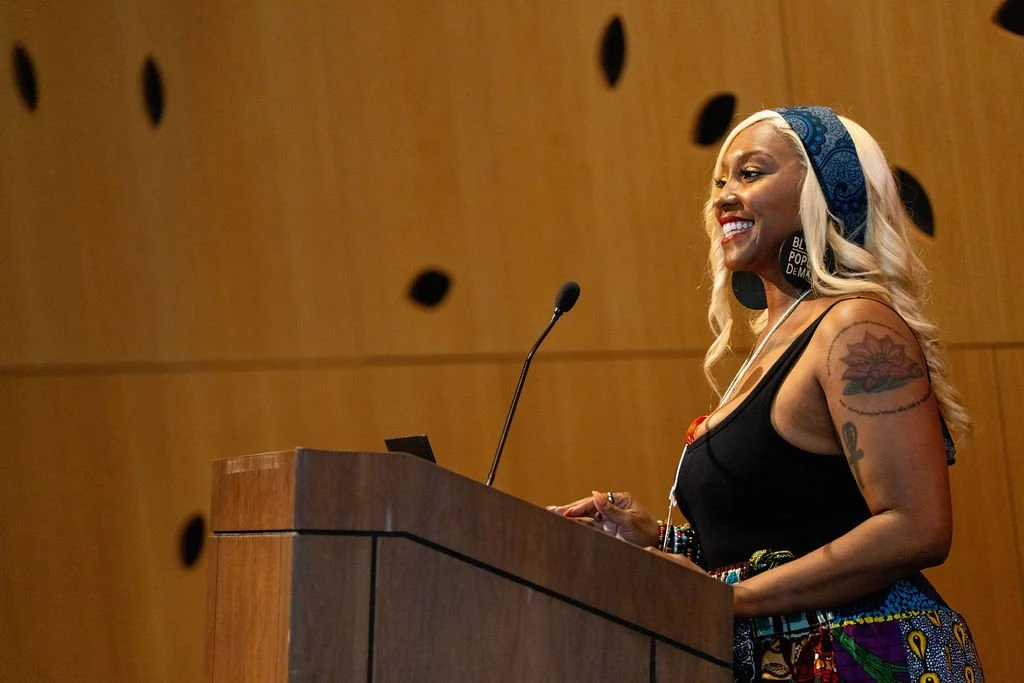
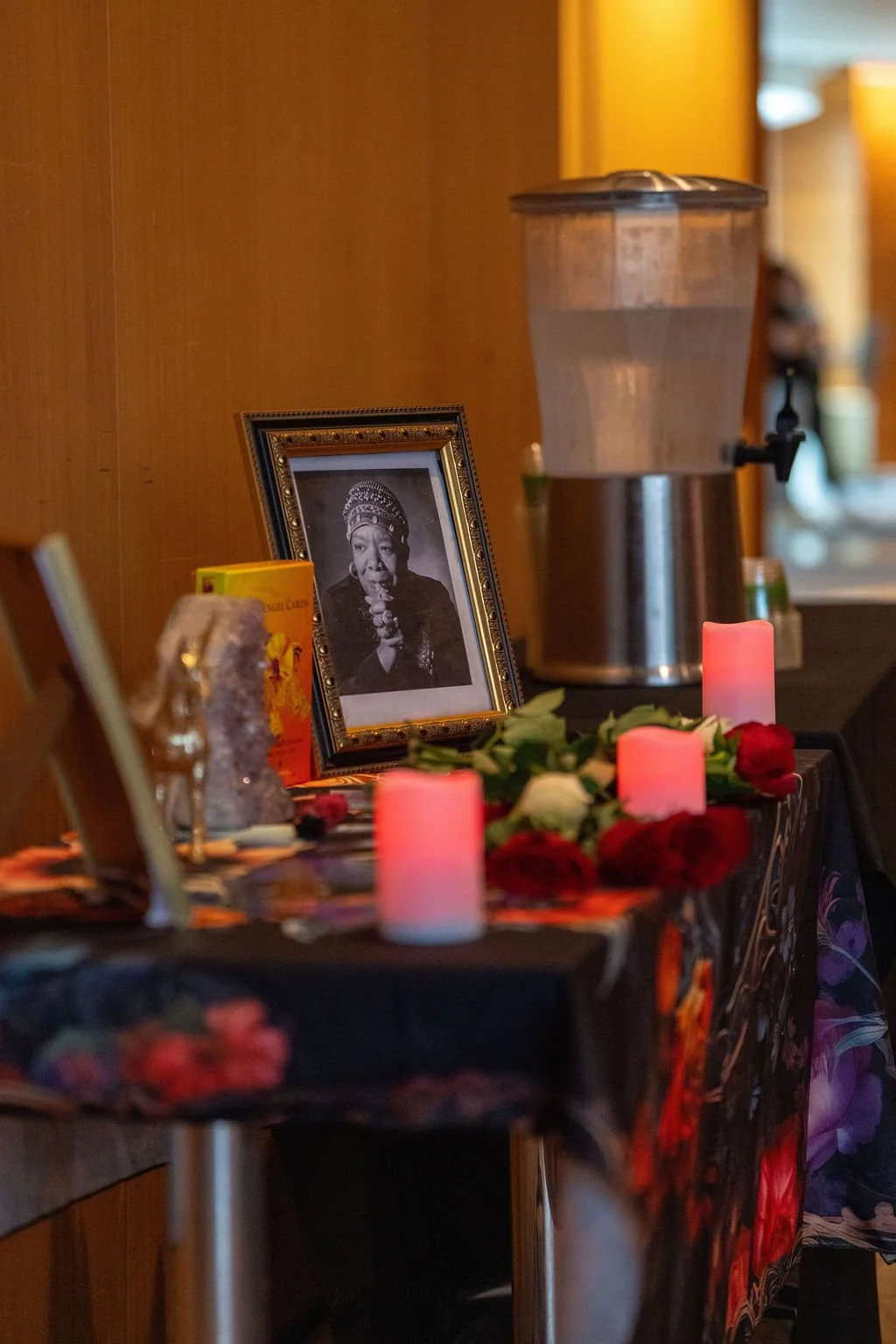
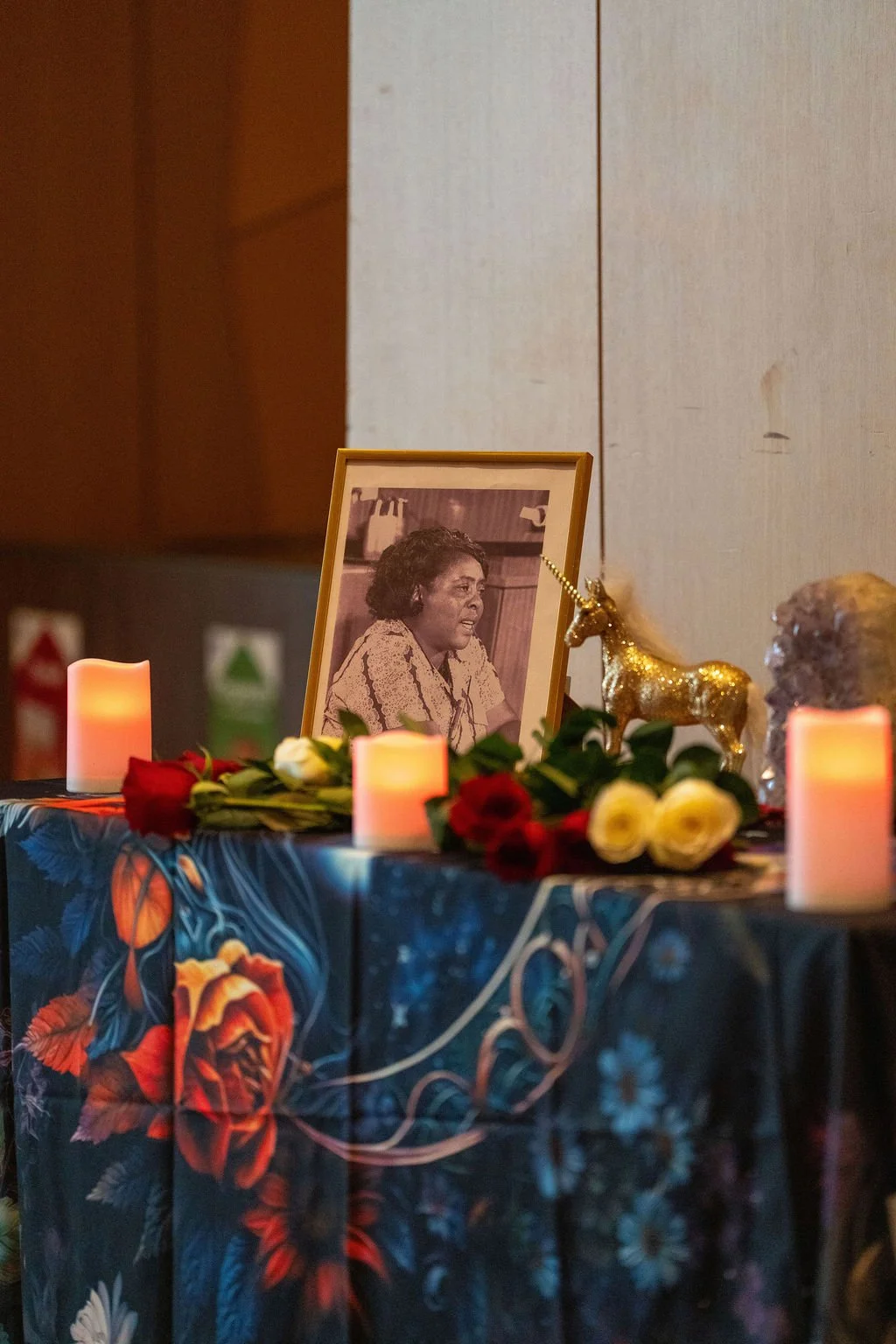
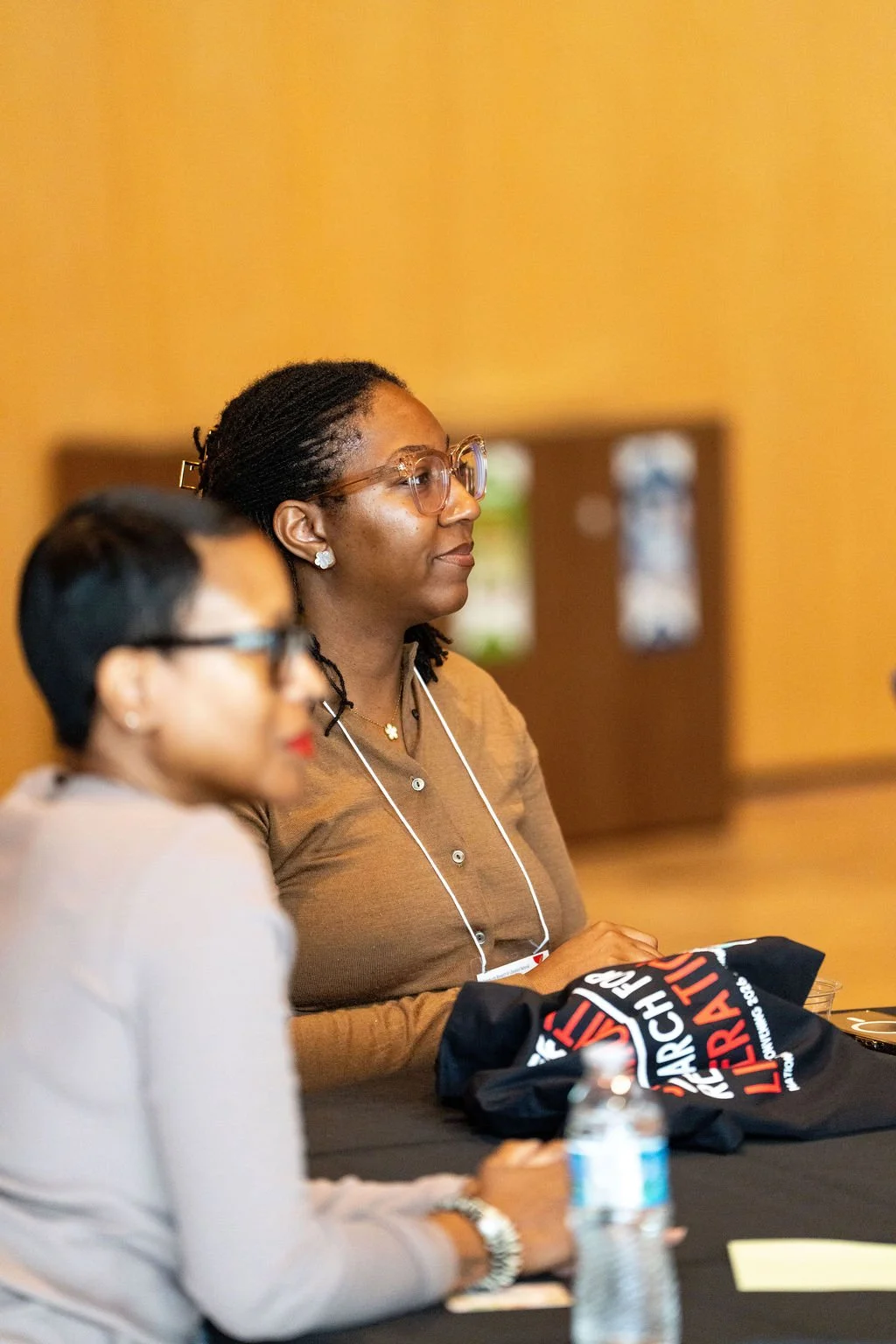
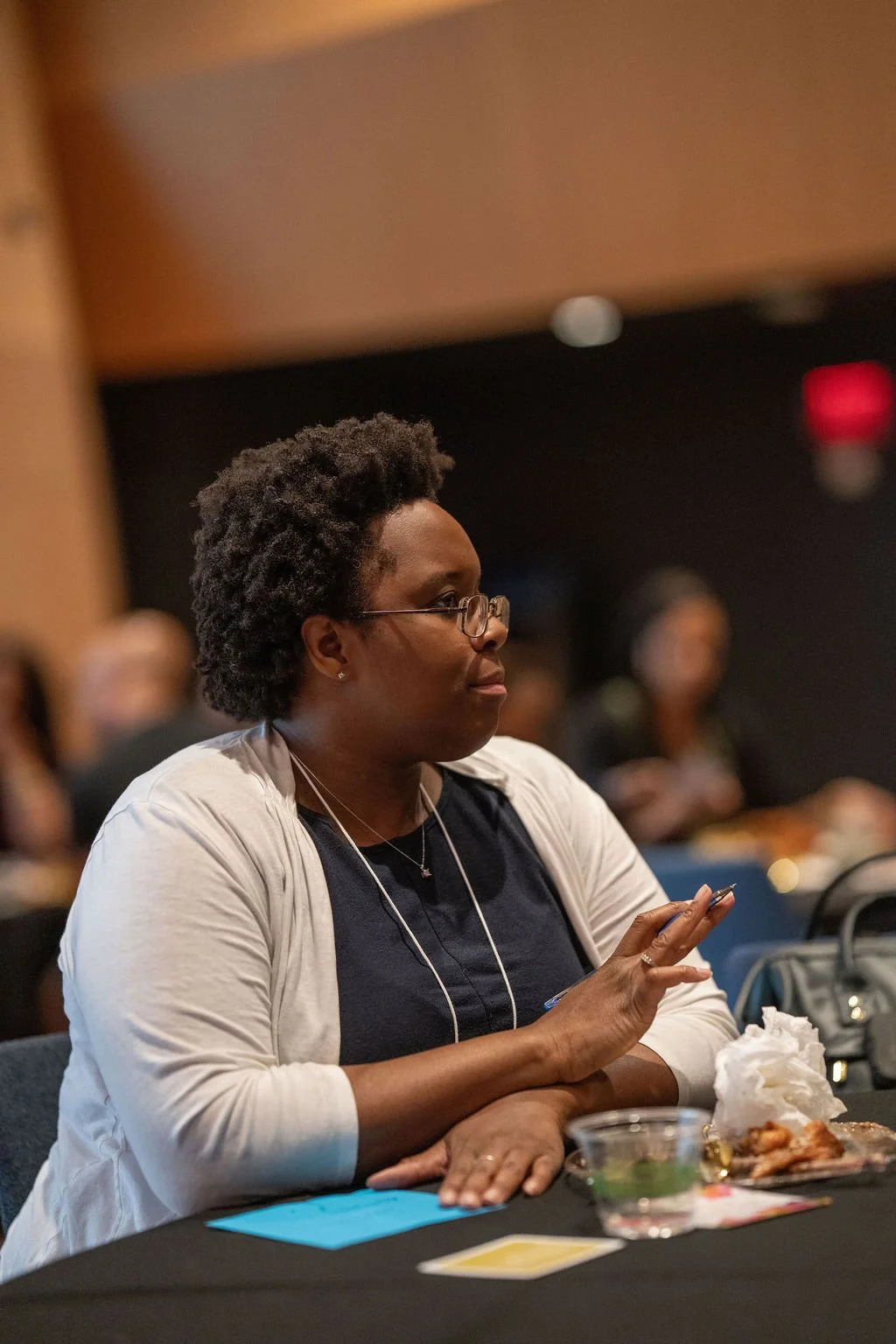
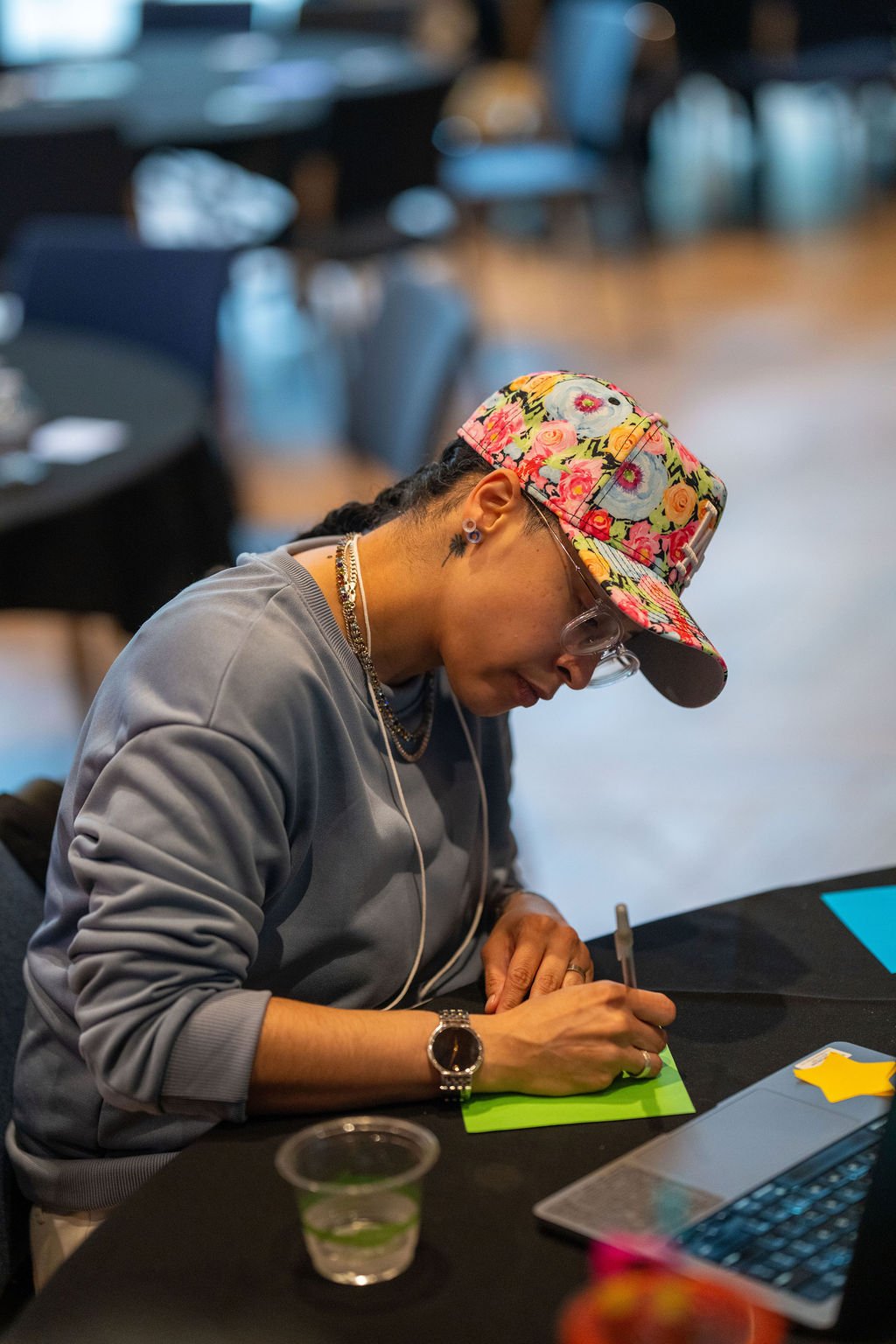
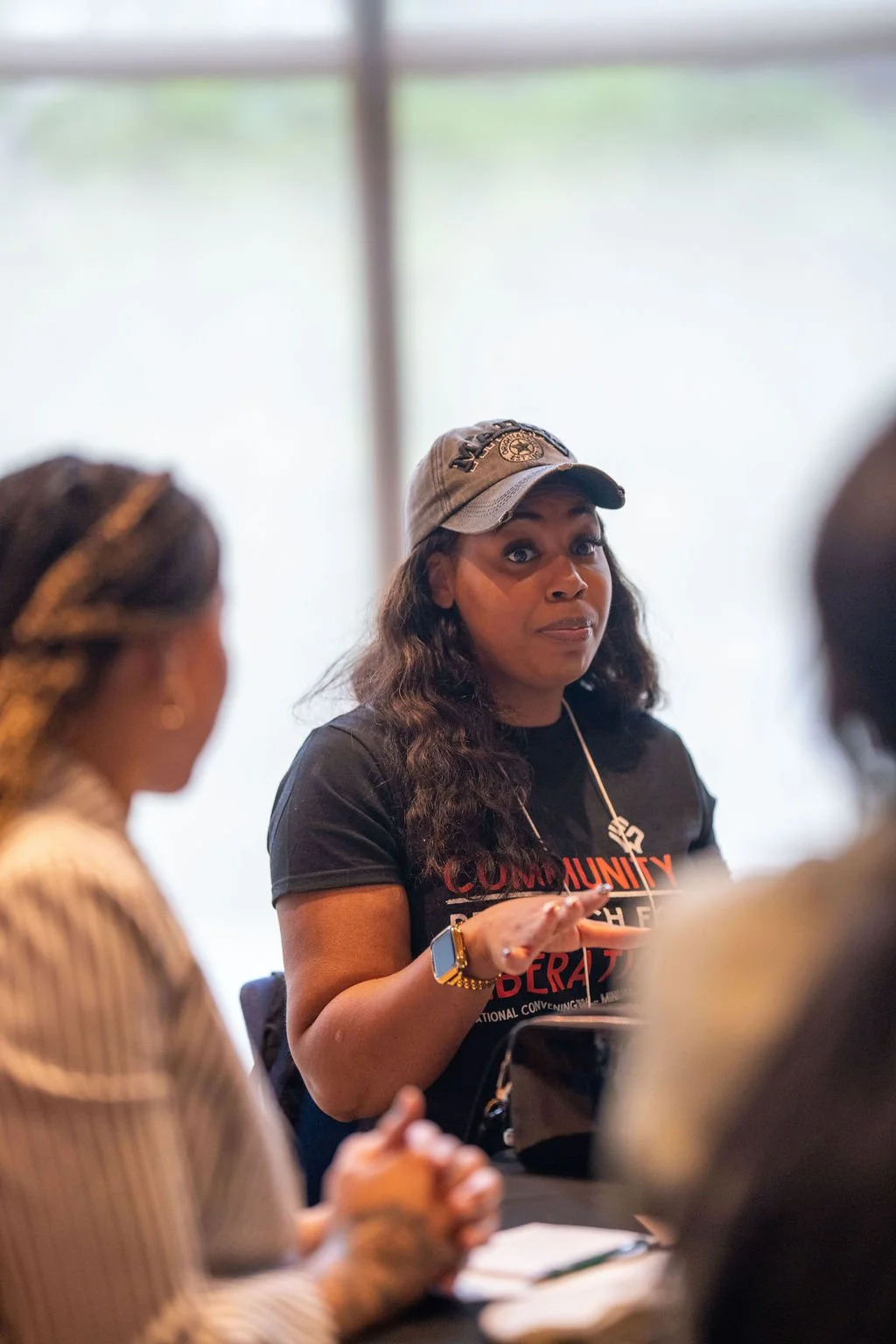
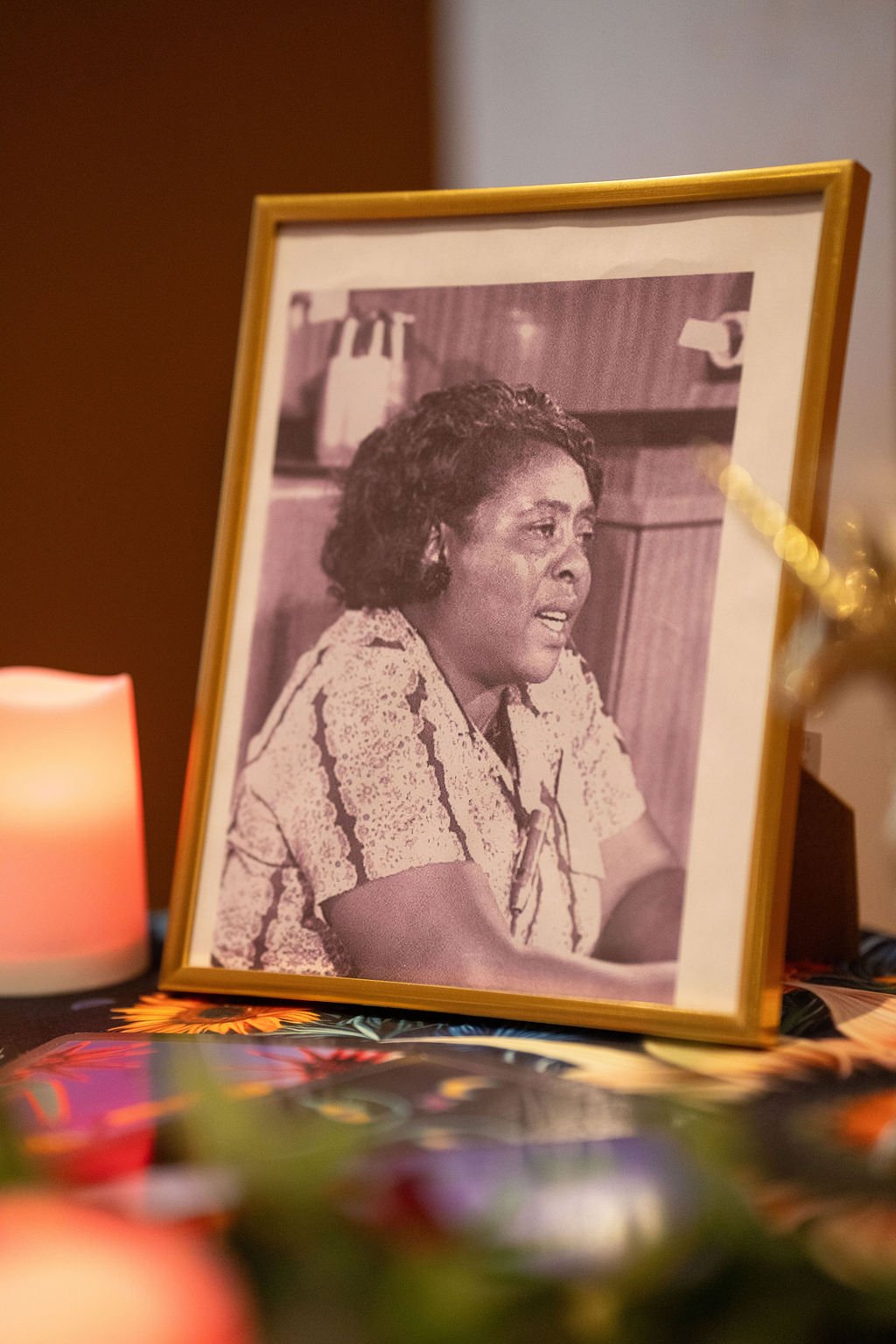
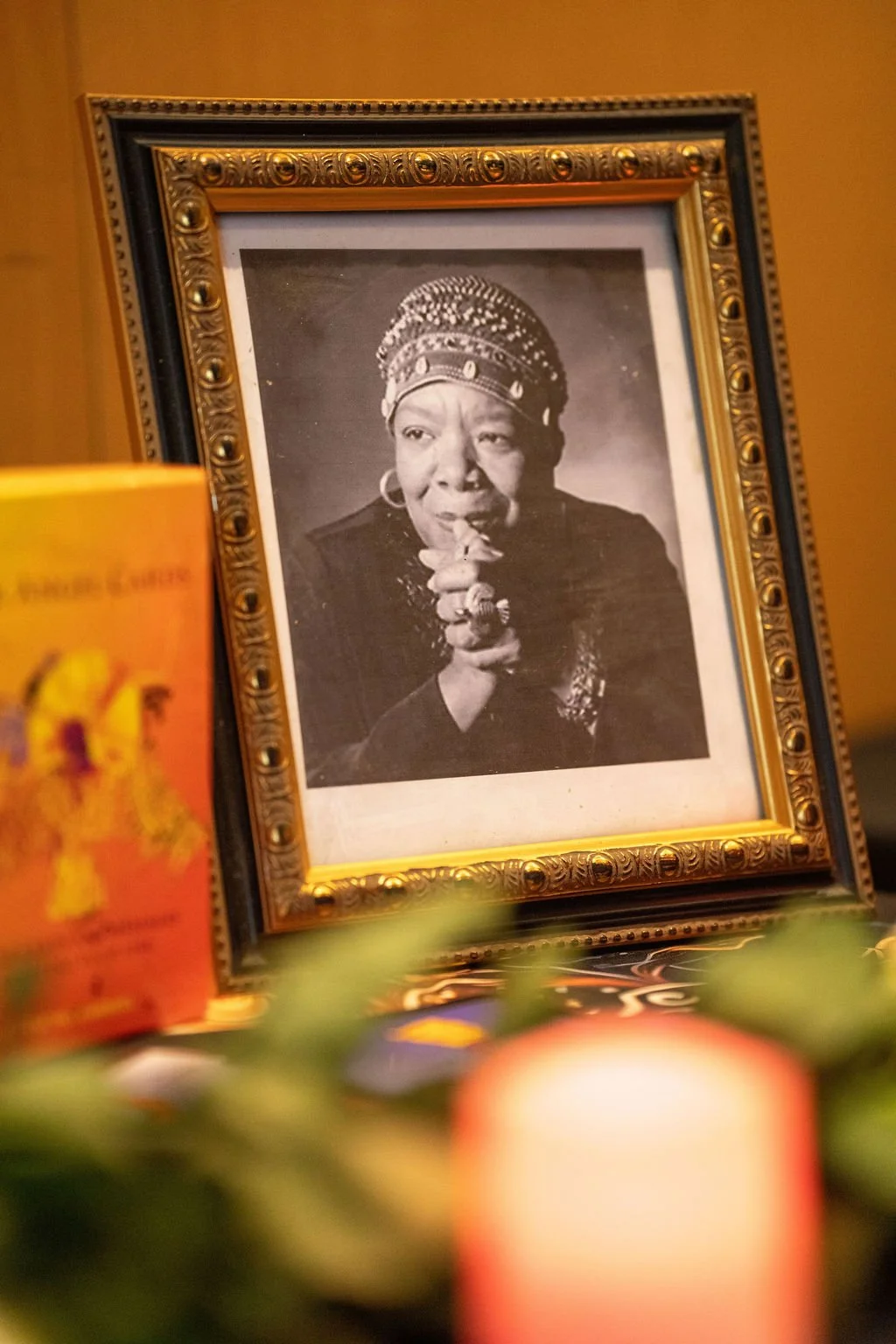
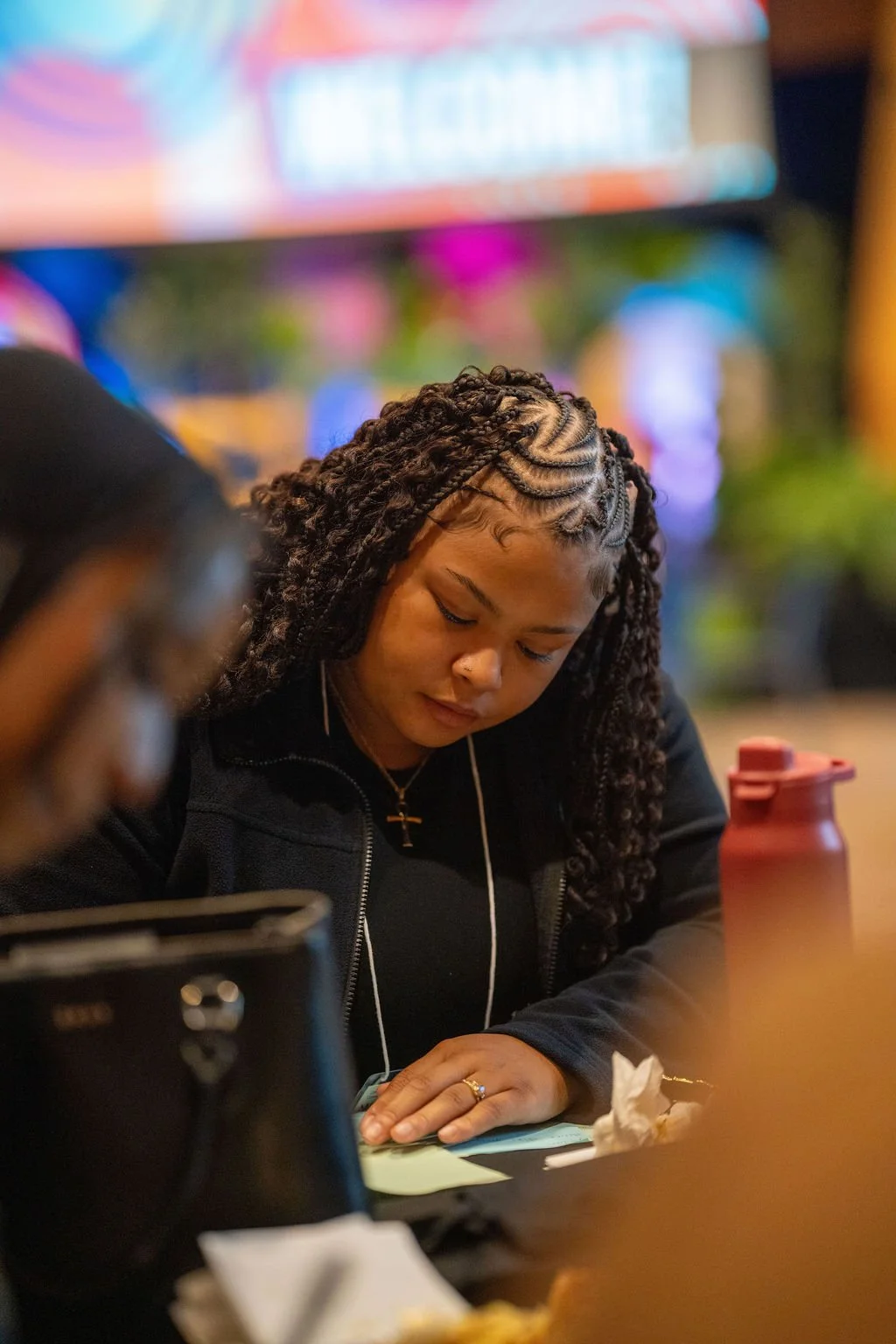
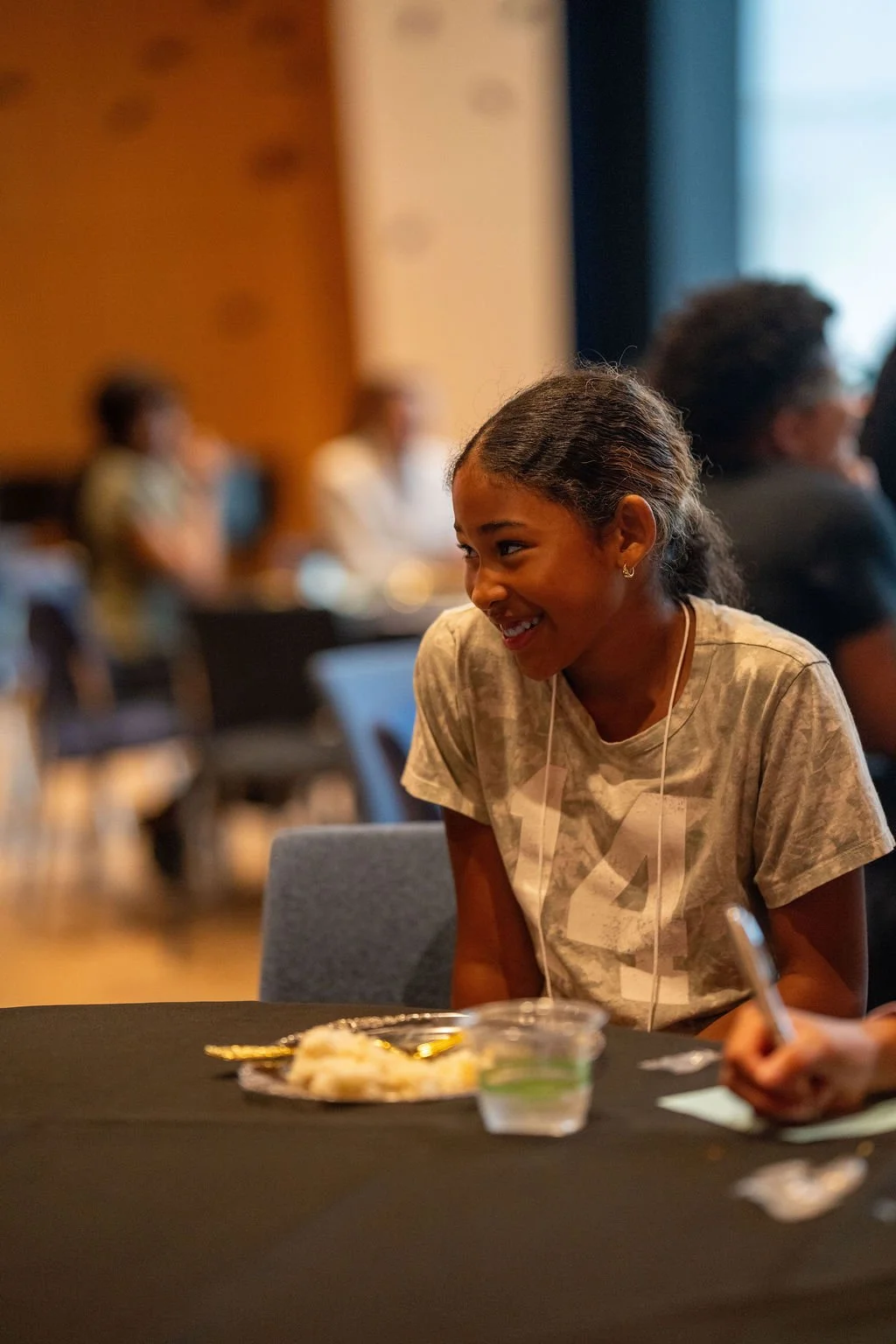
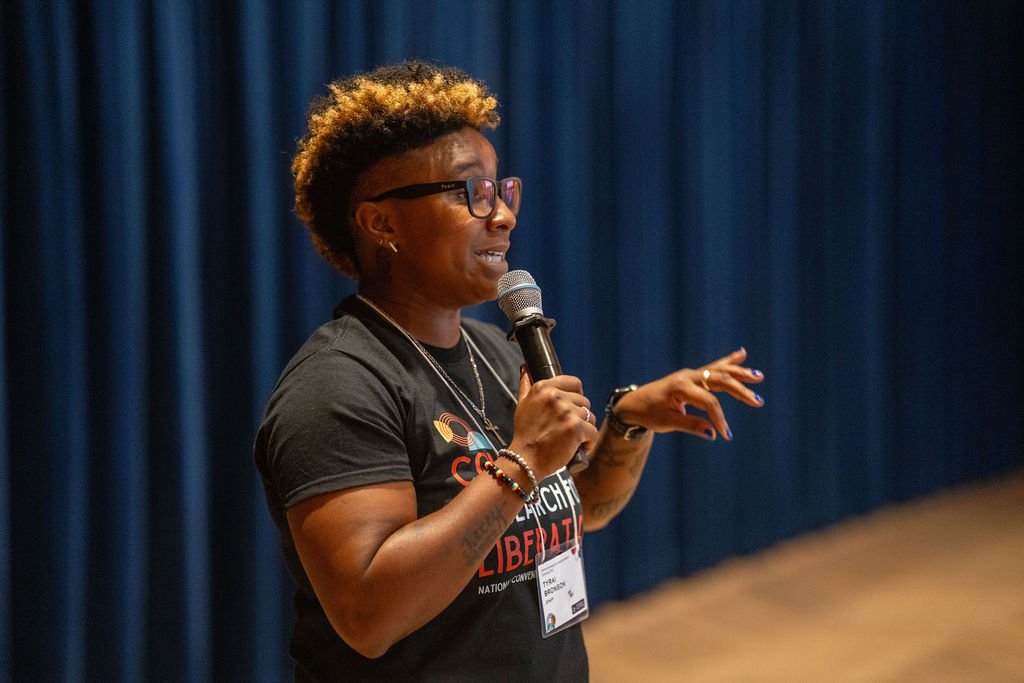
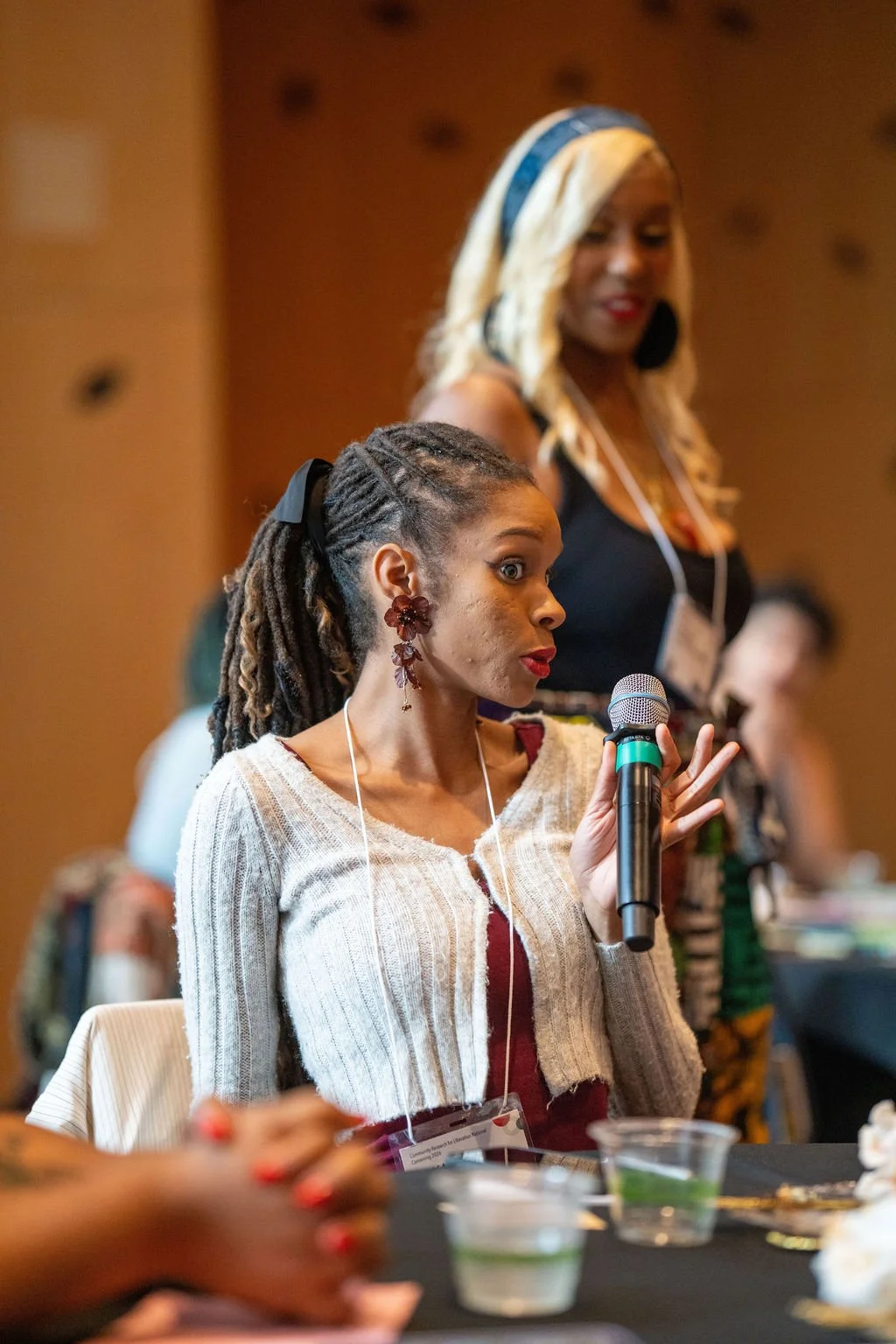
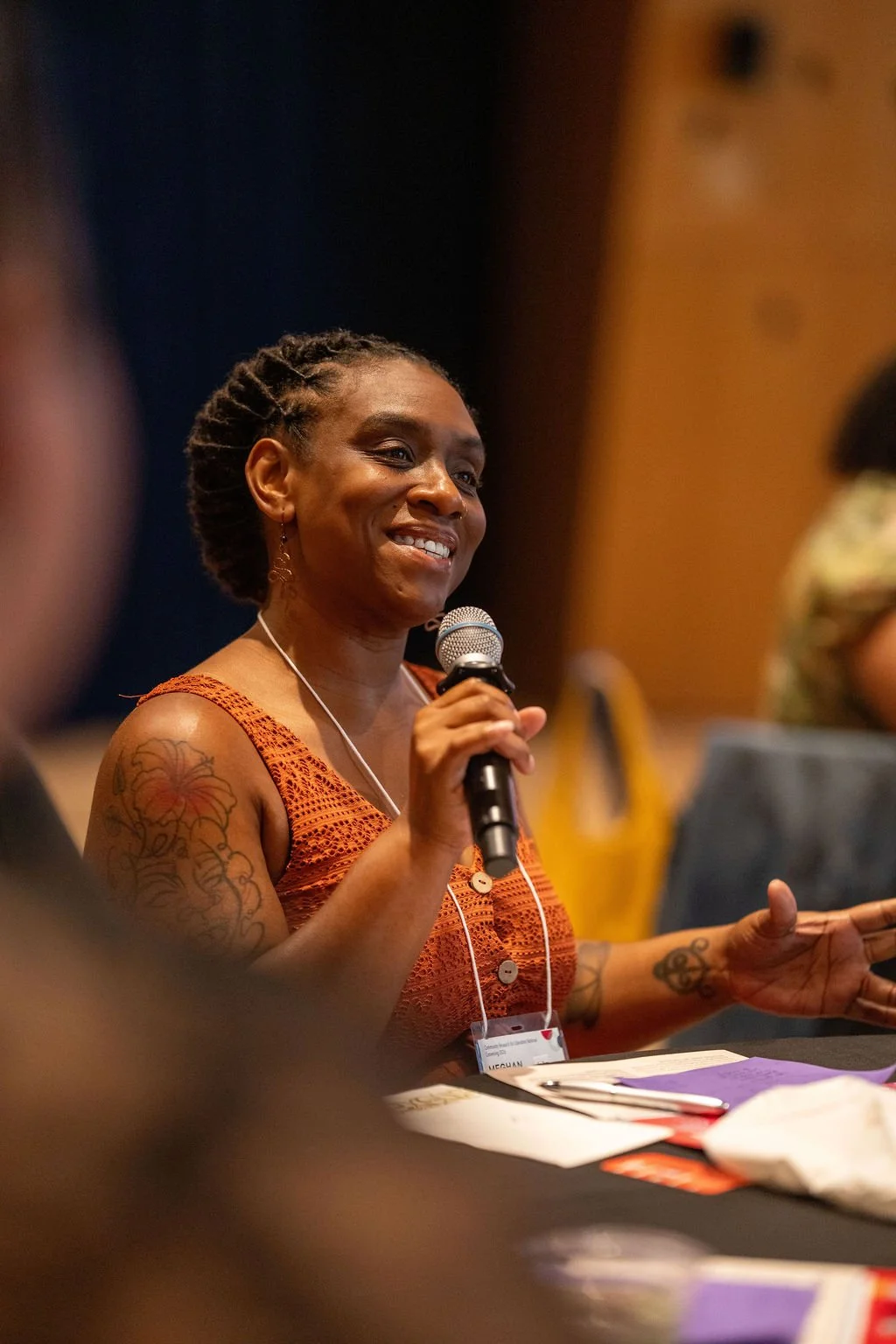
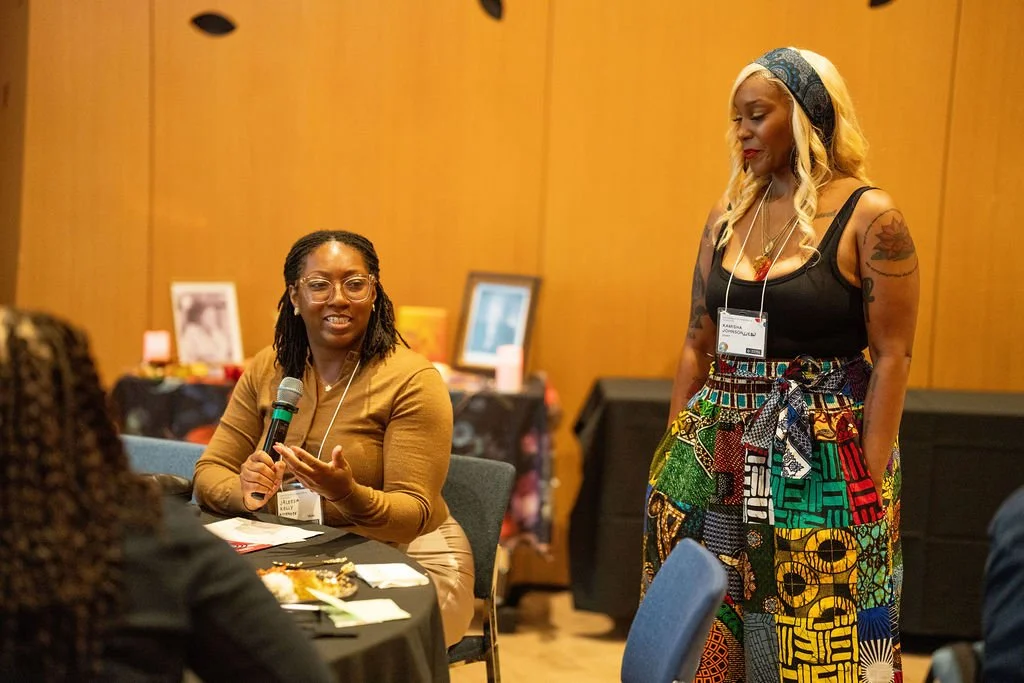
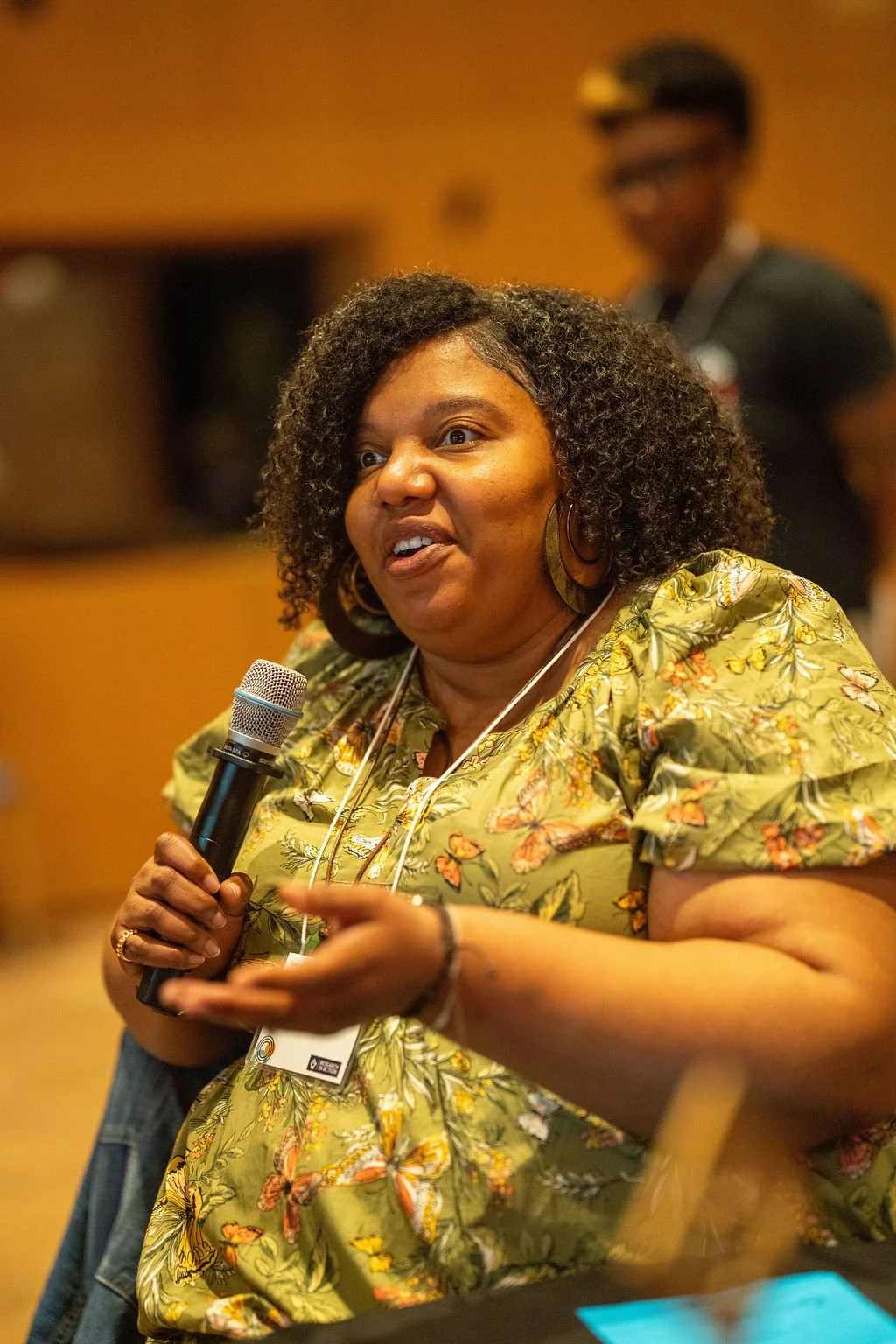
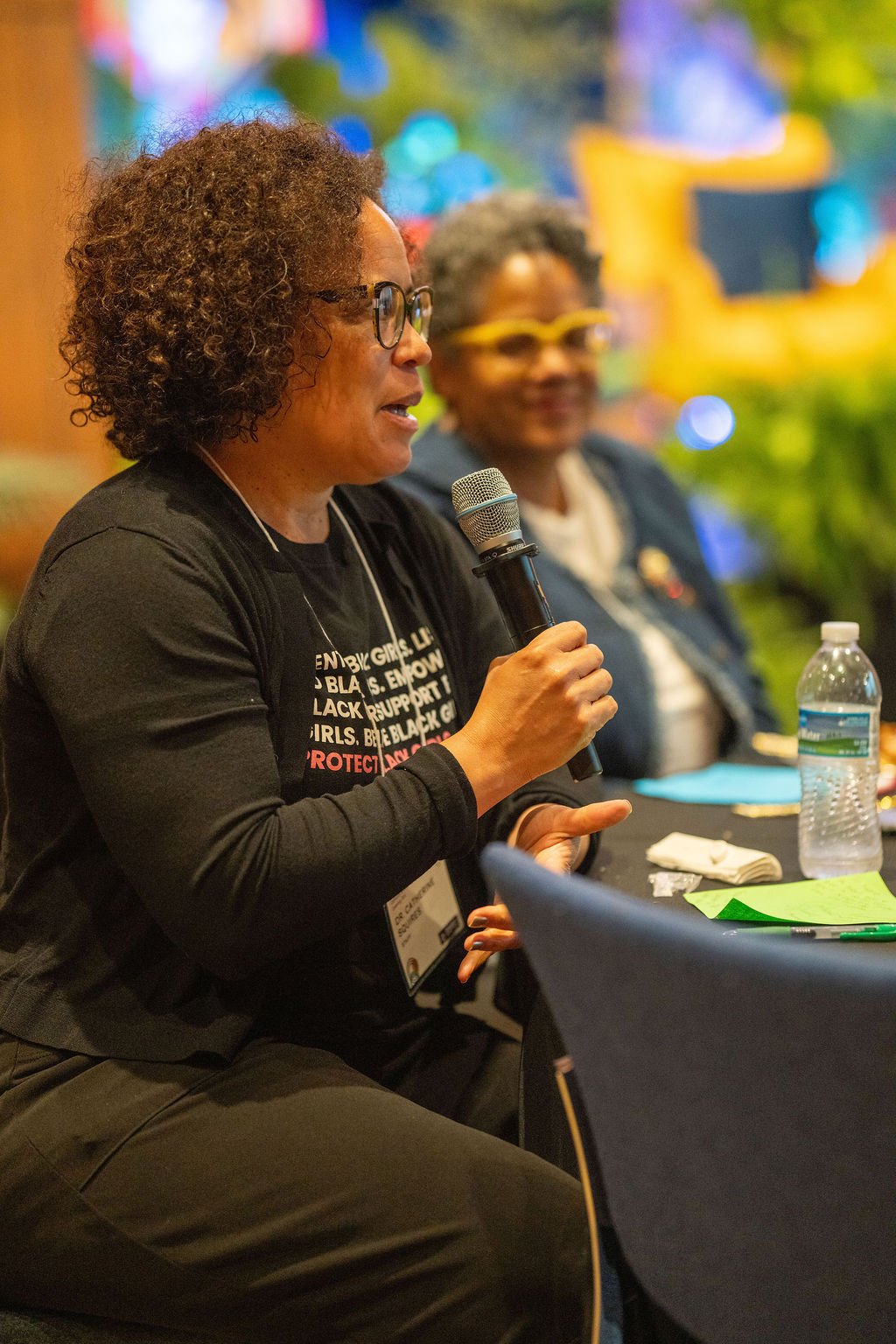
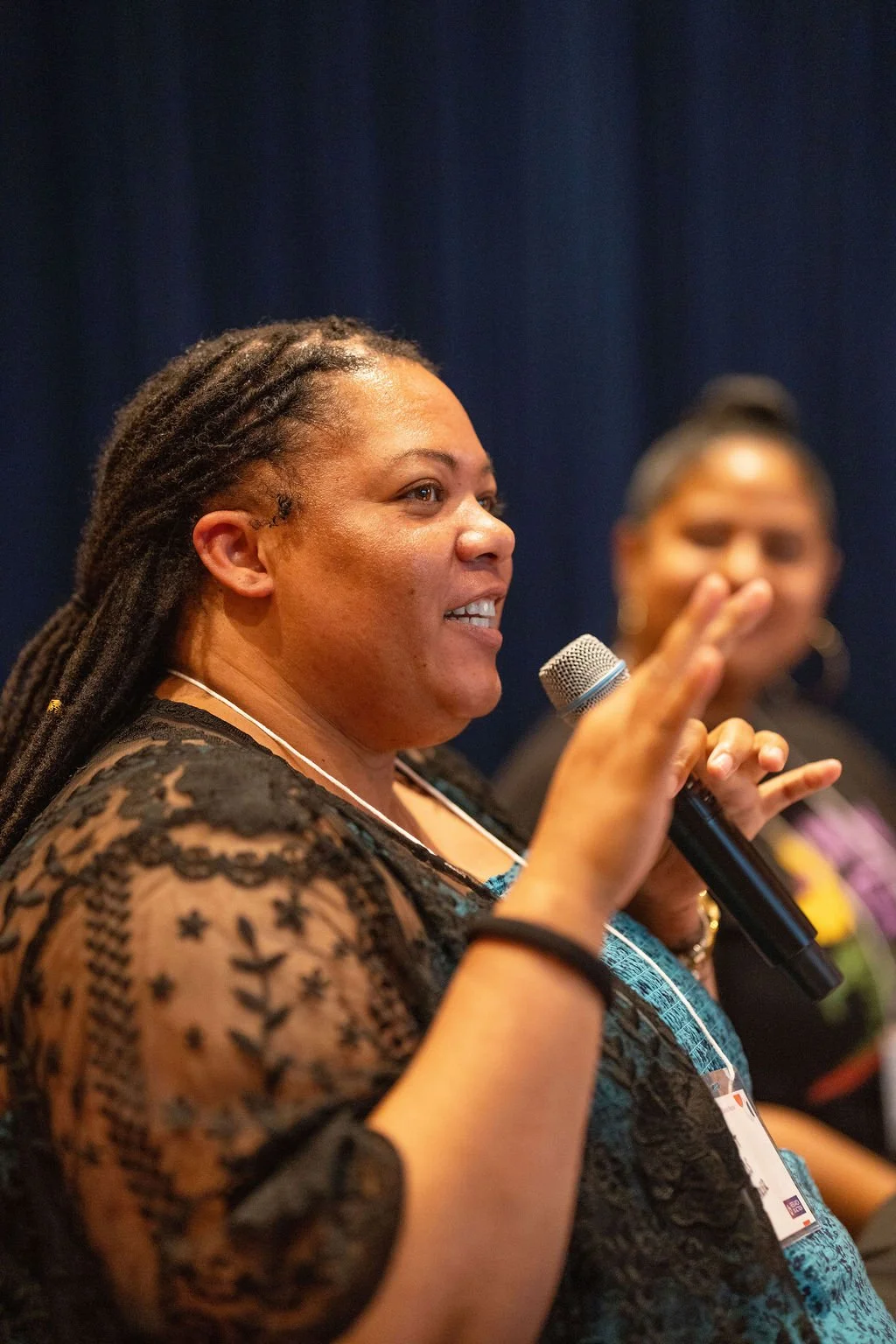
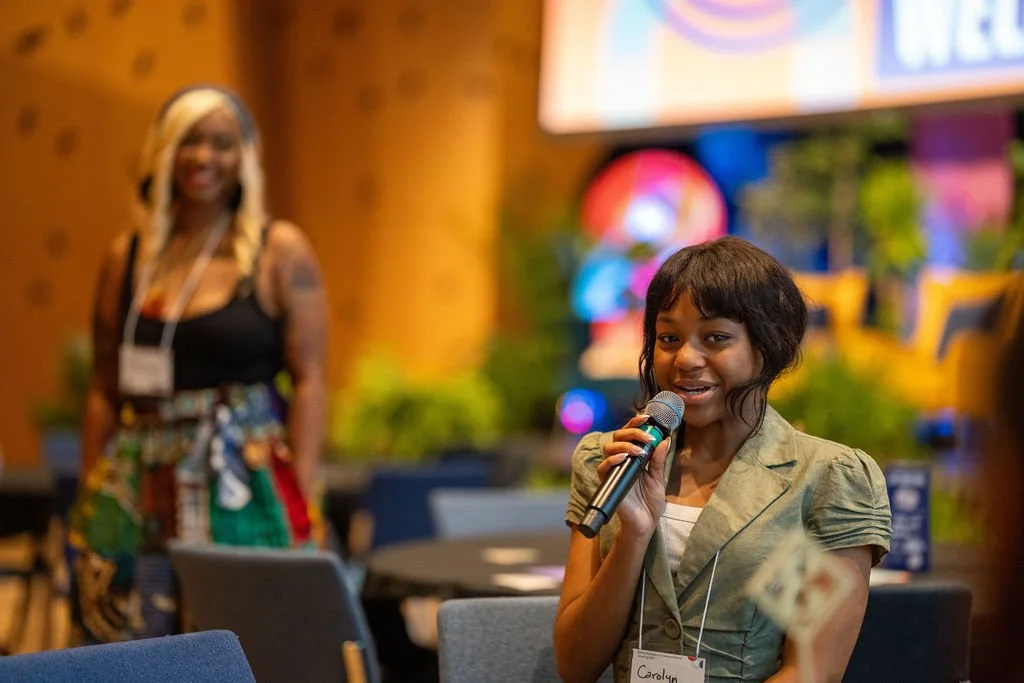
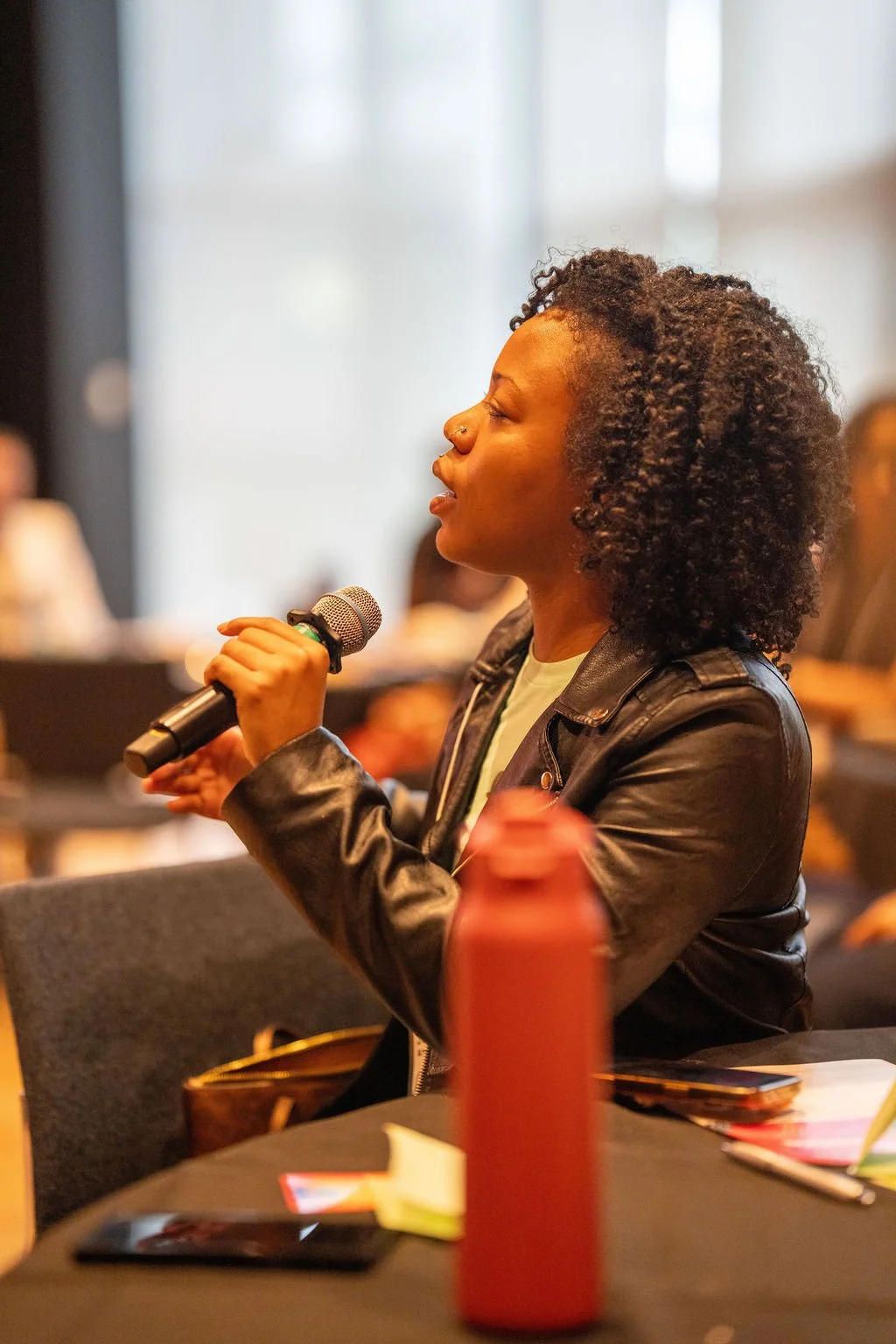
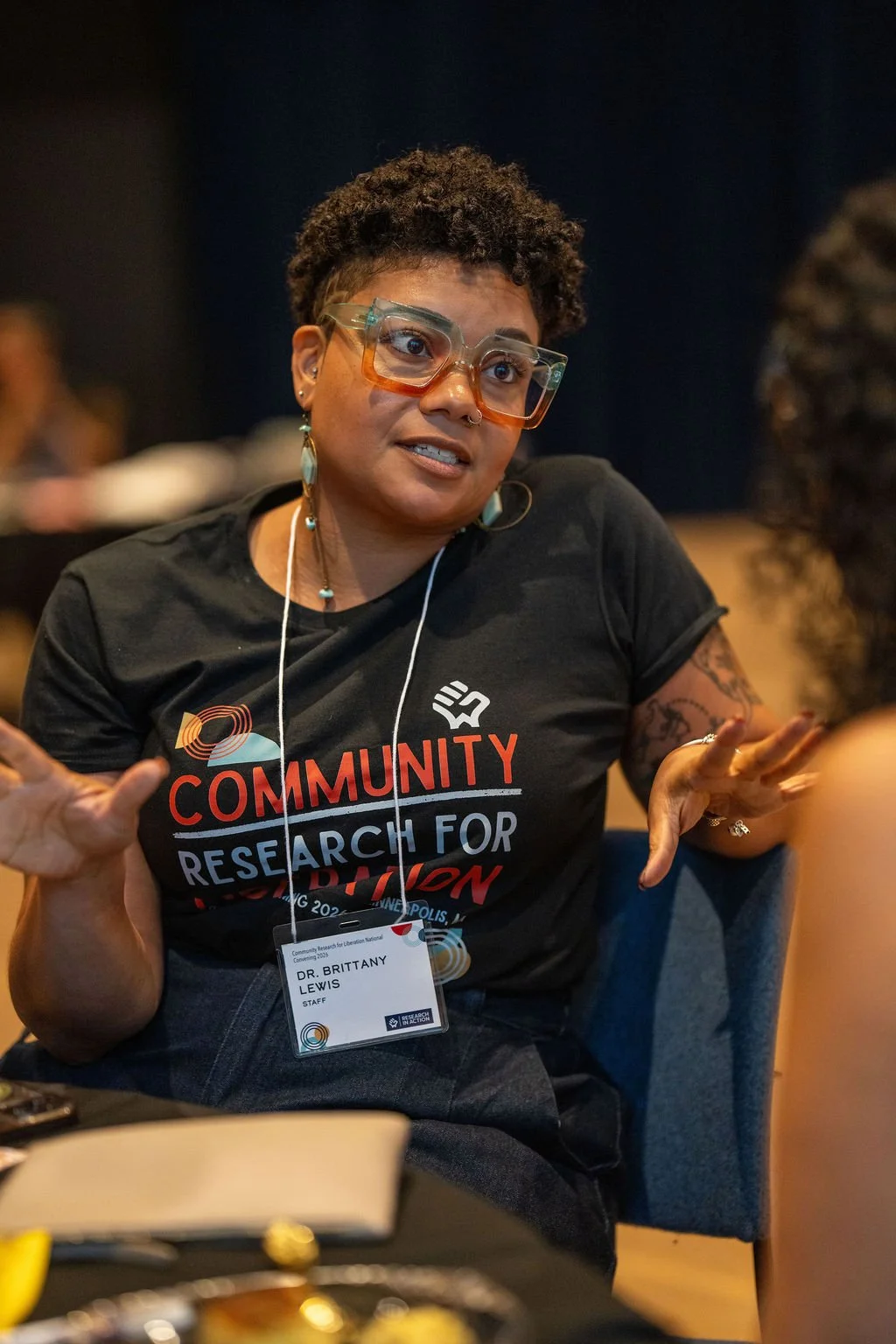
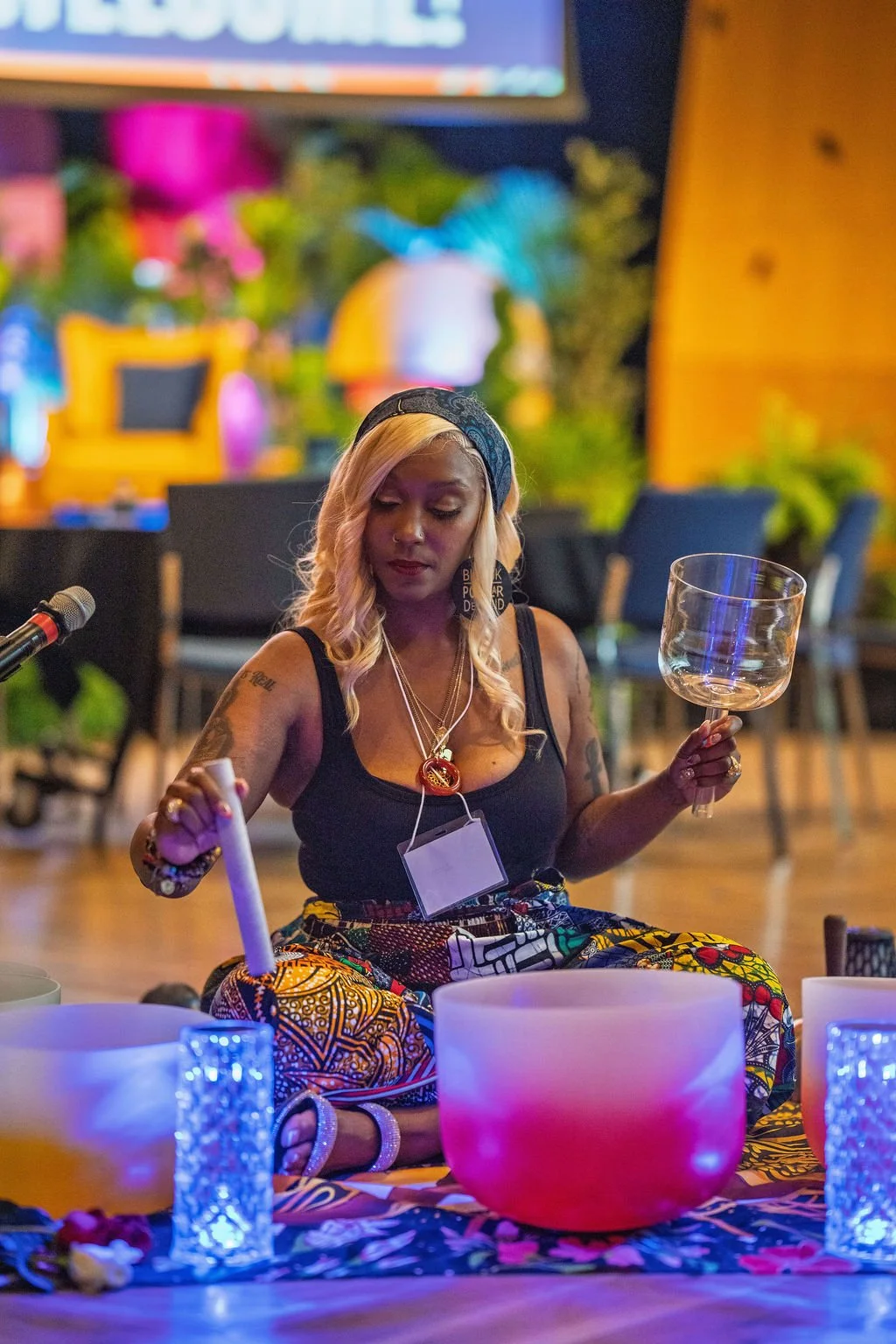
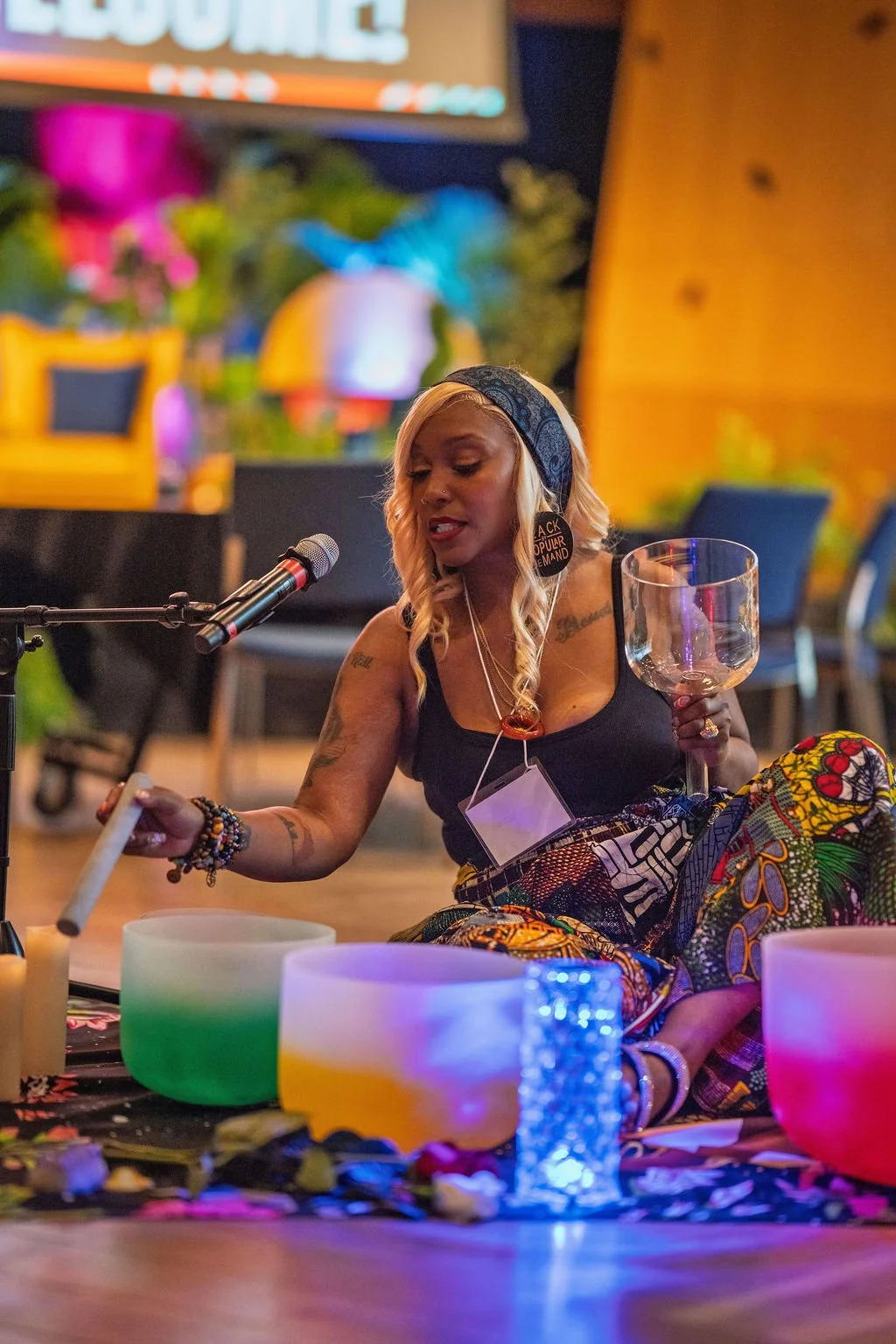
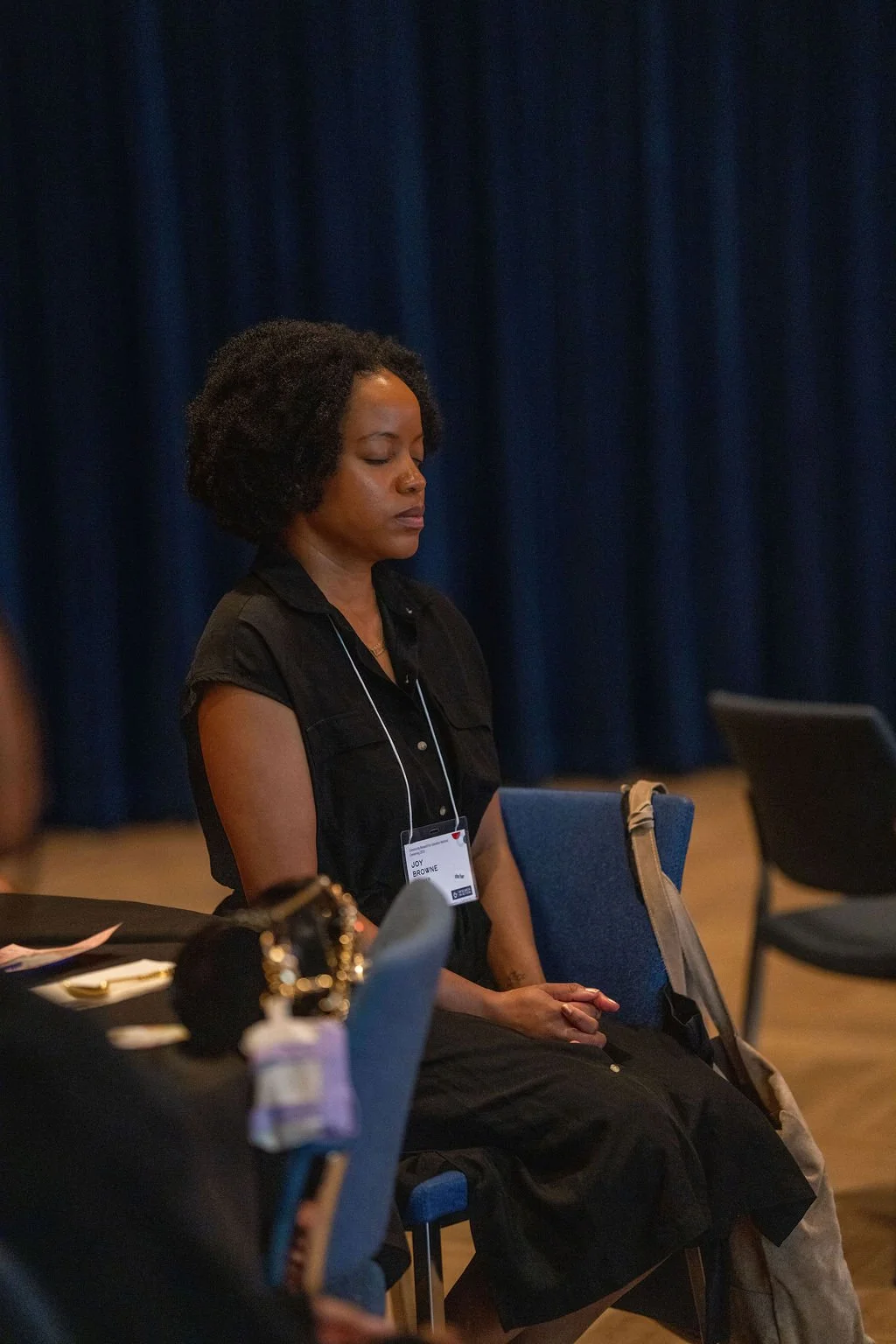
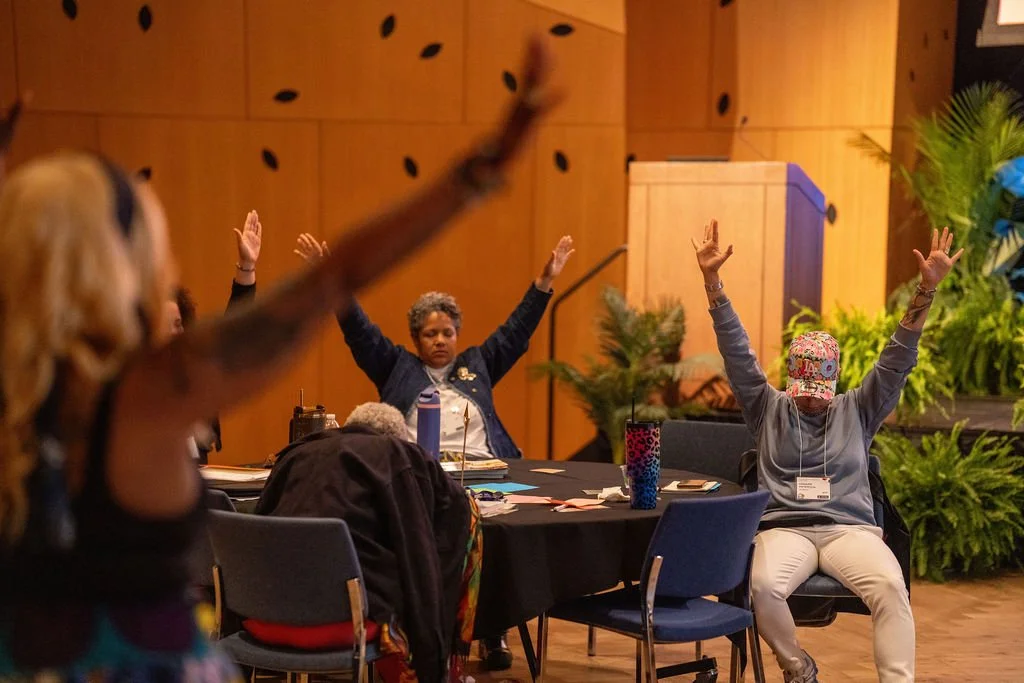
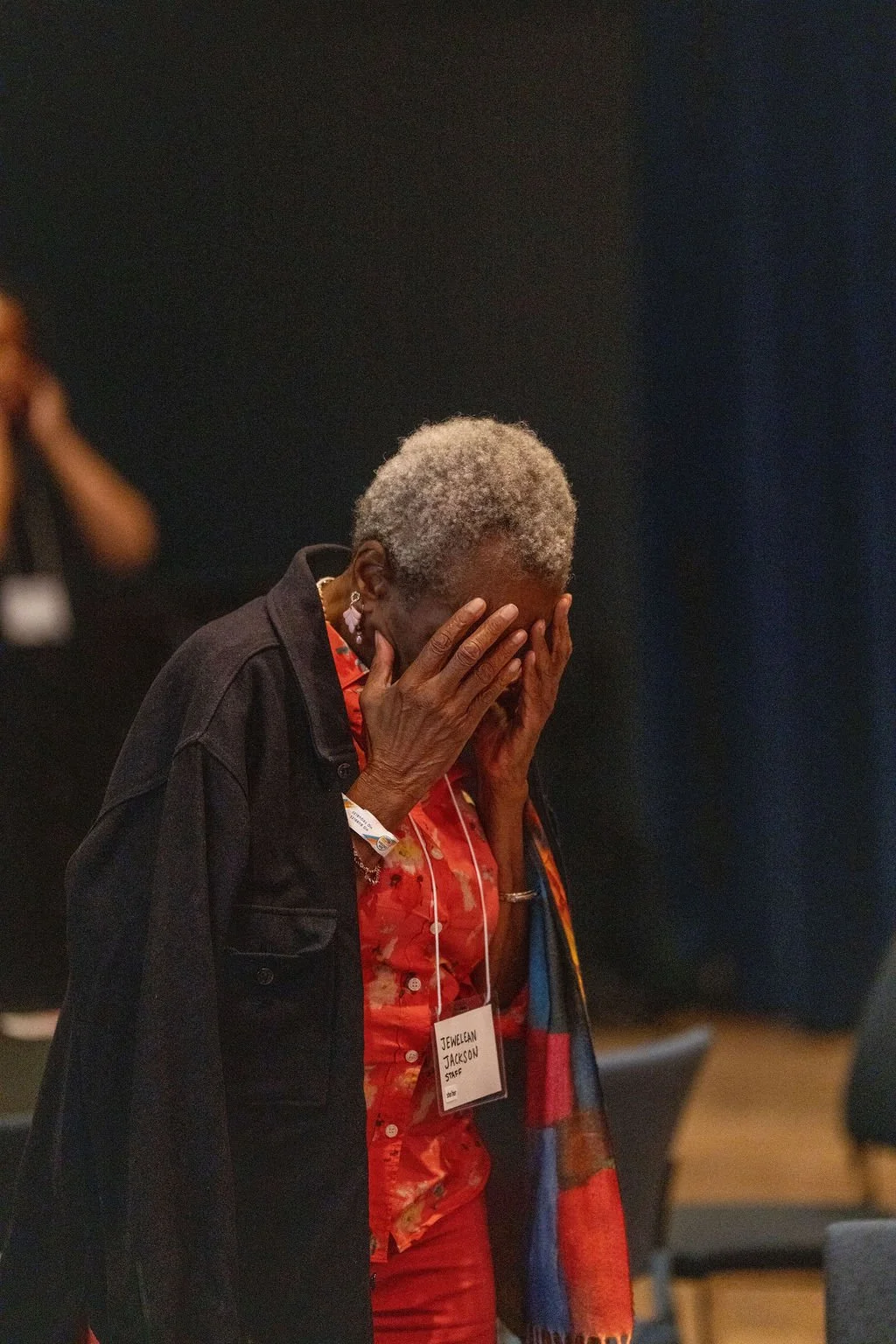
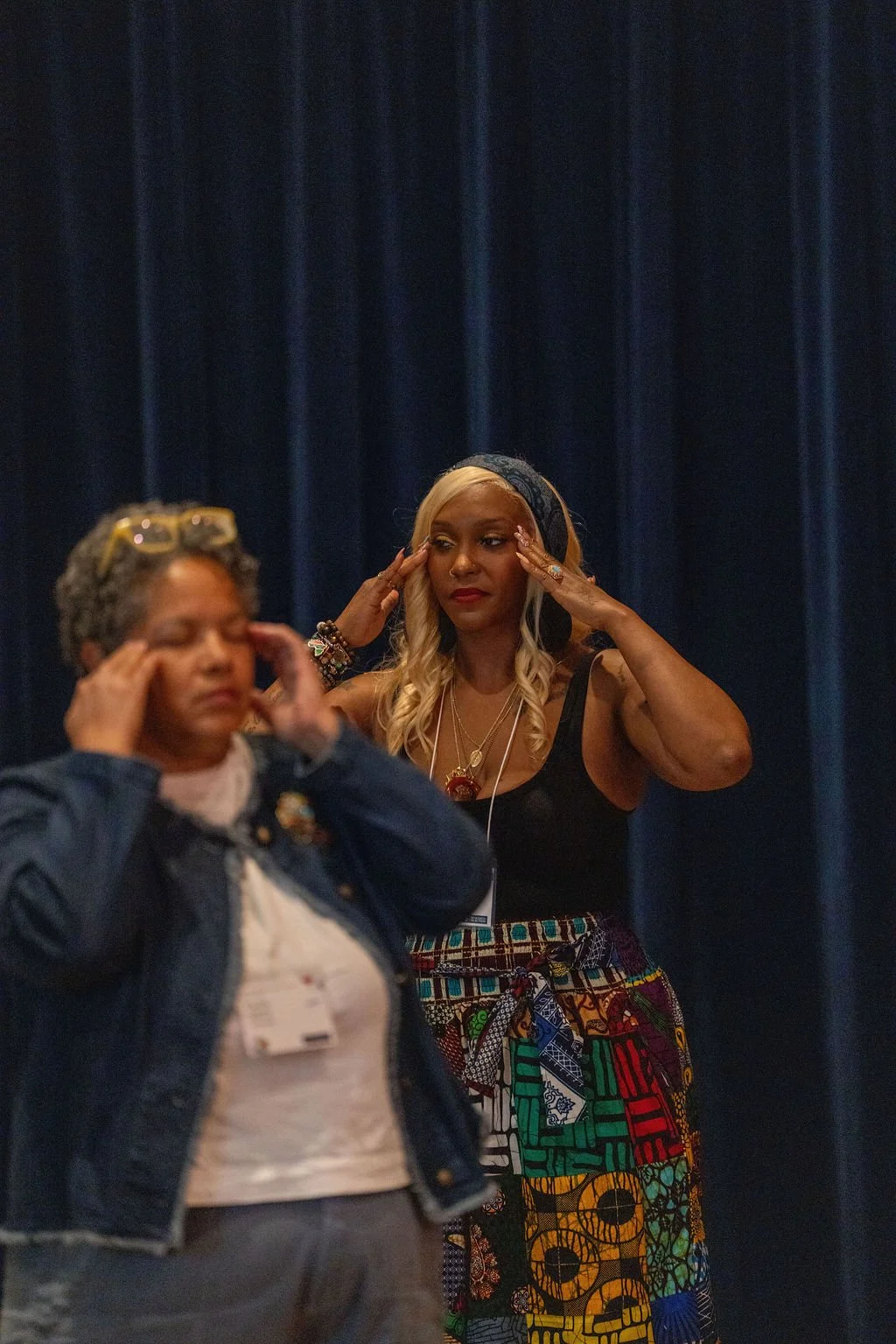
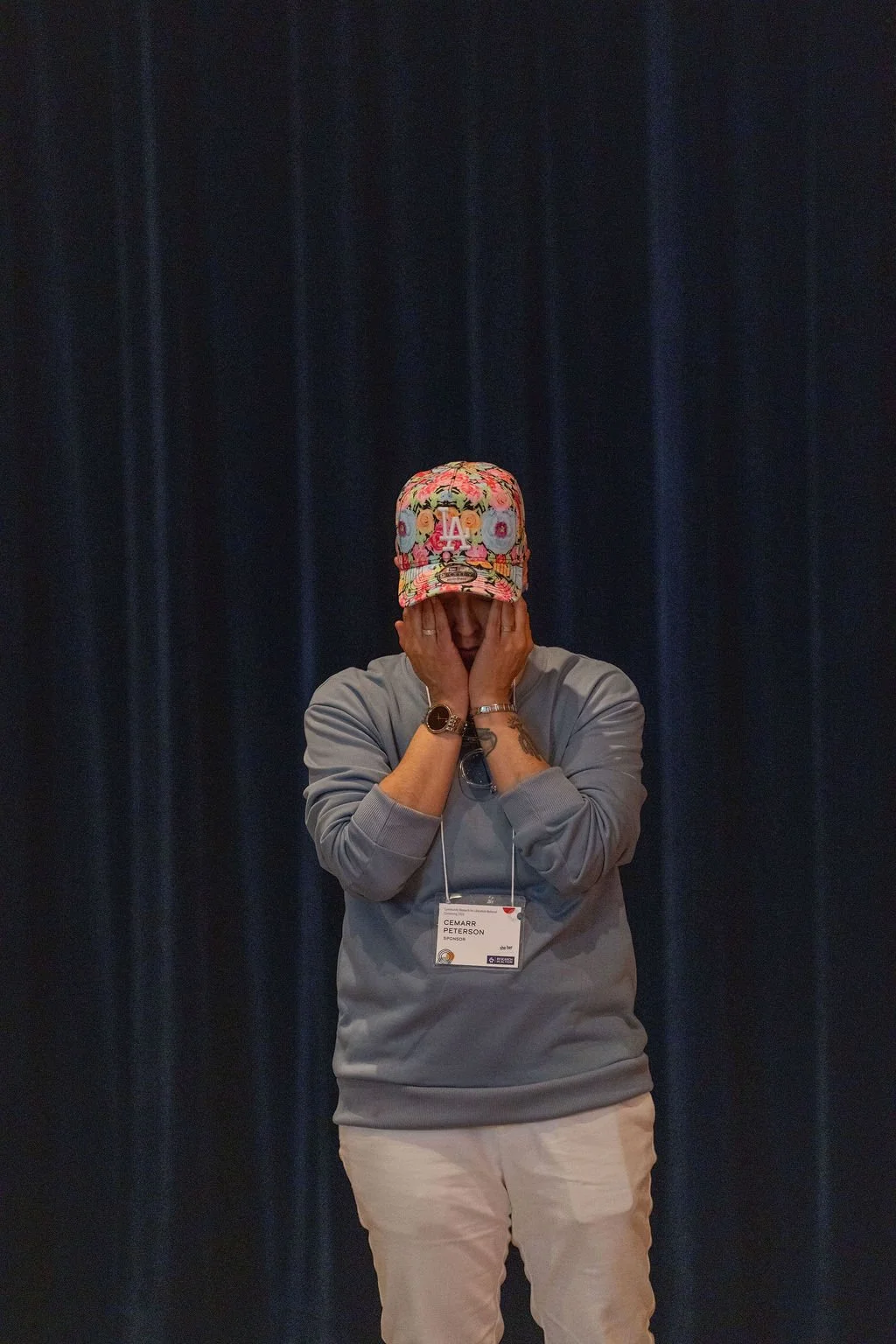
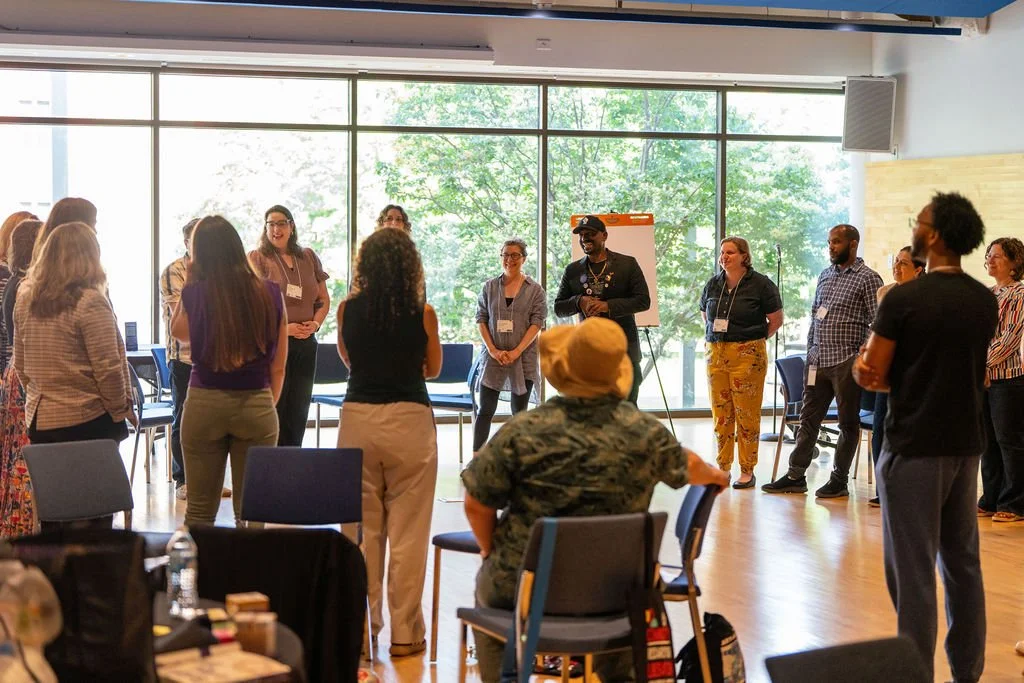
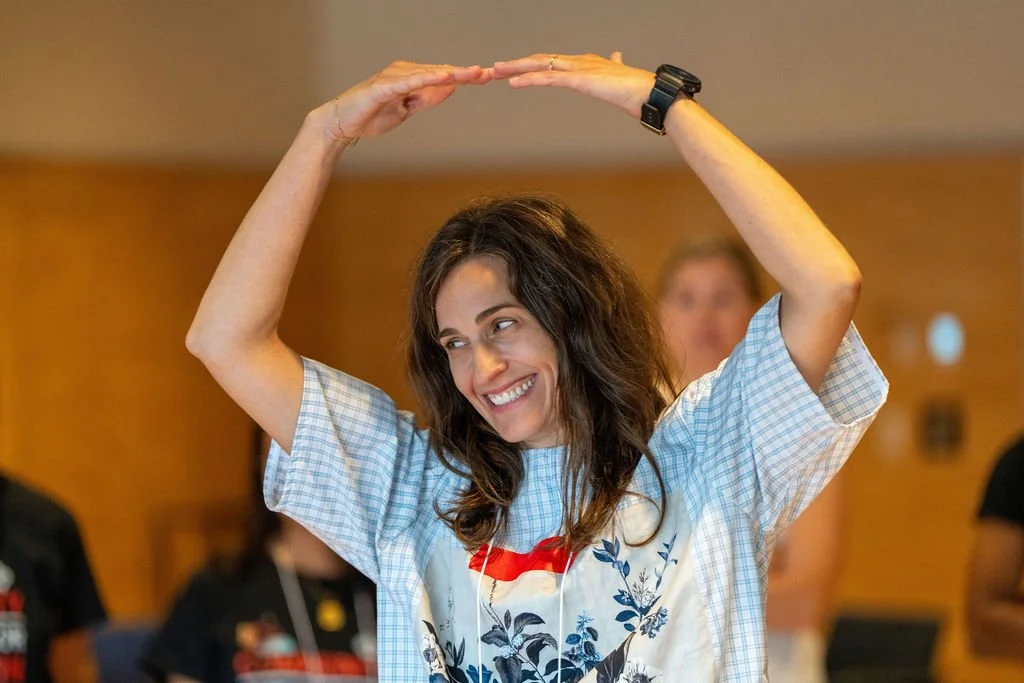
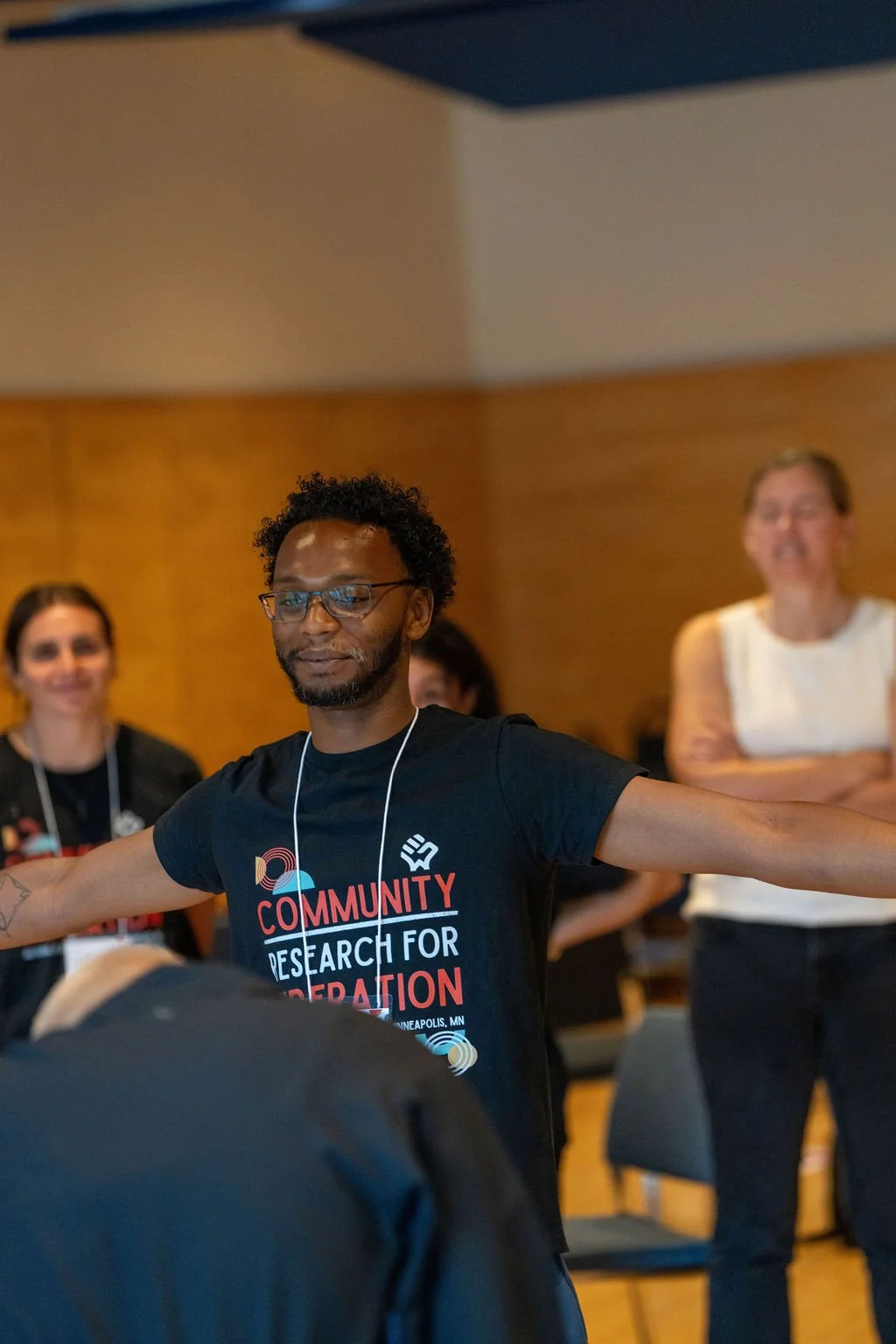
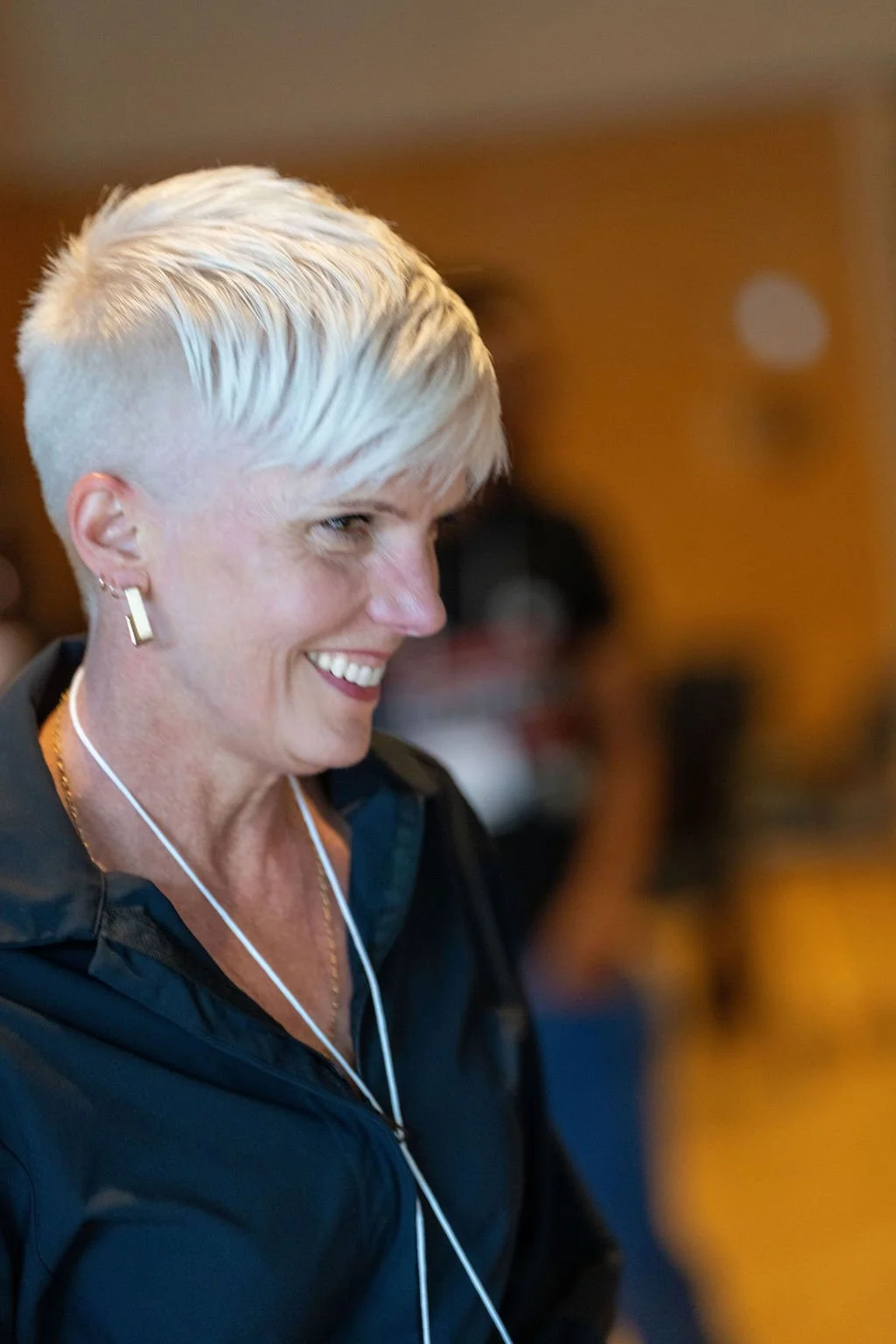
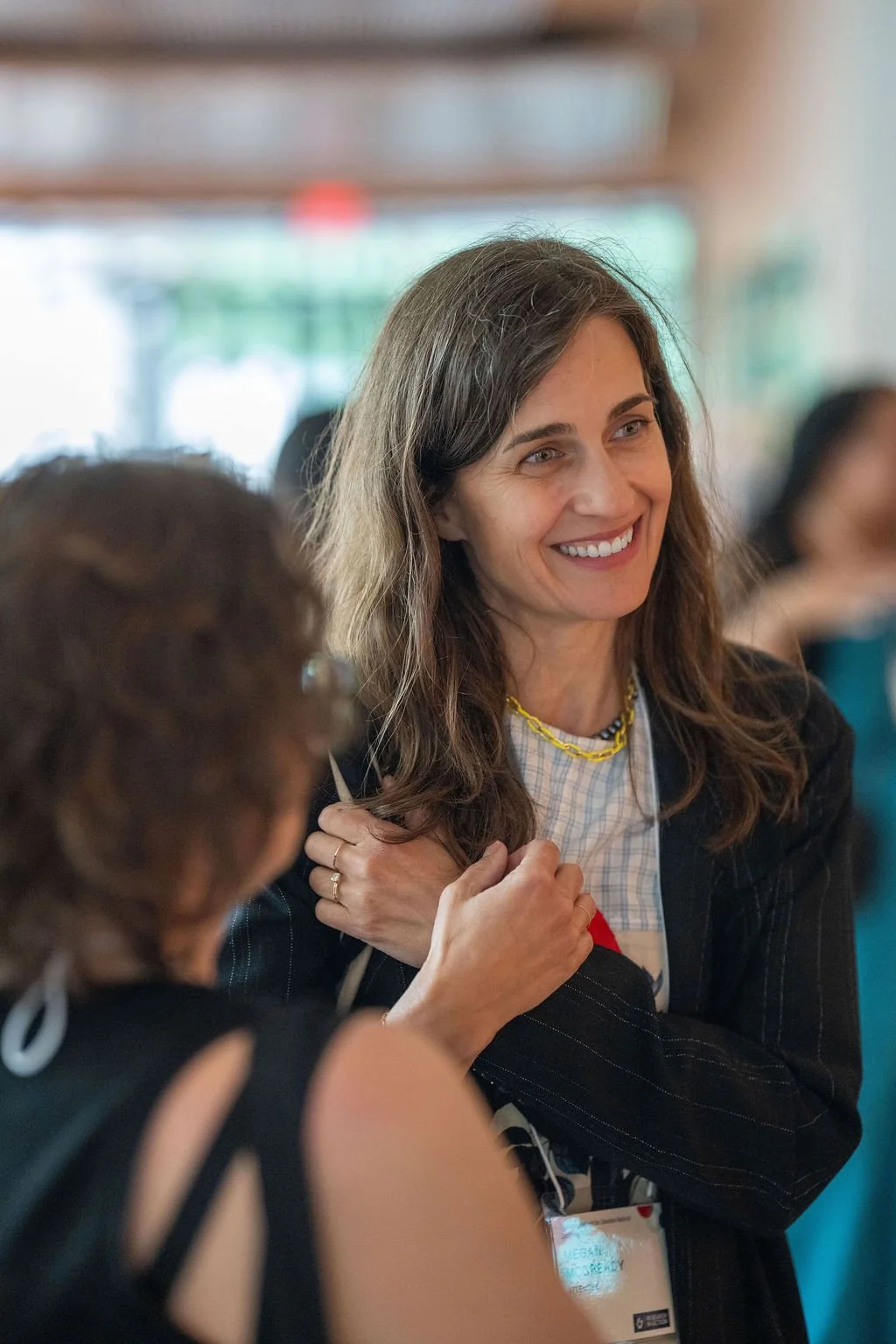
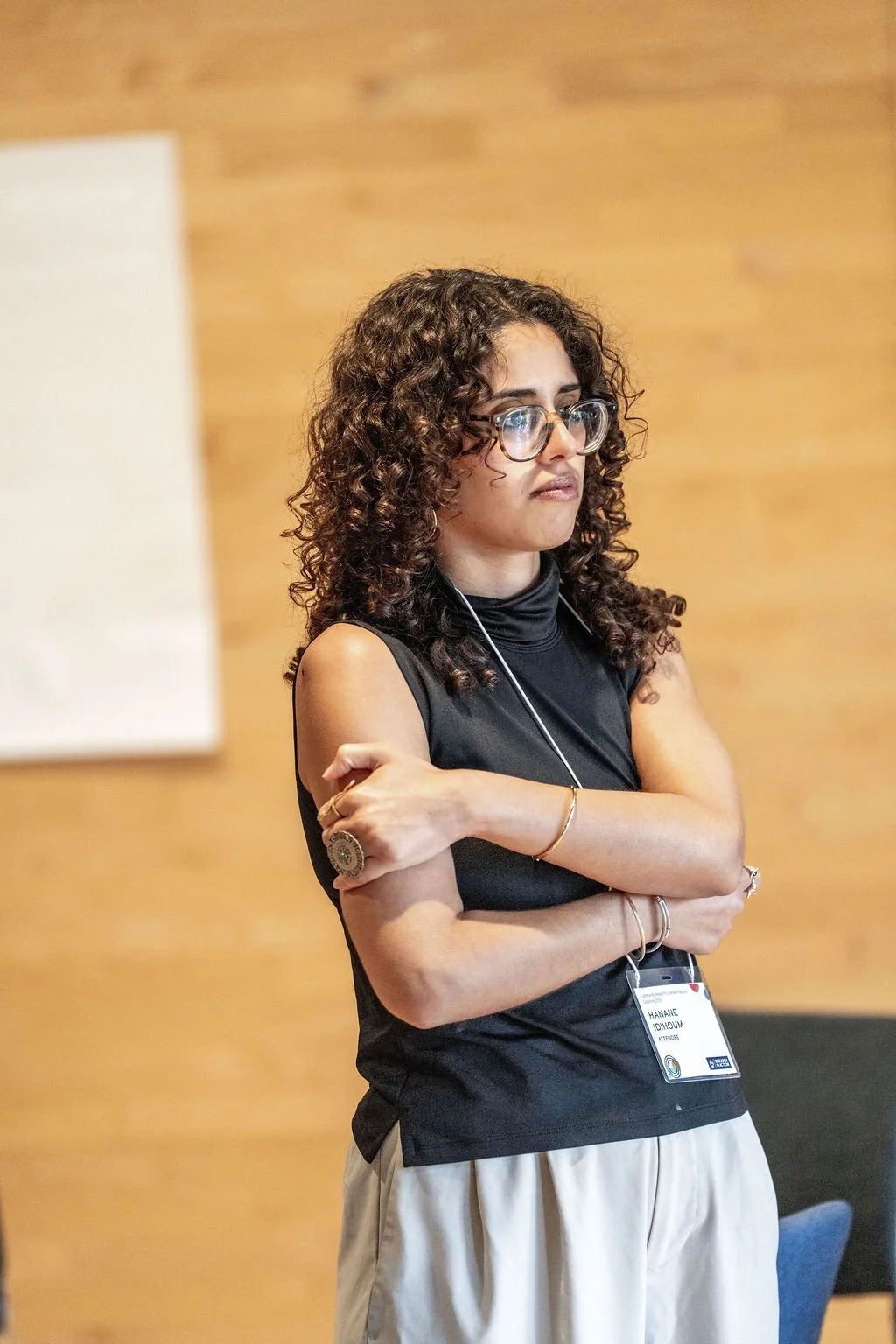
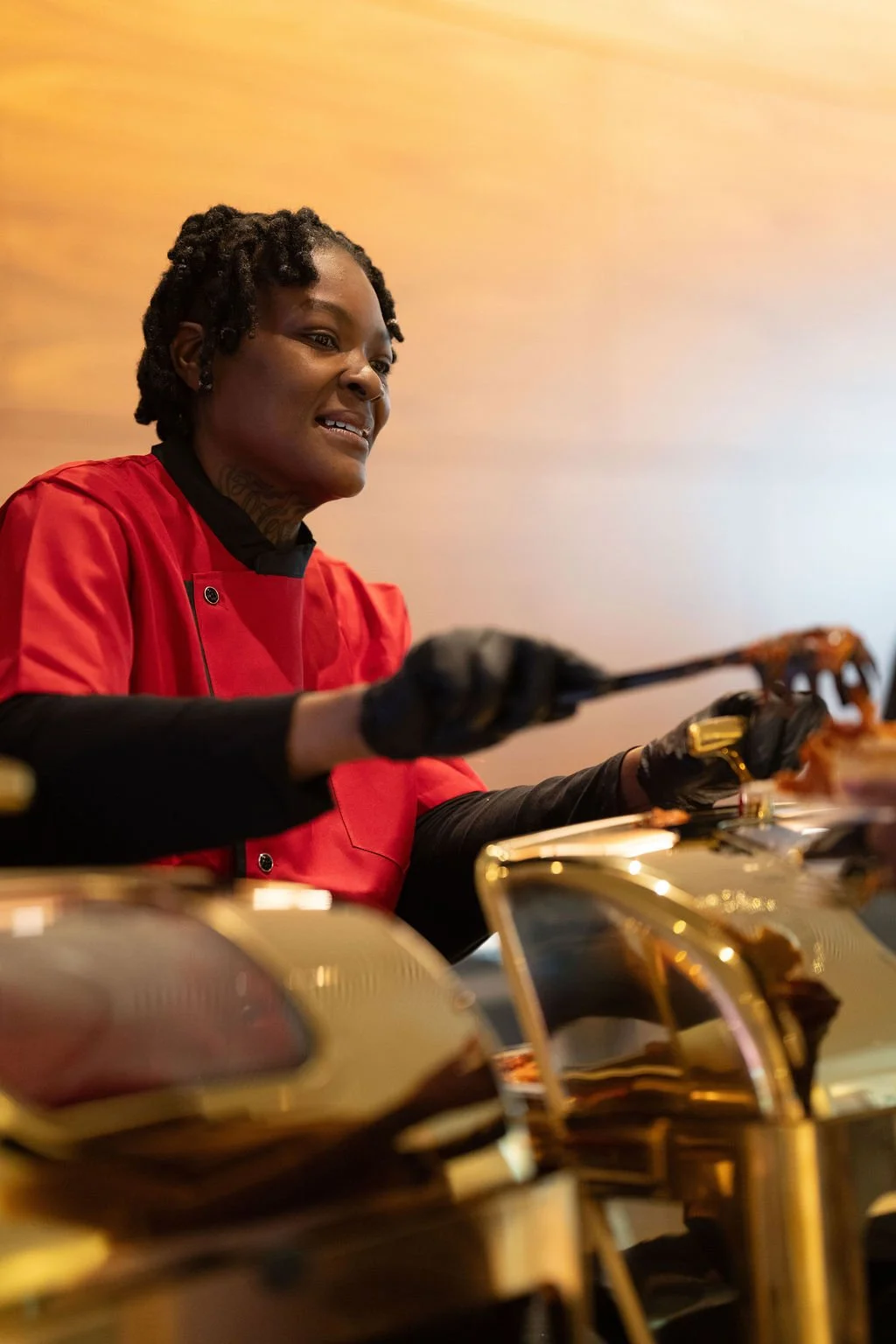
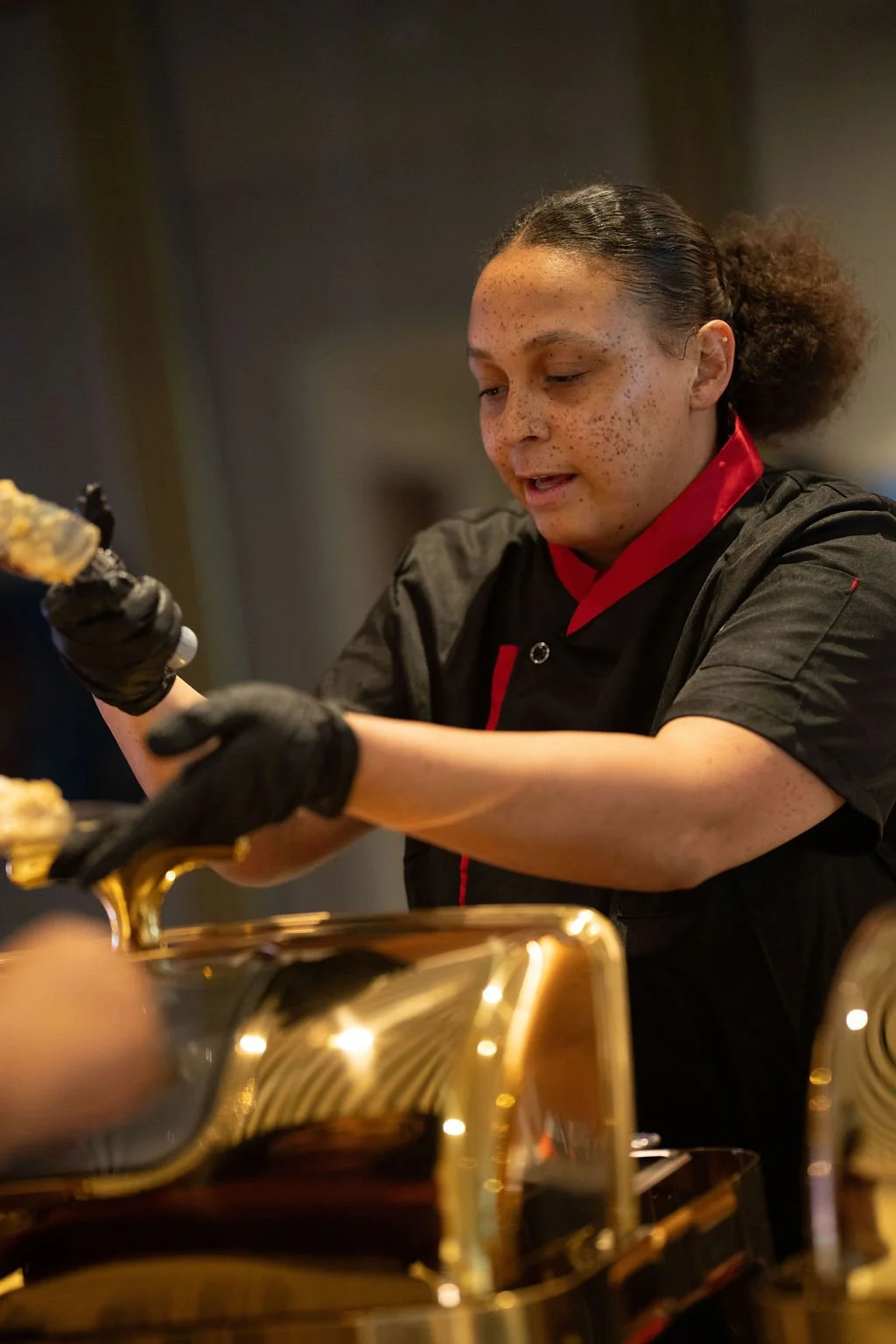
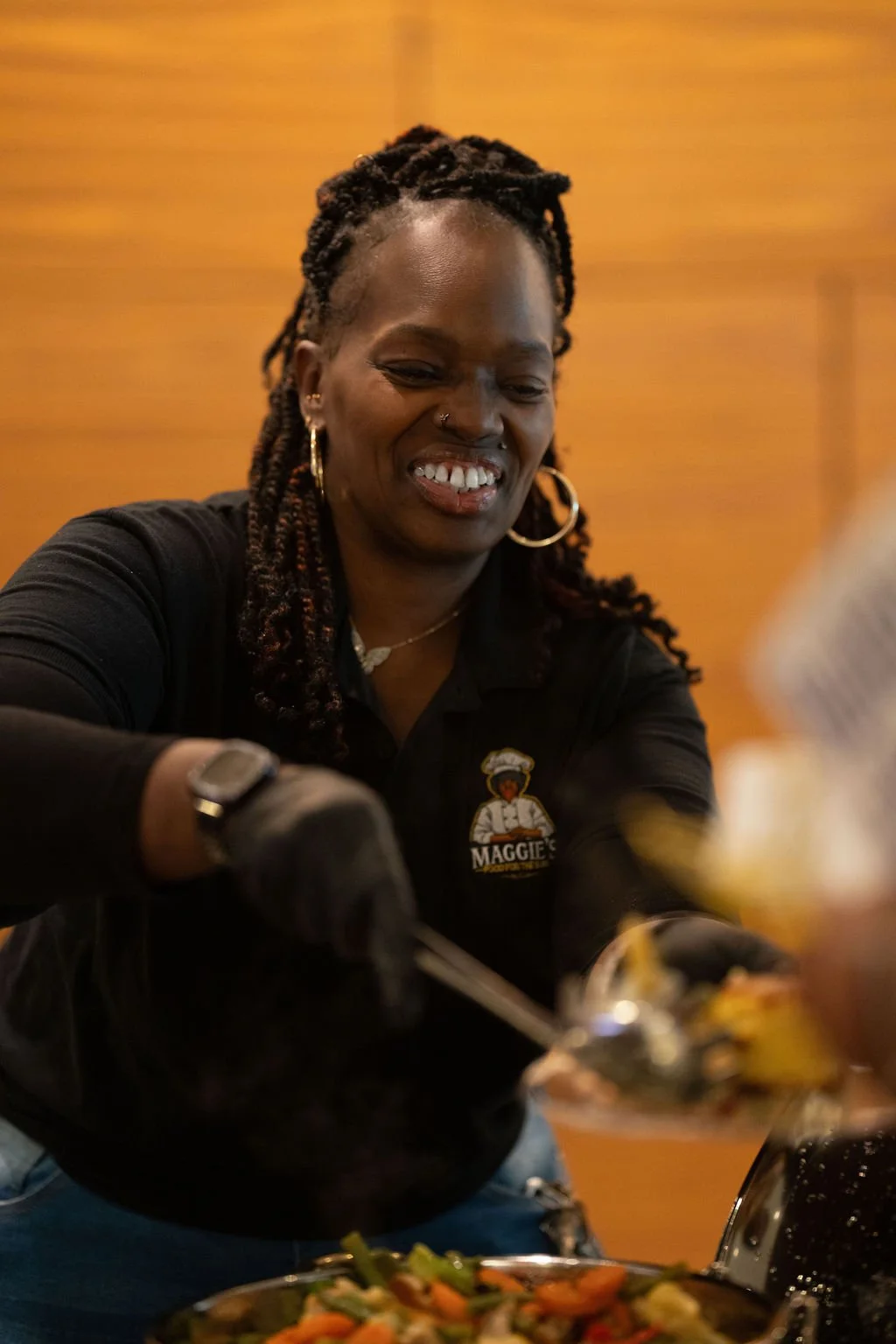

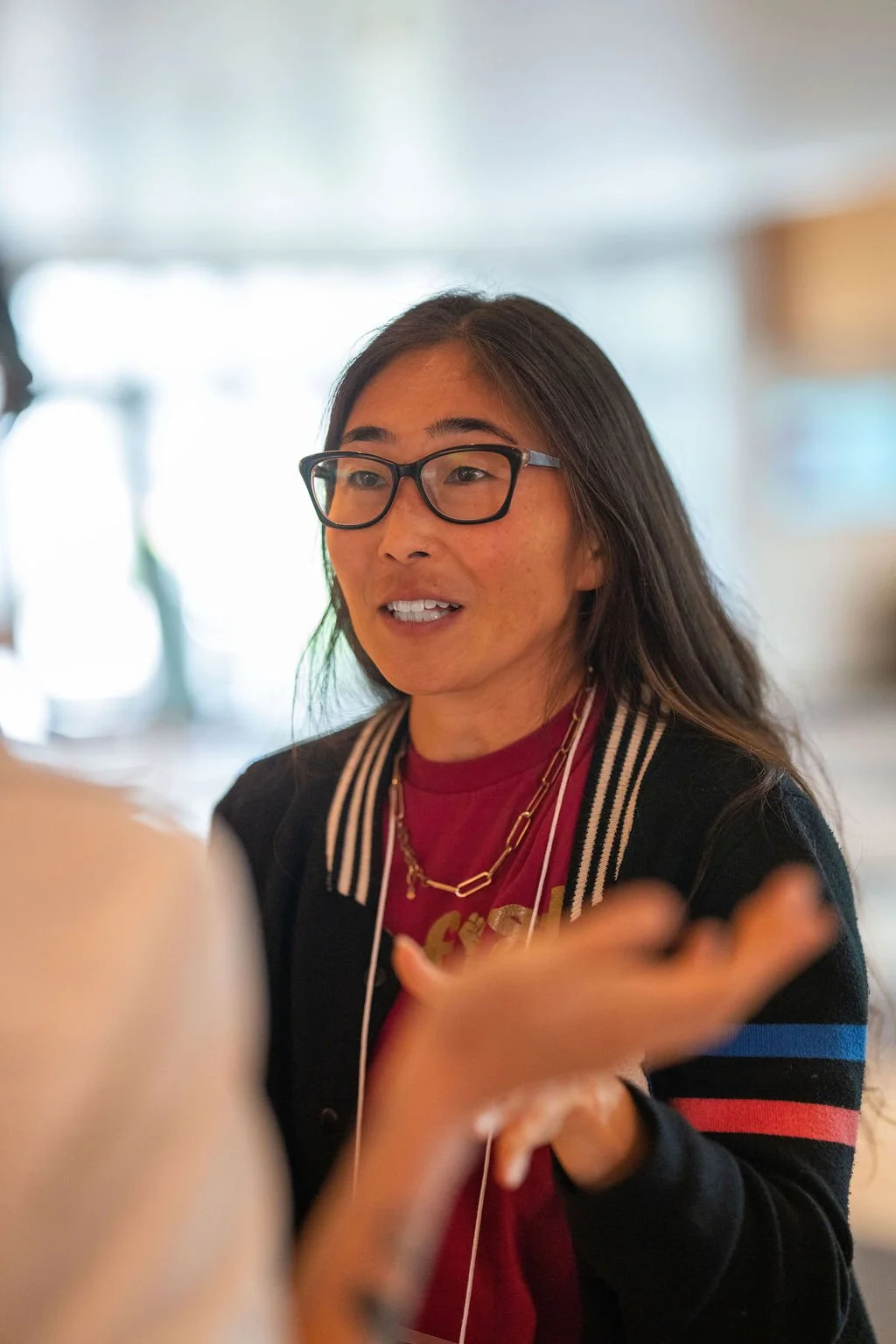
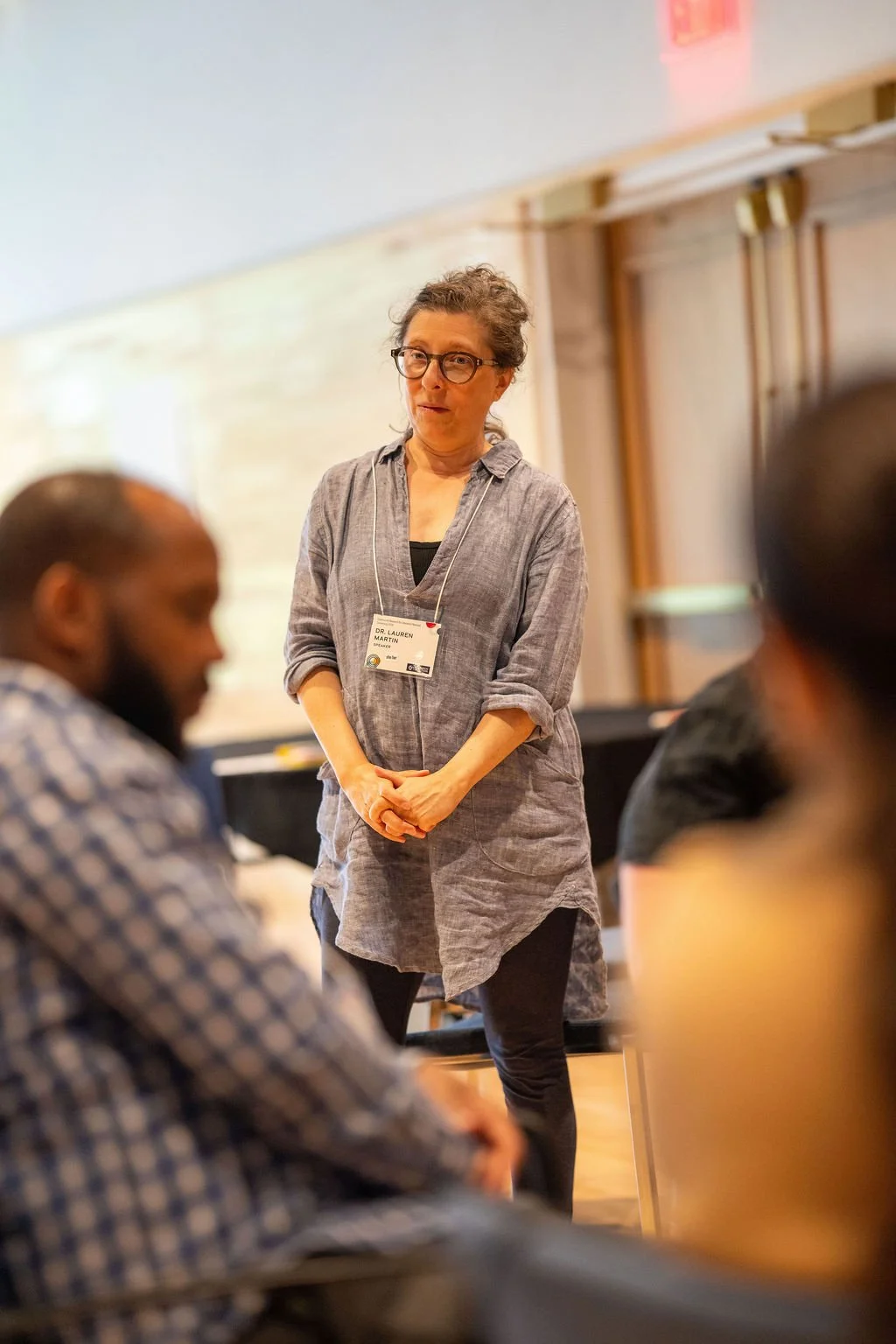
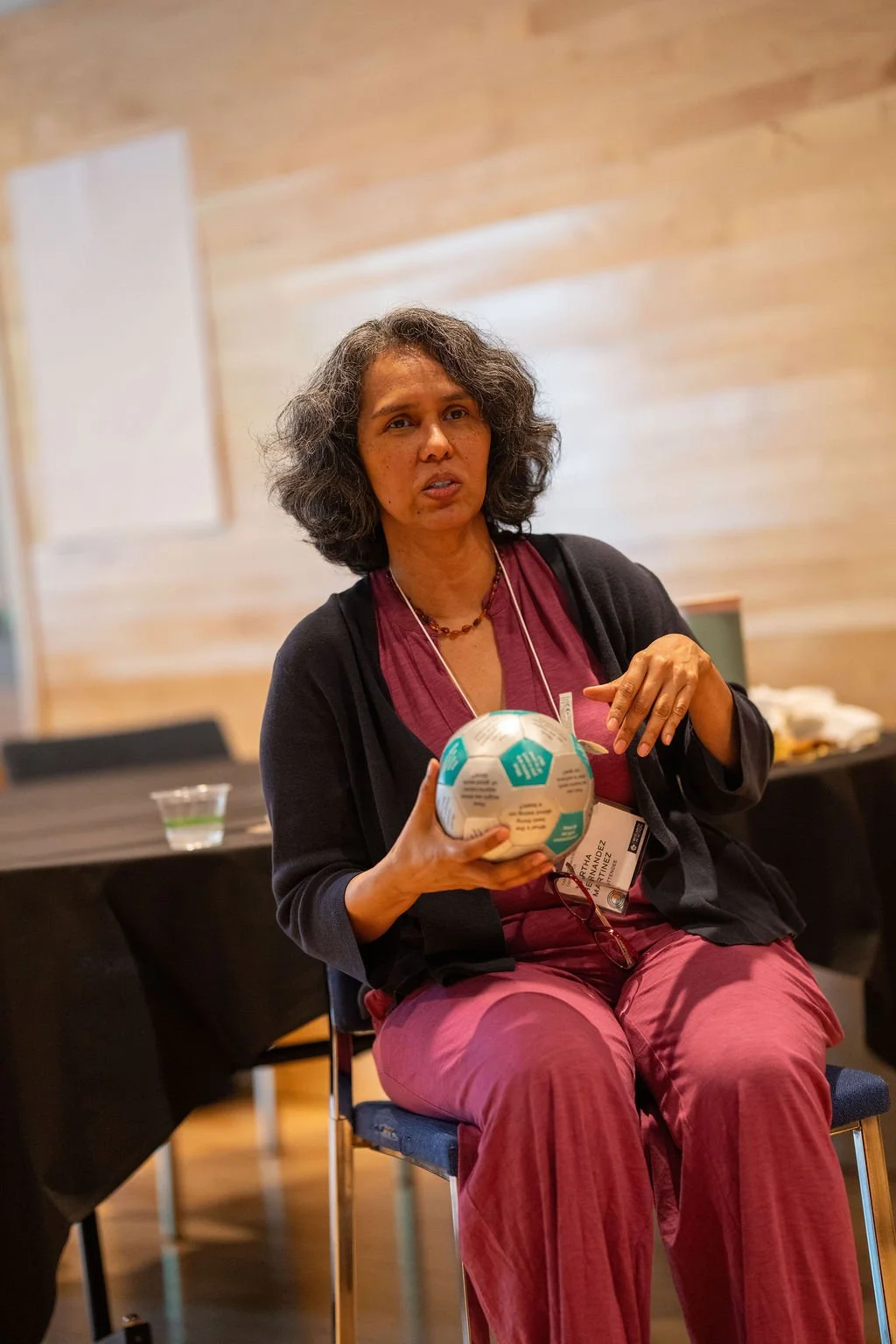
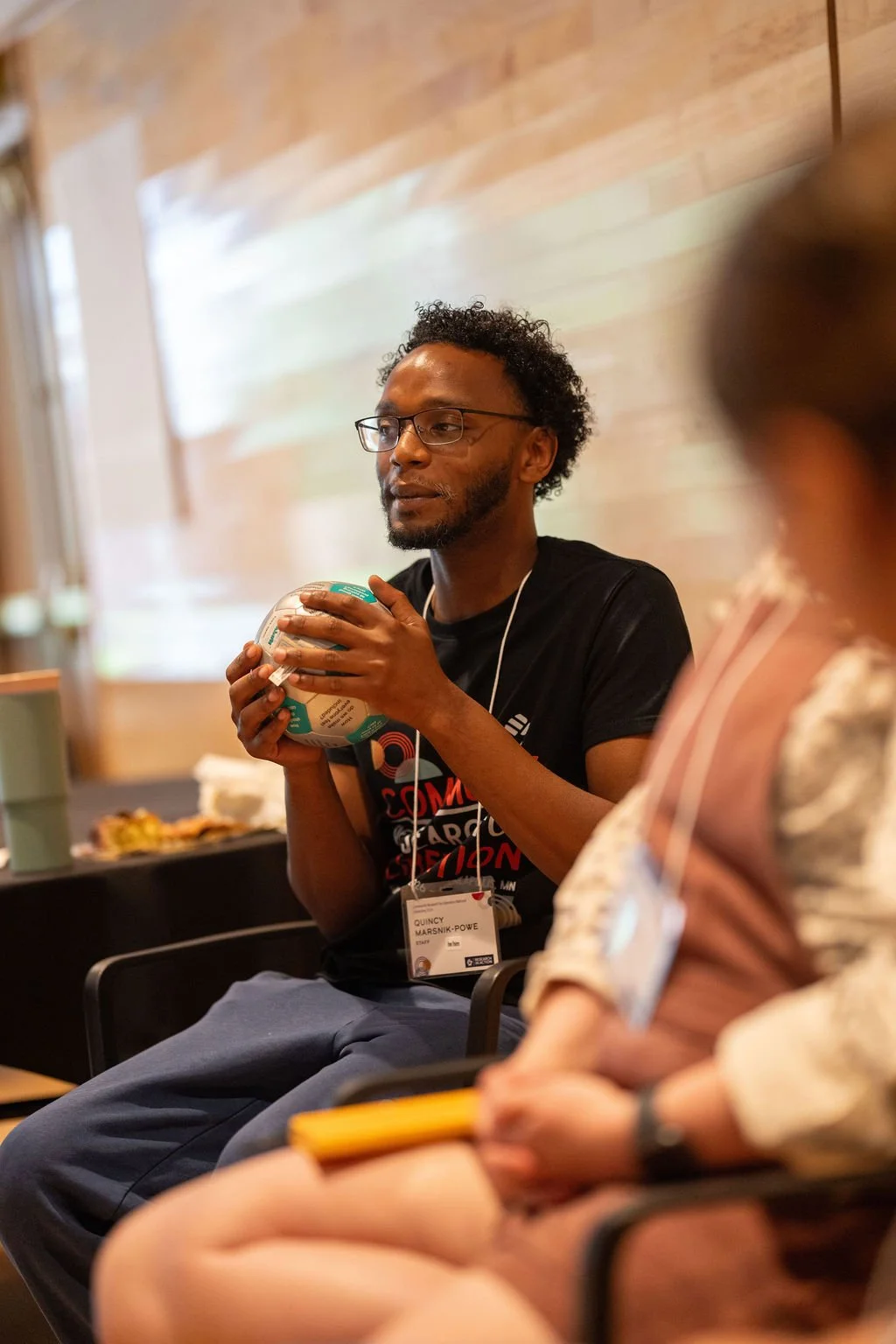
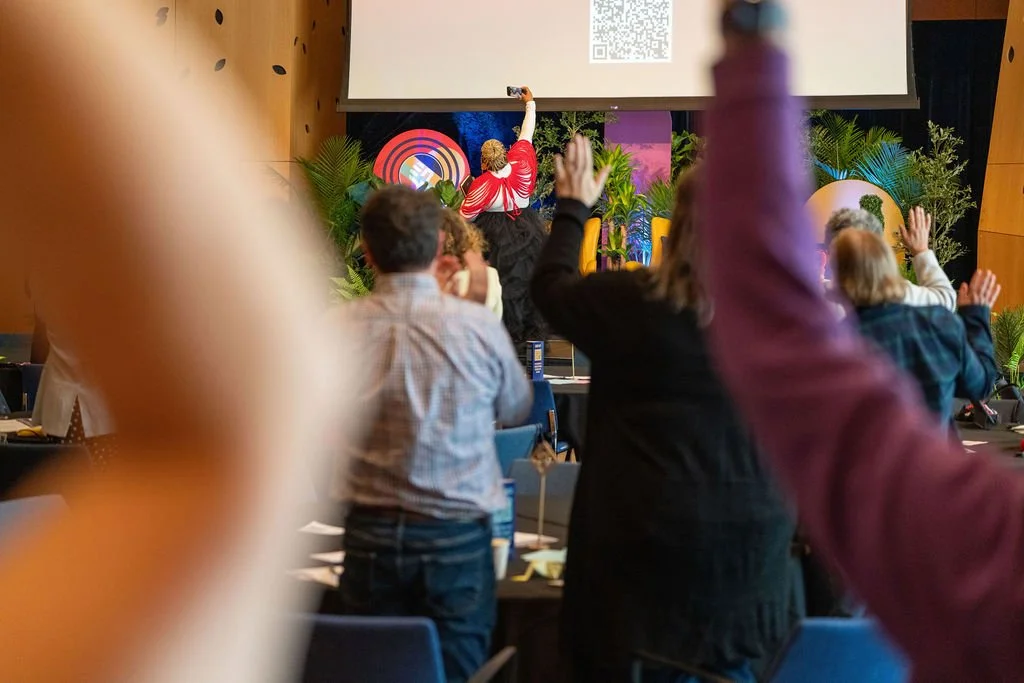
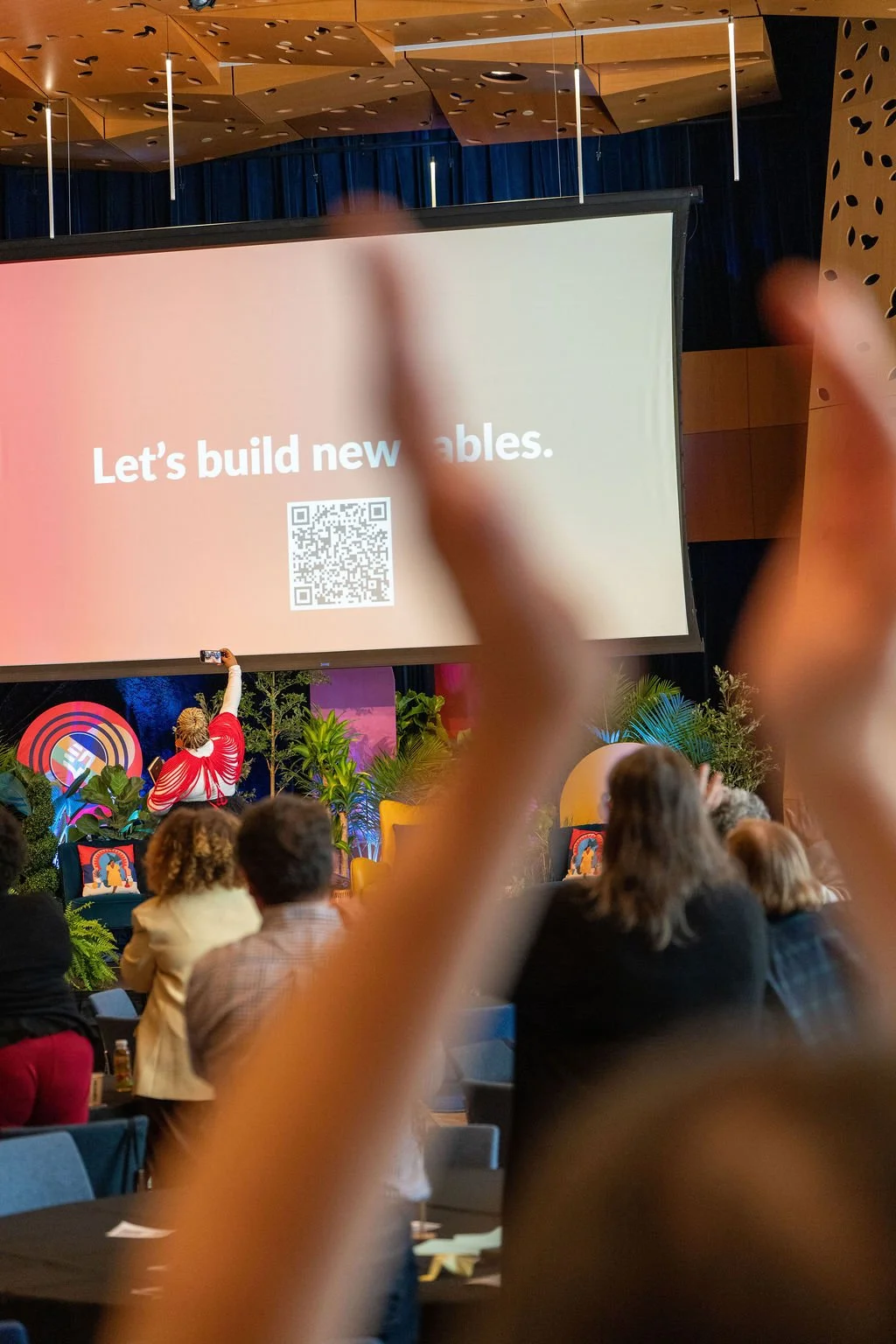
Convening Day of Action
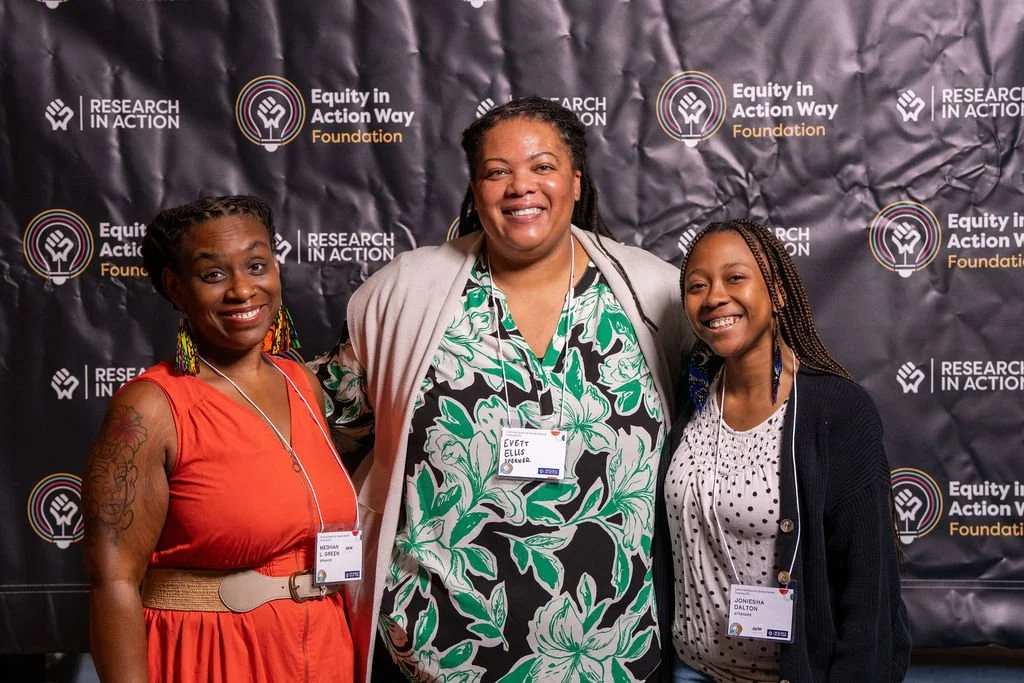
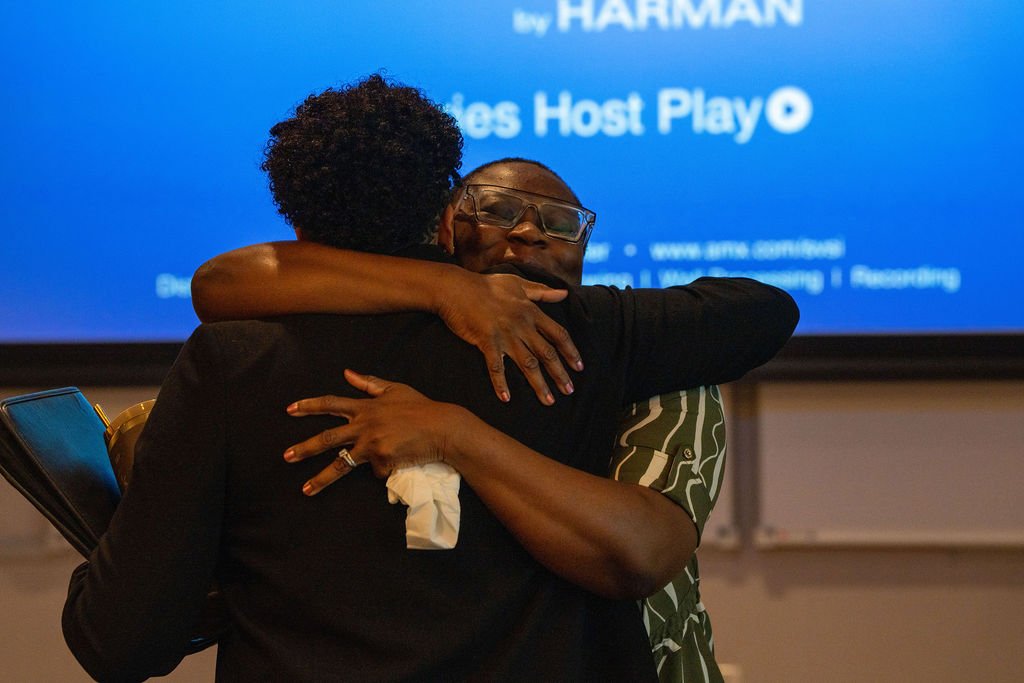
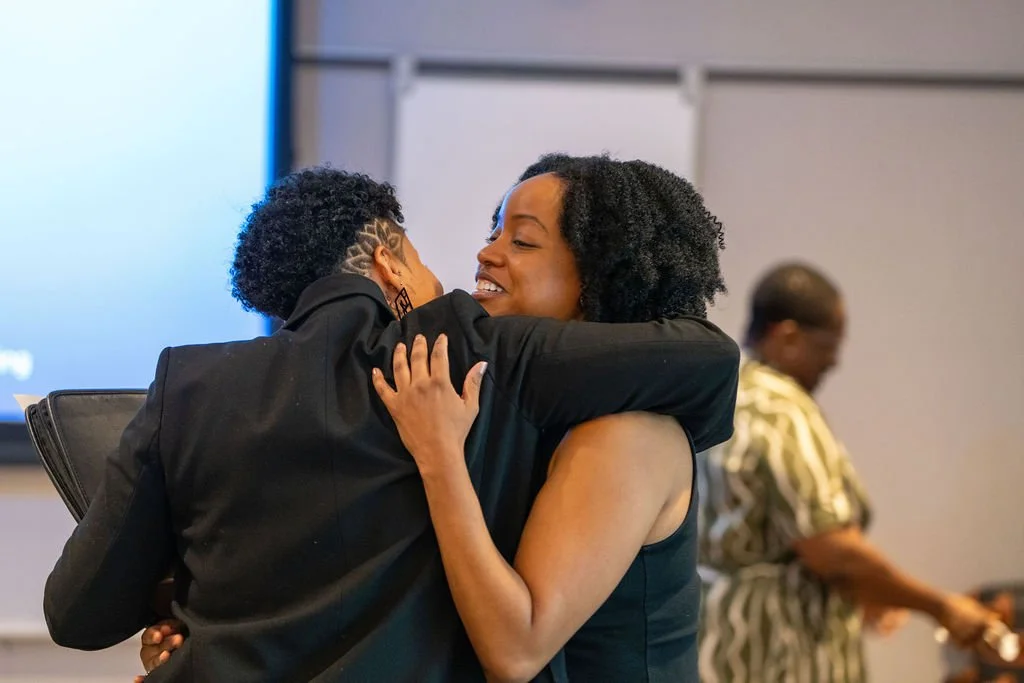
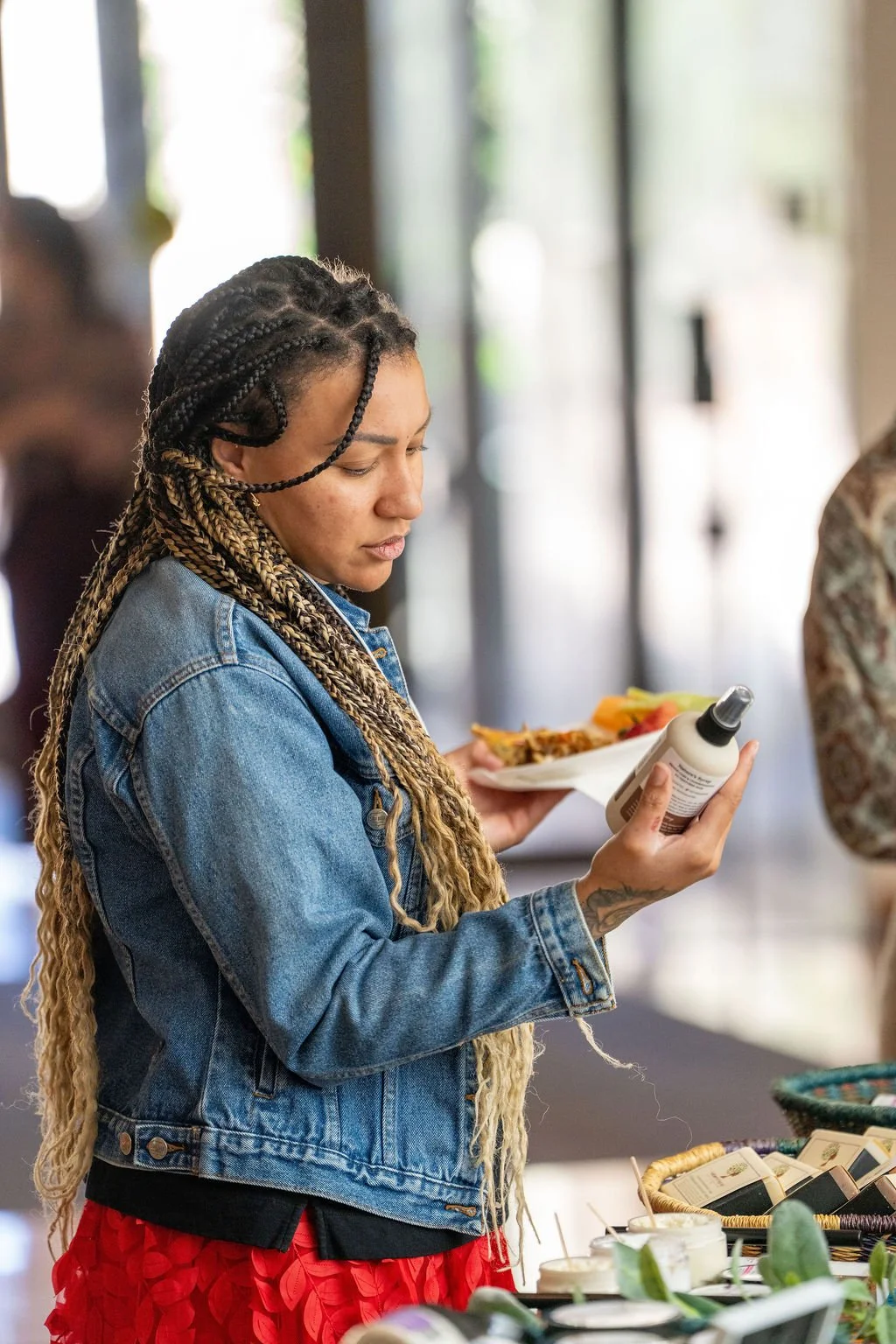
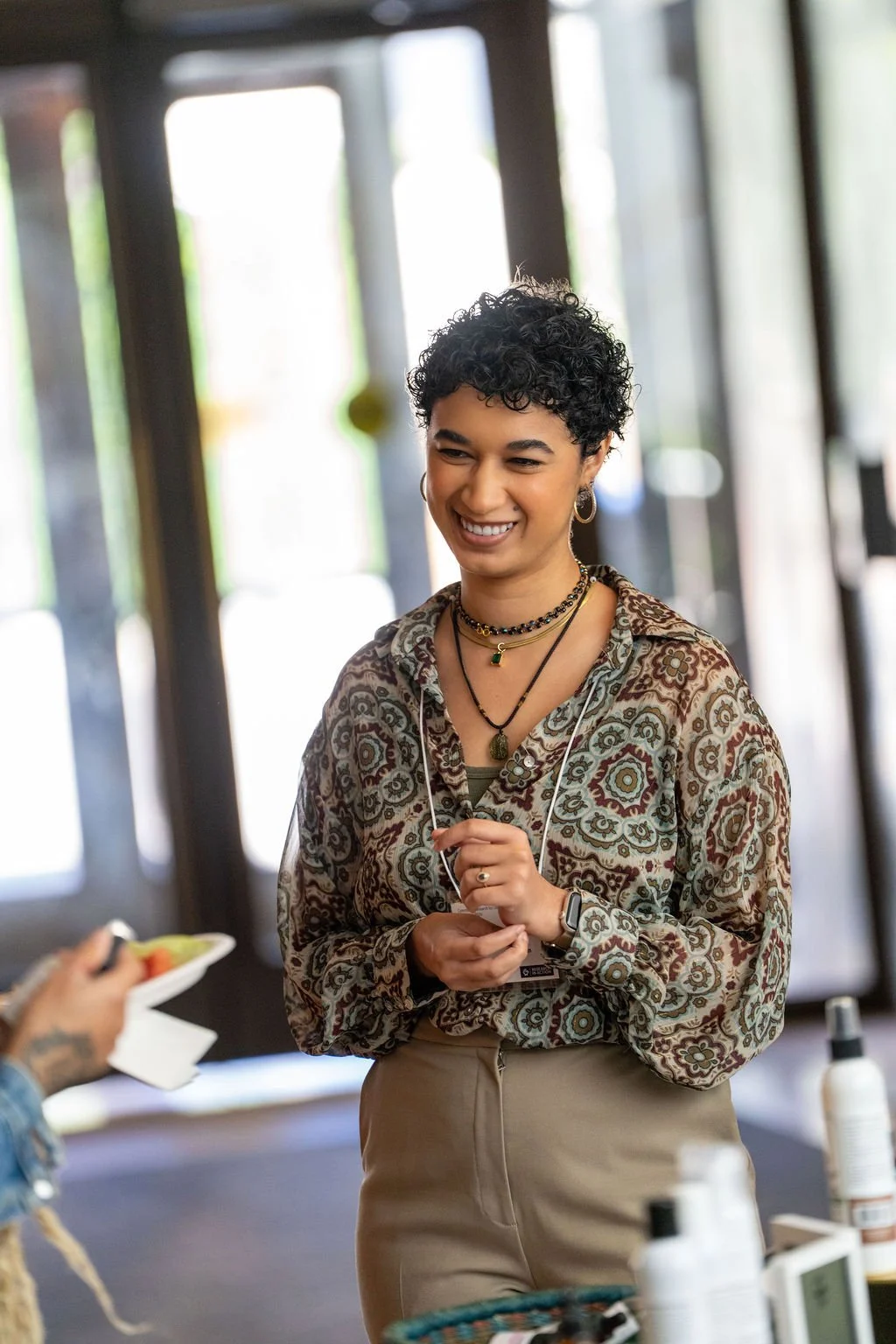
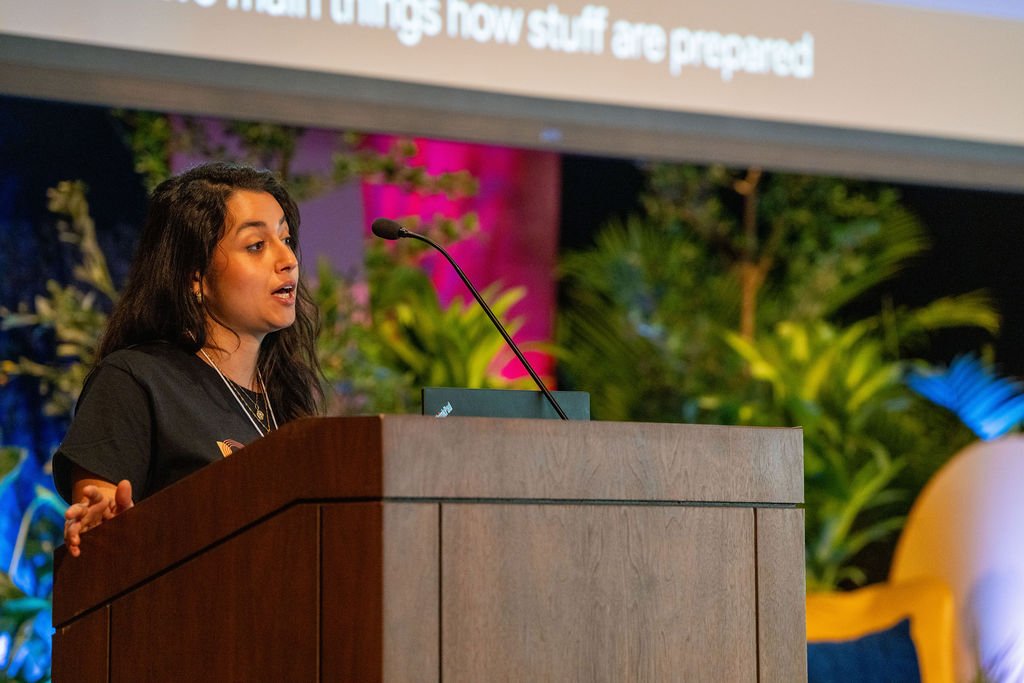
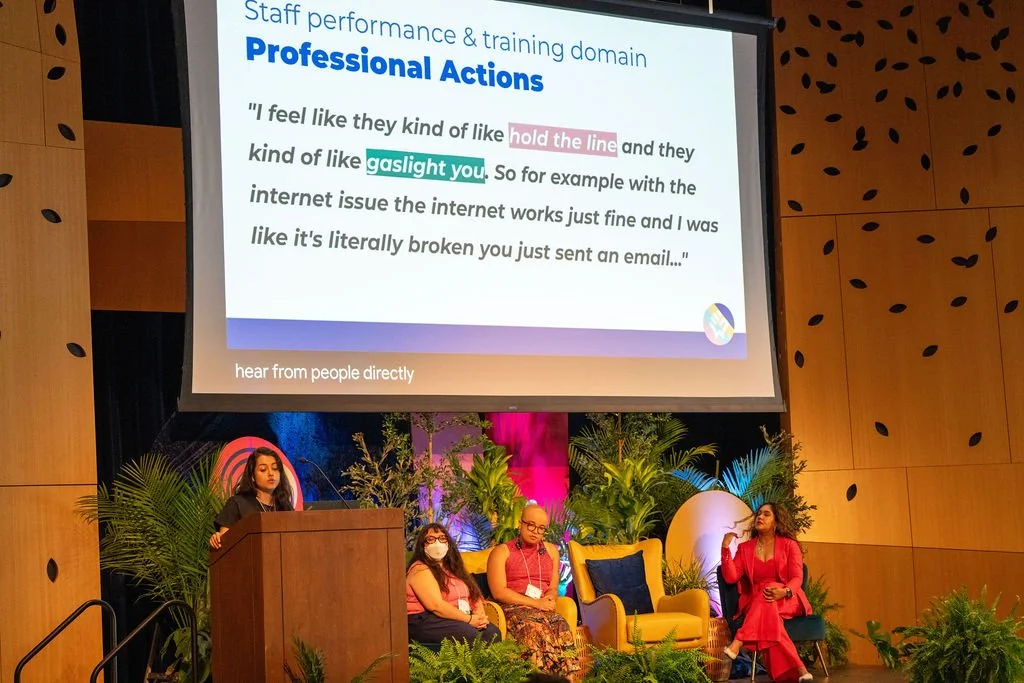
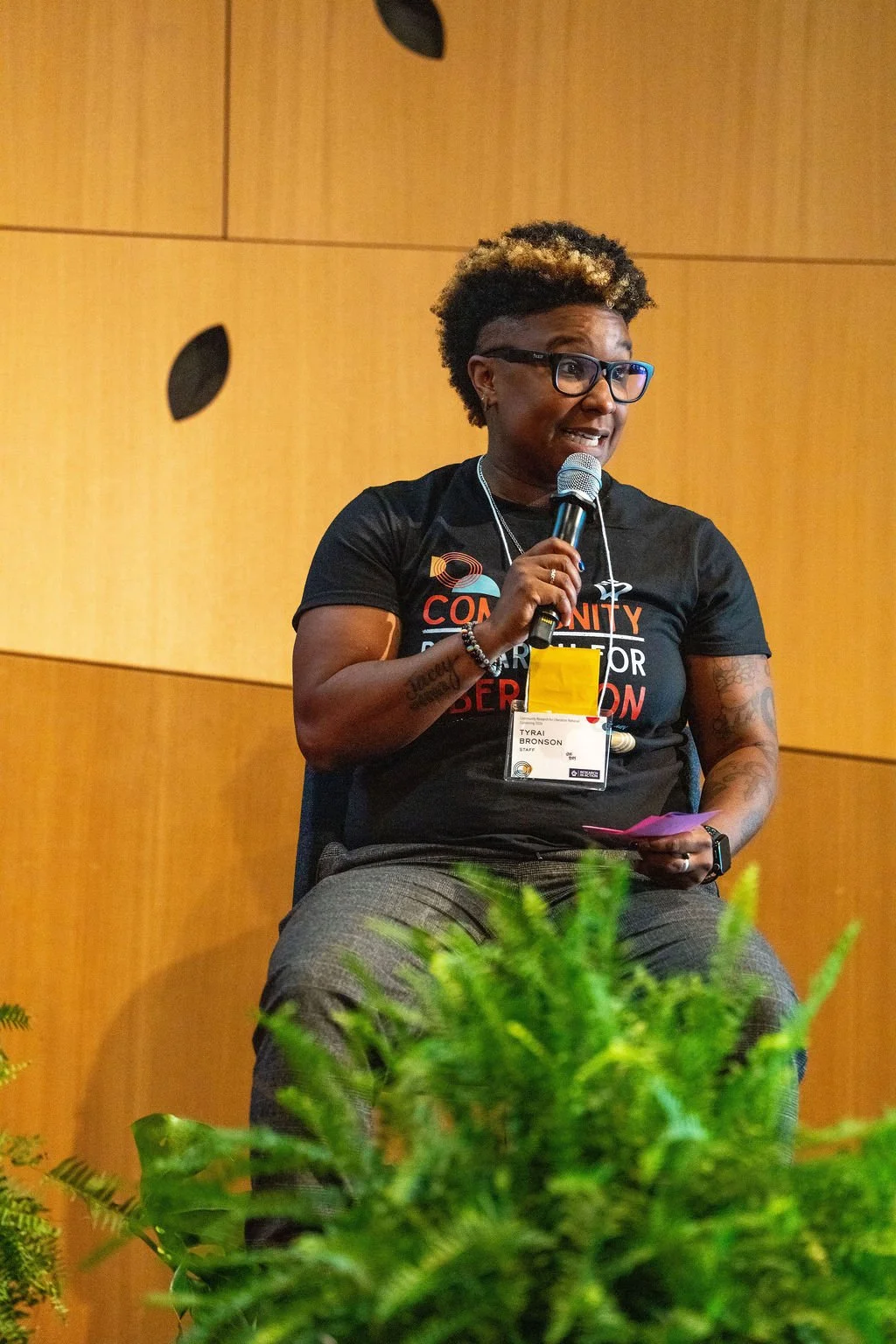
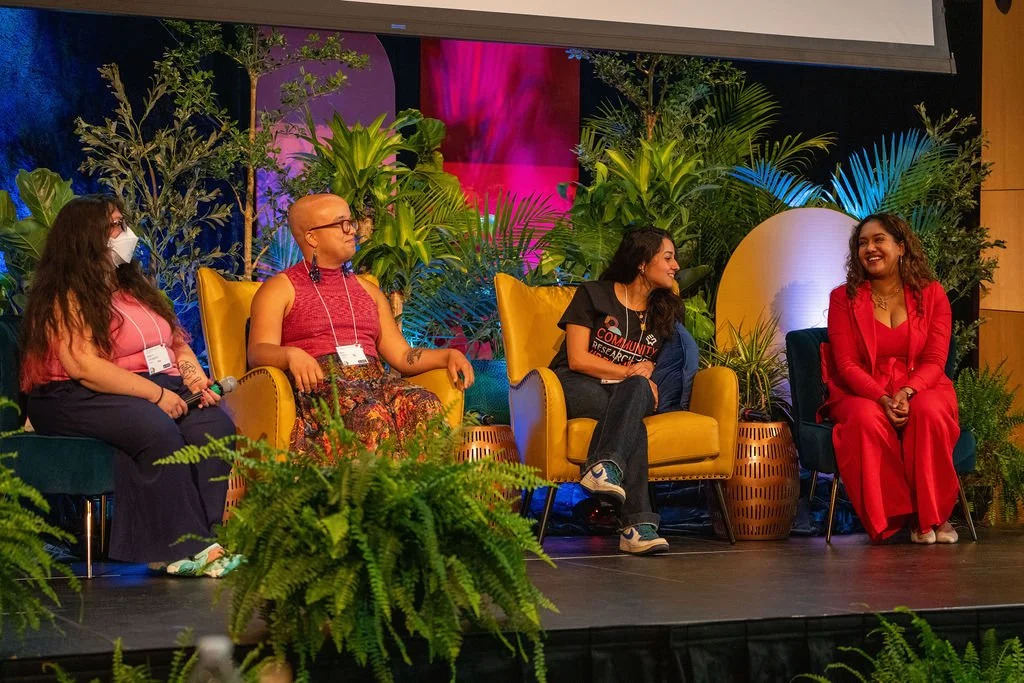
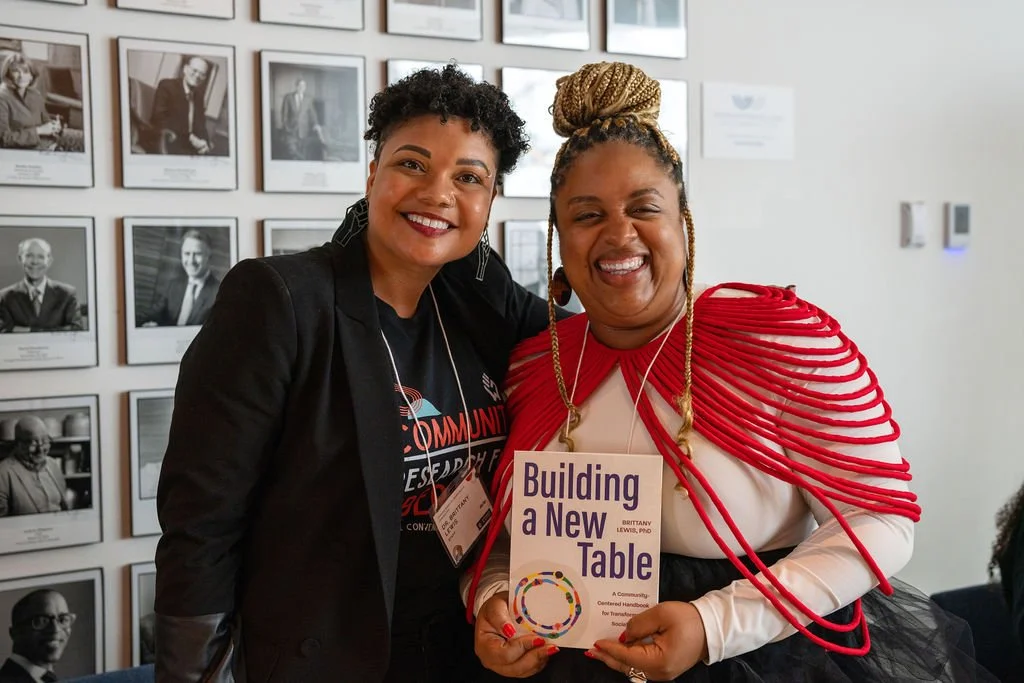
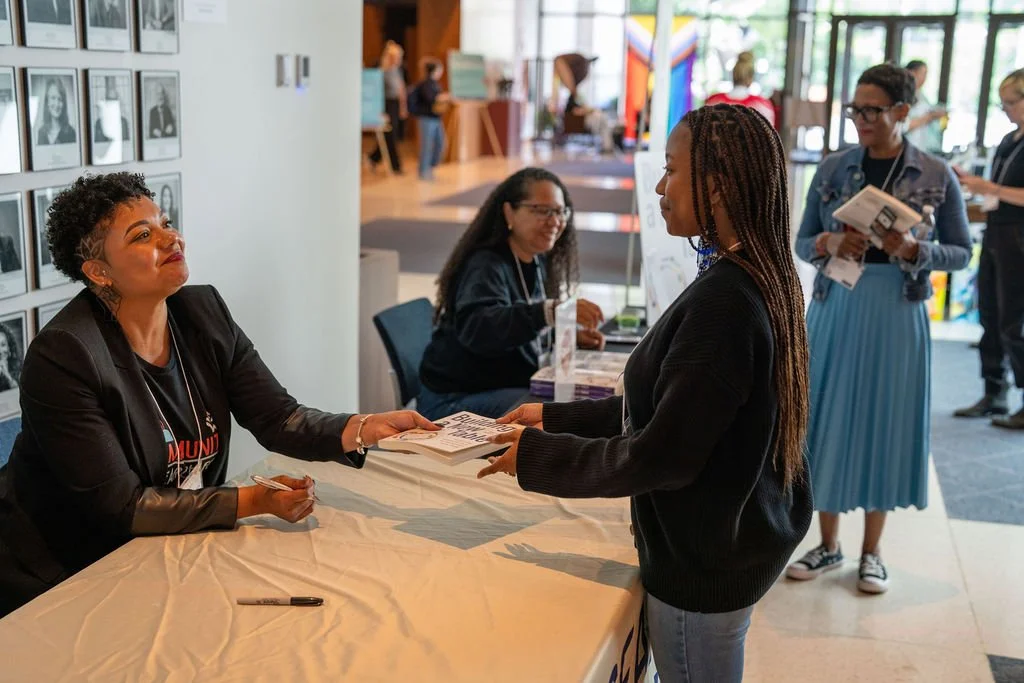
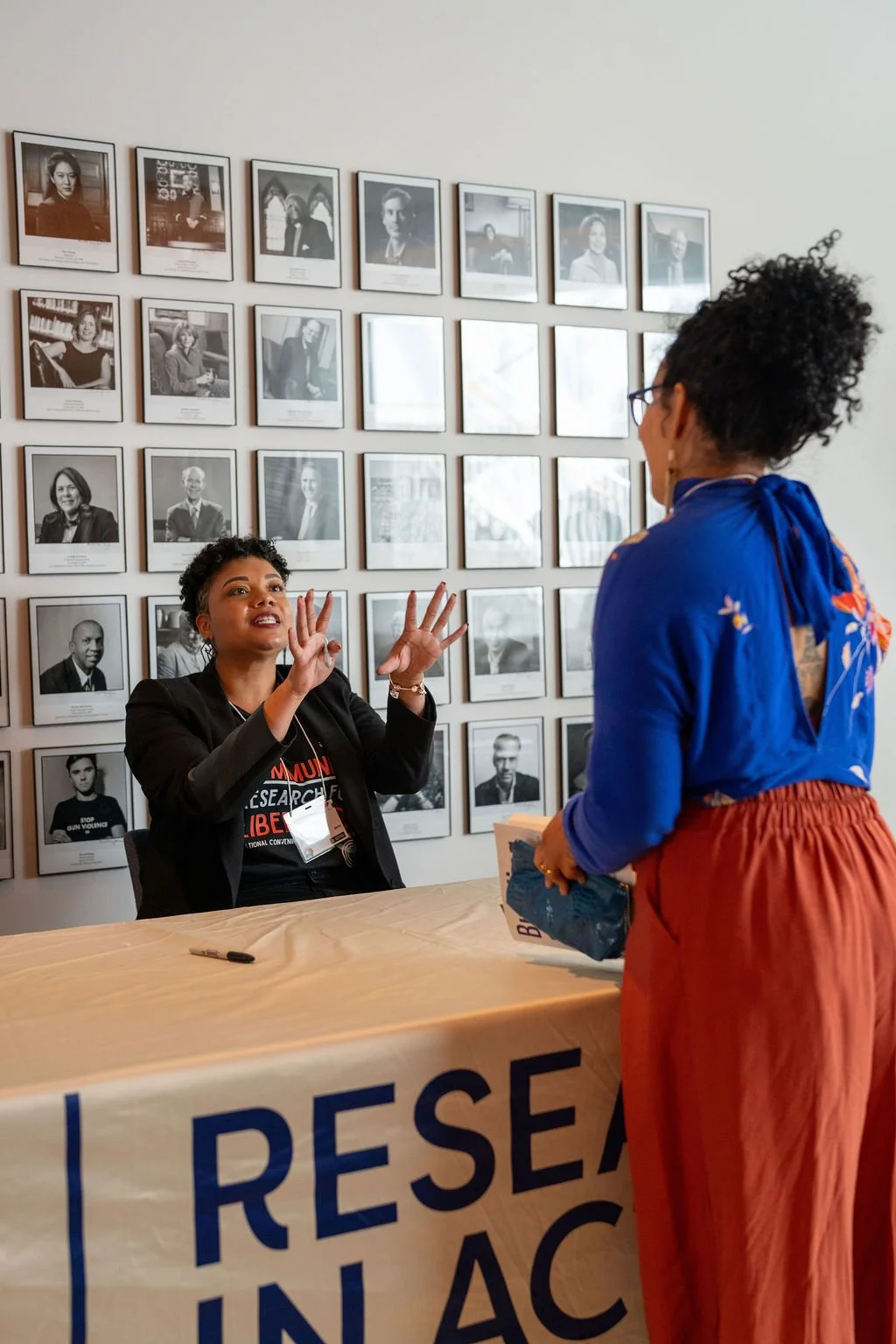
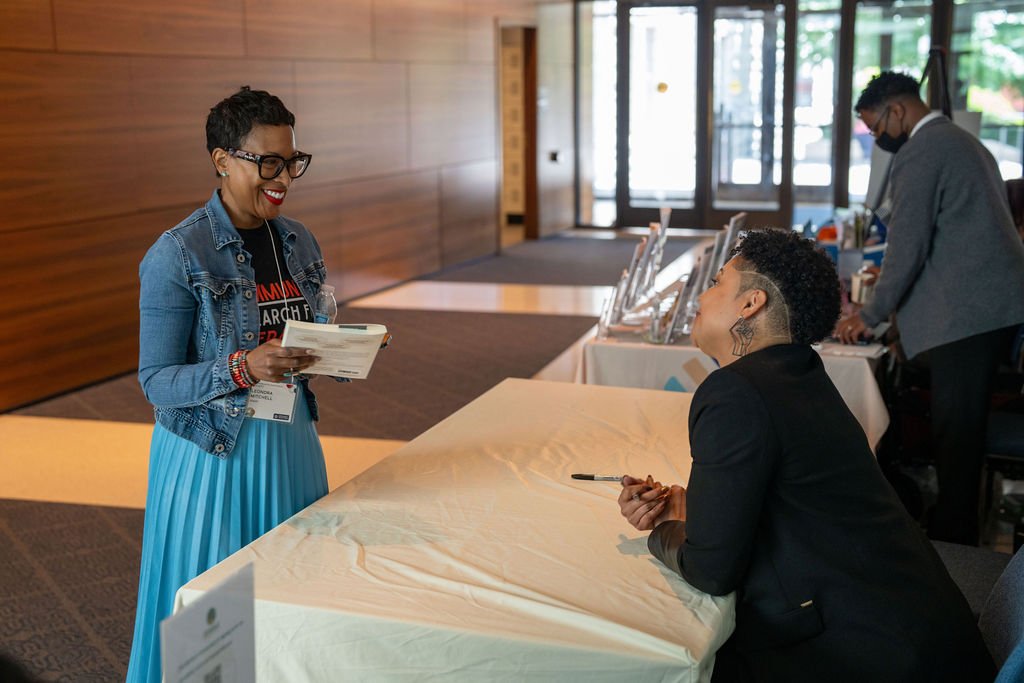
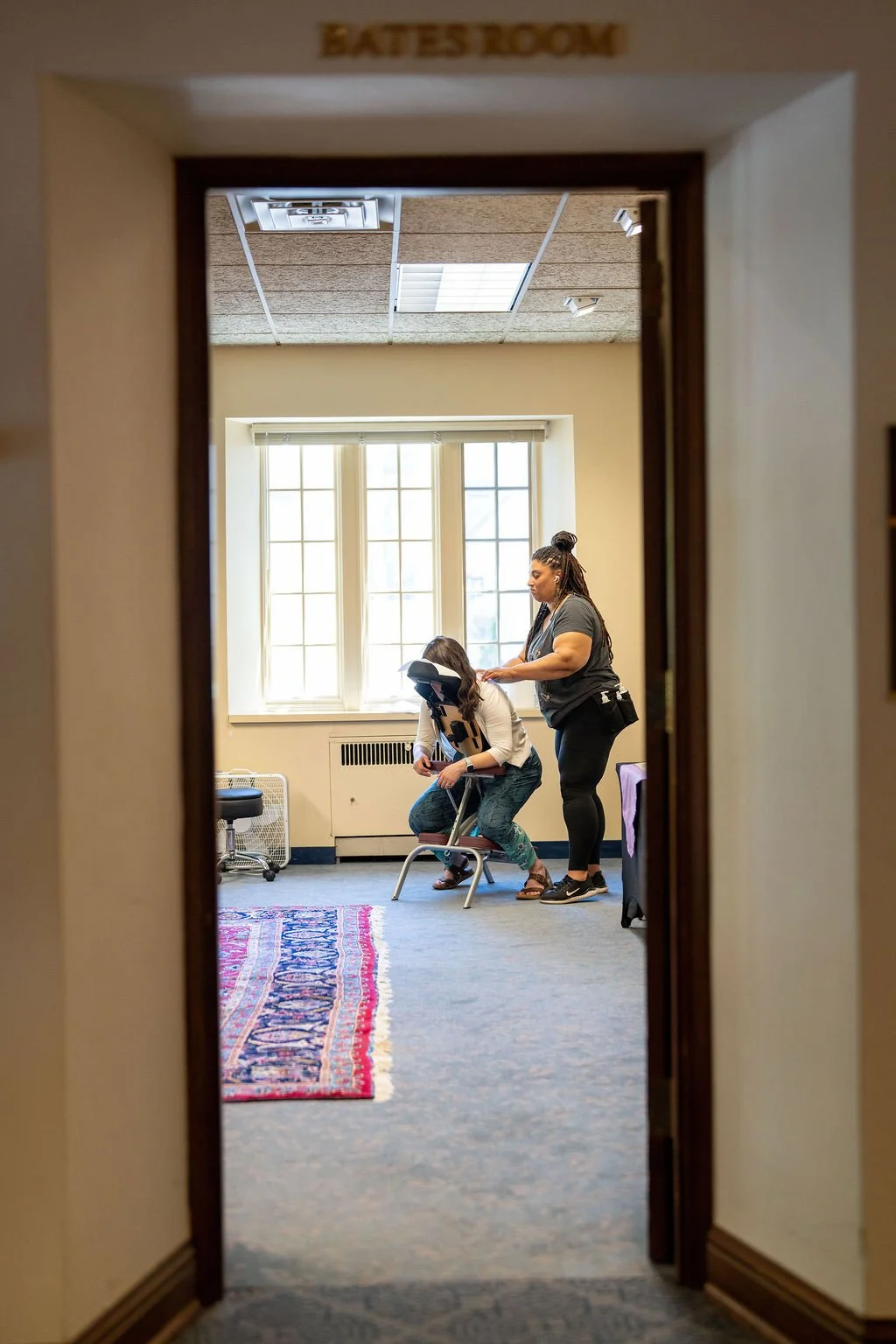
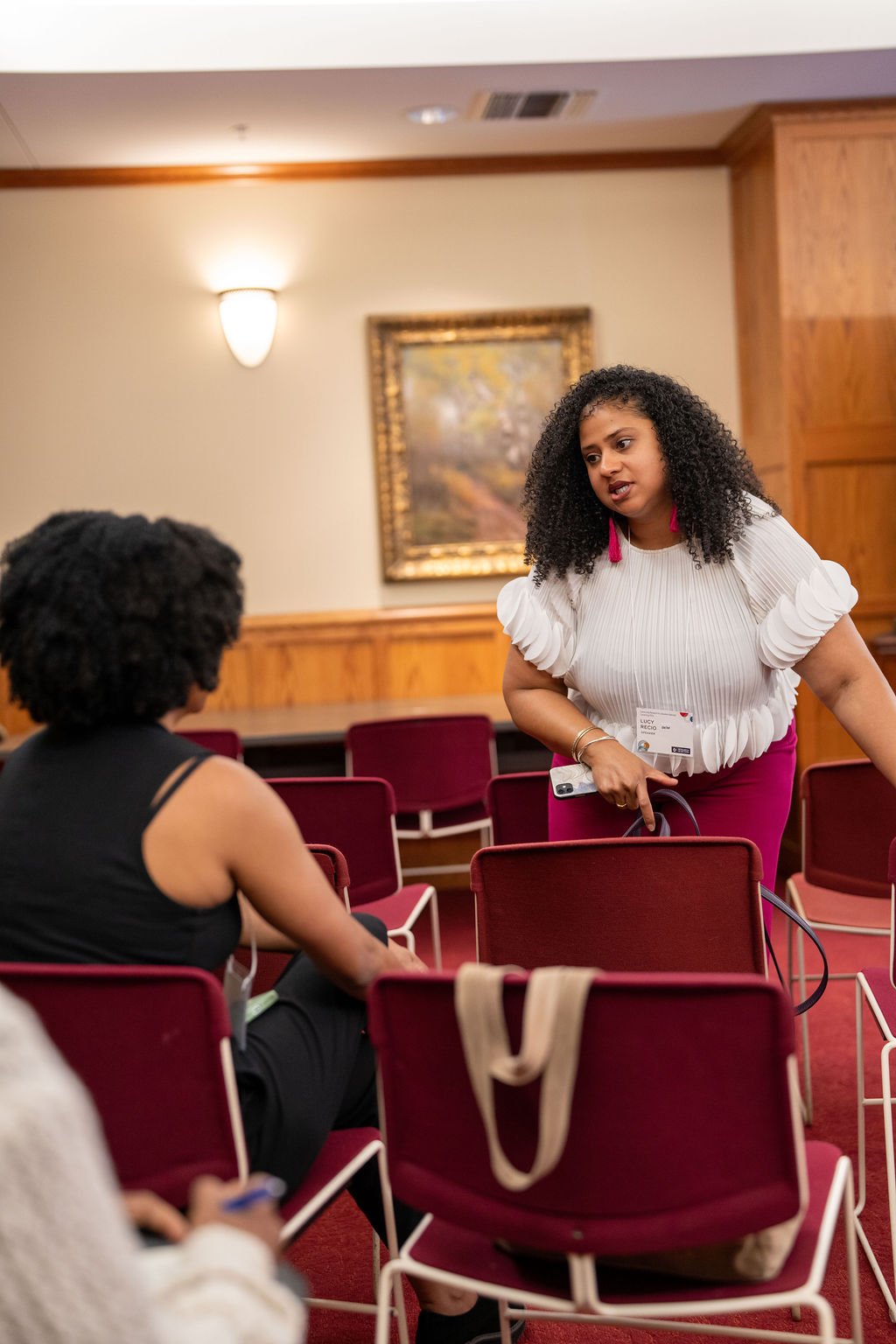
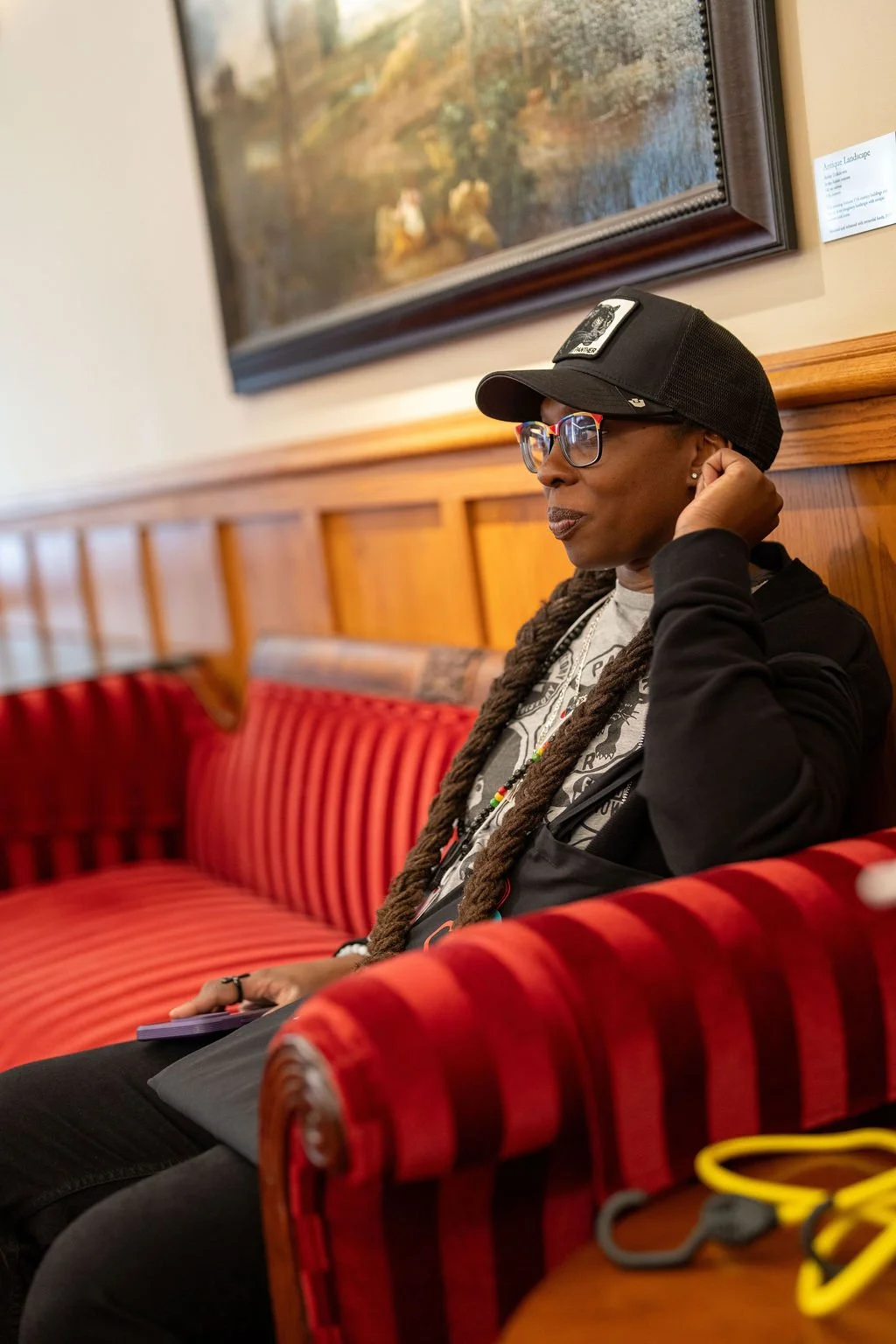
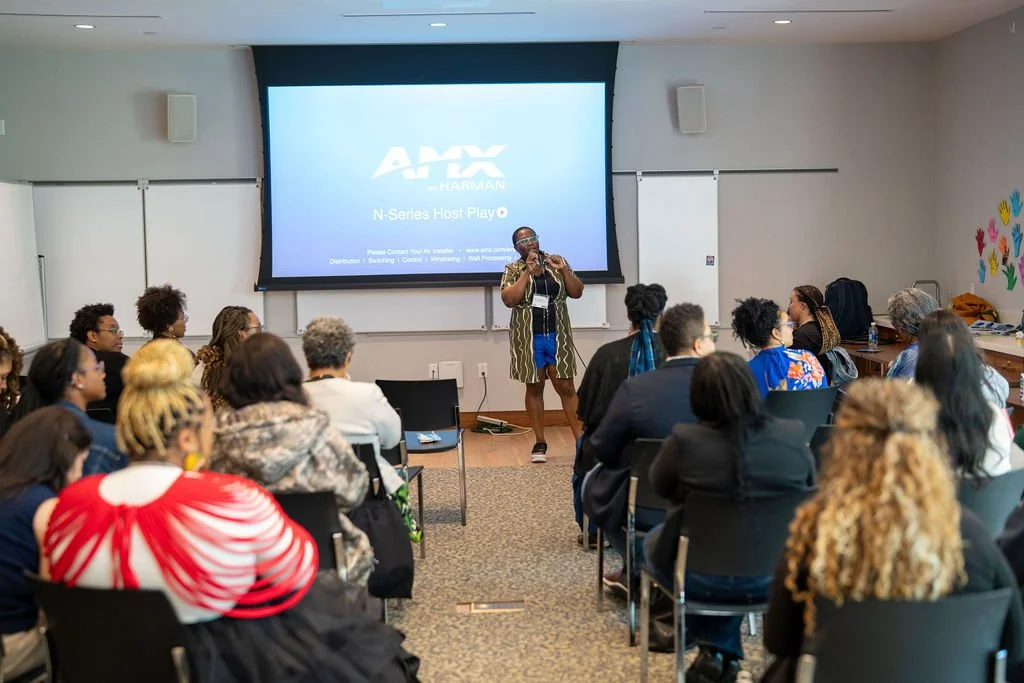
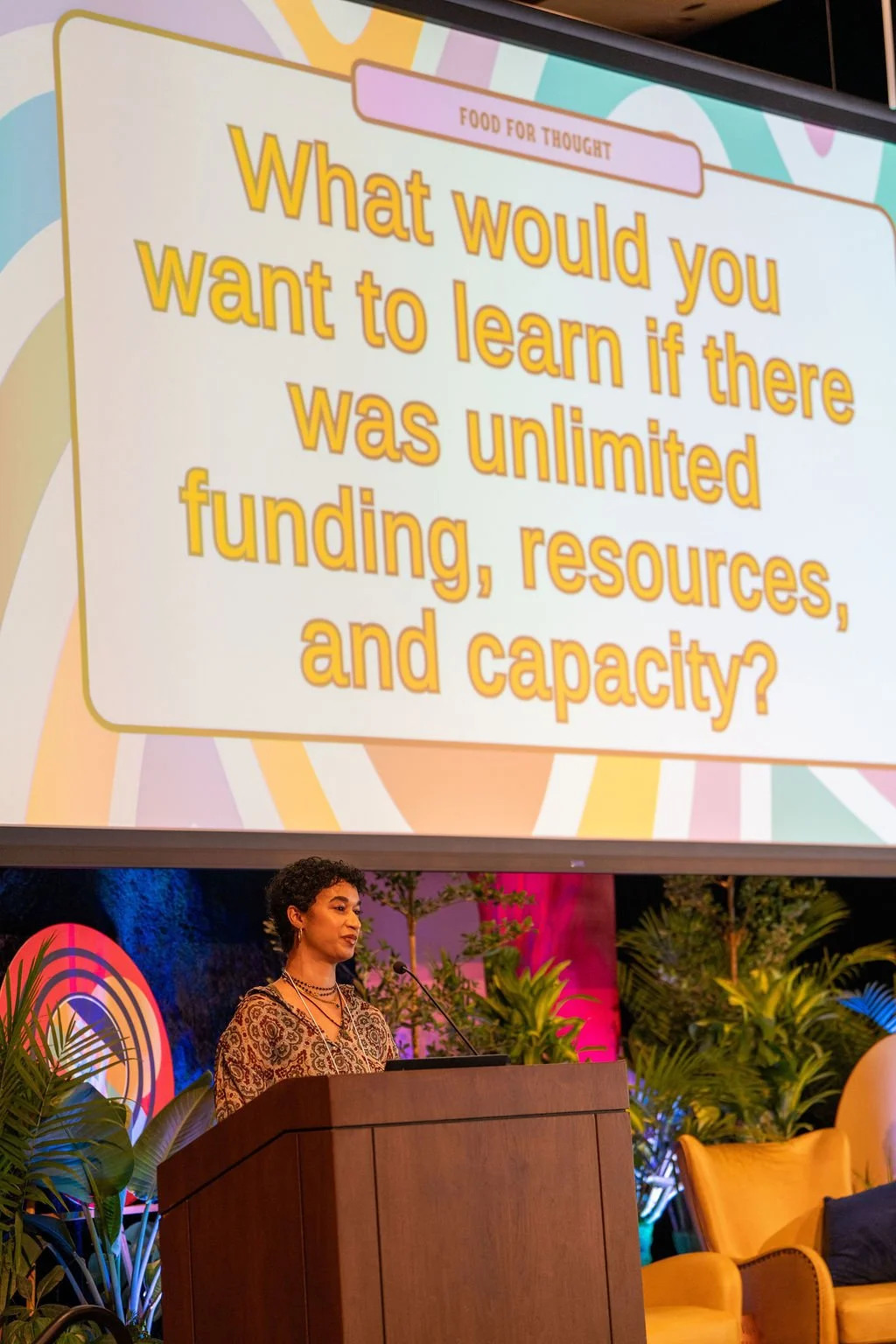
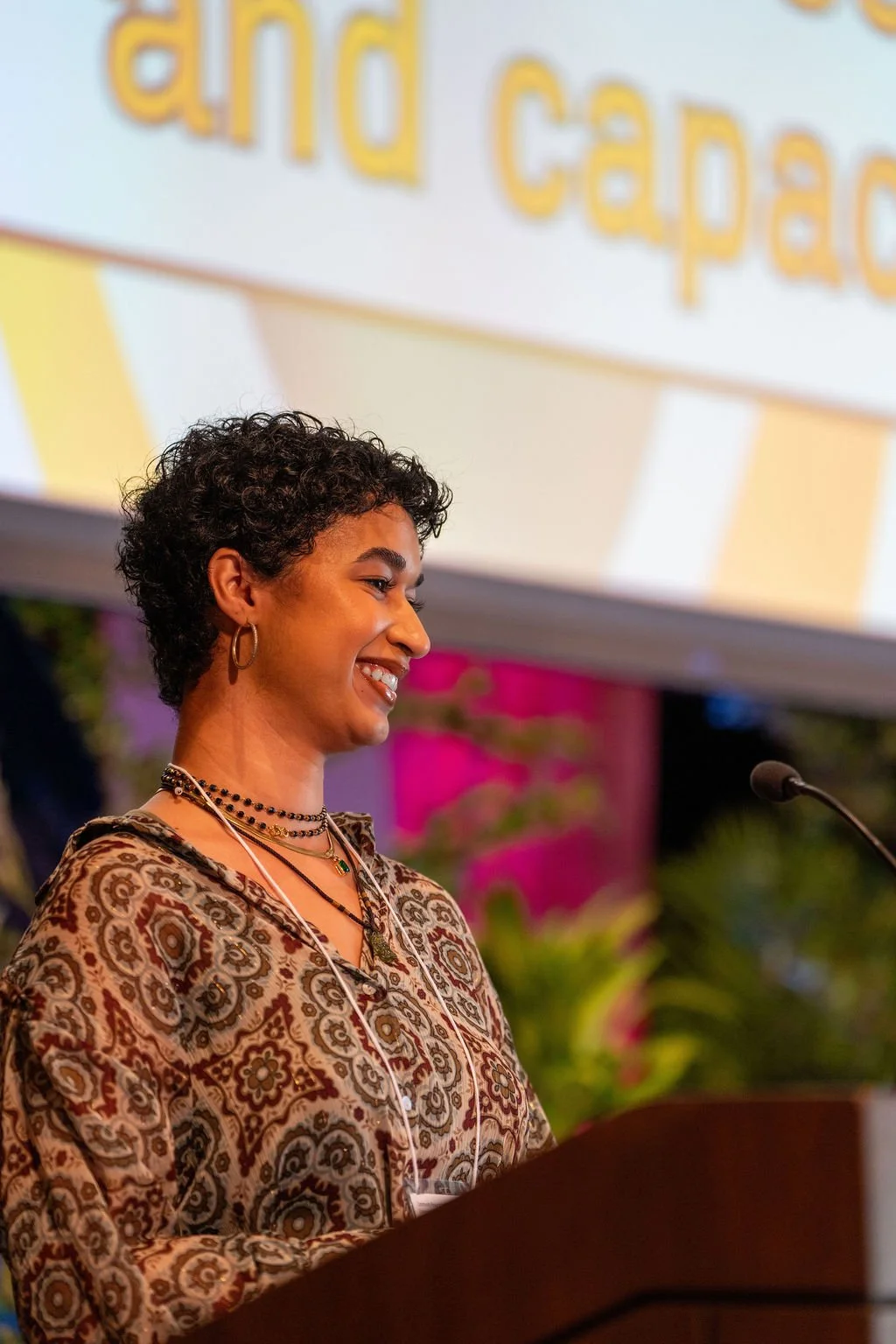
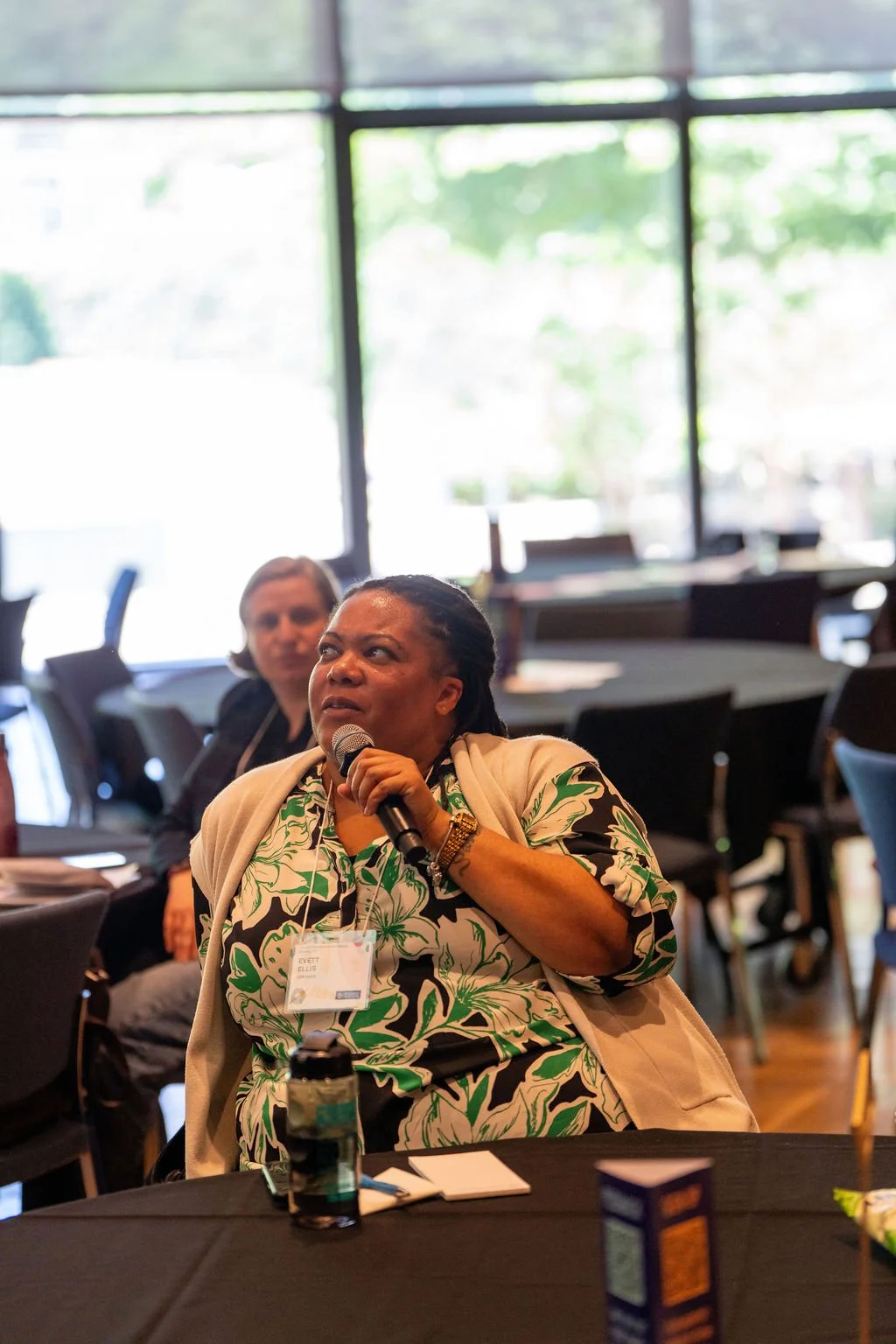
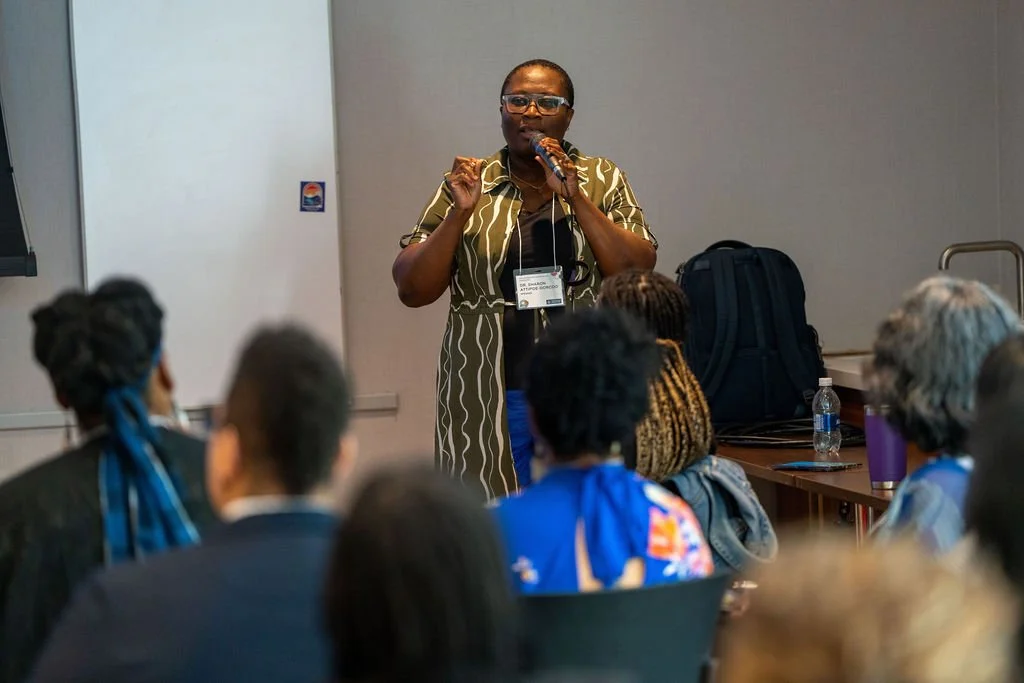
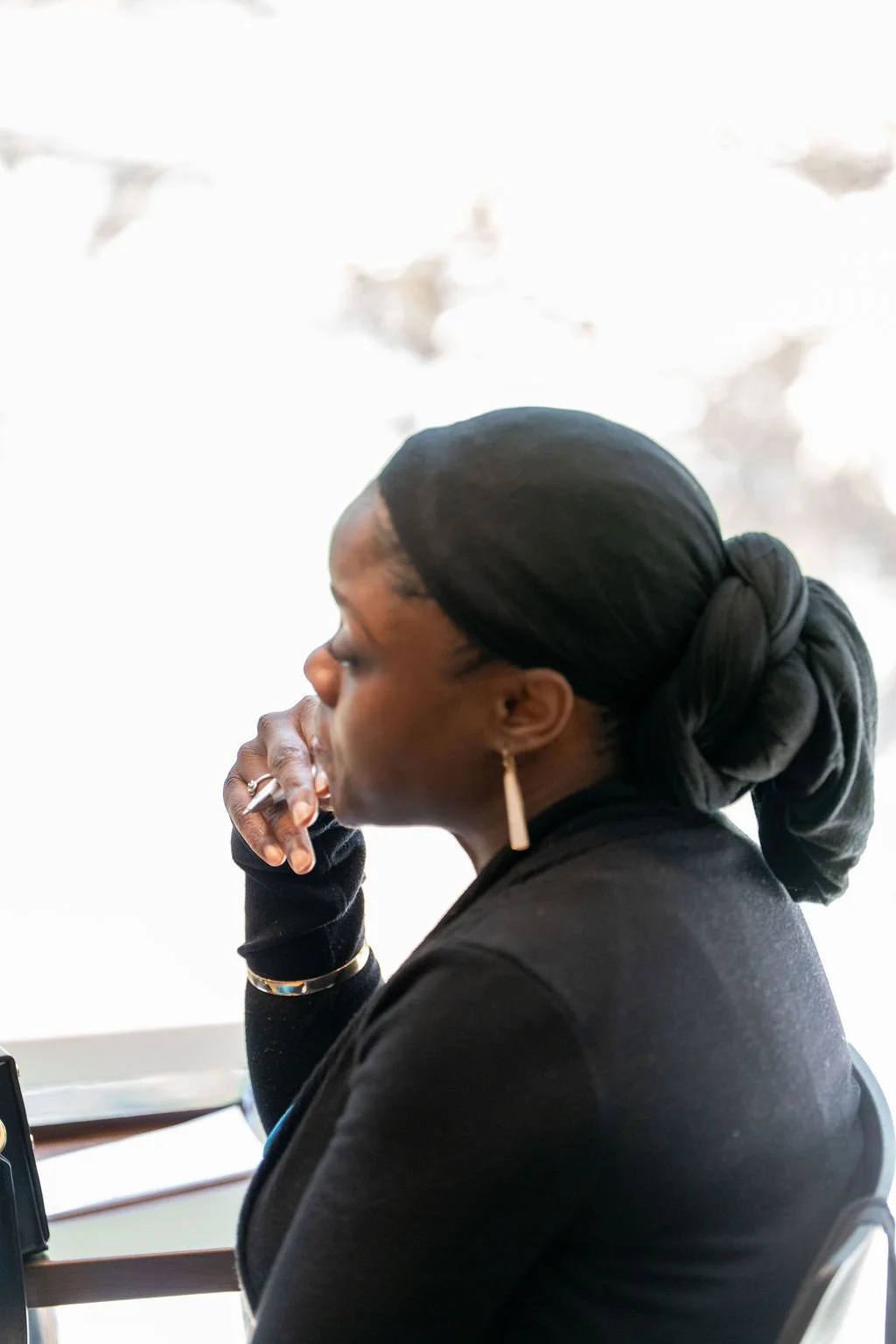
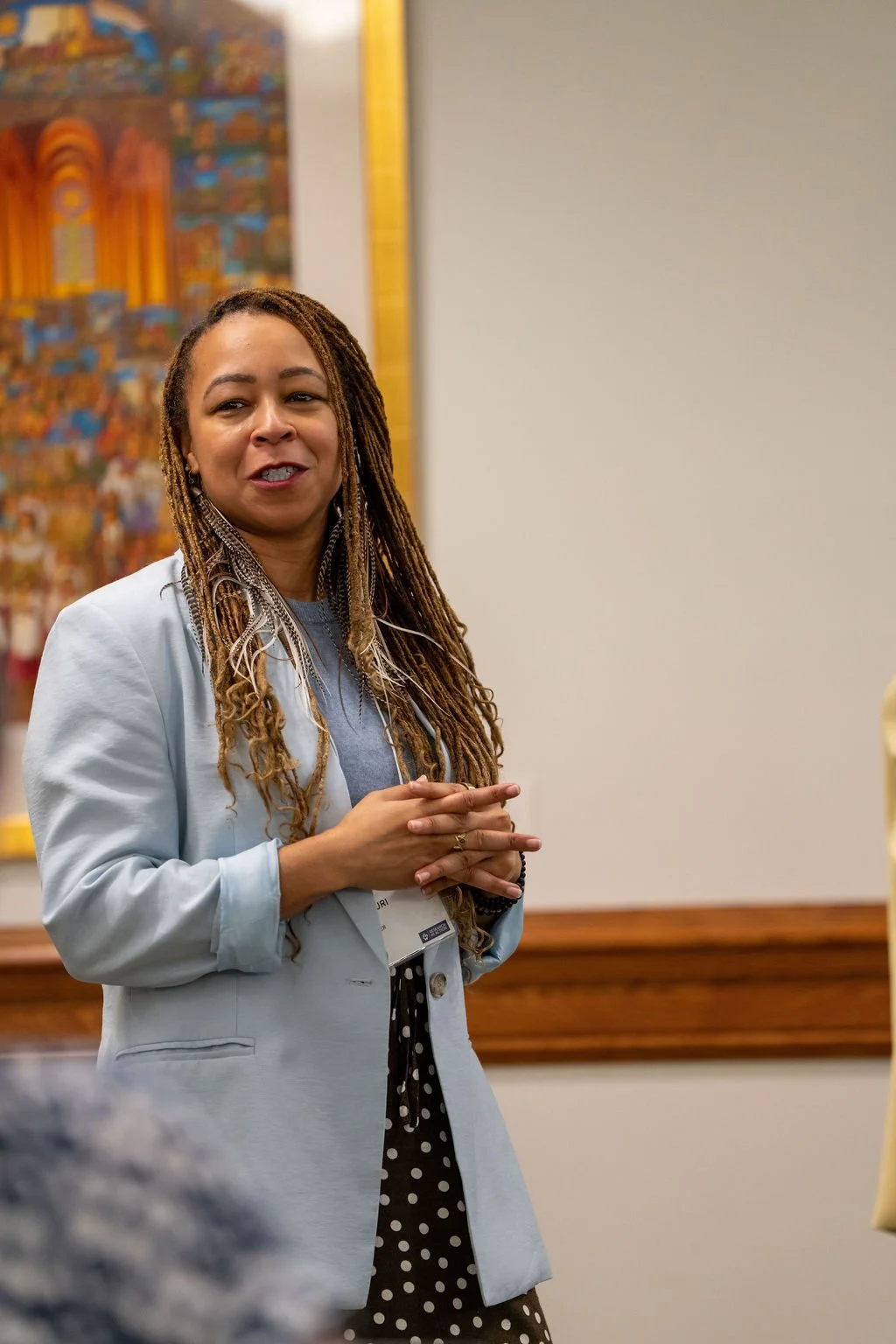
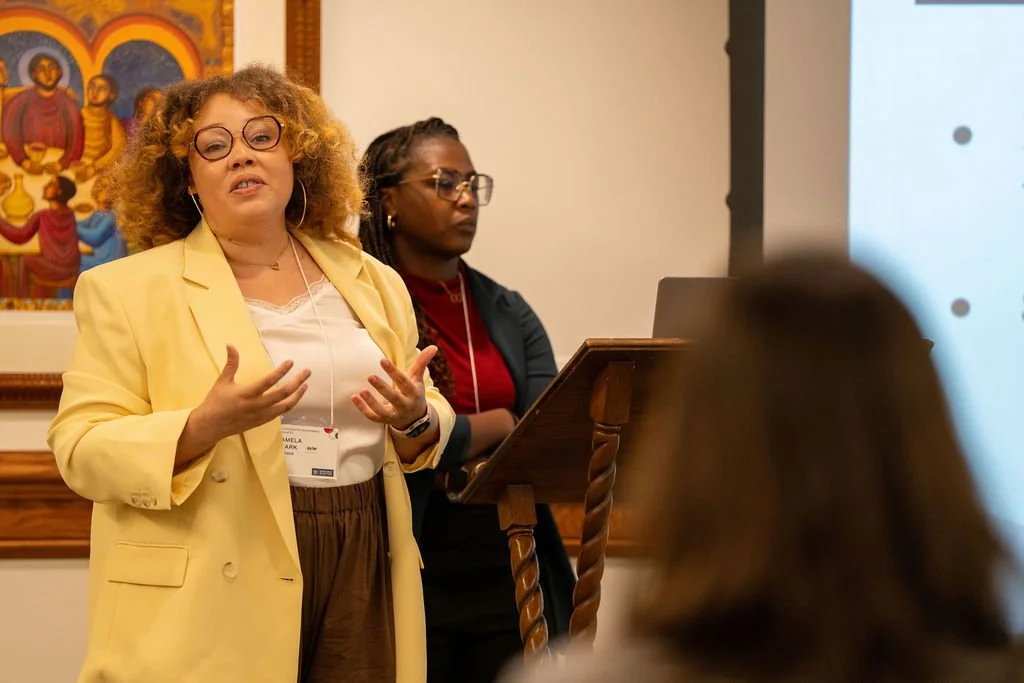
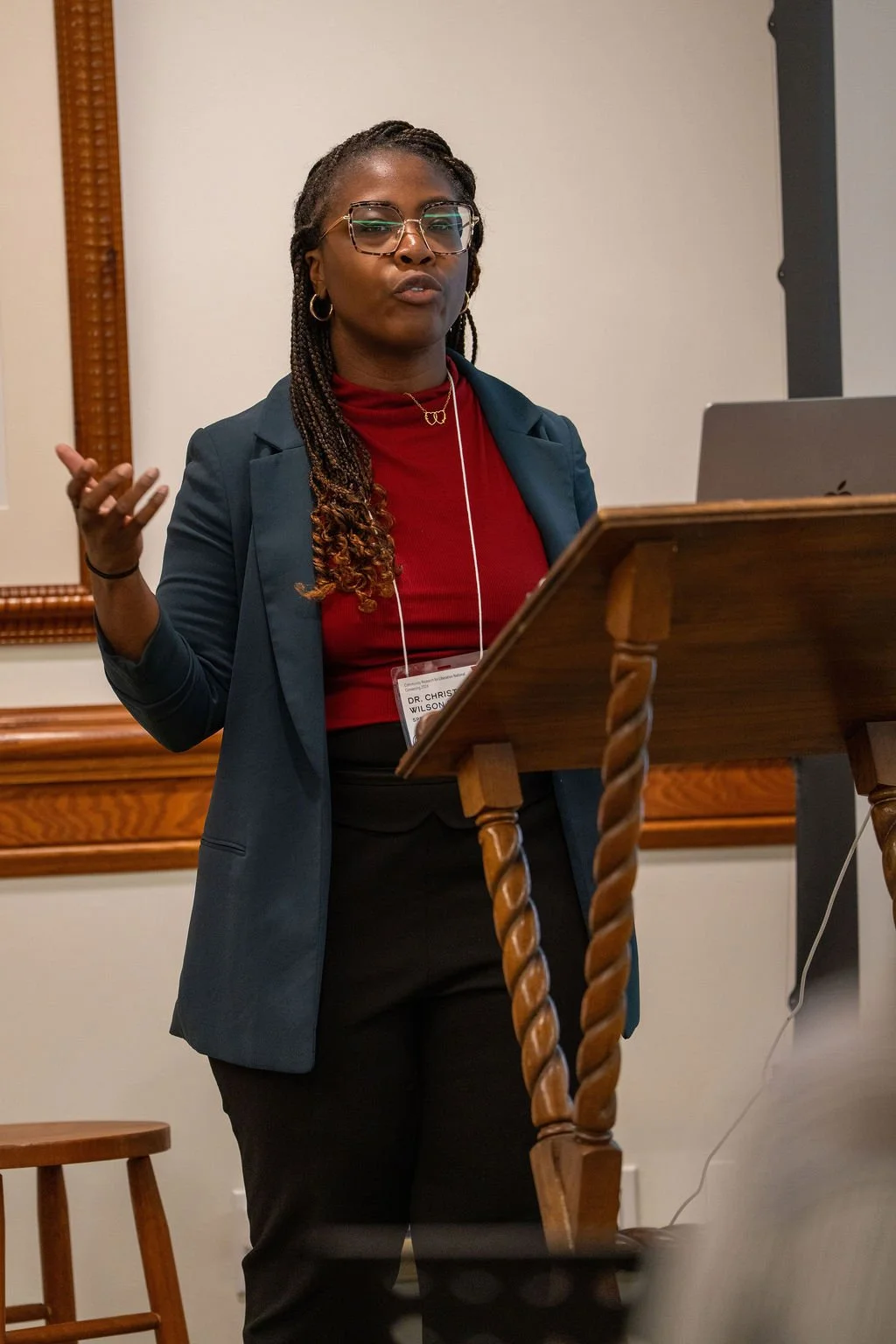
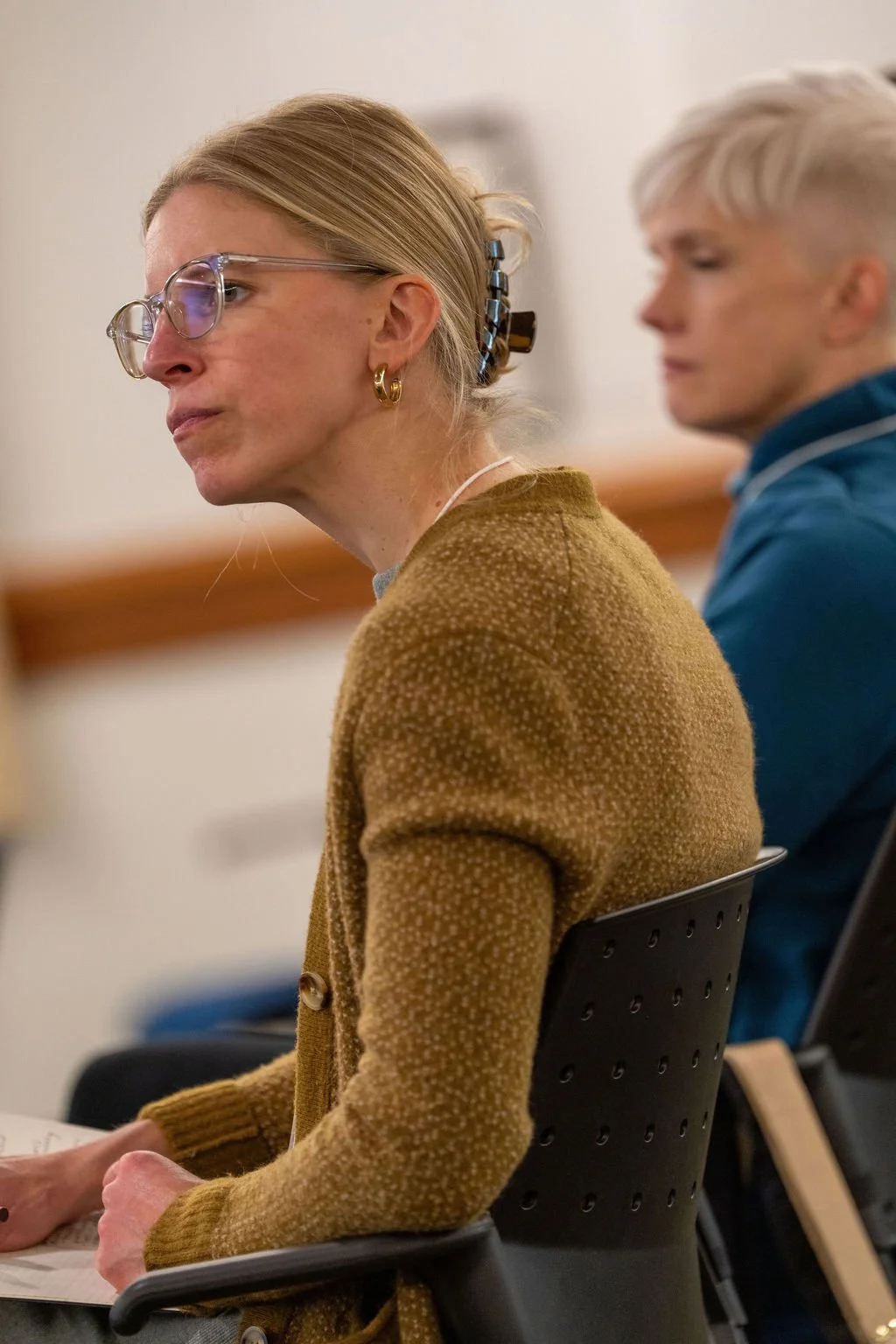
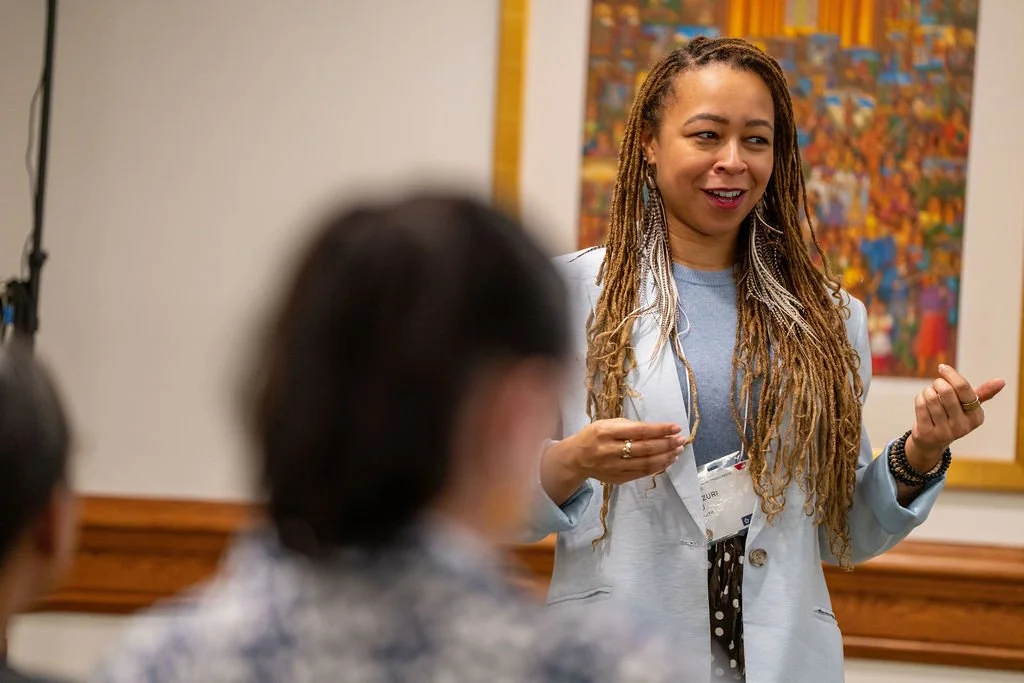
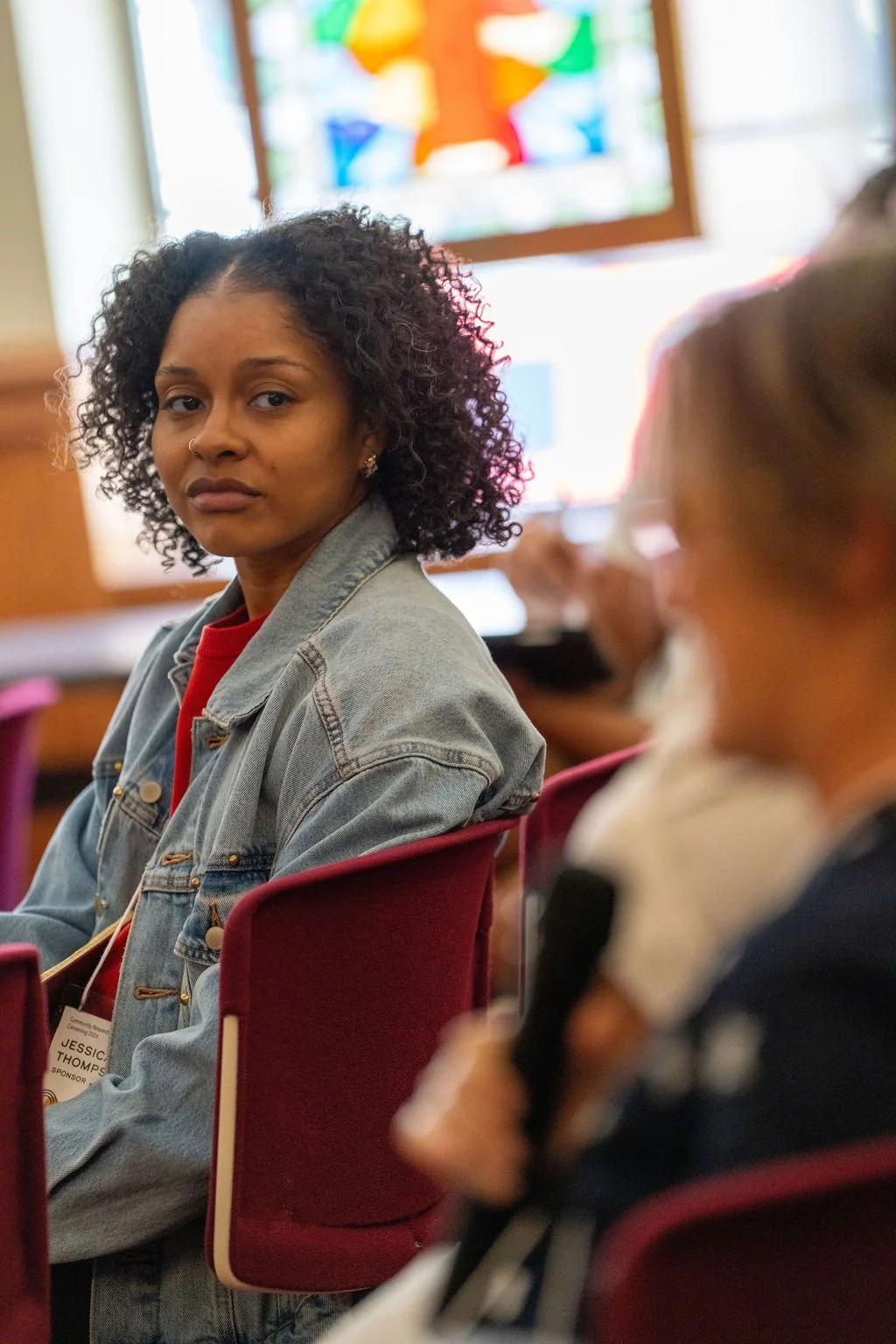
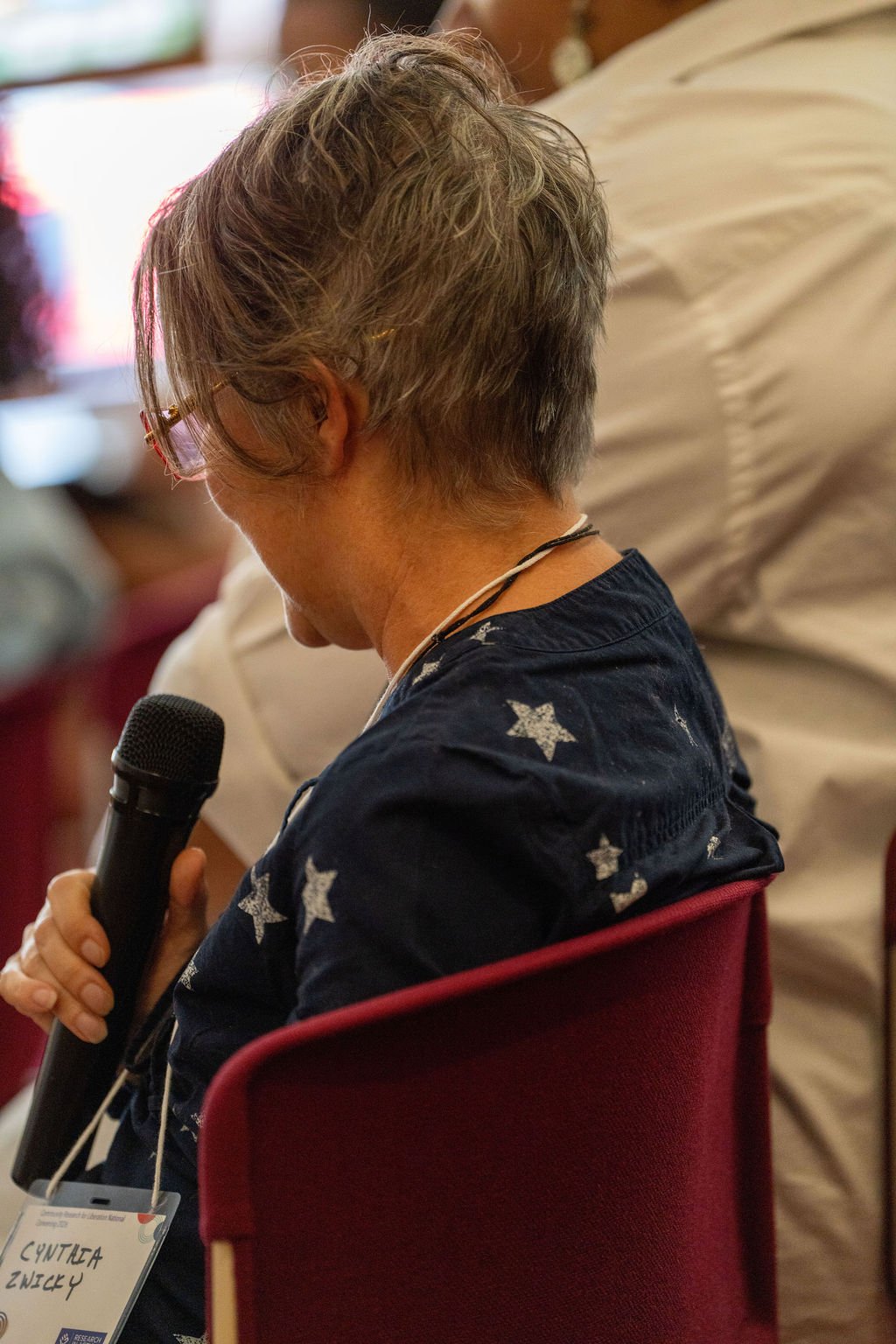
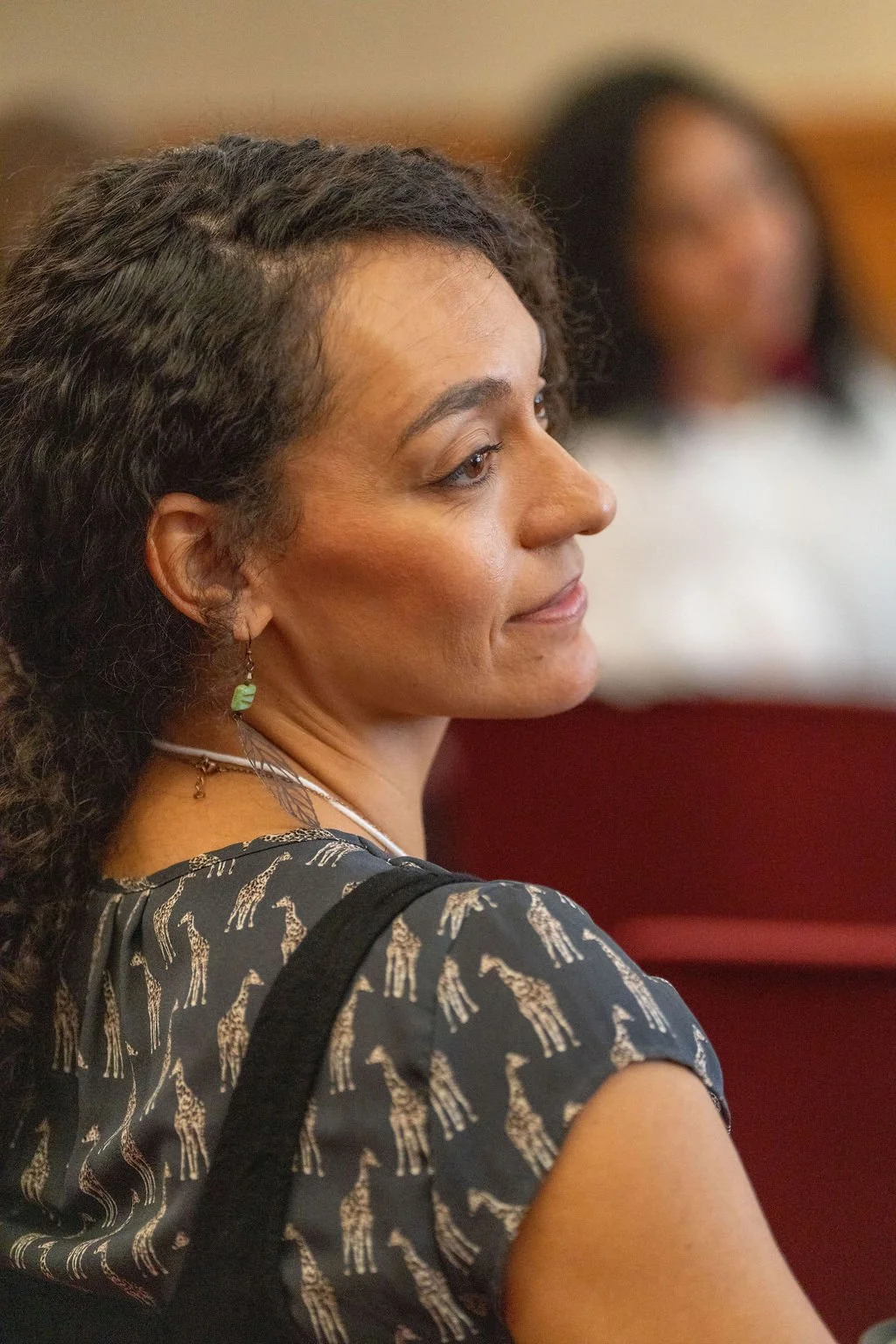
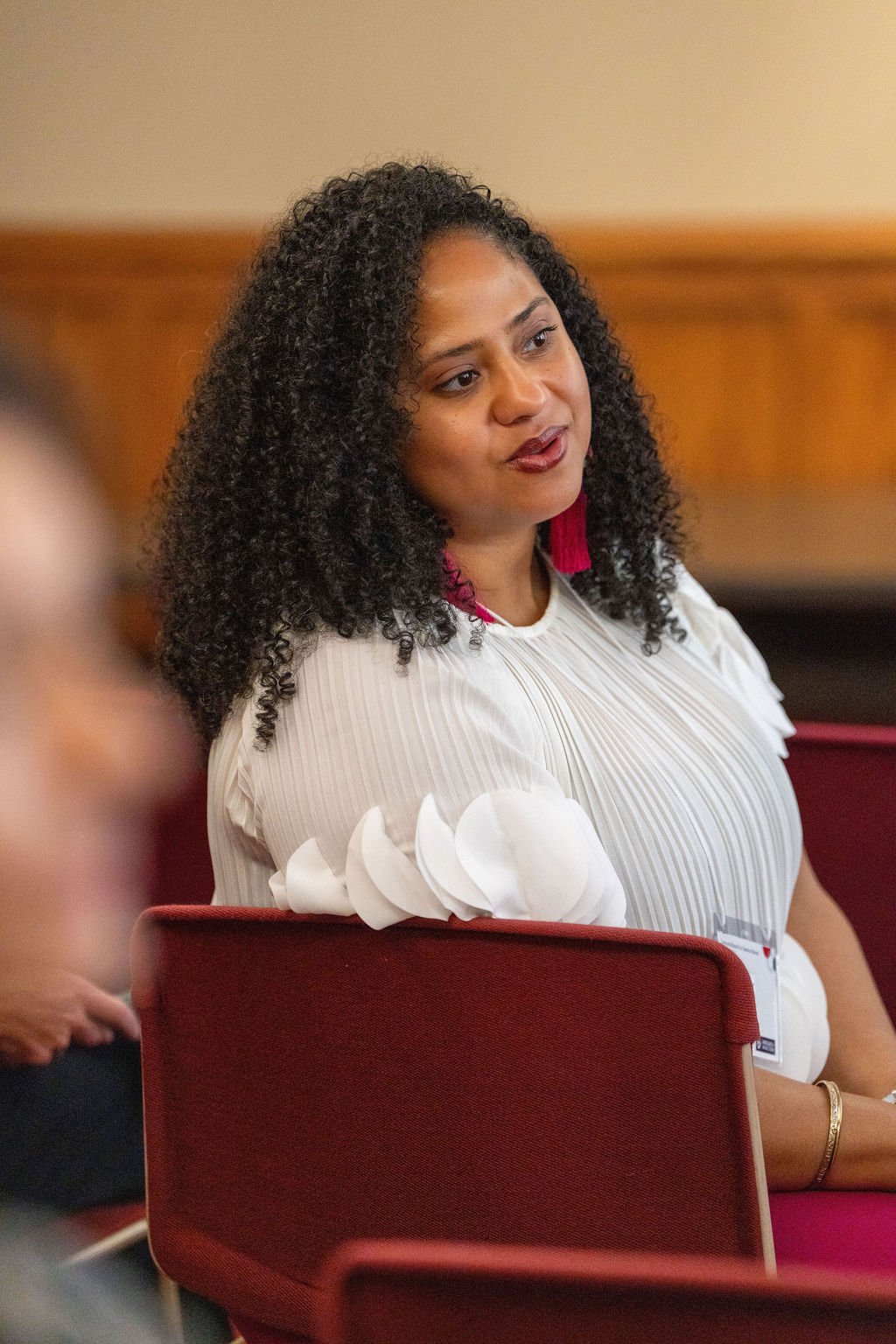
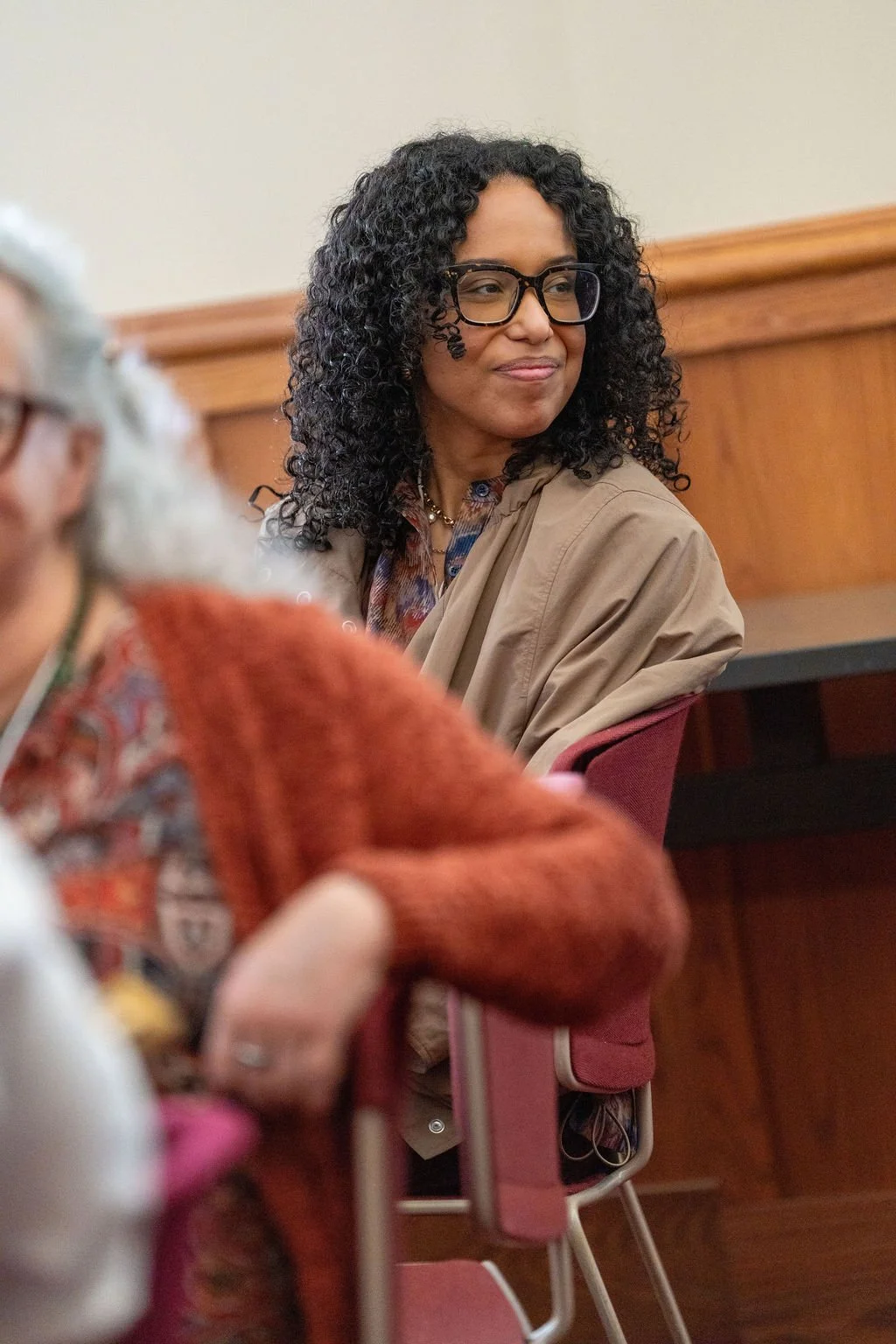
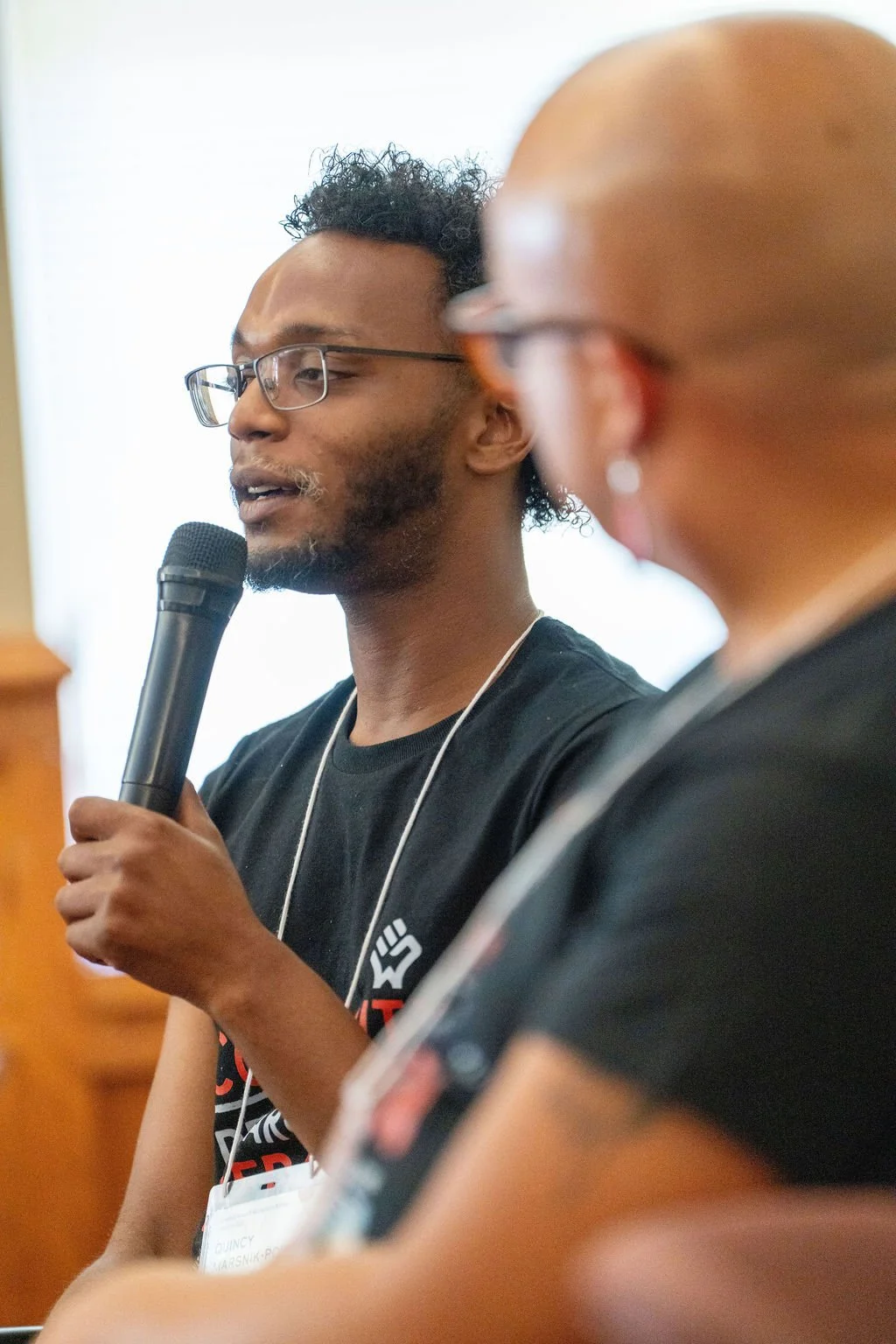
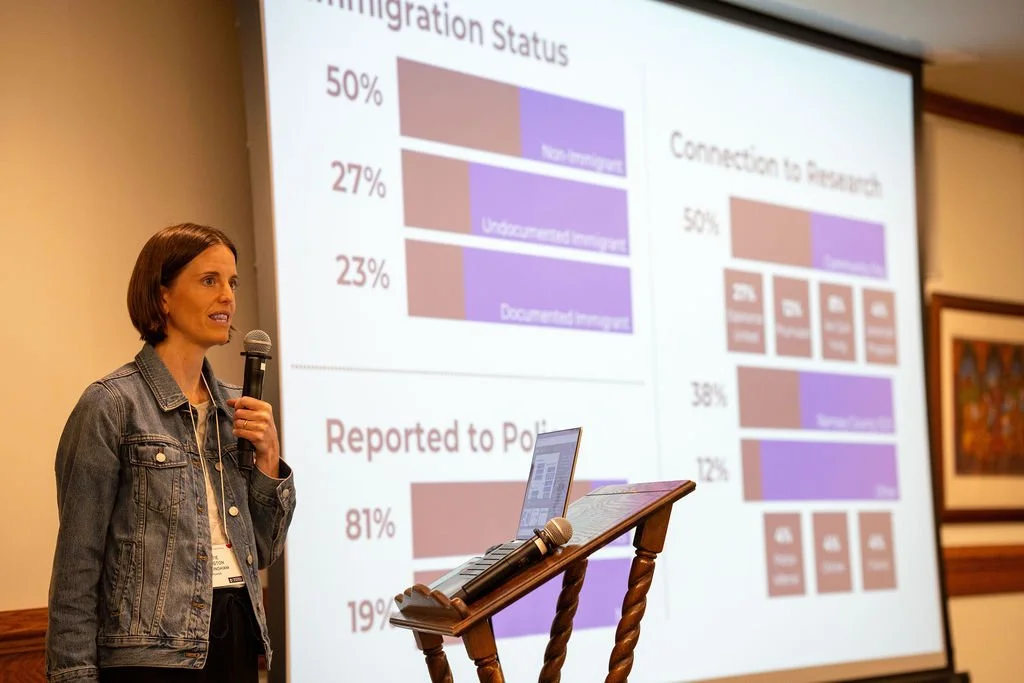
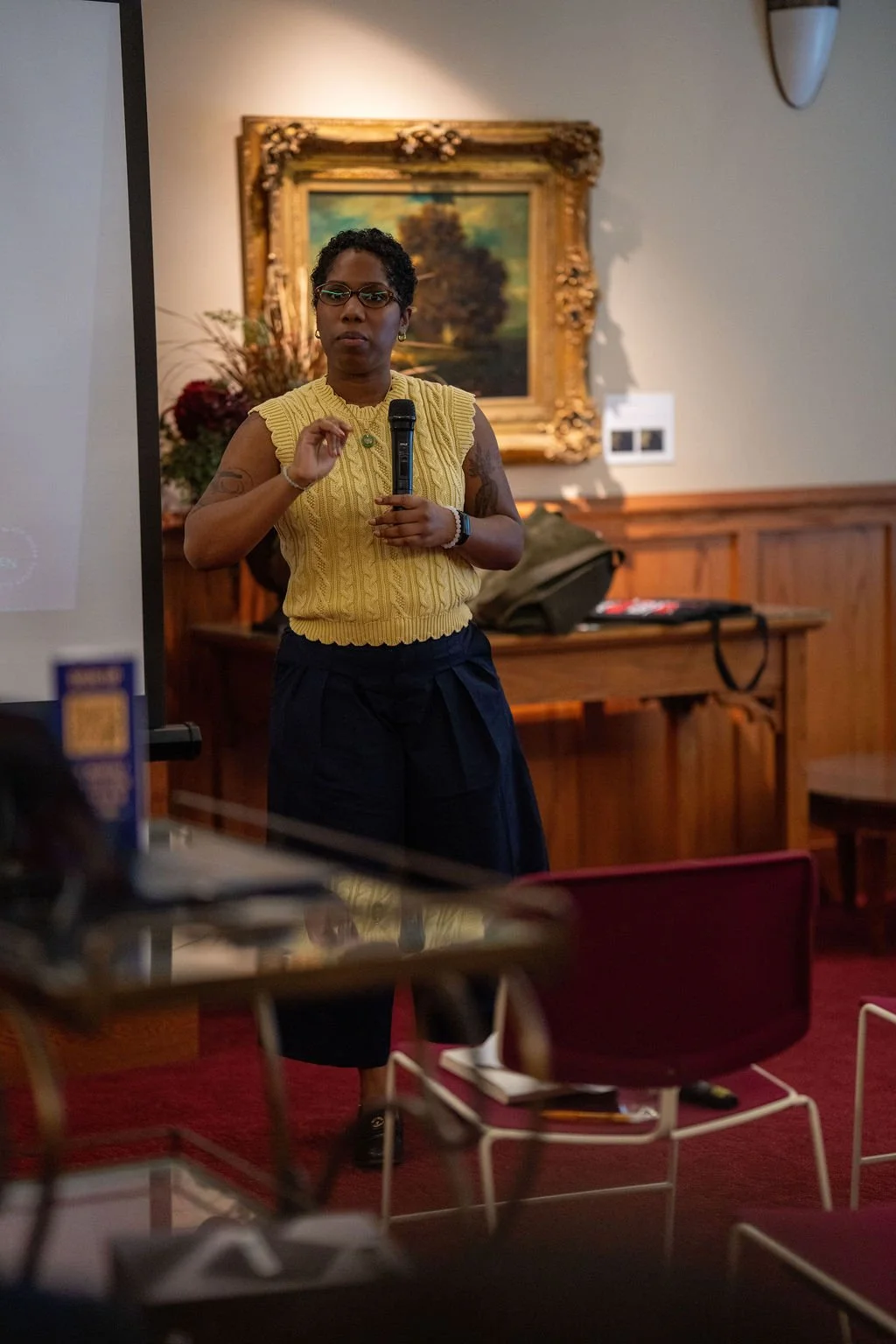
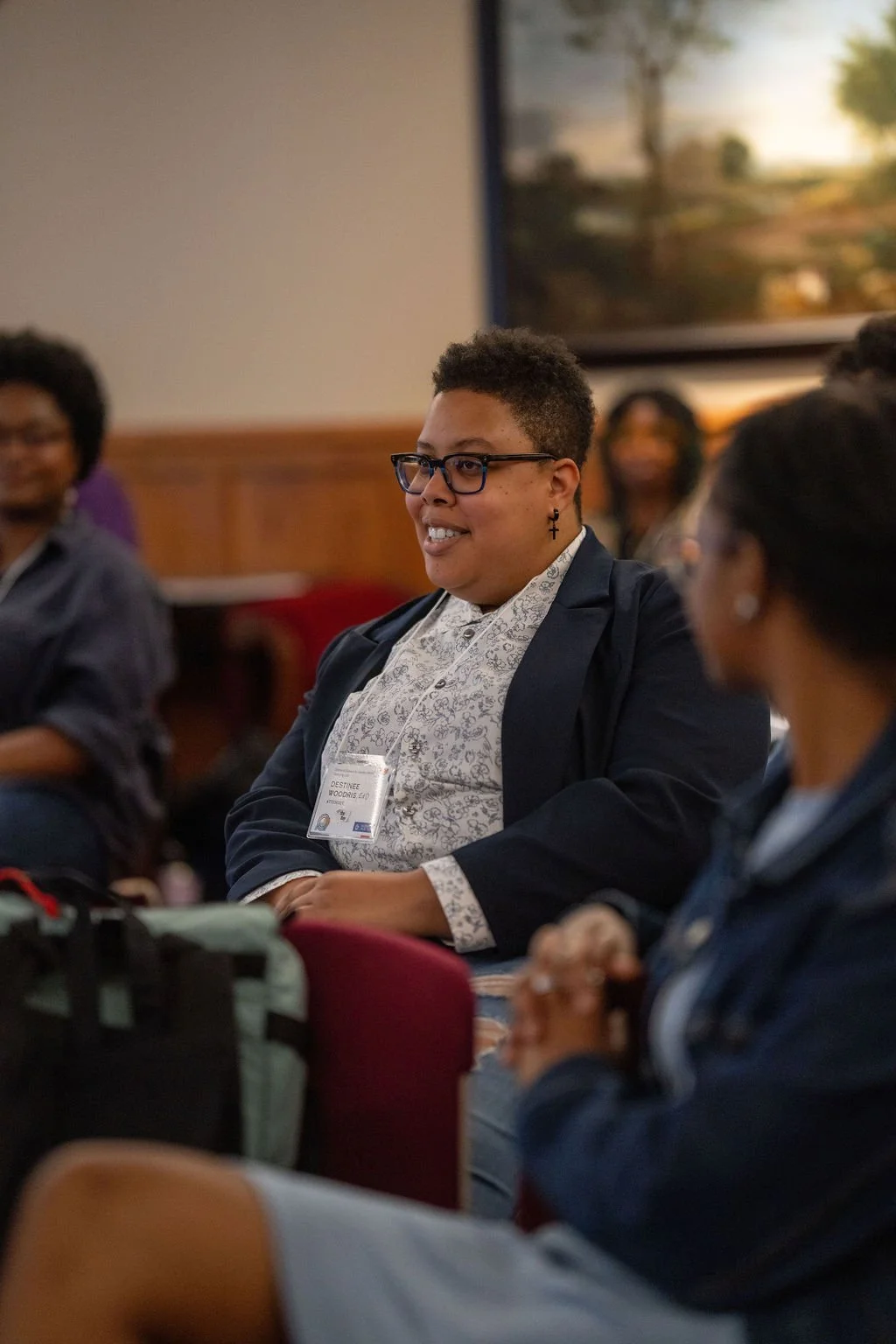
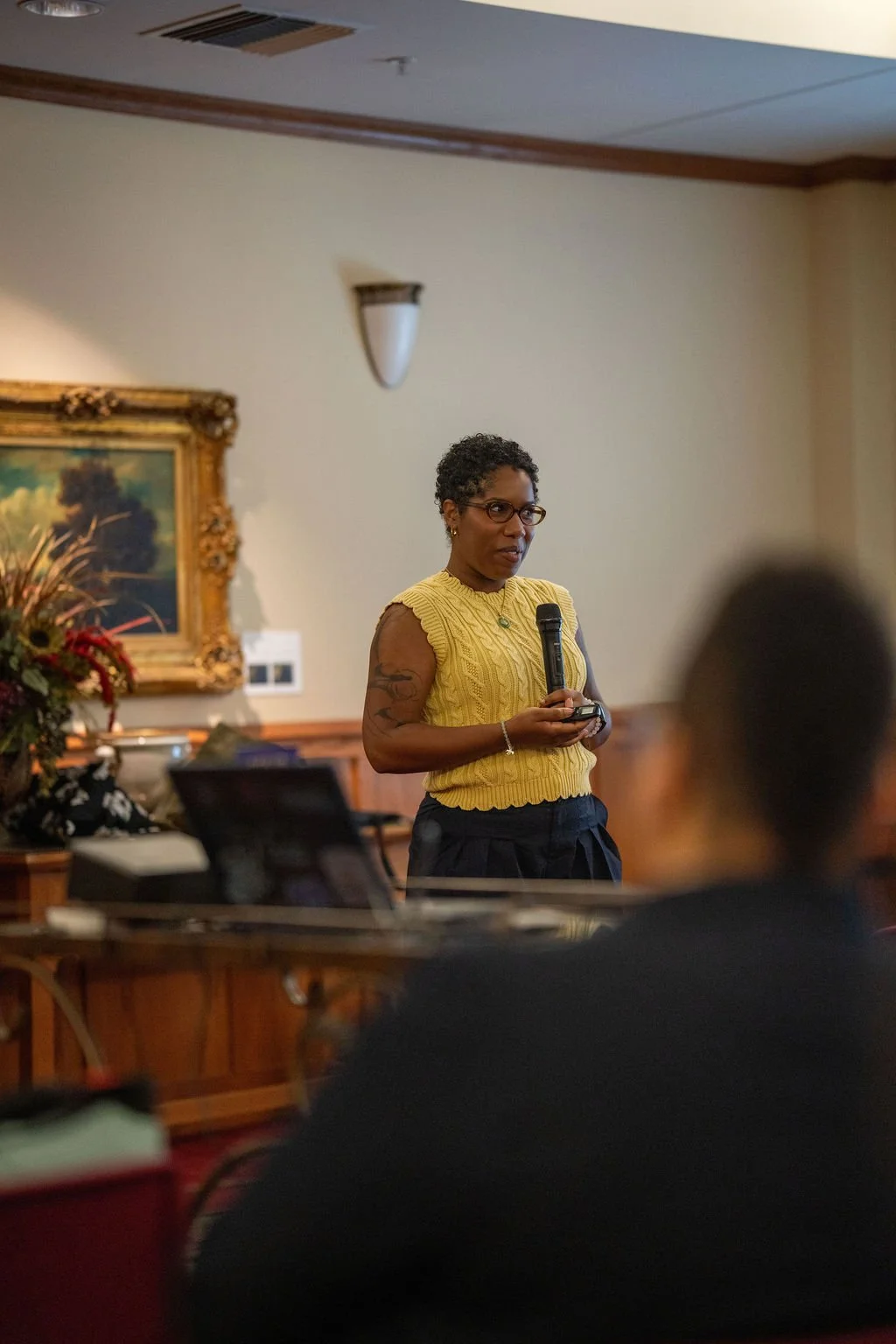
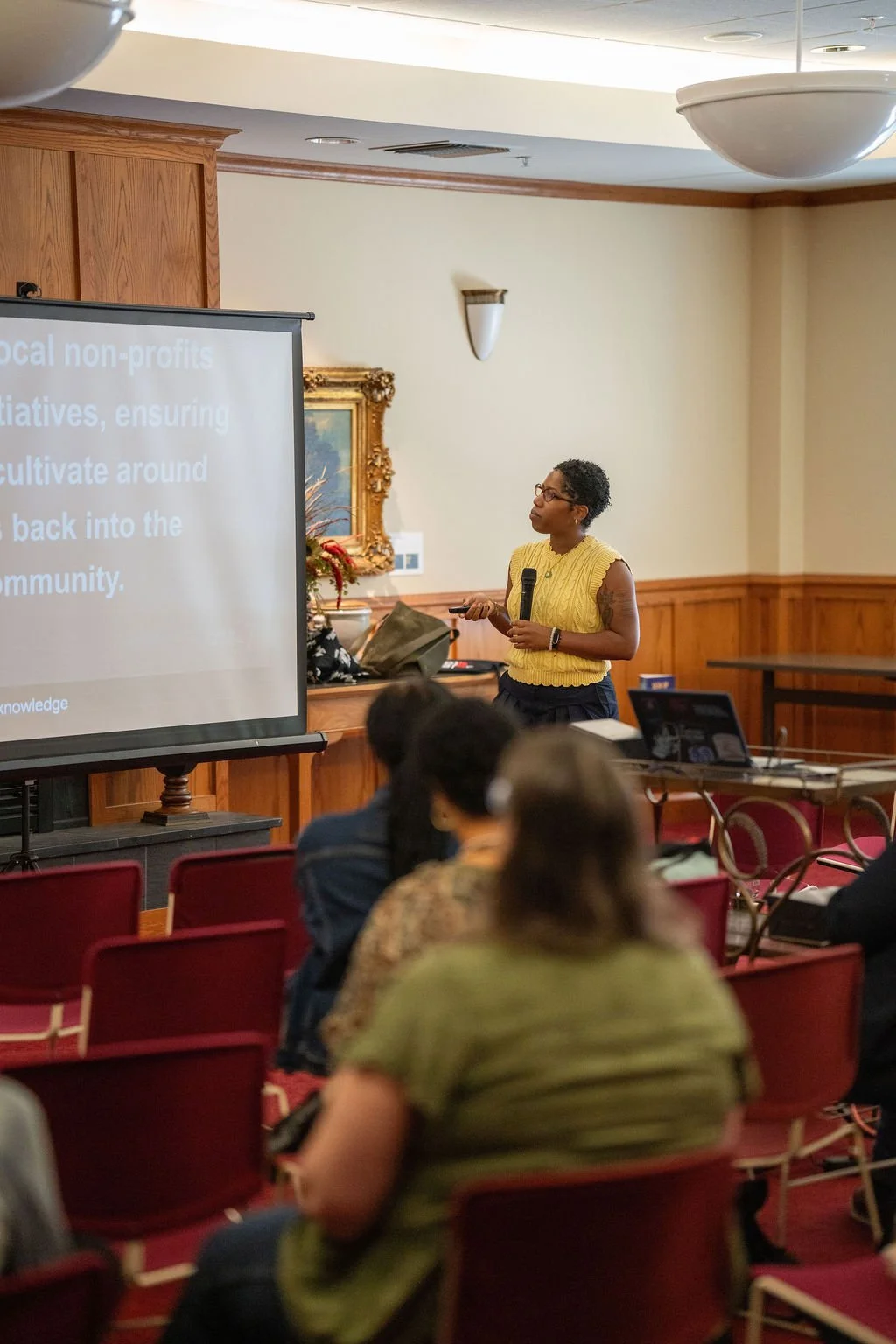
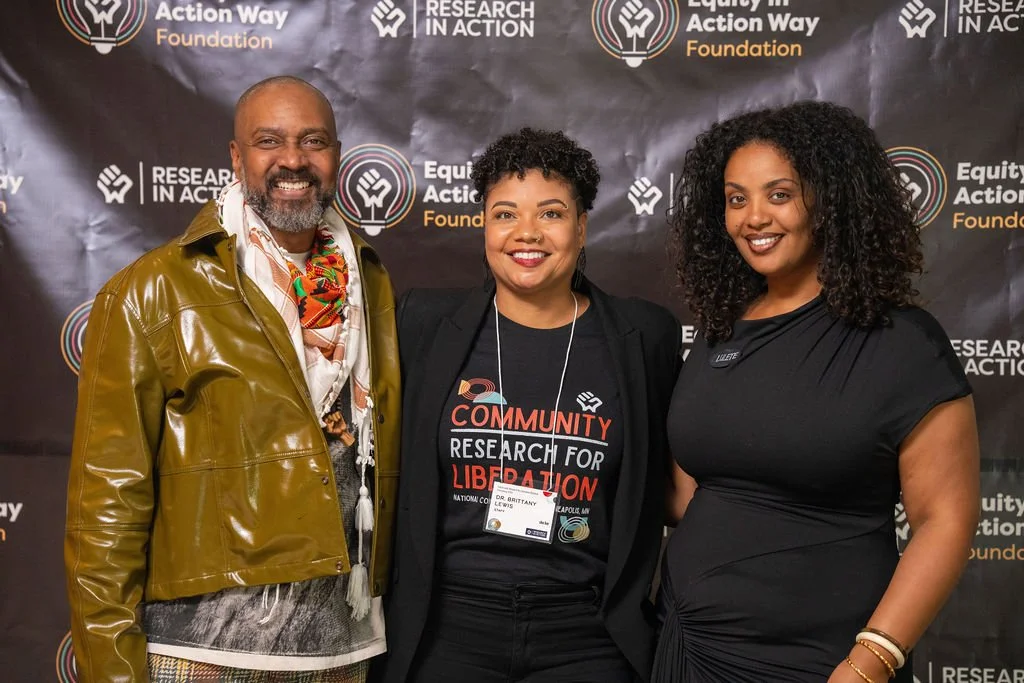
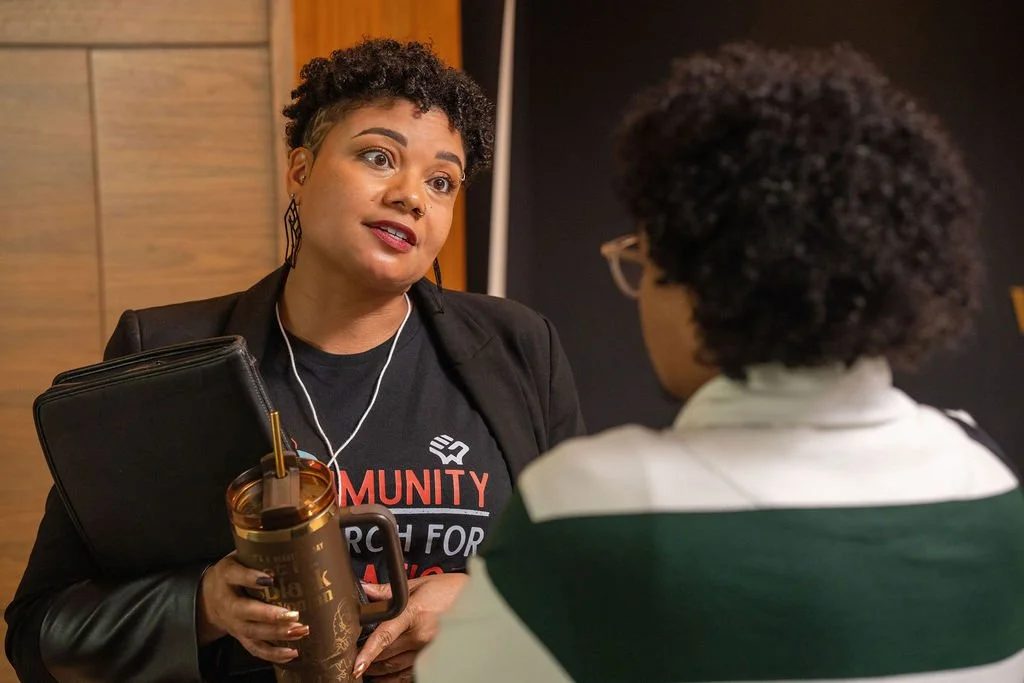
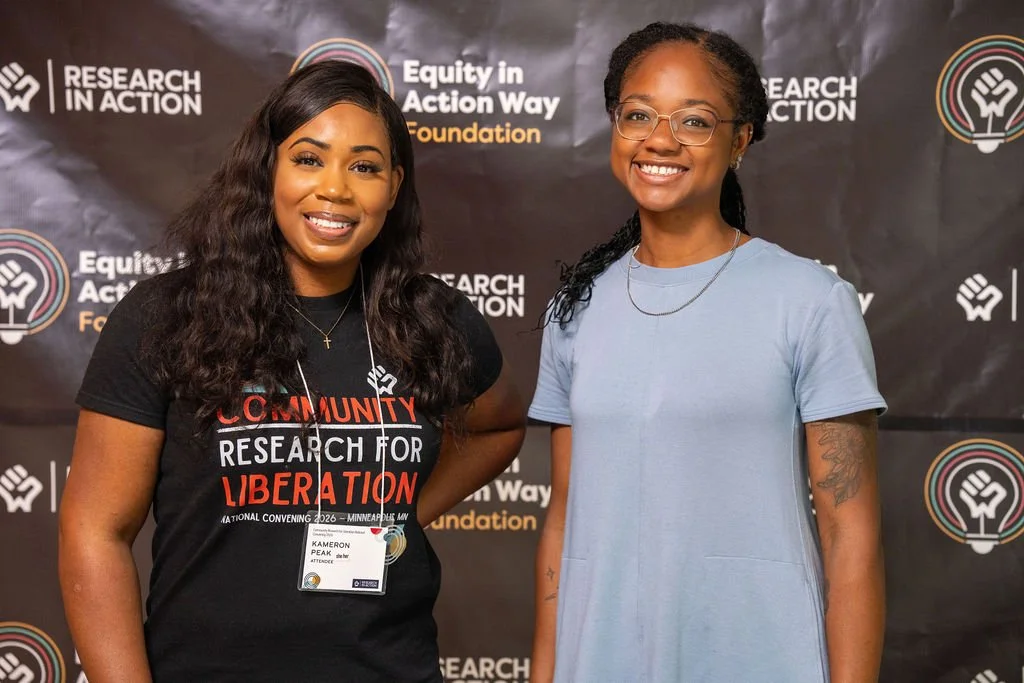
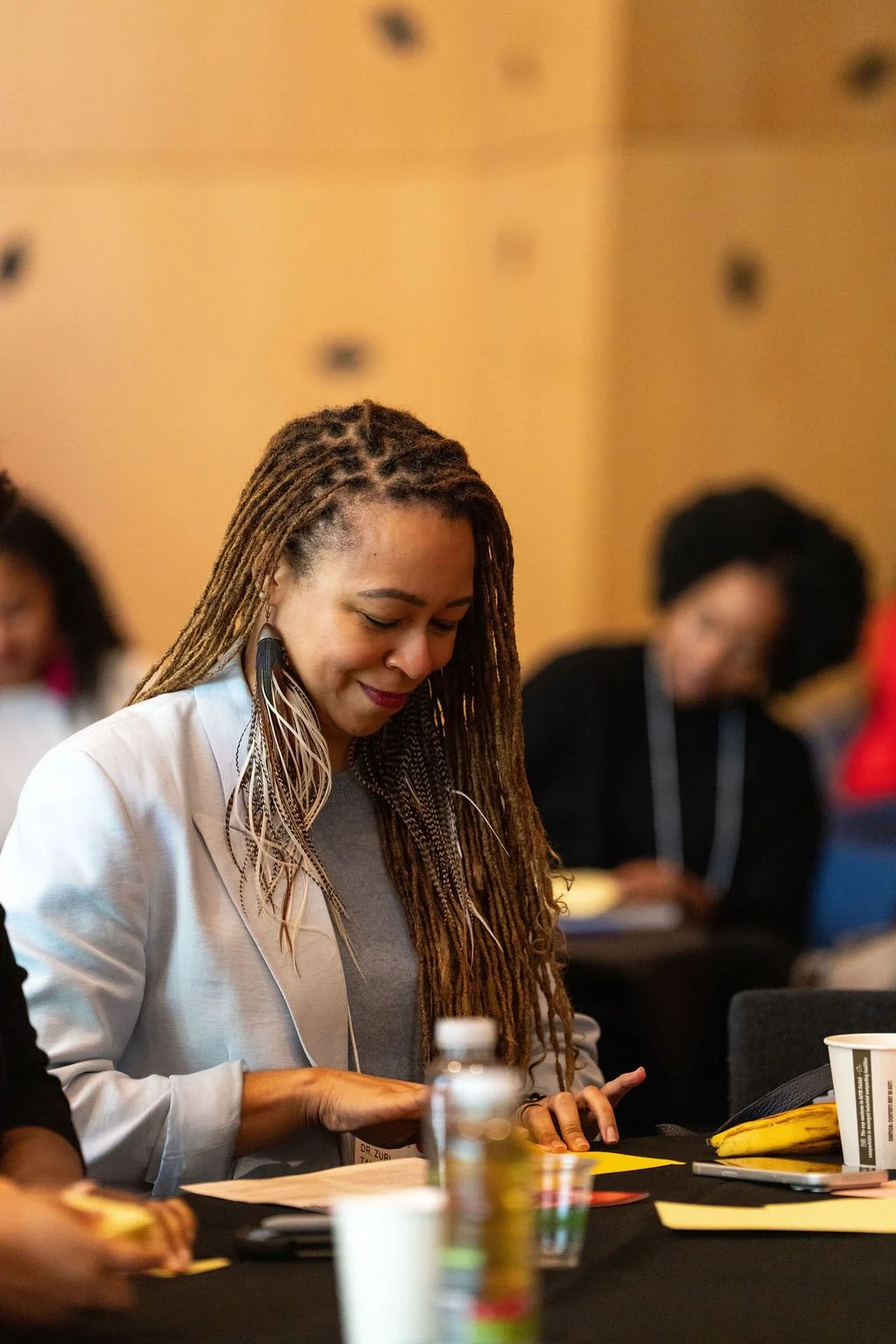
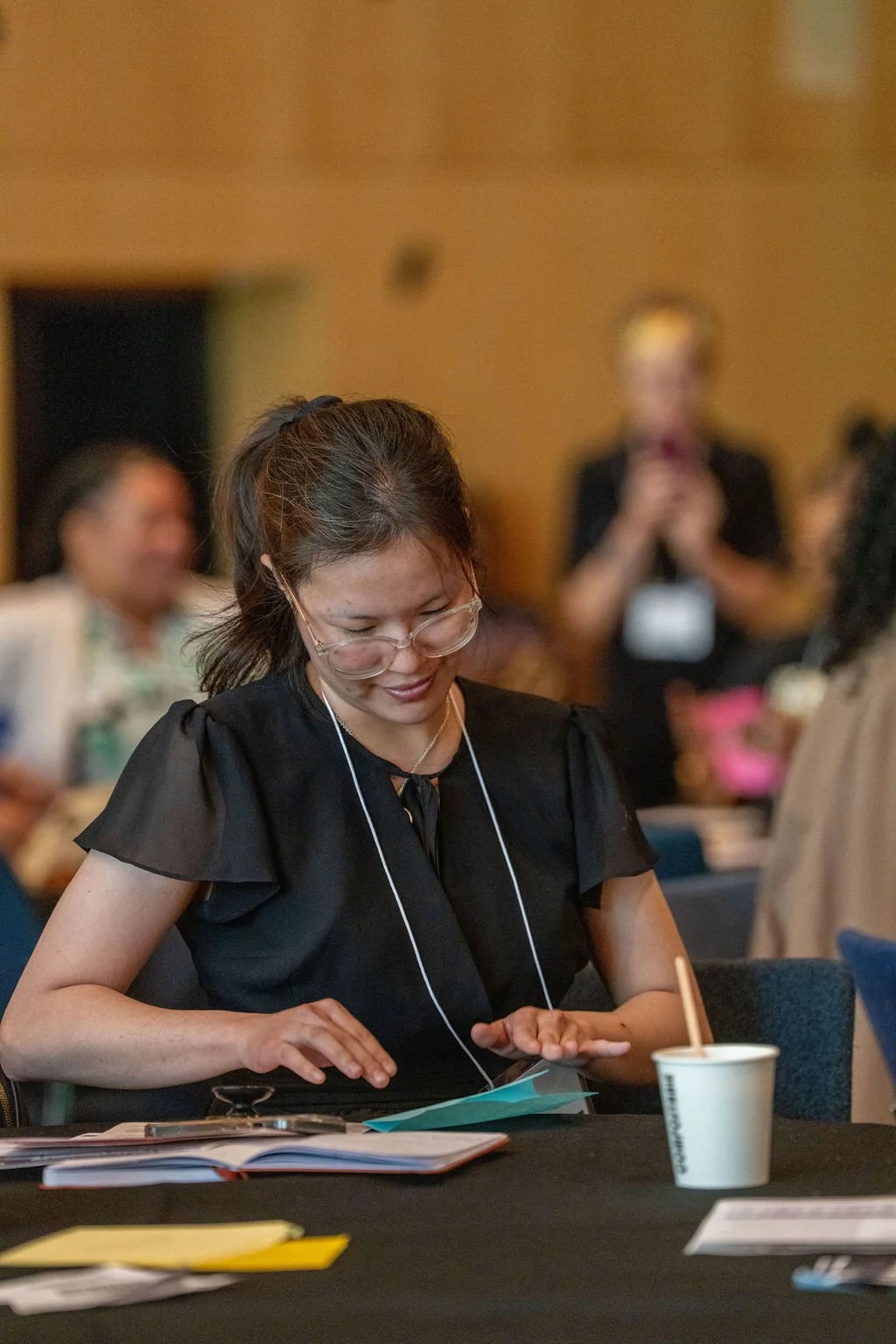
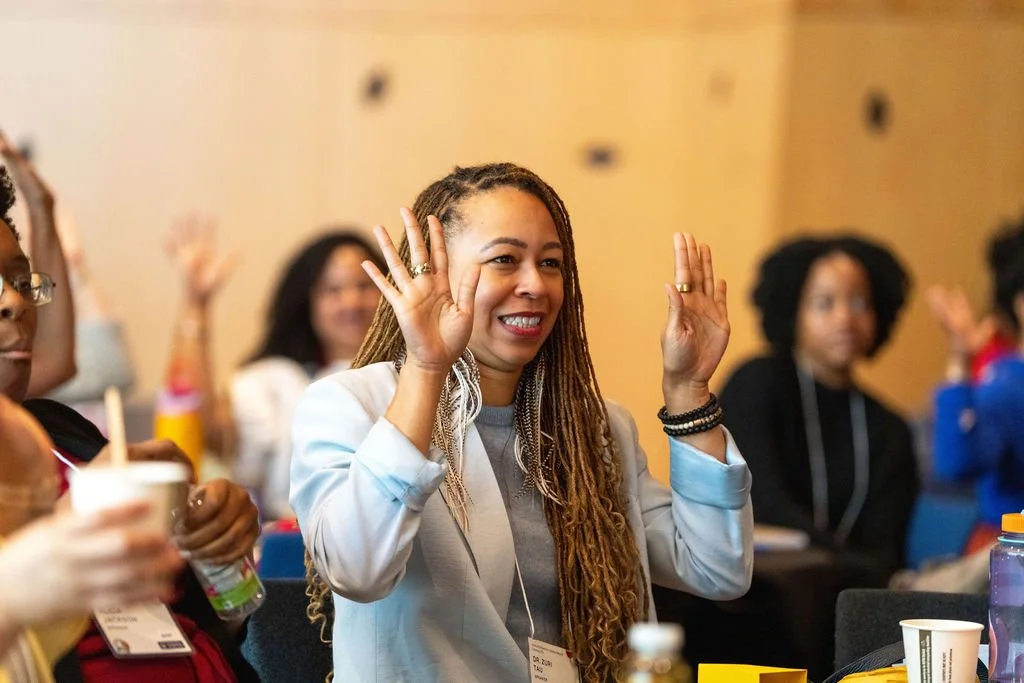

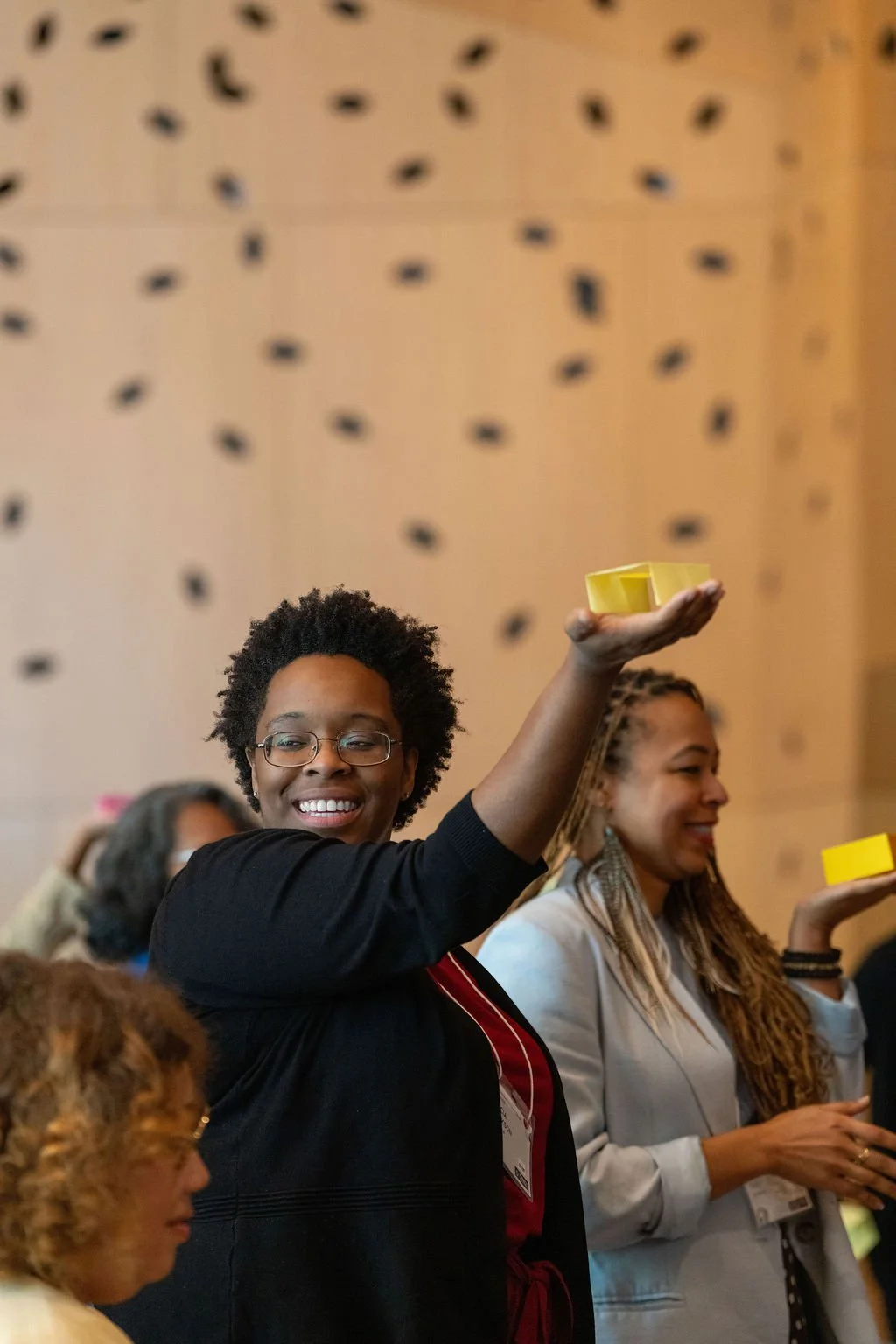

Workshops & Presentations
-
![]()
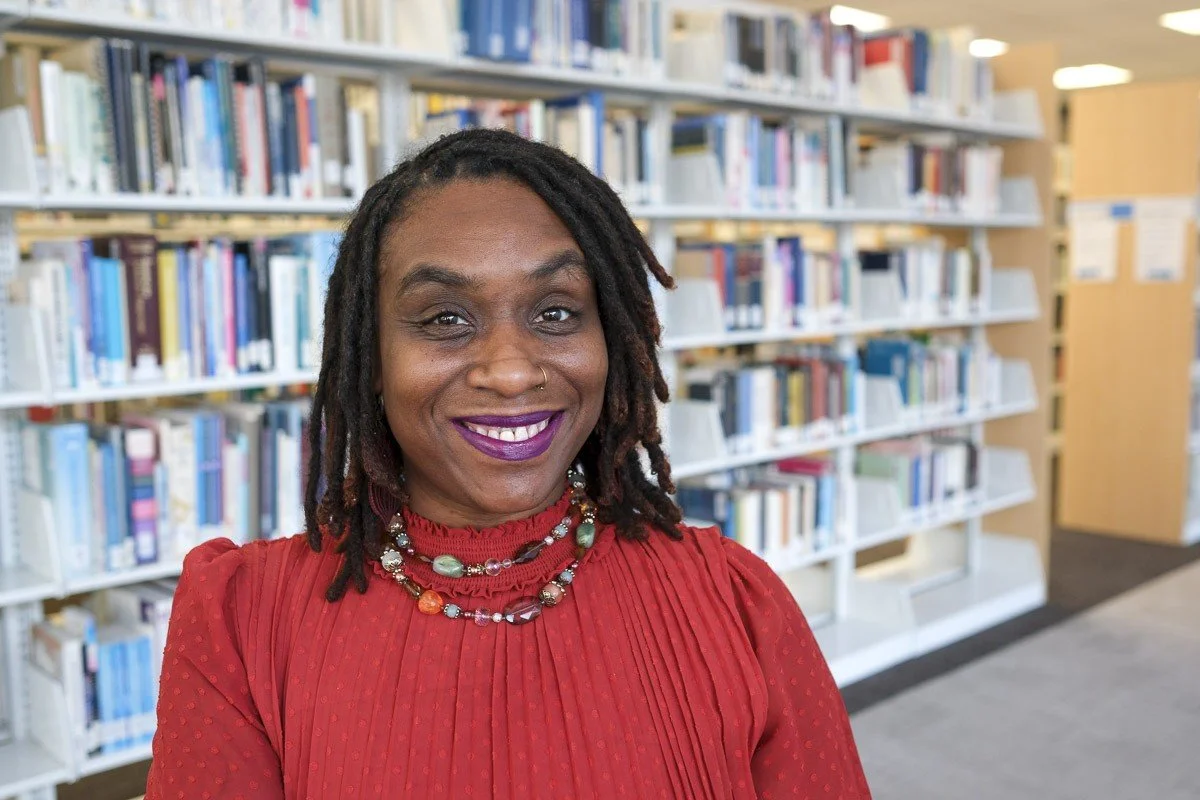
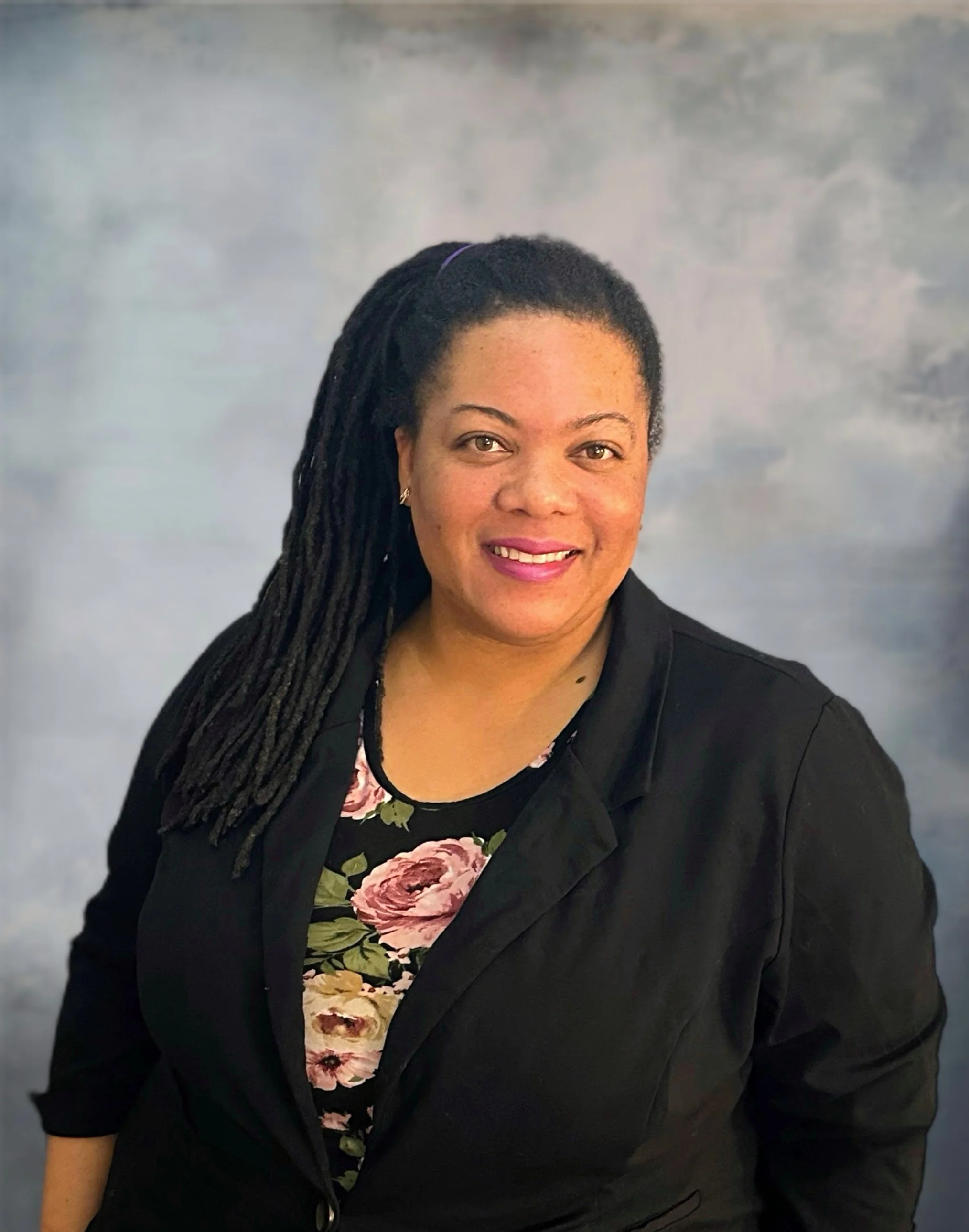
Dr. Meghan Green
Lessons From Earthseed: Using Endarkened Poetic Inquiry to Witness Black Women Educators’ Radical Healing
-
![]()
Maurisa Li-A-Ping
Queering Community Partnerships: A Black Queer Supper Club's Model for Mutually Beneficial Partnerships
-
![]()
Ms. Evett S. Ellis
Beyond the Outburst: Dismantling the Criminalization of Survival
-
![]()
Dr. Sharon Attipoe-Dorcoo
Data Culture Alchemy: Black Women’s Memory, Meaning Making, and Mentions as Pathways to Liberation
-
![]()
Savy F.R. Elahian,
How to Safely Measure Rainbows: A Trauma-Informed Approach to Researching Black LGBTQ+ Survivors
-
![]()
Jamela Clark
Living Liberatory Values: Lessons from Five Years of Participatory Evaluation with Black Moms in Jackson, Mississippi
-
![]()
Dr. Zuri Tau
Living Liberatory Values: Lessons from Five Years of Participatory Evaluation with Black Moms in Jackson, Mississippi
-
![]()
Dr. Christyl Wilson Ebba
Living Liberatory Values: Lessons from Five Years of Participatory Evaluation with Black Moms in Jackson, Mississippi
-
![]()
Dr. Katie Remington Cunningham
"I Want To Be Heard:" Centering BIPOC Women Survivors of Sexual Violence in Ramsey County
-
![]()
Sierra Wilhelm
"I Want To Be Heard:" Centering BIPOC Women Survivors of Sexual Violence in Ramsey County




Thank you to our sponsors!

Support
the event
BECOME A SPONSOR
Download our sponsorship invitation and play a key role in making the event possible!
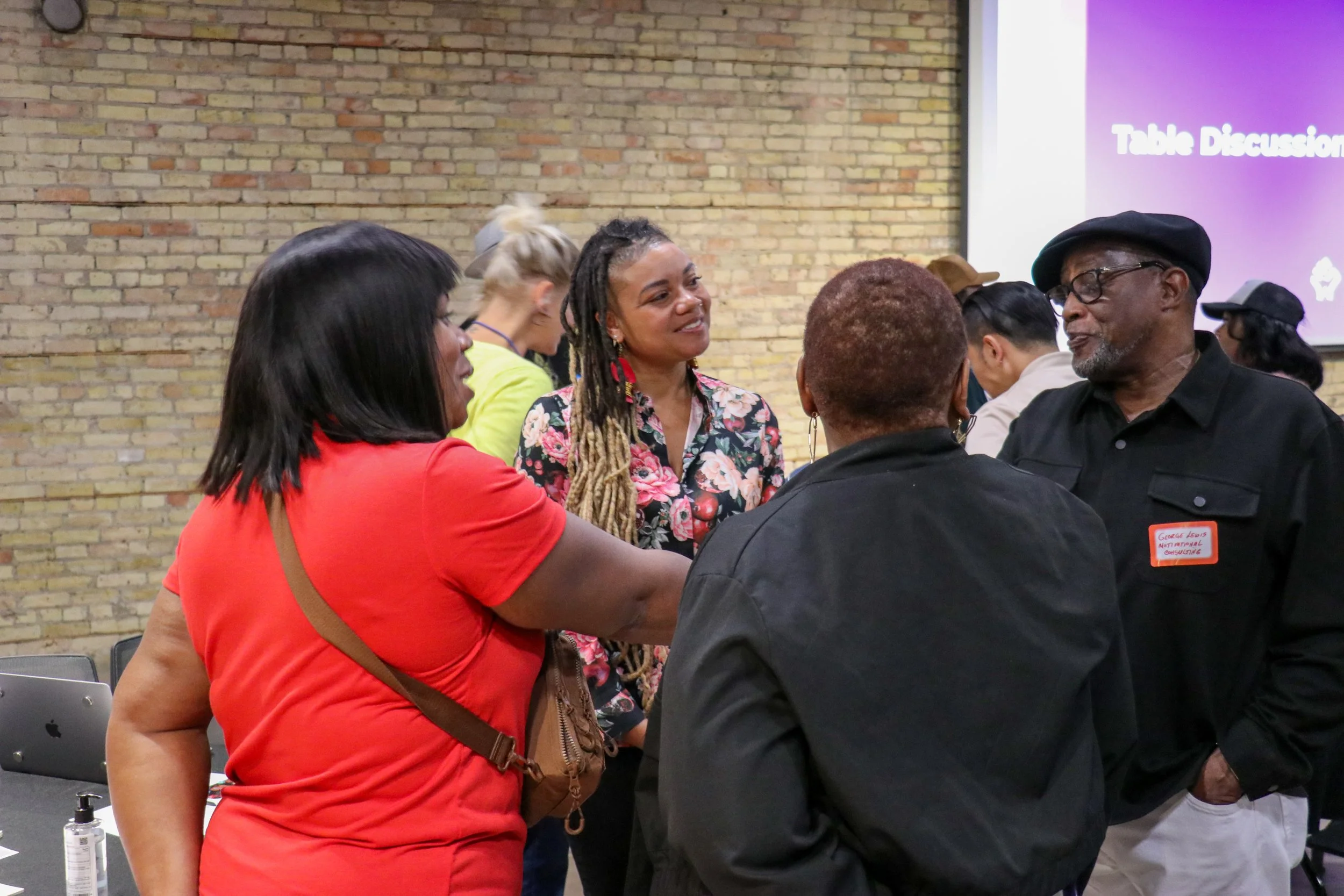
The 2026 convening is just the start of a longer journey.
Over time, we hope the convening will strengthen the field of community-based action research in our region. It will foster deeper trust and accountability among researchers, institutions, and communities. It will expand opportunities for participants to learn together, share lived experience, and hold one another accountable. It will also build cultural foundations for resilience, ensuring that research supports, rather than harms, communities.